
Best Classic Book Sets by Budget: Smart Picks for 2026
Disclosure: We may earn a commission when you buy through links on this page, at no extra cost to you. As an Amazon Associate I earn from qualifying purchases. Learn more

Compare the best classic book sets by price tier, binding, paper, print quality, completeness, and shelf fit so you spend on editions that last for years.
Prices for collected classics range from the cost of a pizza to the cost of a weekend trip, and the differences are not always obvious from a cover photo. This guide to the best classic book sets shows you what each price tier actually delivers in binding, paper, and print quality. That way you can spend where it matters for reading comfort and shelf life, and save where it does not.
Use the comparison table below to note which sets fit your budget and shelf space. Then work through the tier guide and feature checks that follow, because a complete, well bound set you will reread beats a handsome set with tiny print you avoid opening.


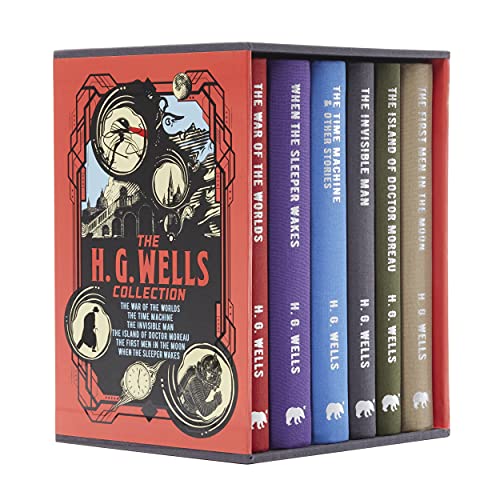
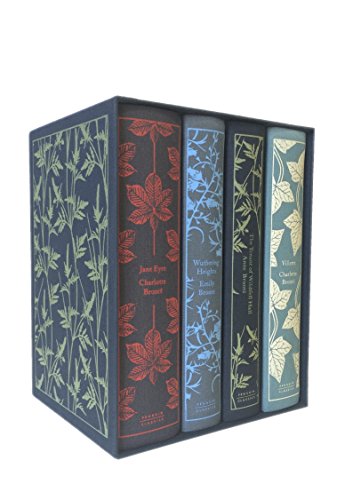
What Each Price Tier Should Deliver
Rather than naming individual sets here, this section describes the standard the best classic book sets in each tier should meet. Hold every candidate in the product table above to that standard, and a weak listing becomes easy to spot.
Best Budget Tier
Budget sets, often around $25 to $60 depending on the number of volumes, suit readers who want the full text at a low cost. Expect paperback or basic hardcover bindings, standard paper, and few extras beyond a short introduction. A good budget set still gives you complete, unabridged texts, readable type, and covers that survive careful handling. This tier fits students, casual readers trying an author, and anyone building a first classics shelf without pressure to keep it pristine.
Best Midrange Tier
Midrange sets, often around $60 to $150, are the sweet spot for most buyers. You should get sewn or well glued hardcover bindings, thicker paper, larger and clearer type, and helpful extras such as maps, notes, or author timelines. Covers and slipcases, when included, should feel sturdy rather than decorative only. This tier fits regular readers and gift buyers who want a set that looks good, reads comfortably, and lasts through many rereads without the collector level price.
Best Premium Tier
Premium sets, often around $150 to $400 or more, should justify the price with cloth or leather style bindings, acid free paper, ribbon markers, and careful editing with strong introductions and notes. Print should stay sharp, illustrations should be well reproduced, and each volume should open flat without stress. This tier fits collectors, milestone gifts, and readers who reread a favorite author yearly. Its limit is simple: you pay for craft and longevity, not for a different story.
What Your Money Gets You at Each Price Tier
Budget Tier: What to Expect
At the budget level, judge a set by completeness and readability first. Confirm that every volume is included, that the text is unabridged, and that the type size suits your eyes for a full chapter. Thin paper may show print from the other side, and bindings may not survive rough handling, so treat these sets gently. They remain a smart buy for exploring new authors, because a low price lets you sample widely before investing in finer editions of the books you love most.
Midrange Tier: The Sweet Spot for Most Buyers
Midrange money mainly buys comfort and durability. Pages feel thicker, margins give your thumbs room, and hardcovers protect the set on a shared family shelf. Many sets at this level also add a slipcase that keeps dust off and volumes aligned. If you read classics a few times a month, this tier usually gives the lowest cost per hour of pleasant reading, since the books invite use instead of demanding special care.
Premium Tier: When Spending More Pays Off
Spending more pays off when the set will be handled for decades, displayed prominently, or given as a lasting gift. Premium paper resists yellowing, sewn bindings tolerate repeated opening, and strong editorial material deepens each reread. It does not pay off if the books will sit unread or face toddlers and travel bags. Match the tier to honest use, and compare presentation formats in our guide to the best book box sets if a slipcase matters to you.
Features Worth Paying For (and Ones to Skip)
Ease of Use and Setup
For book sets, ease of use means comfortable reading: adequate type size, line spacing that does not crowd, and volumes light enough to hold for an hour. Numbered spines and a clear reading order remove friction for series and multi volume works. Skip oversized display editions if you mostly read in bed or on a train, since weight and bulk quietly decide whether a set gets opened at all.
Maintenance and Long Term Costs
Books ask little, but environment matters. Dust jackets tear, sunlight fades spines, and damp rooms invite mold, so shelf placement is part of the purchase decision. Hardcovers cost more upfront yet need less repair over time. If you want formats built for display and protection, our guide to the best hardcover book sets covers binding choices in more depth.
Intended Use and Who It's For
Name the main reader before you buy. A student needs notes and durable covers, a casual reader needs inviting type, and a collector cares about paper, binding, and uniform design. Gift buyers should think about shelf space at the destination home, since a twelve volume set can overwhelm a small apartment. When the main use is clear, tier choice becomes straightforward and you stop paying for features nobody will use.
Warranty and Customer Support
Books rarely carry warranties, so support means seller reliability: accurate listings, complete volumes, and painless returns if a volume arrives damaged or missing. Check that the publisher and edition match across all volumes, since mixed printings can differ in size and cover design. Keep order records until the full set is in hand and inspected, especially for large sets shipped in more than one box.
Long Term Costs to Factor In
Measure your shelf before ordering, including depth and height, since collected editions often run taller than standard paperbacks and a set that must lie flat or squeeze upright will age faster and get used less.
Total cost includes more than the set price. Add shelf space or a new bookcase for large collections, plus possible extras such as bookmarks, reading lights, or replacement volumes if one book is lost or damaged. Premium sets hold resale value better when complete and clean, while incomplete budget sets are hard to pass on. Buying the complete set at once usually costs less than hunting single volumes later, a point worth checking in our broader guide to the best book sets.
Classic Book Sets: Your Questions Answered
How do I maintain a classic book set?
Keep the set on an upright shelf away from direct sun and damp, and dust it with a dry cloth every few months. One point often missed is handling: pull a volume out by the middle of the spine rather than the top edge, which weakens the binding over time. Wash and dry your hands before reading premium volumes to keep oils off the pages.
Are expensive classic book sets worth it?
They are worth it if you reread the author often and value paper, binding, and notes that support decades of use. They are not worth it for a first encounter with an author you may not enjoy. A practical approach is to read one volume from a library or budget edition first, then upgrade only the authors who earn a permanent place on your shelf.
How long does a classic book set last?
A well made hardcover set kept indoors can last for generations, while budget paperbacks may yellow and loosen within years of heavy use. Longevity depends more on storage and handling than on age. Watch for cracked hinges and detached covers, since a bookbinder can often repair one damaged volume for less than replacing a whole set.
What features matter most when buying classic book sets?
Completeness, unabridged text, and readable type matter most, ahead of cover art. After those, binding quality decides how long the set survives rereading. One extra check is the table of contents: confirm that short works, introductions, or final volumes you expect are actually included, because some sets quietly omit lesser known titles to keep the volume count and price down.
How much should I spend on a classic book set?
Most readers do well in the midrange, around $60 to $150, where durability and reading comfort improve sharply over budget sets. Spend less to explore and more only for authors you already love. Also count volumes before judging price: a fair price per volume is a better comparison than the headline total, since set sizes vary from three to twenty books.
Wrapping Up
Decide your tier by how often you will reread, insist on complete unabridged texts with comfortable type, and let binding quality guide the rest. Compare your finalists in the product table above against these checks. Chosen with that discipline, the best classic book sets give you years of reading and a shelf you are proud to use, not just to view.


