Best Chukka Boots under 100 Made Simple: A Clear Buying Guide for 2026
Disclosure: We may earn a commission when you buy through links on this page, at no extra cost to you. As an Amazon Associate I earn from qualifying purchases. Learn more

Shopping for the best chukka boots under 100 for the first time? Learn the terms, compare options, and avoid rookie mistakes with this easy guide.
If this is your first pair of chukka boots, the choices can look confusing at first. Names for leathers, soles, and linings all sound important, yet only a few details truly change comfort. This guide walks you through the best chukka boots under 100 in plain language, starting with the basics and ending with simple steps for your first week of wear.
You do not need to spend more to get a pair that looks neat with jeans or chinos and feels fine for a full day out. Use the comparison table below to see how pairs differ at a glance, then read on to learn what each term means for your feet.



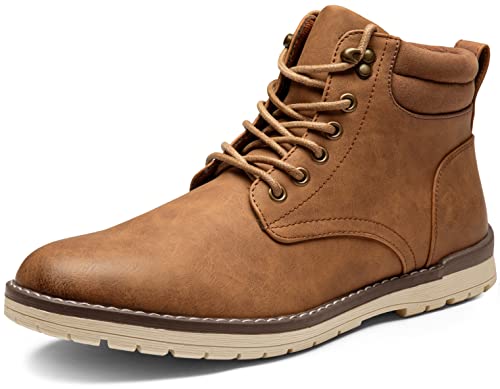


Chukka Boots 101: The Basics
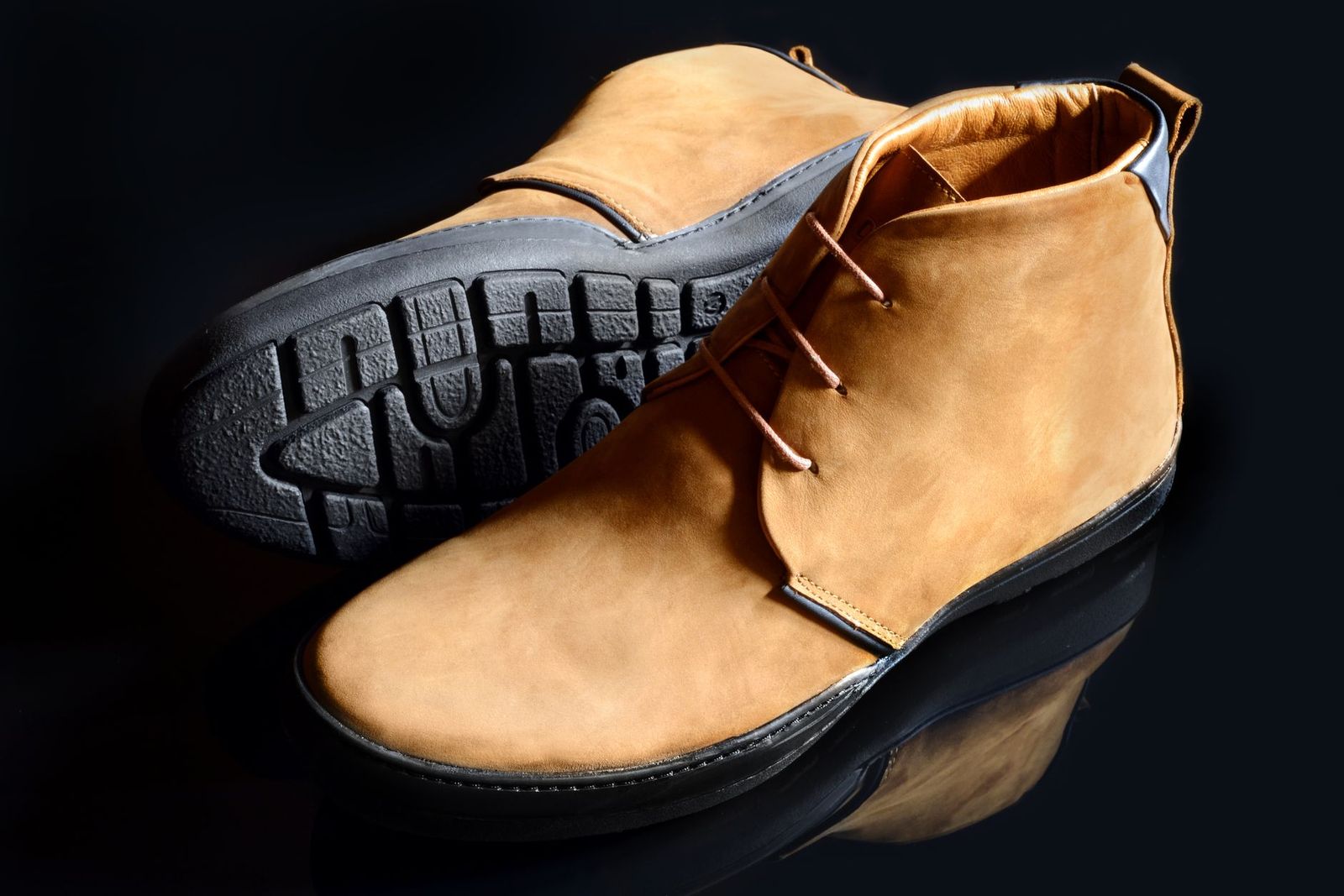
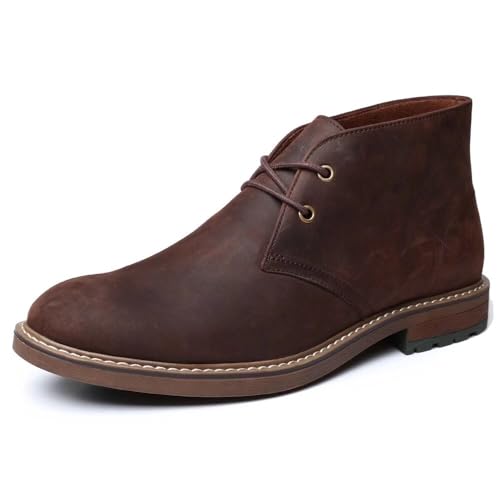
A chukka boot is a short boot that rises just to the ankle bone and fastens with laces through two or three pairs of eyelets. Most pairs have an open lacing style, where the panels that hold the eyelets sit on top of the front of the boot rather than sewn under it. That simple build is why chukkas look relaxed rather than formal, and why they suit casual and smart casual outfits so well.
Uppers are usually suede or smooth leather, and many budget pairs use leather blends or man made materials to keep the price down. Soles are often crepe style rubber, plain rubber, or a light synthetic unit that is glued to the upper. If you wonder how chukkas compare with taller lace up styles and work boots, see our guide to the best boots under 100 for the broader picture at this same budget.
Chukkas fill a useful gap between shoes and full boots. They add a little ankle coverage and warmth in cool weather, yet they stay light and easy to pull on. They are not made for deep snow, heavy trails, or job sites.
Key Specs Explained in Plain English
The product table above gives you prices and basic facts, but specs only help once you know what they change on your foot. The five topics below explain each term in plain English, tell you what most first time buyers should choose, and show you where this budget forces a trade off.
What You Can Realistically Get at This Price
For under $100, expect cemented soles rather than stitched welts, linings that are thin or partly synthetic, and uppers of suede, corrected grain leather, or leather blends. Those are fair trade offs for the price, and a neat, comfortable pair is very possible. Listings for the best chukka boots under 100 rarely state that trade off plainly, so judge the pair in front of you rather than the photo. What you should not accept is a sole that feels paper thin, glue spilling at the edges, or stitching that is loose right out of the box.
Spend your money first on fit and on an upper that can handle scuffs. Fancy linings and extra padding matter less at this level.
Fit, Sizing, and Toe Box
Measure and try boots late in the day, when your feet are at their largest after hours of standing and walking. A good fit leaves room for your toes to lie flat and spread a little, with no pinching at the widest part of your foot. The toe box on many chukkas runs narrow and tapered for style, so if your forefoot feels squeezed, go up half a size or look for a rounder shape.
Your heel should sit snugly with only slight movement, and the boot should flex where your own foot bends, near the ball. Wear the socks you plan to use most, because a thick sock can change the fit by about half a size. When you order online, choose sellers with easy size exchanges, since chukka sizing varies more between brands than sneaker sizing does.
Cushioning and Support
Most chukkas have a flat, fairly thin sole, so cushioning comes mainly from the insole and the midsole foam rather than from a thick raised heel. The heel to toe drop is small, often close to level, which gives a natural standing feel but less push at toe off than a running shoe. If you stand on hard floors for hours, a pair with a removable insole lets you add padding tuned to your feet.
Stability in a chukka comes from a firm heel cup, a sole that does not twist easily, and a fit that holds your midfoot in place. That is modest support, not the firm control of stability shoes built for sport. Reach for sandals and recovery footwear at home if your feet need a true rest after long days on concrete.
Waterproofing, Gore Tex, and Membranes
True waterproof chukkas are rare at this price. A waterproof membrane is a thin layer inside the boot that blocks liquid water while letting some vapor escape, and Gore Tex is the best known name for that kind of layer. Pairs with a membrane cost more to make, so most budget chukkas instead use water resistant suede or leather that shrugs off light rain and splashes.
Decide from your climate. If you walk through steady rain or wet grass most weeks, a membrane is worth seeking out even at this budget. If rain is rare for you, a breathable unlined suede pair will feel cooler in warm weather and dry faster after a small splash. No membrane makes a low ankle boot safe for stepping in deep puddles, since water simply enters over the top.
Arch Support and Foot Type
Arch support in chukkas is usually mild. The insole may have a gentle rise under the arch, but there is rarely the shaped, firm support found in shoes built for foot problems. If you have flat feet, that gentle shape plus a stable heel can feel fine for normal days. If you have high arches, you may notice pressure under the heel and ball, because a flat insole leaves the middle of your foot with little contact and little cushioning.
A removable insole is the most useful feature here, since it lets you swap in an insert that matches your arch height. Pay attention during your first walks. Numb toes, sharp pain, or pain that grows worse each day are signs to stop and talk with a clinician or a qualified shoe fitter about your personal needs.
Rookie Mistakes to Avoid
New buyers tend to repeat the same few errors, and each one is easy to avoid once you know it exists.
- Buying for looks alone and ignoring the toe shape leaves you with pinched toes and a pair you stop wearing within a month.
- Ordering your sneaker size without checking the brand size chart leads to exchanges, delays, and fit problems you could have skipped.
- Wearing brand new chukkas for a full day of travel right away causes blisters and sore spots that a gradual start would have prevented.
- Choosing suede for a wet climate without any water protection means stains and soggy feet after the first real rain.
- Judging quality only by how soft the upper feels misses weak soles and poor gluing, which are the parts that fail first at this price.
Keep this list beside you while you shop, and check each pair against it before you pay.
Getting Started: Setup and First Use
When your boots arrive, inspect them at a table in good light. Check that both boots match in color, that the stitching is even, and that no glue lines or loose threads show along the sole edge. Try them indoors on a clean floor with your usual socks, and walk on both carpet and hard ground so you can still exchange them if the size feels wrong.
Then build up your wear time in small steps:
- Wear the boots around your home for about an hour on the first day, so stiff spots show up without causing real soreness.
- Add time each day for about a week, mixing in short walks outside once the size feels certain and the fit stays comfortable.
- Lace snugly over the midfoot and a touch looser at the top eyelet, which holds your heel while letting your ankle move.
Care is simple but specific to chukkas. Brush suede gently after dry wear to lift dust, and stuff paper inside a wet pair so it holds its shape while it air dries away from direct heat, which can crack leather and warp soles. Wipe smooth leather with a damp cloth, let it dry, and use a small amount of conditioner only when the surface looks dry and dull.
Frequently Asked Questions
Can You Get Good Chukka Boots for Under $100?
Yes, you can get a good pair for under $100 if you judge value by fit, neat assembly, and an upper that suits your weather. One point new buyers miss is color choice. Less popular colors of a sound style often sell for less than the classic tan or black versions, so a flexible wardrobe can stretch your budget without giving up comfort or build quality.
Are Expensive Chukka Boots Worth the Extra Cost?
Sometimes, but not for every buyer. Pricier pairs usually add fuller grain leather, stitched soles that a cobbler can replace, and softer linings. A useful way to judge is cost per wear. A pair worn twice a week for years can justify a higher price, while a pair bought for one season of occasional wear rarely repays the jump.
Do Chukka Boots Need to Be Waterproof?
No, chukka boots do not need to be waterproof for most people. They need it only if your routine puts you in steady rain, wet pavement for long stretches, or damp grass most days. Look at the shoes you already own and count how often the uppers come home wet. If that is rare, water resistant uppers and a spare pair for wet days will serve you better.
How Should Chukka Boots Fit?
Chukka boots should fit snugly at the heel and midfoot, with clear space ahead of your longest toe and no pinch across the forefoot. Beyond the checks in the sizing section, try this quick check. Stand and shift your weight forward as if walking downhill. Your toes should not jam into the front. If they do on a flat floor at home, the pair is too short for real walks outside.
How Long Is the Break In Period for Chukka Boots?
The break in period for chukka boots is usually about one to two weeks of gradually longer wear. Suede pairs often feel soft within a few days, while smooth leather pairs take longer at the ankle and across the flex point. A small hot spot that fades is normal, but a blister that returns in the exact same place each day usually means the shape is wrong for your foot.
How Often Should You Replace Chukka Boots?
Replace chukka boots when the outsole wears smooth at the heel or ball, the upper splits at the flex point, or the insole stays flat and hard after rest. There is no fixed month count, because a pair worn daily on concrete ages far faster than a weekend pair. At this price, resoling rarely makes sense, so put the money toward a fresh pair once grip and support are clearly gone.
Final Thoughts
Start with fit, then check that the upper suits your weather, then look at sole build. The product table above can refresh your memory as you narrow your list to two or three pairs.
Choose the pair you will reach for on an ordinary Tuesday, not the pair that only suits one outfit. When you find best chukka boots under 100 options that match your feet, your climate, and your budget, you get a simple boot that earns its place in your closet for seasons to come.