Best Chrono Watches under 1000: Complete Buying Guide for 2026
Disclosure: We may earn a commission when you buy through links on this page, at no extra cost to you. As an Amazon Associate I earn from qualifying purchases. Learn more

Use this buying guide to compare the best chrono watches under 1000 by movement, case size, crystal, water resistance, and strap fit before you buy.
A chronograph adds stopwatch timing to a regular watch, and under four figures the market splits into honest, well made timers and flashy models that cut corners on materials. The difference shows up in the crystal, the movement, and how the pushers feel when you actually time something. This guide to the best chrono watches under 1000 helps you spend on the parts that last.
We explain what each budget level delivers, which movement suits your habits, and how to size a case to your wrist. Start with the comparison table below, then use the buying guide to filter by the features you will notice every day.
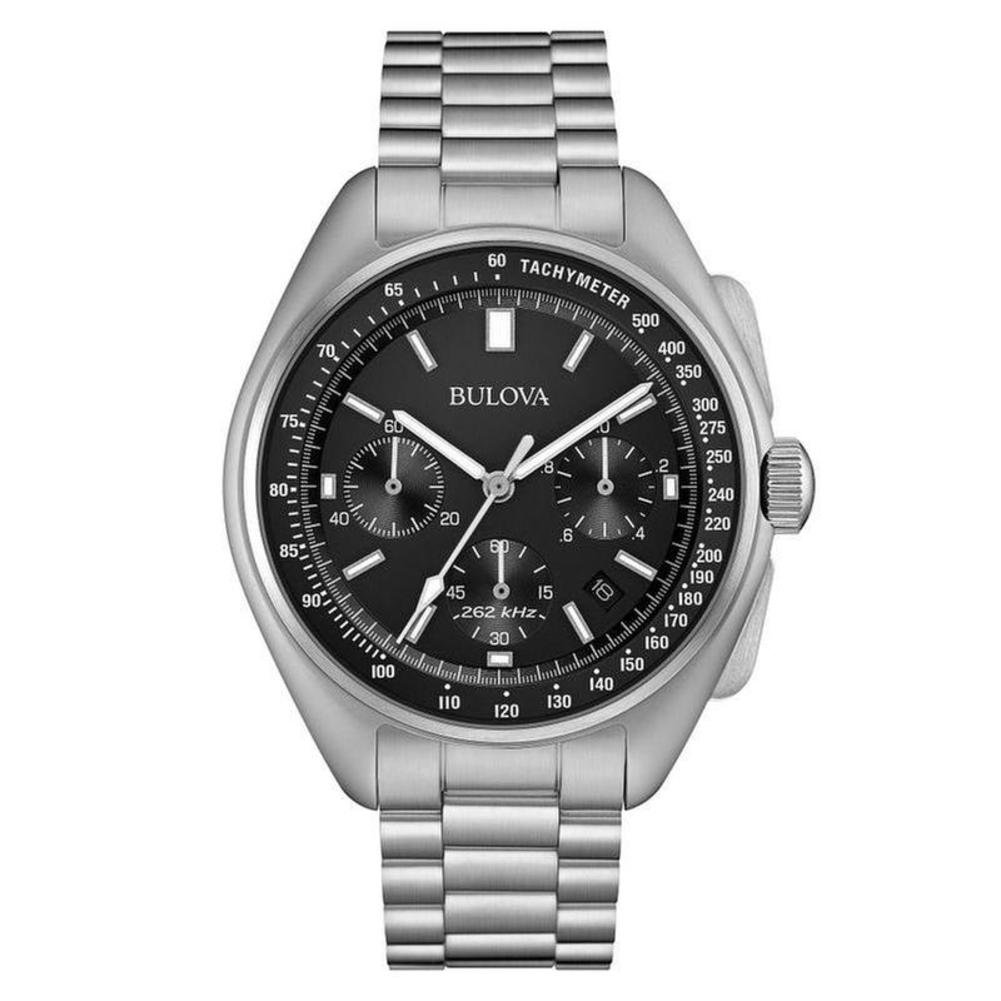
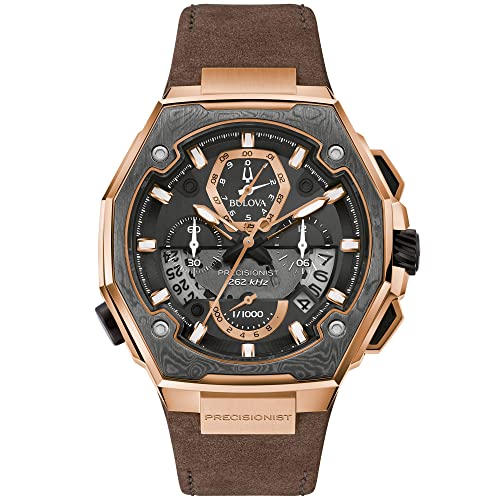


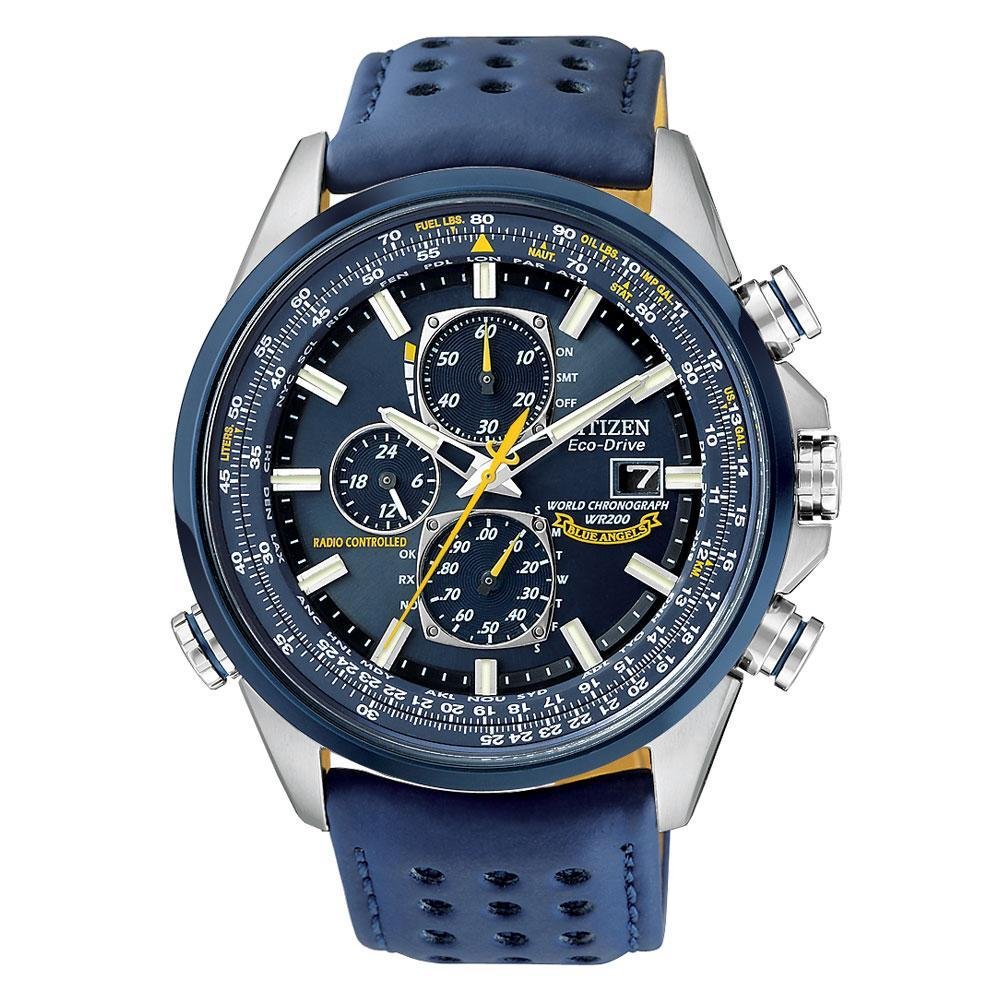


Three Budget Profiles at a Glance
Instead of naming single models, use these three profiles to target your spending, because lineups change and prices move during sales. Each profile describes who it fits, what it does well, and where it compromises. Match one profile to your routine, then compare the options in the product table above against it.
The All-Round Profile
Around $600 to $900, the strongest all around profile pairs a reliable automatic or high accuracy quartz movement with a sapphire crystal and a solid link bracelet. This level suits buyers who want one watch for office days, travel, and weekend timing duties without babying it. Water resistance of 100 m and decent lume make it genuinely versatile. The compromise is weight on the wrist and a price close to entry level luxury pieces that may tempt you upward.
The Value Profile
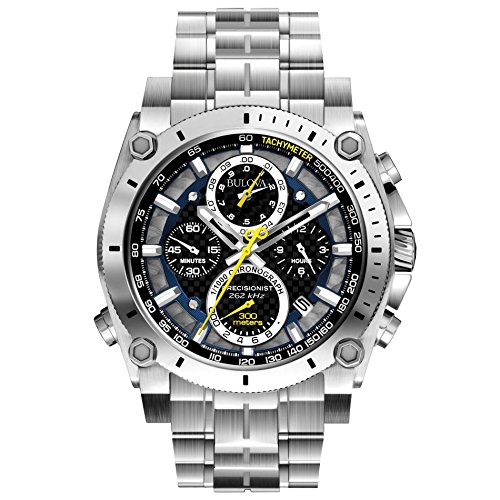
Around $250 to $450, value profiles lean on proven quartz movements, mineral or entry sapphire crystals, and simple but well finished cases. This level fits first time chronograph buyers and anyone who wants grab and go accuracy without service worries. You still get working subdials, a tachymeter scale on many models, and straps that swap easily. Expect less refined bracelet finishing and lume that fades faster overnight than on pricier pieces.
The Upgrade Profile
Around $900 to $1,000, upgrade profiles add finer case finishing, better regulated movements, and details like applied indices and ceramic bezel inserts on some designs. This level suits enthusiasts who notice small things, such as pusher action that feels crisp rather than mushy. Resale value also holds up better when the brand and specs are respected. The limit is that you pay for refinement more than function, since timing accuracy barely changes.
How to Choose the Best Chrono Watches: Buying Guide
This price band rewards careful reading of spec sheets, because two watches at the same price can differ sharply in crystal, movement service costs, and bracelet quality. Work through the points below in order and you will narrow the field fast. Readers comparing the wider category can start with our guide to the best watches under 1000 for non chronograph options at the same budget.
What You Can Realistically Get Under $1000
Under $1000 you can realistically get sapphire crystal, a steel case with good finishing, 100 m water resistance, and a movement from a respected maker. What usually gets cut is in house movement prestige, hand finishing, and long power reserves on automatics. Do not economize on the crystal or case, because those parts define how the watch ages. Savings should come from simpler dials and straps, which you can change later.
Movement Type (Quartz, Automatic, Solar, Smart)
Quartz movements offer the best accuracy per dollar and need only a battery change every few years. Automatic movements add mechanical charm and smooth sweeping seconds on the main hand, but they need servicing every 5 to 7 years and drift more per day. Solar movements charge from light and remove battery changes almost entirely. Smart chronographs track far more data, yet they need charging every few days and age like electronics rather than heirlooms.
Crystal and Case Materials
Sapphire crystal resists scratches from almost everything except diamond, so it keeps a daily watch looking clear for years. Mineral crystal costs less and shatters less easily on impact, but it picks up scuffs that cannot be polished out. Cases in 316L stainless steel balance durability, weight, and price, while titanium feels lighter and warmer on the wrist at a higher cost. Avoid coated base metal cases at this budget, since the finish wears through at the edges.
Water Resistance Rating
A 30 m rating means splash resistance only, despite what the number suggests, so keep that watch away from showers and pools. A 100 m rating covers swimming and snorkeling for most wearers, provided the crown is pushed in and gaskets are maintained. A 200 m rating suits recreational diving and adds peace of mind for daily wear. Remember that ratings assume still water and fresh seals, so have gaskets checked every few years.
Legibility and Style
Legibility comes from contrast, so pale subdials on a pale dial look elegant in photos and frustrate in real use. Lume on the hands and main indices matters if you check the time at night, and quality varies widely at this price. For office wear, a 38 to 41 mm case in muted colors slides under a cuff cleanly. Sportier designs with bold bezels read better outdoors but can overwhelm smaller wrists and formal outfits.
Smart and Fitness Features
Smart chronographs add GPS timing, heart rate tracking, notifications, and lap memory far beyond any mechanical stopwatch. They suit runners and cyclists who want training data without a second device. Battery life is the trade off, measured in days rather than years, and screens can be hard to read in bright sun. Treat fitness readings as training guides rather than medical measurements, and see a qualified professional for health concerns.
Types of Chrono Watches
Chronographs group by movement, and each type fits a different owner. The short profiles below help you pick a lane before comparing individual specifications. Movement choice affects price, upkeep, and how the watch feels to live with, so decide it early.
Quartz Watches
Quartz chronographs are the accuracy and value leaders, timing to fractions of a second and holding time within seconds per month. They are thin, light, and ready after months in a drawer. The downside is a ticking seconds hand on many models and eventual battery changes. They fit buyers who want precision without ritual.
Smartwatches
Smartwatches treat the chronograph as one app among many, adding split times, countdowns, and synced workout logs. They fit data driven athletes and anyone already charging a phone nightly. Downsides include short battery life, software support that ends in a few years, and cases that date quickly. They are tools first and keepsakes second.
Solar Watches
Solar chronographs power a quartz movement from light through the dial, so the battery can last a decade or more. They fit owners who dislike maintenance and wear their watch most days, keeping it charged. Downsides include dial designs limited by the light cell and sluggish starts after long storage in darkness. Keep one on a windowsill and it simply runs.
Dive and Field Watches
Dive and field chronographs trade elegance for toughness, with strong water resistance, grippy bezels, and high contrast dials. Divers should see our guide to the best dive watches under 1000 for models built around underwater use. Field styles favor simple layouts and durable straps for outdoor work. Both types run larger, so wrist fit deserves extra attention before buying.
Picking the Right Chrono Watches for Different Uses
Most chronograph guides assume one wrist and one wardrobe, but sizing and style needs differ. Case diameter, lug shape, and strap choices decide whether a watch gets worn daily or sits in a box. The notes below cover a group many lineups underserve.
Choosing for Smaller Wrists
Shoppers with smaller wrists should start with case diameter, since many chronographs run 42 mm or larger and overwhelm smaller wrists. Look for 36 to 39 mm cases, shorter lug to lug lengths, and slimmer profiles that sit flat. Strap choice matters too, because a tapered bracelet or soft leather strap balances a sporty dial. Smaller cases at this budget keep sapphire and 100 m ratings, so fit need not mean compromise.
Setup and Care Tips
- Service automatic watches every 5 to 7 years: fresh oils and gaskets keep accuracy steady and water resistance real, and a watchmaker can regulate timing during the visit.
- Rinse after saltwater exposure: a gentle rinse under fresh water clears salt and sand from the bezel and pushers, and always confirm the crown is fully closed first.
- Store away from magnets: speakers, tablet covers, and bag clasps can magnetize a movement and make it run fast, so keep a watch box away from them.
- Rotate straps to reduce wear: resting leather between wears and swapping to a metal bracelet in summer extends strap life and keeps skin comfortable.
- Use the chronograph gently: press pushers with a steady push rather than a jab, and avoid using them underwater unless the maker rates the watch for it.
Frequently Asked Questions
Can you get a good chrono watch under $1000?
Yes, you can get a genuinely good chrono watch under $1000, with sapphire crystal, a respected movement, and solid water resistance. This band is where value peaks because makers compete hard on specifications. What you give up versus pricier pieces is brand prestige and hand finishing, not function. Buyers who prefer mechanical movements can compare our guide to the best automatic watches under 1000 for related options.
How water resistant should a watch be?
A watch should carry at least 100 m of water resistance if you swim or shower with it on. Ratings of 30 m or 50 m cover rain and hand washing only, whatever the numbers imply. Divers need 200 m plus a screw down crown and a unidirectional bezel. Whatever the rating, aging gaskets weaken it, so periodic pressure checks keep the claim honest.
Quartz or automatic: which is better?
Neither is better for everyone, because quartz wins on accuracy, price, and low upkeep while automatic wins on craft and long term charm. Quartz suits owners who rotate watches or want grab and go reliability. Automatic suits owners who enjoy winding, wearing daily, and keeping a watch for decades. Your habits, not a spec sheet, should settle this choice.
Is a smartwatch worth it over a classic watch?
A smartwatch is worth it if you will actually use its timing, GPS, and training data most weeks. Classic watches win on battery life, longevity, and style range, and they never nag you with notifications. Many owners end up with both, training with one and dressing with the other. Shoppers leaning classic can also browse our guide to the best male watches under 1000 for traditional designs.
What case size fits my wrist?
Case size fits your wrist when the lugs stay within your wrist width and the dial looks balanced rather than dominant. Wrists under 6.5 inches usually suit 36 to 39 mm cases, while larger wrists handle 40 to 43 mm well. Lug to lug length predicts fit better than diameter alone. If you can, measure a watch you already own and compare those numbers.
How long does a watch battery last?
A standard quartz watch battery lasts about 2 to 3 years, and chronograph use shortens that span because the timing motor draws extra power. Solar models stretch cell life to a decade or more with regular light exposure. A seconds hand jumping at intervals often signals a low battery warning. Replace batteries promptly, since a depleted cell left inside can leak and damage the movement.
The Bottom Line
Decide the movement first, insist on sapphire and at least 100 m of water resistance, and size the case to your wrist rather than to a trend. Those three filters turn a crowded field into a short list quickly. Frequent travelers may also value dual time designs, covered in our guide to the best gmt watches under 1000. When you are ready, compare the best chrono watches under 1000 in the product table above and choose the profile that fits your days.