
Best Christmas Village Sets to Collect: A Collector Guide for 2026
Disclosure: We may earn a commission when you buy through links on this page, at no extra cost to you. As an Amazon Associate I earn from qualifying purchases. Learn more

Start a village that grows: the best christmas village sets to collect share a scale and theme, light up well and store safely between seasons.
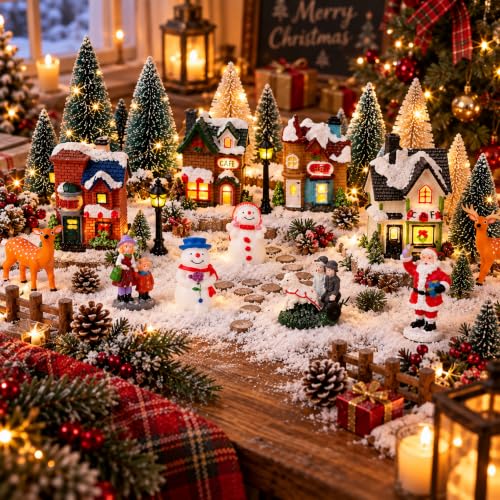
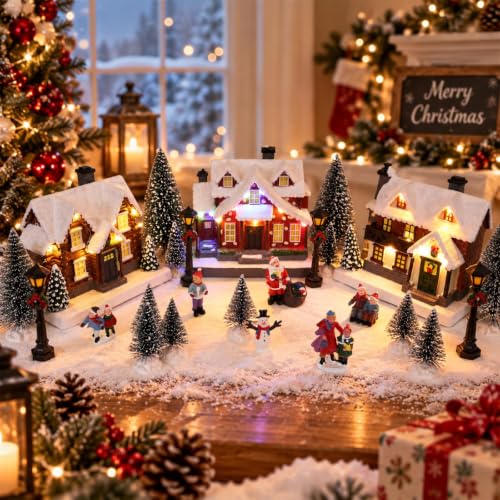
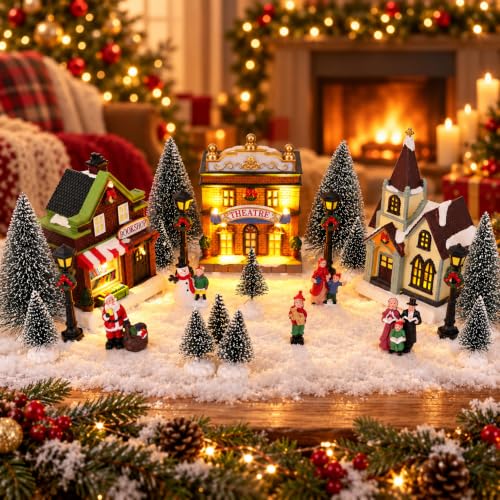
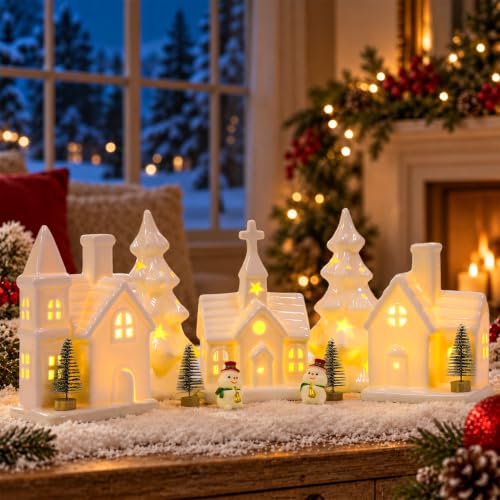
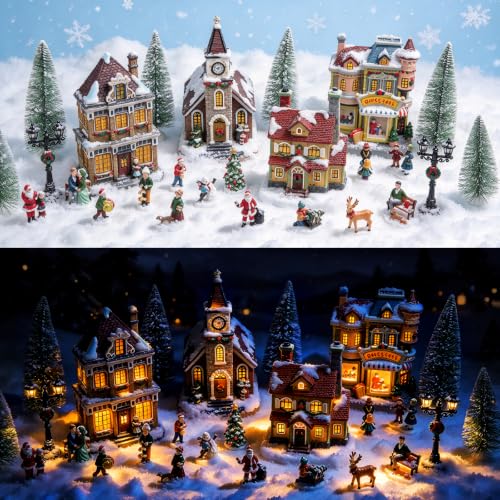
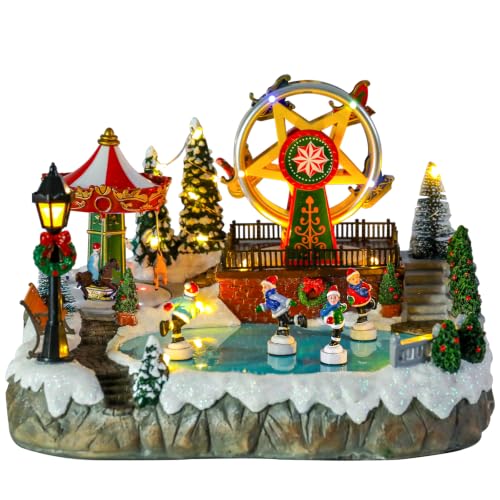
A Christmas village grows one building at a time, turning a mantel or table into a small winter world with shops, houses, lamps, and tiny figures. Best christmas village sets to collect share a consistent scale and theme, light up warmly, and store safely between seasons, so the display improves each year rather than looking mismatched. The comparison table below gives a quick overview, while this guide explains scale, theme, and collecting strategy.
New collectors often buy random pieces that clash in size or style, then struggle to arrange them into a coherent scene. A little planning at the start, including scale, power, and storage, saves money and frustration later. This guide helps you start well and grow wisely.



Who Should Collect Which Type
Mantel collectors with limited space suit a small scale village with a few buildings and figures, arranged on a narrow surface. Table collectors with a dedicated display area can build larger scenes with streets, trees, and accessories, while whole room collectors plan around a large table or platform with hills and lighting. Start with the space, not the catalogue, since space limits the village more than budget does.
Gift buyers should choose starter sets with a building, figures, and lights included, so the recipient can display at once. Experienced collectors often prefer single buildings that fill gaps in an existing theme, while children suit sturdy resin pieces that survive handling better than delicate porcelain.
Key Features Worth Comparing
Scale and Consistency
Scale is the most important collecting decision, since buildings, figures, trees, and accessories must look right together. Mixing scales makes a village look jumbled, with giant figures beside tiny houses, so pick one scale and stay with it. Check the maker scale before buying, and compare piece heights rather than trusting photos alone.
Theme consistency matters almost as much. A Victorian street, an alpine village, and a North Pole workshop each have their own colours and architecture, and mixing themes dilutes the scene. Choose a theme that pleases you year after year, since a village is a long term collection, not a single season purchase.
Lighting and Power
Lighting brings a village alive, with warm windows and street lamps transforming a daytime display into an evening scene. Lighted buildings need power, so plan cord routes, adapter capacity, and timer use before buying many pieces. Battery lights suit small displays without nearby sockets, while mains adapters suit larger villages with many buildings.
Check bulb type and replacement availability, since some older buildings use bulbs that are hard to find. LED lighting lasts longer and runs cooler, which protects delicate pieces and reduces fire risk. Use timers to limit hours, and never leave a lit village running unattended for long periods.
Material and Durability
Porcelain villages offer fine detail and a classic look, but they chip and break if dropped, so they suit adult collectors and stable displays. Resin villages are lighter and tougher, which suits families, children, and displays that move each year. Paper and cardboard villages suit budget displays but wear faster and need dry storage.
Detail quality varies within every material. Look for clean painting, neat windows, and stable bases, and avoid pieces with flaking paint or wobbly bases. A well made piece survives decades of annual display, while a cheap piece disappoints after a season or two.
Collecting Strategy and Display Compared
Starter sets give instant display with matched buildings and figures, while building piece by piece lets collectors choose each addition carefully. Annual limited pieces add excitement but can cost more and tempt overspending, so set a yearly budget and a theme rule before buying. Second hand pieces can fill gaps cheaply, but check for chips, missing lights, and scale before paying.
Related collecting guides include best christmas village sets, best lighted christmas village sets, best christmas sets, best christmas nativity sets, and best christmas train sets. A train adds movement to a village, while a nativity set suits a separate faith focused display.
Storage and Long Term Care
Storage decides how long a village lasts. Wrap each building in tissue or bubble wrap, store figures separately, and label boxes by theme and scale, so next season setup is quick. Keep boxes dry, cool, and out of attics with extreme heat, since heat and damp damage paint and electronics.
Photograph the display before packing, so next year arrangement is easy and missing pieces are noticed at once. Keep cords, adapters, and spare bulbs under controlled conditionselled bag with the village, and check the lights before display week, when replacements are still easy to find.
Designing a Display That Tells a Story
A village display tells a story when buildings relate to each other. Place a church near houses, shops along a street, and a station near the edge where a train can pass, so the scene reads like a real place. Leave paths and open snow between buildings, since crowded villages look cluttered while spaced scenes invite the eye to wander. Story first, quantity second, makes the best display.
Figures bring a village alive. Place carol singers near the church, skaters near a pond, and shoppers near stores, so each corner holds a small moment. Avoid scattering figures randomly, since grouped scenes feel intentional while scattered figures feel lost. A few well placed figures beat dozens placed without thought.
Lighting design transforms evening display. Use warm window lights for homes, brighter lights for shops, and street lamps along main paths, so the village glows in layers rather than uniformly. Timers switch lights at dusk automatically, and dimmer adapters where available let the glow stay gentle. Evening viewing rewards lighting care more than any single building.
Height and levels add drama without new purchases. Raise rear buildings on sturdy boxes hidden under snow cloth, so the village rises towards the back and every building stays visible. Hills made from covered boxes create slopes for trees and sledgers, while flat front areas keep the main street clear. Levels turn a flat table into a landscape.
Photography preserves each year display. Photograph the finished village from several angles before packing, noting which pieces sat where. Photos guide next year setup, reveal gaps worth filling, and share the display with family far away. A yearly photo album becomes a charming record of a growing collection.
A village diary records each piece, its purchase year, and its place in the display. The diary helps with insurance, guides future purchases, and becomes a charming history of the collection over decades. Note repairs and bulb replacements too, so the next generation inherits both the village and its story.
Frequently Asked Questions
What scale should I choose for a Christmas village?
Choose one scale and stay with it, since mixing scales makes figures look giant beside tiny houses and spoils the scene. Check maker scale and piece heights before buying, and compare new pieces against your existing buildings. A consistent scale matters more than brand loyalty, so measure rather than guessing from photos.
Are lighted village buildings worth the extra cost?
Lighted buildings are worth the extra cost for most collectors, because warm windows and lamps transform an evening display and create the festive atmosphere villages are loved for. Plan power routes and timers before buying many pieces, and favour LED lighting for long life and cool running. Unlit buildings suit daytime displays and tight budgets.
How do I start a Christmas village collection?
Start with a starter set in one scale and theme, including a building, figures, and lights, so you can display at once. Add one or two pieces each year that fit the theme, and set a yearly budget to avoid impulse buying. Photograph each display, so growth stays coherent and gaps are easy to spot.
How should I store a Christmas village between seasons?
Store each building wrapped in tissue or bubble wrap, with figures packed separately and boxes labelled by theme and scale. Keep boxes dry and cool, away from attic heat and damp, since extremes damage paint and electronics. Keep cords, adapters, and spare bulbs under controlled conditionselled bag with the village for easy setup next year.
Can children handle Christmas village pieces?
Children can handle sturdy resin village pieces with supervision, but delicate porcelain pieces chip and break easily and suit adult displays. Choose resin for family displays, place fragile pieces out of reach, and let children arrange figures and trees rather than buildings. A family village can still delight children without risking precious pieces.
Final Thoughts
A beautiful village grows from one scale, one theme, and steady yearly additions, with lighting and storage planned from the start. Choose a starter set that fits your space, add pieces that match, and keep the display coherent rather than crowded. The product table above recaps the main options, but your own space and taste guide the collection.
Collecting best christmas village sets to collect is a slow pleasure that rewards patience. Build a little each year, store carefully, and watch a small winter world grow more charming with every season.


