Best Christmas Tree Stands: Everything to Know Before Your First Purchase in 2026
Disclosure: We may earn a commission when you buy through links on this page, at no extra cost to you. As an Amazon Associate I earn from qualifying purchases. Learn more

The best christmas tree stands fit your trunk, stay steady and hold plenty of water. Compare size, base stability and setup before you buy.
If you are buying your first stand, a best christmas tree stands guide can save you from a tree that leans, wobbles, or dries out too fast. A stand does a simple job, but it must do it well: hold the trunk upright, support the weight of the tree, and keep water within reach of the cut end. The comparison table below shows the main stand types side by side, and the sections that follow explain each factor in plain language.
This guide is written for first time buyers, so it starts with the basics and builds toward the details that matter on setup day. You will learn how to match a stand to your tree height and trunk size, how much water a stand should hold, and which mistakes cause most leaning trees. By the end, you should be able to choose a stand with confidence, even if you have never set up a real tree before.


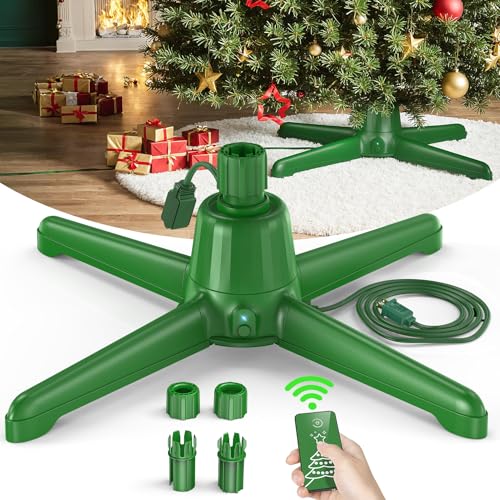


Christmas Tree Stands 101: The Basics
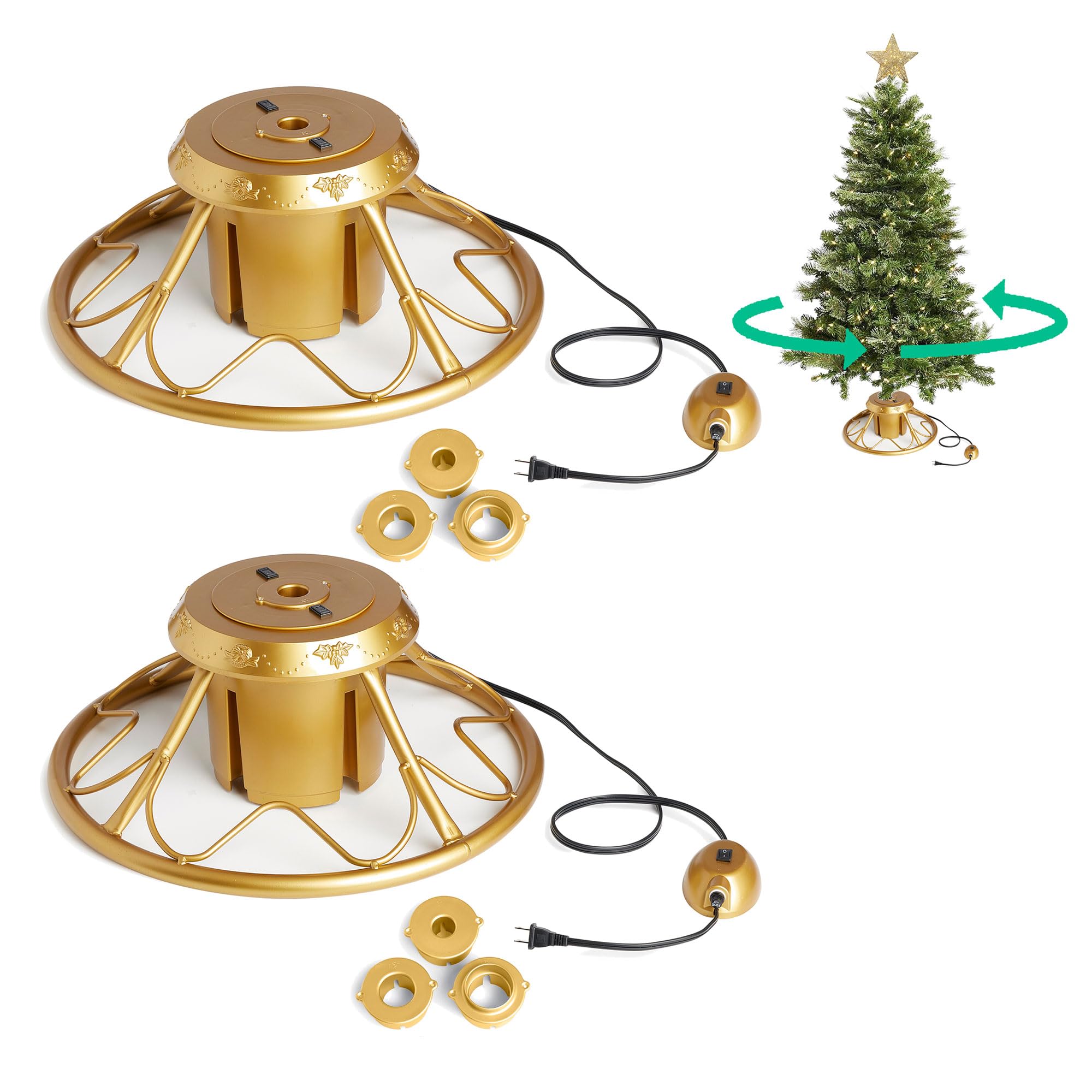
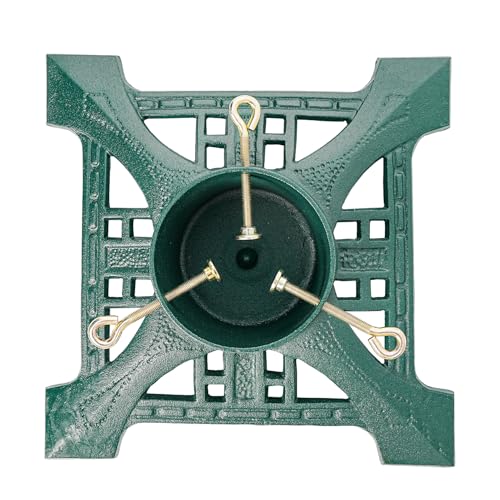
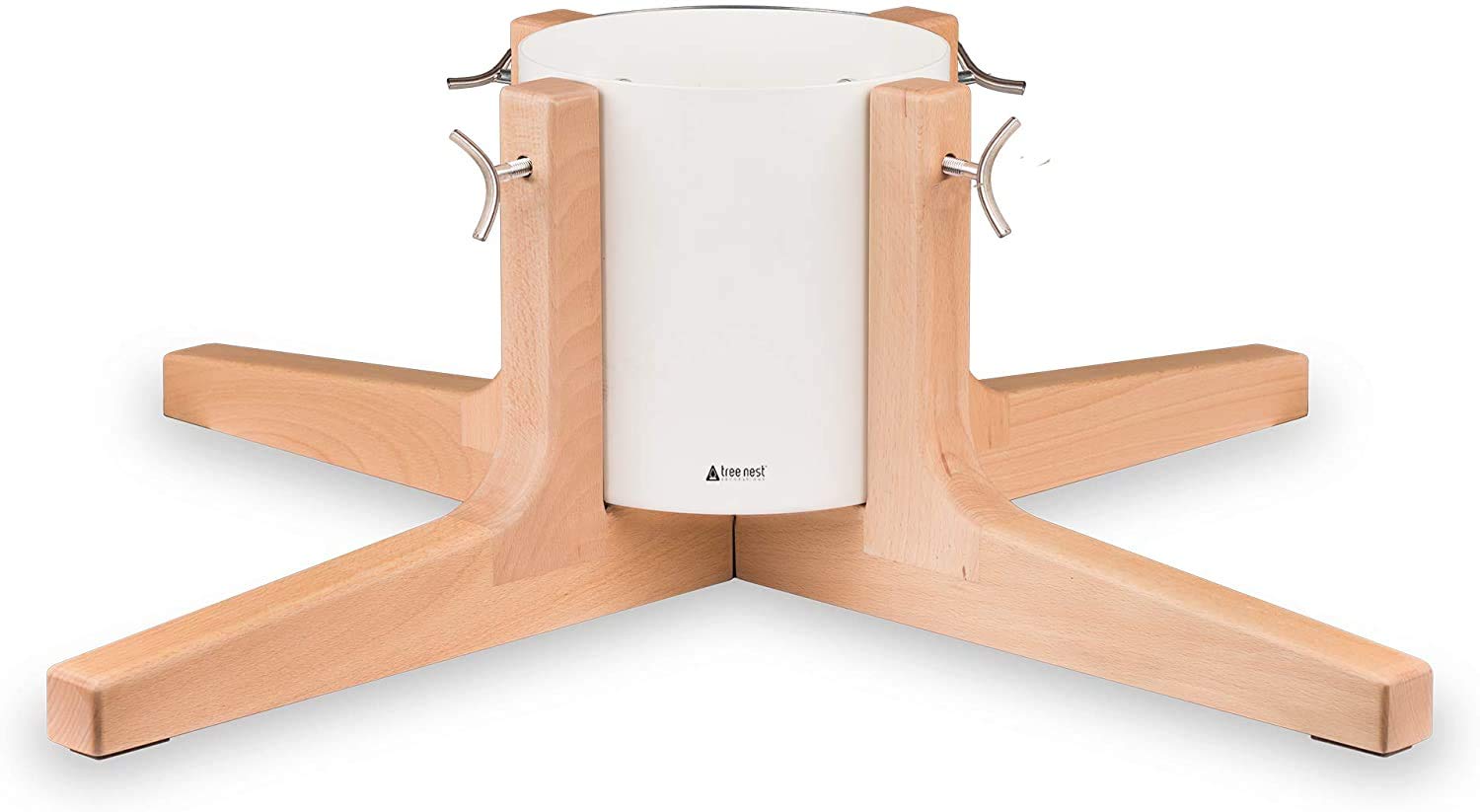
A christmas tree stand is a base that grips the trunk of a cut tree and holds it upright in your home. Most stands have a central cup or collar for the trunk, legs or a wide base for stability, and screws or a clamping ring that press against the trunk. Some stands also have a water reservoir around the trunk, which helps a real tree stay fresh longer. For an artificial tree, see our guide to best artificial christmas trees for a folding metal base that fits a pole.
The key terms are simple. Trunk diameter is the width of the trunk where it sits in the stand, and it must fit the cup without forcing. Tree height and weight tell you how much load the stand must support, and taller or fuller trees need a wider, heavier base.
Water capacity is the amount of water the reservoir holds, and a larger reservoir means less frequent refilling. Leveling means adjusting the stand so the tree stands straight, either with screws, a clamping ring, or adjustable feet.
Key Specs Explained in Plain English
Stand specs can look technical, but each one answers a practical question: will this stand hold my tree, will it stay steady, and will it be easy to set up? Read each spec with your tree in mind, and measure your trunk before you order. A stand that is too small for the trunk, or too light for the tree, will cause trouble no matter how good it looks.
Trunk Diameter and Tree Height
Trunk diameter is the first spec to check, because a trunk that is too wide will not fit the cup, and a trunk that is too narrow may slip. Measure the trunk at the point where it will sit in the stand, and compare it with the maker range for the stand. For tree height, use the maker guidance for the stand, and remember that a tall tree with a full shape puts more leverage on the base than a short, slim tree.
Base Size and Stability
Base size affects stability more than any other single factor. A wide base spreads the weight of the tree over a larger area, which helps resist tipping when the tree is bumped or when ornaments add weight to one side. Legs that splay outward can add stability, but they also take up more floor space, so measure the spot where the tree will stand.
Check how the stand grips the trunk. Screws that press into the trunk, a clamping ring, or a combination of both can all work, as long as they hold the trunk firmly without splitting it. A stand that lets the trunk rock will make leveling harder and may let the tree lean over time. If you have pets or small children who may bump the tree, a wider base and a firm grip matter even more.
Water Reservoir and Freshness
A water reservoir helps a real tree stay fresh by keeping the cut end of the trunk in water. A larger reservoir means you can go longer between refills, which matters because a fresh tree can drink a surprising amount of water in the first few days. Look for a reservoir that is easy to fill without moving the tree, such as a wide opening or a funnel shape.
Water capacity is usually given in quarts or gallons, and a larger capacity suits taller trees and warmer rooms. Check the water level each day, and refill before the water drops below the cut end of the trunk. If the cut end dries out, the tree may stop taking up water as well, even if you refill later. For artificial trees, water capacity does not apply, so focus on base stability and pole fit instead.
Material and Build Quality
Stand materials include metal, plastic, and combinations of both, and each has trade offs. Metal stands are often heavier and sturdier, which helps stability, but they can be heavier to move and may scratch floors if they lack pads. Plastic stands are lighter and easier to carry, but a thin plastic base may flex under a heavy tree.
Build quality also shows in the finish and the feet. Feet with pads or a non slip surface can protect floors and reduce sliding, while sharp edges or rough welds can snag a tree skirt or scratch a floor. If the stand will be used year after year, a sturdier build is worth more than a low price, because a stand that fails on setup day can ruin the whole display. Check the maker weight rating, and do not exceed it.
Ease of Setup and Leveling
Ease of setup matters most when you are working with a tall, heavy tree and limited help. A stand with a wide opening, clear screw handles, and a simple leveling method can make setup much less stressful. Some stands use a single clamping ring that tightens around the trunk, while others use several screws that you adjust one at a time. A clamping ring can be faster, but screws can give finer control when the trunk is not perfectly straight.
Leveling means making the tree stand straight from every angle, not just from the front. Step back and check the tree from two sides, and adjust the screws or feet a little at a time. A stand that lets you level the tree without lifting the whole tree is easier to use, especially for taller trees.
Rookie Mistakes to Avoid
Most leaning or drying trees come from a few common mistakes, and all of them are easy to avoid with a little planning.
- Choosing a stand that is too small for the trunk, which leads to a loose fit and a tree that rocks.
- Skipping the trunk measurement, and guessing the size from the tree height alone.
- Forgetting to check the water level each day, so the cut end dries out and the tree drops needles early.
- Setting up the tree on an uneven surface, which makes leveling much harder and can cause a lean.
- Overloading one side with heavy ornaments, which can tip a tree that was already close to its stability limit.
Getting Started: Setup and First Use
Start by measuring your trunk and your floor space, and clear a spot with room for the base and for walking around the tree. Place the stand on a flat surface, and check that the feet sit evenly before you lift the tree into place. If you are using a real tree, make a fresh cut across the trunk if the maker or seller advises it, and place the trunk in the stand right away so the cut end stays moist. For ornament ideas once the tree is level, see our guide to best christmas tree ornament sets.
Once the tree is in the stand, tighten the screws or clamp a little at a time, and check the tree from two sides as you go. Fill the reservoir with water, and check the level again after a few hours, since a fresh tree may drink quickly at first.
Try the stand at home before you add lights and ornaments, so you can adjust the level while the tree is still light. Store the stand clean and dry after the season, so screws and clamps stay smooth for next year. When you are ready to decorate, see our guide to best christmas tree decoration sets for ideas that suit your tree size.
Christmas Tree Stands: Your Questions Answered
What Size Stand Do I Need for My Tree?
The size you need depends on your trunk diameter and your tree height, not on height alone. Measure the trunk where it will sit in the stand, and choose a stand whose stated trunk range covers that measurement with room to spare. Then check the maker height and weight guidance, and pick a wider base if your tree is tall, full, or near the top of the range.
How Often Should I Add Water to a Real Tree?
Check the water level every day, and add water whenever it drops near the cut end of the trunk. A fresh tree may drink a lot in the first few days, so you may need to refill more than once a day at first, then less often as the tree settles. A larger reservoir can stretch the time between refills, but it does not remove the need for daily checks.
Can One Stand Work for Real and Artificial Trees?
Some stands work for both real and artificial trees, but many are made for one type only, so check the maker guidance before you buy. Real tree stands need a water reservoir and a cup that grips a natural trunk, while artificial tree stands need a base that fits a metal pole. A stand made for an artificial tree may not hold a real trunk safely, and a real tree stand may not fit an artificial pole.
How Do I Keep My Tree Straight in the Stand?
Keep your tree straight by starting with a straight trunk cut, centering the trunk in the cup, and tightening the screws or clamp evenly. Check the tree from two sides, not just from the front, and make small adjustments until it looks straight from both angles. Avoid forcing a crooked trunk straight with screws alone, since that can split the trunk or damage the stand.
When Should I Replace a Christmas Tree Stand?
Replace a stand when the cup wobbles, screws no longer tighten smoothly, legs bend, or the base cracks or flexes under load. Rust, stripped threads, and missing feet can also make a stand unsafe, even if it still looks usable. A stand that held a small tree may not be safe for a taller tree, so check the weight rating when you change tree size.
Wrapping Up
The best stand for you is the one that fits your trunk, supports your tree height, and lets you level the tree with ease. Measure the trunk, check the base size and water capacity, and choose a build that will last through many seasons. Review the product table above, compare the stands that fit your tree, and pick the one that gives you a stable, straight tree with the least fuss on setup day. For best christmas tree stands that you will use year after year, fit and stability matter more than any single extra feature.