Best Chopsticks Menu: Dishes to Order and Terms to Know
Disclosure: We may earn a commission when you buy through links on this page, at no extra cost to you. As an Amazon Associate I earn from qualifying purchases. Learn more
A guide to the best chopsticks menu: common dishes, helpful menu terms, easy and hard foods to eat with chopsticks, and how to build a balanced order.
When people search for the best chopsticks menu, they are usually looking at a restaurant menu and wondering which dishes are worth ordering and how to tell them apart. This guide works as a field guide to that menu. It explains the dishes that are normally eaten with chopsticks, translates common menu terms, and shows how to build an order that has variety without confusion.
Every restaurant writes its own menu, so treat this as a map of the territory and let the restaurant's current list decide the details.
What the Best Chopsticks Menu Usually Includes
Restaurants that lean on chopsticks tend to serve dishes from East and Southeast Asian kitchens. You will often see noodles, dumplings, rice dishes, stir fries, soups, grilled skewers, and shared platters. Some menus focus on one tradition, while others mix several, so the same page may list a Japanese ramen next to a Chinese stir fry and a Korean rice bowl.
Menus are normally organized by course or by main ingredient. Starters and small plates come first, followed by soups, noodles, rice, and main dishes. Knowing that structure lets you scan the page quickly and find what you want.
Chinese Style Dishes
Chinese menus are built around sharing. Dishes arrive in the center of the table, and each person takes a little of everything. Common choices include stir fried vegetables, braised meats, dumplings, noodle dishes, and soups. Many menus list dishes by cooking style, such as stir fried, steamed, braised, or deep fried, which is a quick hint at the texture you will get.
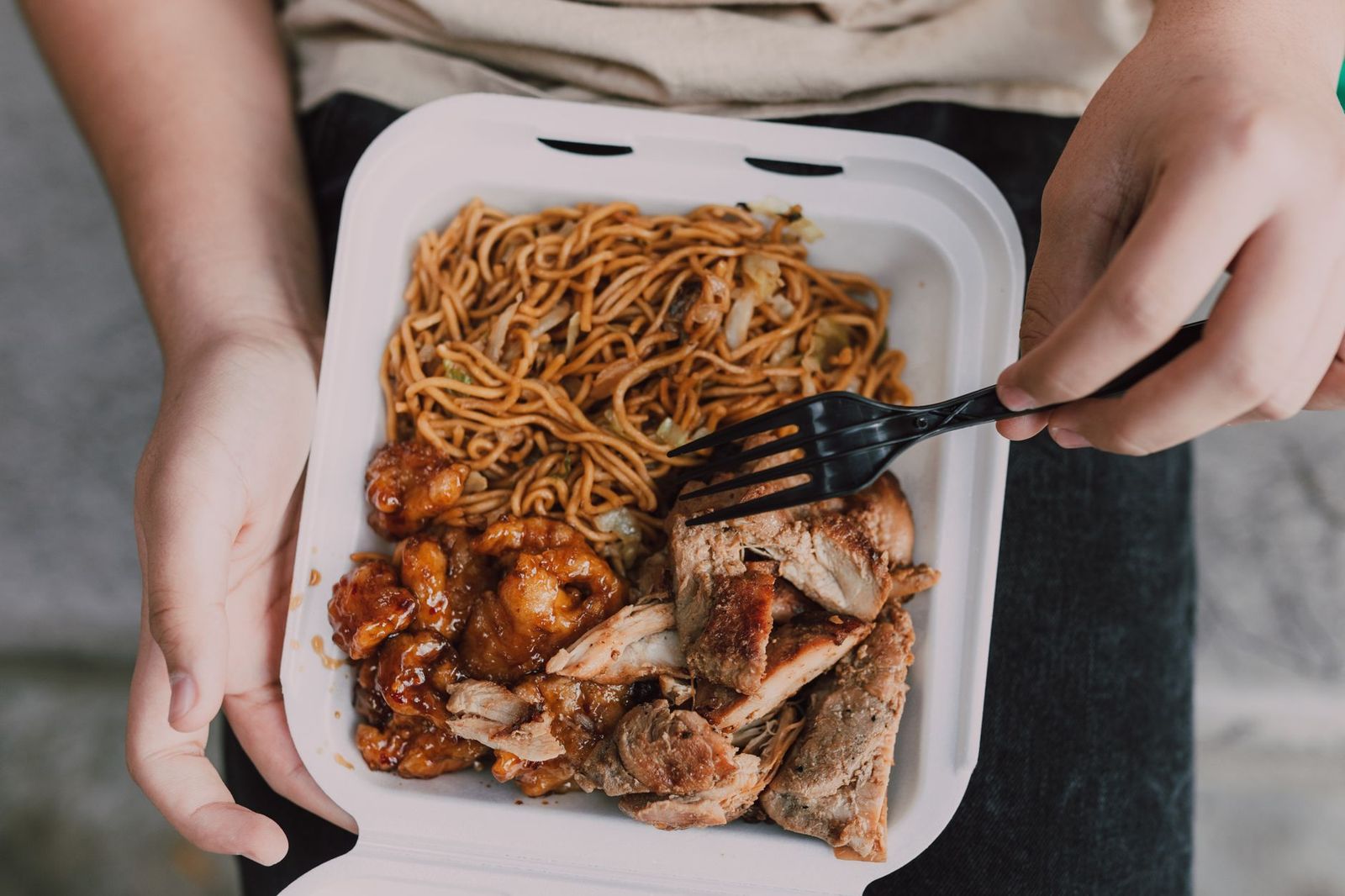
Look for words like lo mein, which means tossed soft noodles, and chow mein, which usually means fried noodles. Mapo tofu is a spicy dish with tofu in a chili and bean sauce. Dim sum is a style of small steamed or fried dishes, often served at brunch and lunch.
Japanese Style Dishes
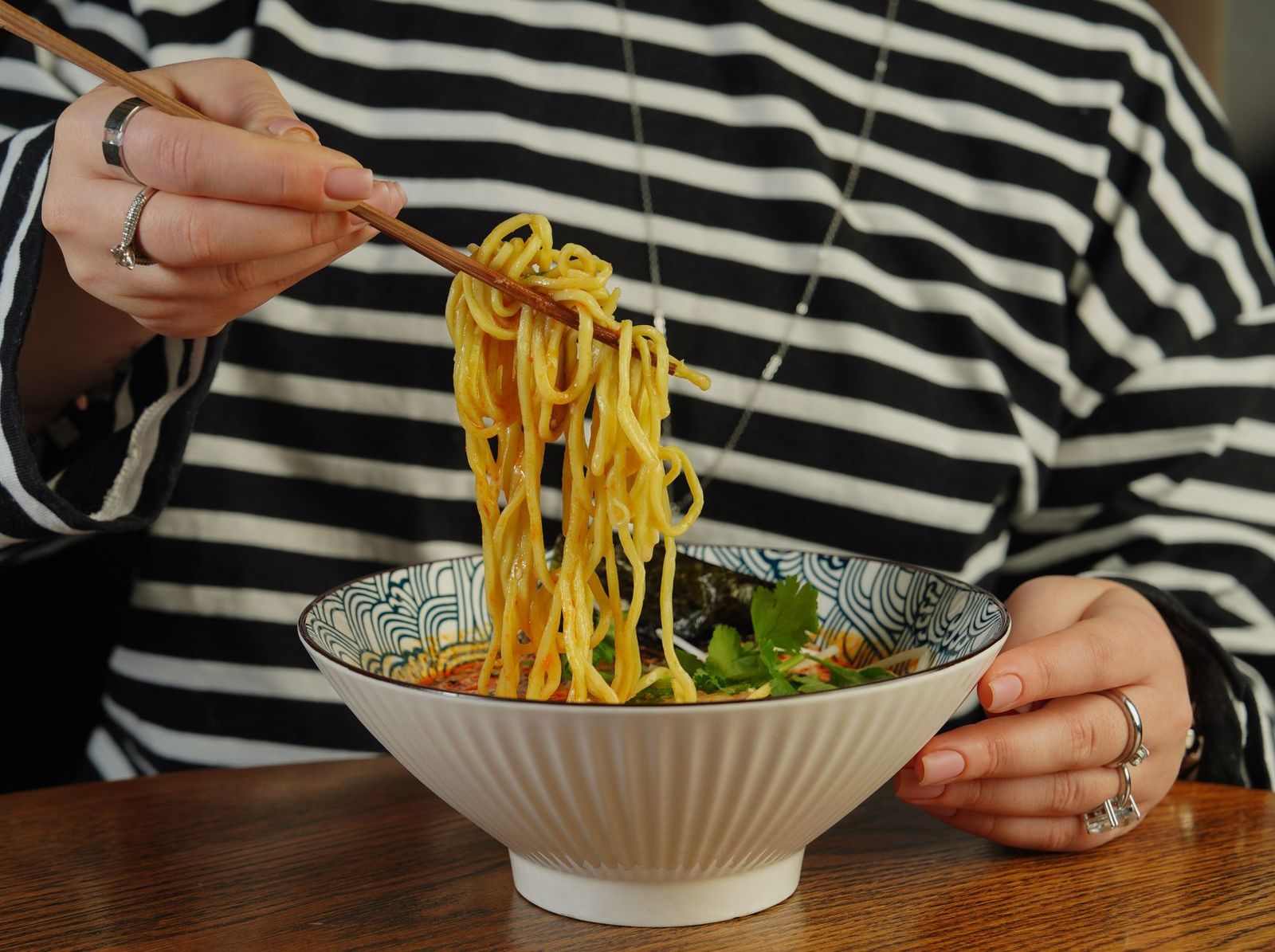
Japanese menus often feature noodles, rice bowls, grilled items, and sushi. Ramen is a wheat noodle in a rich broth, udon is a thick wheat noodle, and soba is a thinner buckwheat noodle served hot or cold. Donburi is a rice bowl topped with meat, fish, or egg, and tempura is lightly battered fried seafood or vegetables.
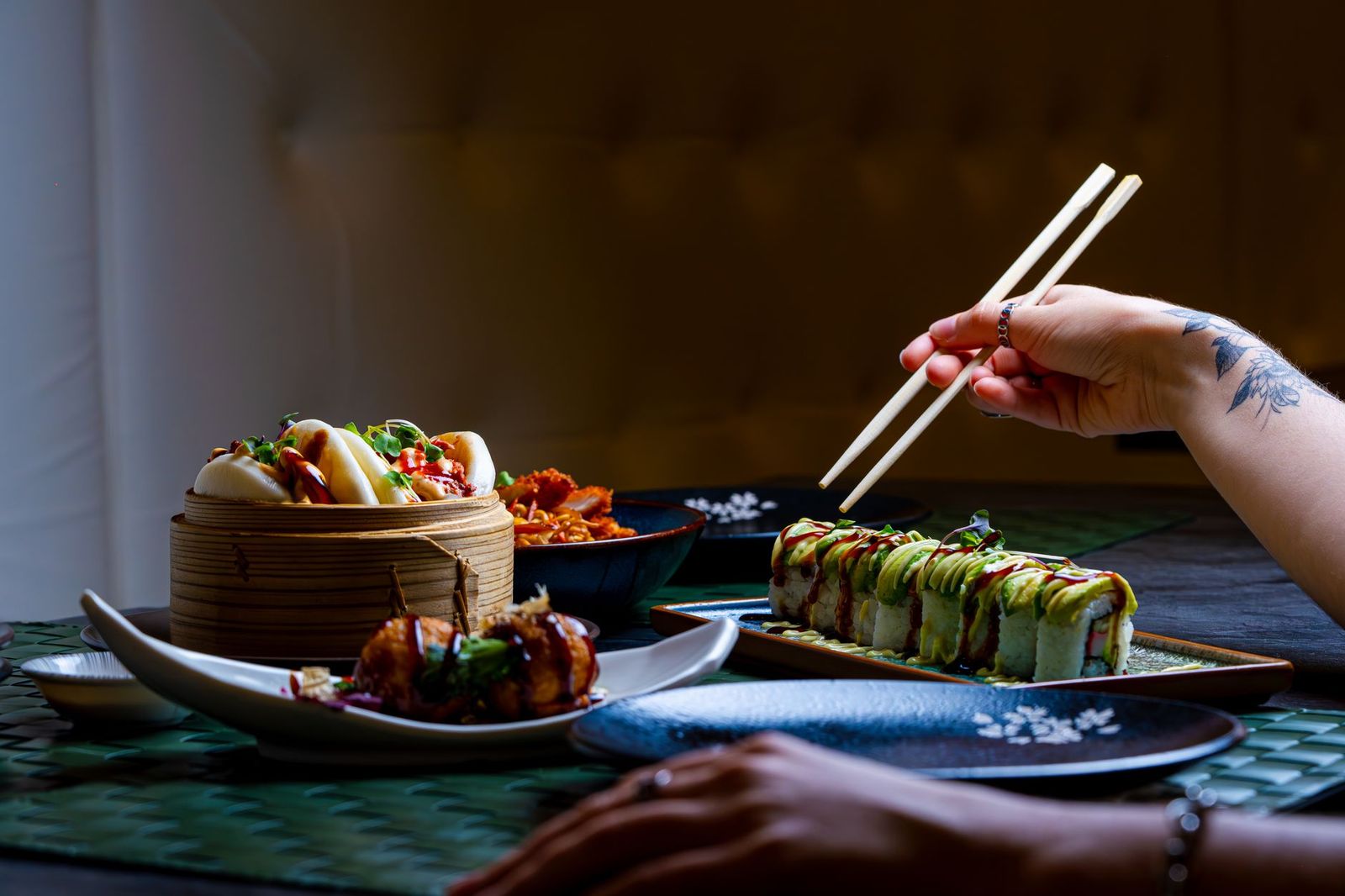
Sushi and sashimi appear in their own sections. Sushi pairs fish with rice, while sashimi is sliced fish alone. Soy sauce, pickled ginger, and wasabi usually come on the side.
Korean and Southeast Asian Dishes
Korean menus include bibimbap, a rice bowl with vegetables and a fried egg, bulgogi, which is marinated grilled beef, and a long list of small side dishes called banchan. Many Korean restaurants use metal chopsticks and a spoon, a pairing designed for rice and stews.
Vietnamese and Thai menus add fresh herbs, lime, and chili. Pho is a fragrant noodle soup, banh mi is a baguette sandwich, and pad thai is a stir fried rice noodle dish. Curries and rice noodle salads round out many menus, and they are often easy to eat with a fork and spoon if chopsticks feel tricky.
Foods That Are Easy and Hard With Chopsticks
Some foods suit chopsticks better than others. Noodles, dumplings, stir fried vegetables, and pieces of meat are easy to pick up once your grip is steady. Slippery foods such as tofu, soft eggs, and wet noodles in broth are harder, and loose rice takes patience.
- Easier: dumplings, chunks of chicken or beef, cooked broccoli, sushi rolls.
- Harder: soft tofu, peas, loose rice, noodles in slippery sauces.
- Better with a spoon: soups and brothy dishes, which are usually served with one.
If you are still learning, order one easy dish and one challenging dish so the meal stays fun. For more on picking tools that grip well, see our guides to the best material for chopsticks and best quality chopsticks.
How to Build a Balanced Order
Aim for contrast. Pair something crisp with something soft, something mild with something spicy, and something light with something rich. A typical order for three people might include a dumpling starter, a noodle dish, a vegetable dish, a protein main, and rice. If anyone is new to the cuisine, add one dish that is familiar and mild.
For local examples of menu planning, see the best chopsticks bellingham menu guide.
Spice and Heat Levels
Heat is the most personal part of any order. Menus mark spicy dishes with a chili symbol or the word spicy, but the scale differs from kitchen to kitchen, and a dish that one cook calls medium may feel hot to you. Ask how the kitchen rates its heat, and order a mild version first if you are unsure. You can always add chili oil or hot sauce at the table, while you cannot remove heat from a finished dish. Cooling sides such as plain rice, cucumber, and a cold drink help balance a bold meal.
Drinks and Sides That Pair Well
Tea is the traditional partner for many of these meals, and its light bitterness cuts through rich, fried dishes. Cold beer or sparkling water also works with spicy food, and a sweet drink balances chili heat. For sides, steamed rice suits saucy dishes, pickled vegetables add crunch to rich meals, and a simple soup rounds out a spread. If you are ordering for a crowd, one pot of tea and a pitcher of water cover most needs.
Menu Terms Worth Knowing
- Stir fried: cooked quickly in a hot pan with oil and sauce.
- Braised: cooked slowly in a sauce until tender.
- House special: a dish the restaurant is known for, often with a mix of proteins.
- Family style: dishes meant to be shared, usually larger in size.
- Lunch special: a smaller, cheaper plate available during daytime hours.
Common Questions
How much should I order?
One main dish for every two people plus rice for the table is a good start. Add an appetizer or a second noodle dish for a bigger group.
Are menu photos reliable?
They show what a dish looks like at its best, but not the portion size, so ask your server if you are unsure.
What is a good first dish for someone new?
Fried rice, a simple noodle dish, or dumplings are friendly and familiar, and they work well for practicing with chopsticks.
Can I order without meat?
Most menus have tofu and vegetable dishes, but check whether sauces and broths are made with meat or fish.
Final Thoughts
A menu is easier to enjoy once you know how it is organized and which dishes suit your table. With a little vocabulary and a plan, the best chopsticks menu choice for your next meal becomes a simple, tasty decision rather than a long squint at a page of unfamiliar words.