
Best Christmas Rugs: Buying Guide for 2026
Disclosure: We may earn a commission when you buy through links on this page, at no extra cost to you. As an Amazon Associate I earn from qualifying purchases. Learn more
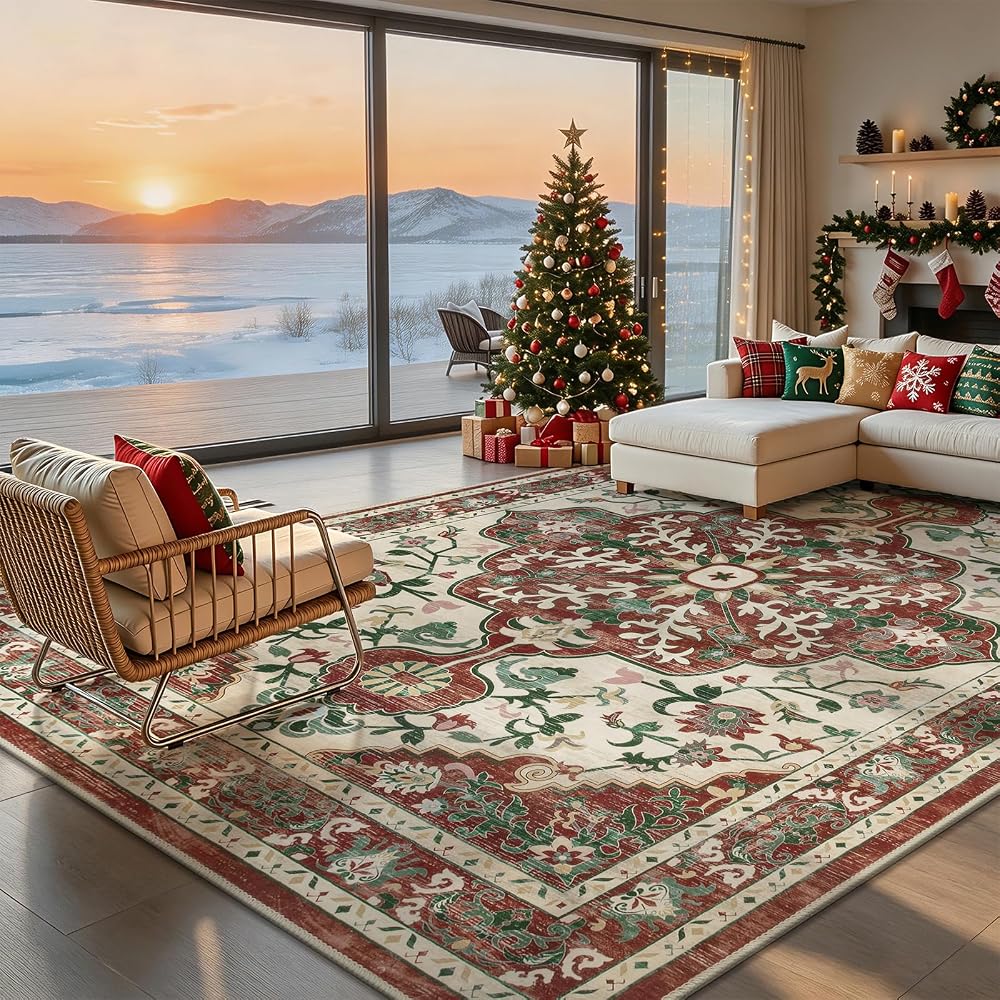
Choose the best christmas rugs by size, pile, material and backing for entryways, living rooms and dining spaces.
A holiday rug has to survive boots, tree needles, spilled cocoa, and daily foot traffic while still looking cheerful. That is a harder job than a normal accent rug faces in a quiet month. This guide helps you choose the best christmas rugs by room, size, pile, and material, so you can use the comparison table below with clear priorities.
Start by naming the room and the traffic it gets. An entry rug needs grip and easy shaking, while a living room rug under a tree needs size and a surface that releases needles when you vacuum.
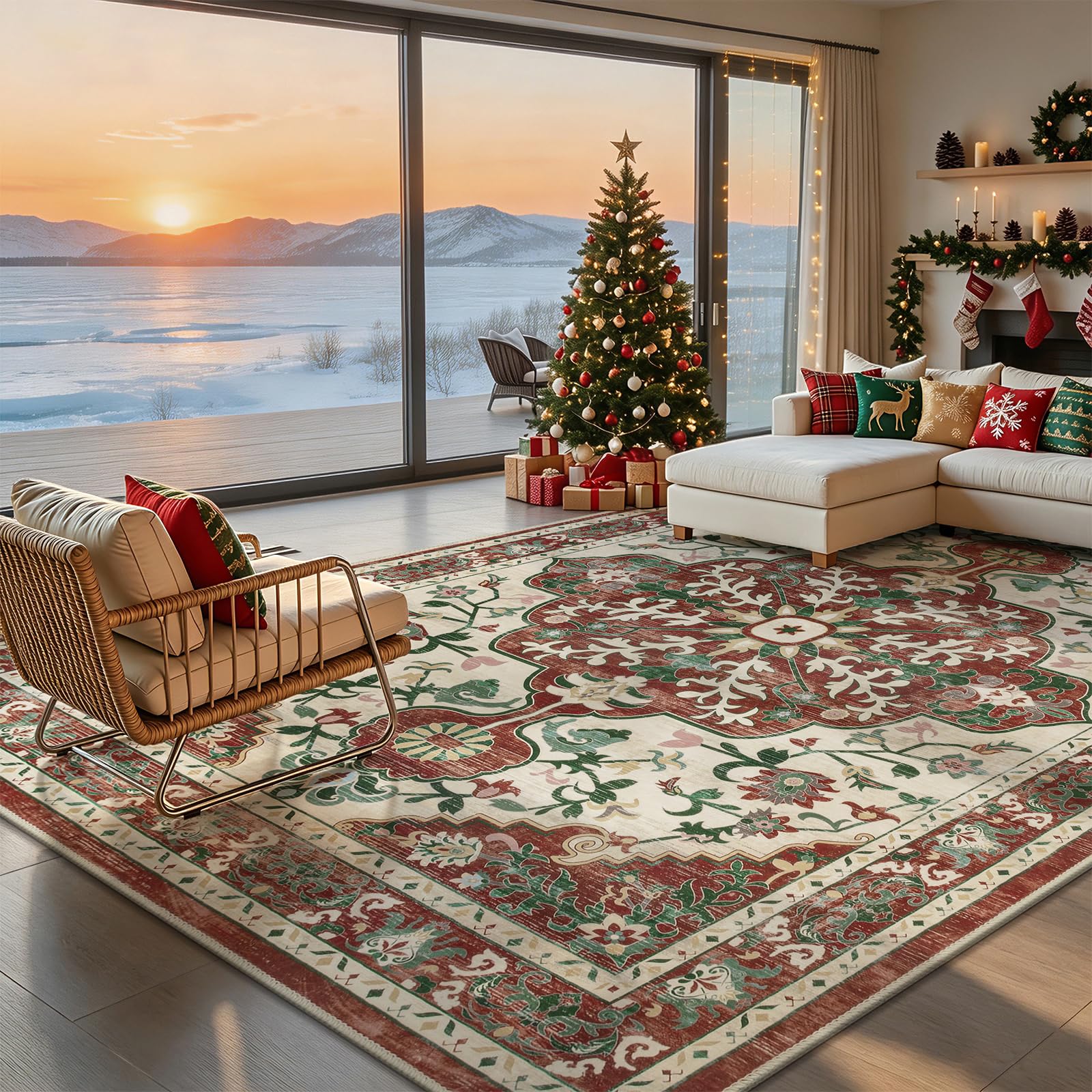

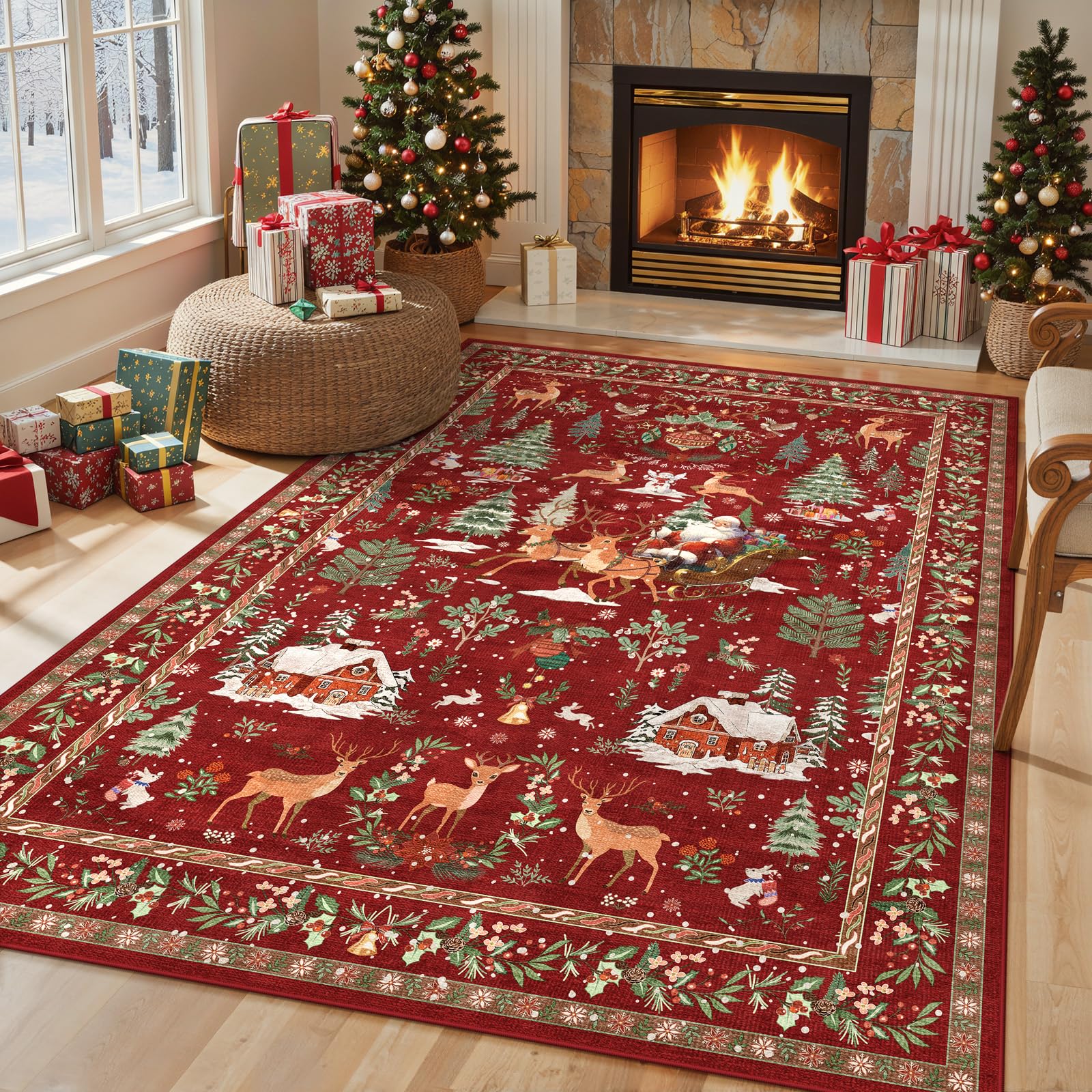

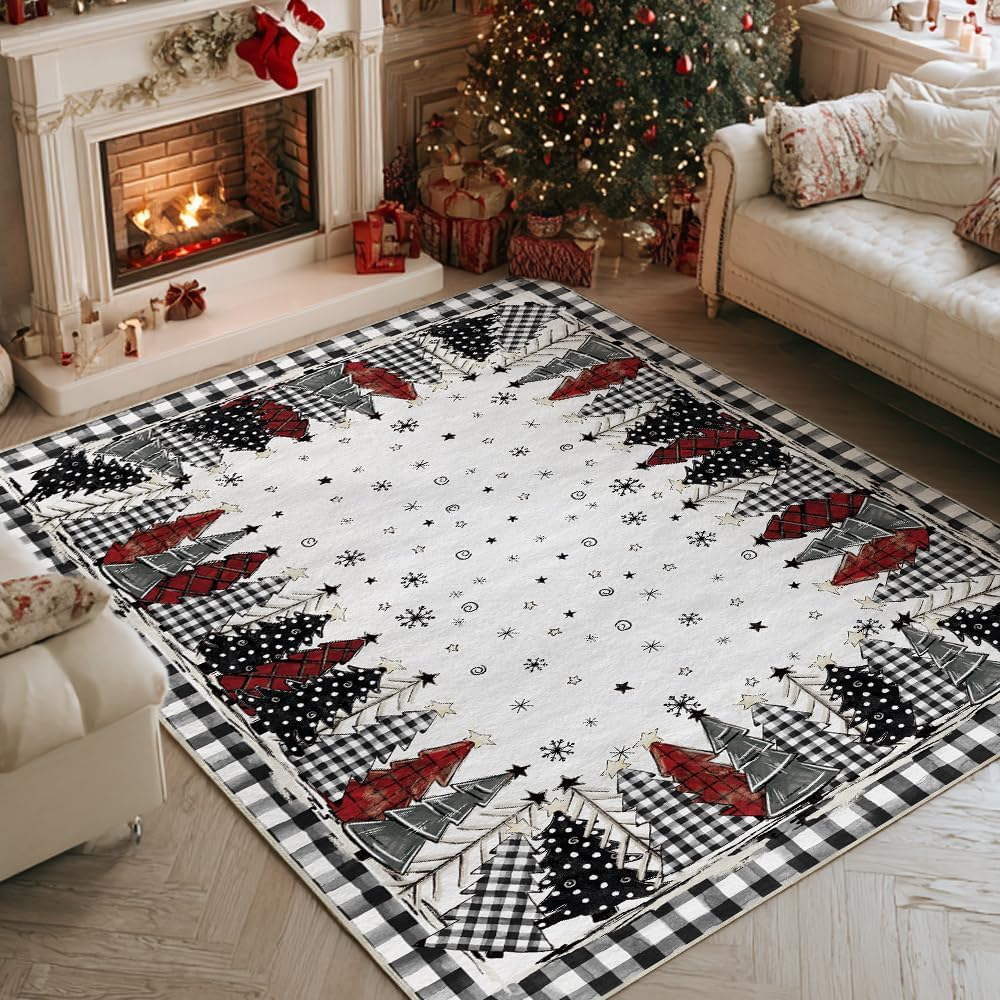
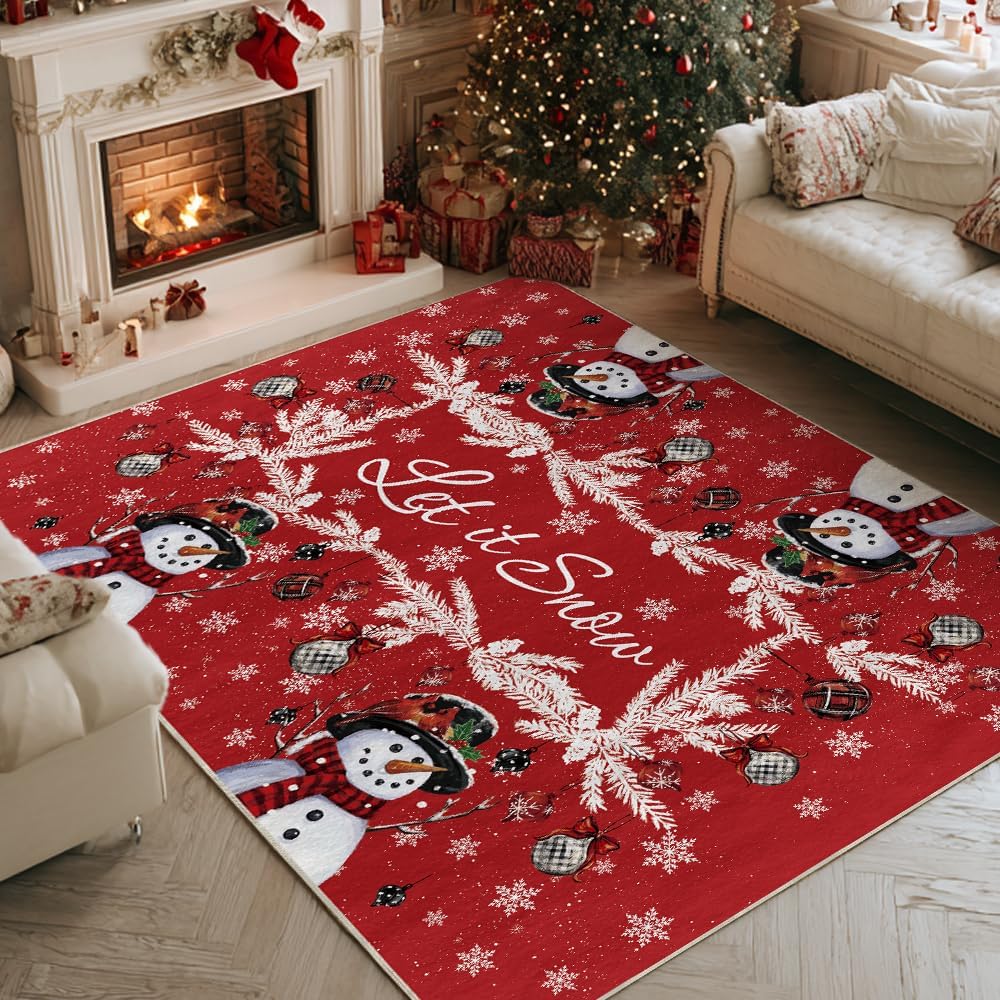
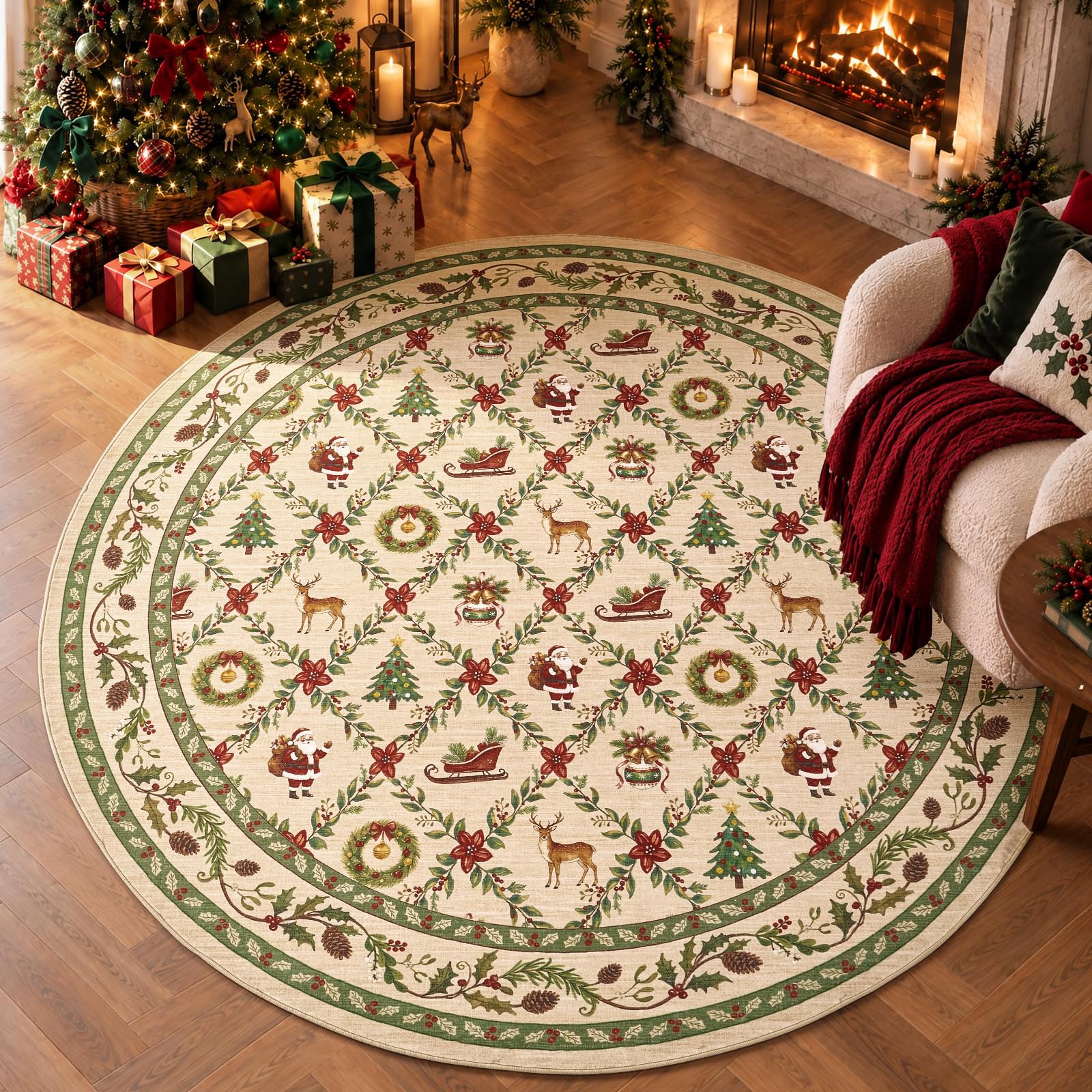
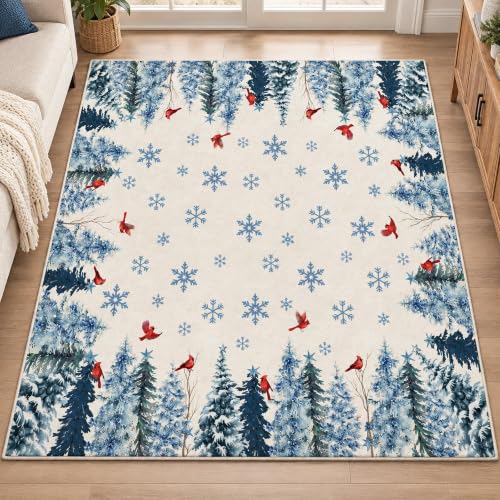
Three Price Tiers at a Glance
Use tiers instead of chasing a single model. Holiday rugs range from small door mats to large area rugs, so compare price within the same size. A low price on a tiny rug is not a bargain if you needed full coverage.
Mid Tier
For a living room area rug, this tier often runs about $80 to $200 depending on size. Expect denser pile or flat weave with clean edges, color that stays true in person, and a backing that lies flat without curling corners. This tier suits the main room where guests gather and photos get taken, because the rug will be seen up close and walked on daily. Look for clear care instructions and a return window that lets you check color under your own lights.
Value Tier
Value rugs often cost around $30 to $80 for medium sizes. They tend to use synthetic fibers, printed designs, and thinner pile that is easy to vacuum and store. That is a smart fit for entryways, kitchens, and kids areas where spills are likely and you would rather replace than worry. Check that edges are finished so they do not fray, and confirm the backing type, since some thin rugs slide badly on smooth floors without a pad beneath them.
Premium Tier
Premium rugs can cost about $200 to $450 or more for large sizes. At this level look for wool or wool blends, woven rather than only printed pattern, richer color depth, and edges that stay flat season after season. Premium makes sense for a classic plaid or winter scene you plan to reuse for many years in a formal living room. It makes less sense for a novelty print tied to one passing trend, because storage and care costs add up for a rug used only a few weeks each year.
How to Choose the Best Christmas Rugs: Buying Guide
This is the core decision section. Work through size first, then pile, then material, because a beautiful rug in the wrong size will bother you every day you use it.
Size and Fit
Measure the space and mark the rug outline on the floor with painter tape before you buy. In a living room, front legs of sofas and chairs should usually sit on the rug so the seating area feels connected. In a dining room, the rug should extend beyond the table enough that chairs stay on it when pulled out, often about 24 inches on each side. For an entry, leave clearance for the door swing. Getting size right matters more than any pattern choice, and it is the top reason rugs get returned.
Pile Height and Traffic
Low pile rugs suit busy areas because doors clear them, chair legs move easily, and vacuums pick up needles and crumbs without fighting deep fibers. Medium pile feels softer underfoot in a living room but needs more care to keep clean. High pile looks cozy in photos yet traps debris and can show crushed paths where people walk. If anyone in the home uses a walker or wheelchair, low pile with firm backing is far easier and safer to move across than a thick plush surface.
Material and Feel
Wool feels warm, resists crushing, and hides soil well, but it costs more and may shed at first. Cotton rugs feel casual, wash more easily in small sizes, and suit kitchens and entries. Synthetic fibers such as polyester and polypropylene handle moisture and stains well and hold bright holiday color at lower cost, which is why most seasonal rugs use them. Blends try to balance softness and durability. Touch matters in bare feet areas such as bedrooms, while stain behavior matters more under a dining table or near a front door.
Backing and Safety
Backing decides whether a rug stays put. Rubber style backing grips smooth floors but can react with some floor finishes over time, so check guidance for your floor type. Rugs without grip need a separate pad, which also adds cushion and protects the floor. On stairs, a seasonal rug or runner must be secured firmly or not used at all, since a loose edge is a fall risk. For stair safe options and fitting advice, see our guide to the best rugs for stairs before you decorate steps.
Durability and Care
Ask how the rug cleans before you need the answer on Christmas Eve. Small cotton and synthetic rugs may be machine washable, while large area rugs usually need spot cleaning and a thorough vacuum. Printed designs can fade with harsh cleaners, so mild soap and a small spot check are wise. Edge binding, fiber density, and backing quality predict durability better than thickness alone. If you host pets, choose short pile and a pattern that hides hair and small stains between cleanings.
Color, Pattern, and Room Light
Holiday reds look different under warm evening light than in daylight photos online. Order with a return option when color must match a tree theme or existing decor. Busy patterns hide crumbs and needles well, which is practical in December, while simple plaids and borders show soil sooner but look calmer in small rooms. Consider the tree skirt, stockings, and sofa color as one picture. For broader quality markers across all rug types, our guide to the best quality rugs is a useful companion.
Storage and Off Season Life
A seasonal rug needs a storage plan. Roll it with the pile facing in, wrap it in breathable cloth, and store it dry so odors and mildew do not set in. Large rugs take real closet or attic space, so measure storage before buying the biggest size. Some buyers pick a winter design in muted tones that can stay in a basement family room longer, and our guide to the best rugs for basement covers moisture and padding for below grade rooms.
Types of Christmas Rugs
Wool
Wool rugs offer warmth, resilience, and a premium feel that suits formal living rooms. They resist flattening and look better with age when cared for well. Downsides are higher price, early shedding, and more careful cleaning. Choose wool when you want one classic design to return each year and you are willing to store it properly.
Cotton
Cotton rugs are light, casual, and often washable in smaller sizes, which suits kitchens, entries, and bathrooms. They lie flat and feel pleasant, but they absorb spills fast and can fade or wear sooner in heavy traffic. Cotton works well for short seasonal use where easy washing matters more than plush comfort.
Synthetic Fibers
Synthetic rugs dominate the holiday market because they hold bright color, resist stains, and cost less in large sizes. Polypropylene handles damp entries well, while polyester feels softer for living rooms. Quality varies widely, so check density and backing rather than fiber name alone. These rugs suit most families and pet owners.
Flat Weave and Low Pile Prints
Flat weave rugs give you bold holiday scenes with almost no pile to trap debris. Doors clear them easily and vacuuming is quick after tree setup. They offer little cushion, so add a pad in play areas. This type is ideal under dining tables, in halls, and anywhere chair legs or foot traffic would crush a thicker pile within days.
Care and Maintenance Tips
- Vacuum slowly in two directions to lift needles and grit from the base of the pile.
- Blot spills at once with a clean cloth, working from the edge inward to avoid spreading.
- Shake small rugs outside weekly during the season to remove loose dirt before it grinds in.
- Use a rug pad on smooth floors to stop sliding and reduce wear on the backing.
- Let a wet entry rug dry fully before placing it back, so moisture does not reach the floor.
- Roll for storage rather than folding, which prevents deep creases that may not relax.
For cleaning tools that will not damage pile or backing, see our guide to the best vacuums for rugs. Suction without a harsh beater setting is safer for looped or delicate rugs, so try it in a corner first.
FAQs
Is a higher pile height always better for Christmas rugs?
No, higher pile is not always better. Thick pile feels cozy but traps needles, slows doors, and makes chairs harder to move. Low pile wins in entries, dining rooms, and halls. Save medium pile for living rooms where comfort matters and traffic is moderate. Match pile to the room job first, then judge softness within that range.
What rug size is best for a living room Christmas tree?
Choose a rug that holds the tree and the front legs of nearby seating, which usually means going larger than you first guess. Tape the outline on the floor and place the tree stand inside it before buying. Leave walking paths clear around the rug edge. If the tree sits in a corner, a round or square rug can frame it better than a long rectangle.
Are washable Christmas rugs worth it for busy homes?
Yes, washable rugs are worth it where spills, pets, and muddy boots are common. The value is in fast recovery after a mess, not in luxury feel. Check the full size against your machine capacity, since a large rug may need a commercial machine. Thin washable rugs usually need a pad for cushion and grip, so budget for both pieces together.
How do I stop a Christmas rug from sliding?
Use a quality rug pad cut slightly smaller than the rug, or choose a backing made to grip your floor type. Clean dust from the floor first, since grit breaks grip. Tape is a short term fix for light rugs in low traffic spots only. Never rely on furniture weight alone in an entry where people step and turn quickly.
How often should I replace my Christmas rug?
Replace it when backing crumbles, edges curl and will not lie flat, or stains and fading spoil the look. A curled edge is also a trip risk, so do not keep a rug that will not flatten after cleaning and weight. With seasonal use and dry storage, a sound rug lasts many years. Heavy daily use in an entry shortens that life a lot.
Final Thoughts
Size, pile, and backing matter more than the print you fell for first. Measure, tape the outline, and match material to the room traffic, then use the product table above to compare options fairly. Done that way, best christmas rugs add warmth and color without becoming a daily annoyance. If the tree area needs work too, our guide to the best artificial christmas trees helps you plan the full corner.


