
Best Christmas Light Sets: A First Time Buyer's Guide for 2026
Disclosure: We may earn a commission when you buy through links on this page, at no extra cost to you. As an Amazon Associate I earn from qualifying purchases. Learn more

Shopping for the best christmas light sets for the first time? Learn the terms, compare options, and avoid rookie mistakes with this easy guide.
Buying lights for the first time can feel confusing because boxes list bulb counts, wire colors, and functions you may never have used before. This guide walks you from the basic terms to a calm buying decision, so you can choose the best christmas light sets for your home without guessing.
You will learn how sets differ for trees, windows, and outdoor edges, and how to match length and brightness to your space. Start with the comparison table below, then use the sections that follow to check fit, safety, and running costs before you order.
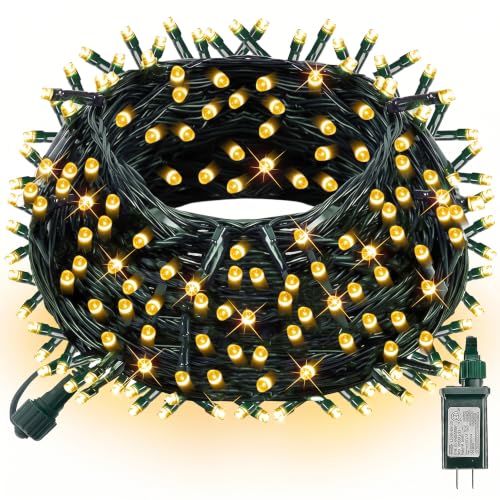


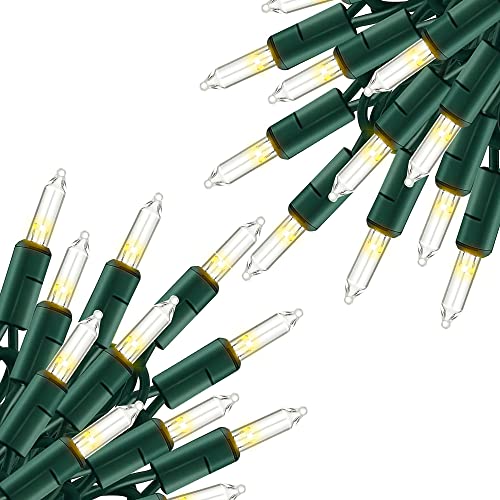


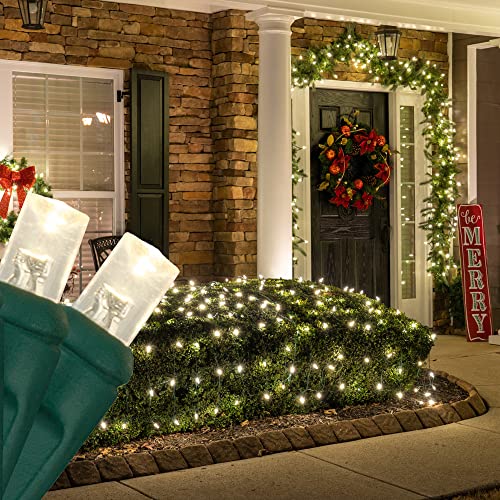


Christmas Light Sets 101: The Basics
A christmas light set is a connected string or net of small bulbs on a wire, sold as one ready to hang unit. You plug the set into power, or connect a small battery box, and the bulbs light in a steady glow or in patterns set by a built in controller.
Most sets today use LED bulbs, which stay cool to the touch and use far less power than older glass bulbs. You will see terms like strand length, bulb spacing, and connectable, which simply describe how long the wire is, how close the bulbs sit, and how many sets you can join end to end.
Sets come in forms for different jobs. String sets wrap trees and railings, net sets drape evenly over bushes, and icicle style sets hang in short drops along a roof edge or window frame.
Key Specs Explained in Plain English
Intended Use and Who It's For
Start by naming the exact job, because a set made for a small indoor tree will not cover a front porch well. Indoor sets suit trees, mantels, and windows inside the home, while outdoor rated sets handle rain, cold, and wind on fences and shrubs.
If you decorate one tree and one window, a few medium length sets give you more control than one very long set. Families who add a little more each year often prefer connectable sets, so new sections can join the display you already own.
Think about who will hang and store the lights too. Lightweight LED sets are easier for one person to handle on a ladder or step stool, and they put less strain on branches and gutters.
Ease of Use and Setup
Ease of use shows up in small details you will feel on the first night. Look for a clear control button or remote, simple mode labels, and plugs that fit together firmly without force.
A timer function is worth having because it turns the display on and off at the same hours each day. That saves daily trips outside in cold weather and keeps running costs predictable through the season.
Tangle resistant wire and bulbs that stay in place also matter more than fancy patterns. A set that unwinds cleanly from storage and wraps without twisting will save you time every single year you use it.
Size, Weight, and Fit for Your Space
Measure before you buy, using a soft tape or a length of string along the path the lights will follow. For a tree, a common planning guide is about 100 bulbs for each foot and a half of tree height, then adjust up if you like a fuller glow.
Check both the total strand length and the lit length, because many sets include a plain lead wire with no bulbs at the plug end. That lead needs to reach your outlet, so count it in your plan rather than discovering a shortfall later.
Weight matters outdoors, where heavy sets can pull clips loose and sag between fixing points. Lighter sets with closer fixing points stay neater on gutters and fences, and they are kinder to thin branches indoors.
Safety and Certifications
Safety comes first with any product that uses mains power outdoors. Choose sets with a recognized safety listing from a certification body, intact insulation, and a plug and controller marked as suitable for outdoor use if you plan to hang them outside.
Never use an indoor only set outdoors, and never run a wire through a window or door that will pinch it shut. Keep plugs and connections off wet ground, use an outdoor rated extension lead, and switch everything off before you adjust bulbs or clips.
LED bulbs stay cool, which lowers risk around dry tree branches, paper decor, and curious pets. Still, inspect each set before use, discard any set with cut wire or cracked bulb housings, and keep small loose bulbs away from young children.
Maintenance and Long Term Costs
Running costs are low with LED sets, but replacement and storage decide the true long term value. A set with replaceable bulbs or a spare fuse in the plug can be repaired in minutes, while a sealed set may need full replacement when one section fails.
Storage is part of maintenance too. Sets wound neatly on a card or reel, kept dry and out of a hot attic, come out working the next season instead of tangled and damaged.
Budget for clips, a timer plug, and a storage box if you do not own them yet. Those small costs protect the main purchase, and they make setup faster and safer each year.
Rookie Mistakes to Avoid
- Buying by bulb count alone. A high bulb count on a short wire can look crowded, while the same count spread over a longer wire may look sparse. Compare lit length and spacing together.
- Skipping the outlet plan. Many first displays fail because the lead wire cannot reach power. Map outlets first, then choose strand lengths and extension leads to match.
- Mixing sets that cannot connect. Plugs and voltage differ between brands and bulb types. Join only sets the maker says can connect, and stay under the stated limit.
- Skipping the floor check. Plug every set in on the floor before you hang it. Finding a dead section while it is still in your hands takes seconds to fix.
- Storing lights loose in a box. Loose storage creates tangles and bent wire that shorten the life of the set. Wind each set neatly and label its length and location.
One more common error is choosing pure bright white for every spot without checking the tone at home. Warm white feels cozy indoors, while cooler white can look sharper outdoors against snow or pale walls, so order one set first if you plan a large matching display.
Getting Started: Setup and First Use
Read the manual before first use, even if the set looks simple. It states the connection limit, the correct replacement fuse, and which parts may go outdoors, and those limits protect both the set and your home wiring.
Unwind the set fully, plug it in, and run through every light mode before hanging. Then hang from the top or the far end and work toward the outlet, fixing clips as you go so the wire never carries the full weight alone.
Clean and inspect regularly through the season, especially after storms outdoors. Wipe dust from indoor sets with a dry cloth while unplugged, check that clips still hold, and at pack away time note any weak section on the storage label for repair or replacement.
If you plan a larger outdoor display next year, you may also want to see our guide to the best outdoor christmas light sets for roof and garden specific advice. Readers building a wider holiday scheme at home often compare decor groupings in our guide to the best christmas sets as well.
Frequently Asked Questions
How long does a christmas light set last?
A quality LED set often lasts for many seasons, commonly five years or more with careful storage. Life depends less on bulb hours and more on wire damage, water in connections, and rough handling during hanging and pack away. Storing sets dry, wound neatly, and away from heat is the single habit that adds the most extra seasons of use.
Are expensive christmas light sets worth it?
They can be worth it when the higher price buys thicker wire, better weather sealing, and a longer warranty. Those gains matter most outdoors, where failure means ladder work in cold weather. For a small indoor tree used a few weeks a year, a mid priced set with a safety listing and a timer usually gives the best balance of cost and service.
How much should I spend on a christmas light set?
Most first time buyers do well in the range of about $15 to $40 per set, depending on length and outdoor rating. Spend toward the top of that range for long or outdoor sets, and toward the lower end for short indoor accent sets. Keep a little budget aside for clips, a timer, and storage, because those extras improve the result more than one extra light mode.
How do I maintain a christmas light set?
Unplug the set, wipe bulbs and wire with a dry or barely damp cloth, and let everything dry fully before storage. Check plugs, fuses, and bulb housings for cracks, and replace a blown fuse only with the same rating stated in the manual. Wind the set on a card or reel, store it in a dry indoor spot, and avoid heavy items resting on top.
What features matter most when buying christmas light sets?
The features that matter most are correct length, a proper indoor or outdoor rating, and a safety listing you can verify. After those, a timer and connectable plugs add the most daily convenience. Extra light modes and remote extras are pleasant, but they should never come before wire quality, weather sealing, and a clear stated limit for joining sets together.
Wrapping Up
For a first display, keep the decision simple: measure your space, choose the right rating for indoor or outdoor use, and pick LED sets with a timer and a clear connection limit. Those three checks prevent nearly every common problem new buyers face.
Compare your shortlist in the product table above, and picture each set on your own tree, window, or porch before you order. Chosen with care, the best christmas light sets will come out of storage ready to glow for many seasons, with little fuss and low running cost.
As your display grows, small lit scenes can add charm on a shelf or table. If that idea appeals to you, see our guide to the best christmas village sets and our guide to the best christmas nativity sets for related seasonal decor that pairs well with warm white lighting.


