Best Chlorella Tablets 2026: A Practical Buying Guide
Disclosure: We may earn a commission when you buy through links on this page, at no extra cost to you. As an Amazon Associate I earn from qualifying purchases. Learn more

A plain guide to the best chlorella tablets: reading labels, cost per serving, tablet size, and questions to ask a pharmacist.
Chlorella is a single celled green alga sold as tablets, capsules, and powder, and the label on a bottle tells you far more than the front of the box does. The best chlorella tablets for you are the ones with a clear ingredient list, an honest serving size, a tablet you can swallow comfortably, and a price per serving that fits your budget. This guide covers how to read those details without making health claims.
It is general buying information only, not medical advice. A supplement does not replace a varied diet, and nothing here suggests that any tablet treats or prevents a condition. Use the product table below to compare options, then confirm anything personal with a doctor or pharmacist.



Cracked Cell Wall, Pulverized, and Plain Chlorella
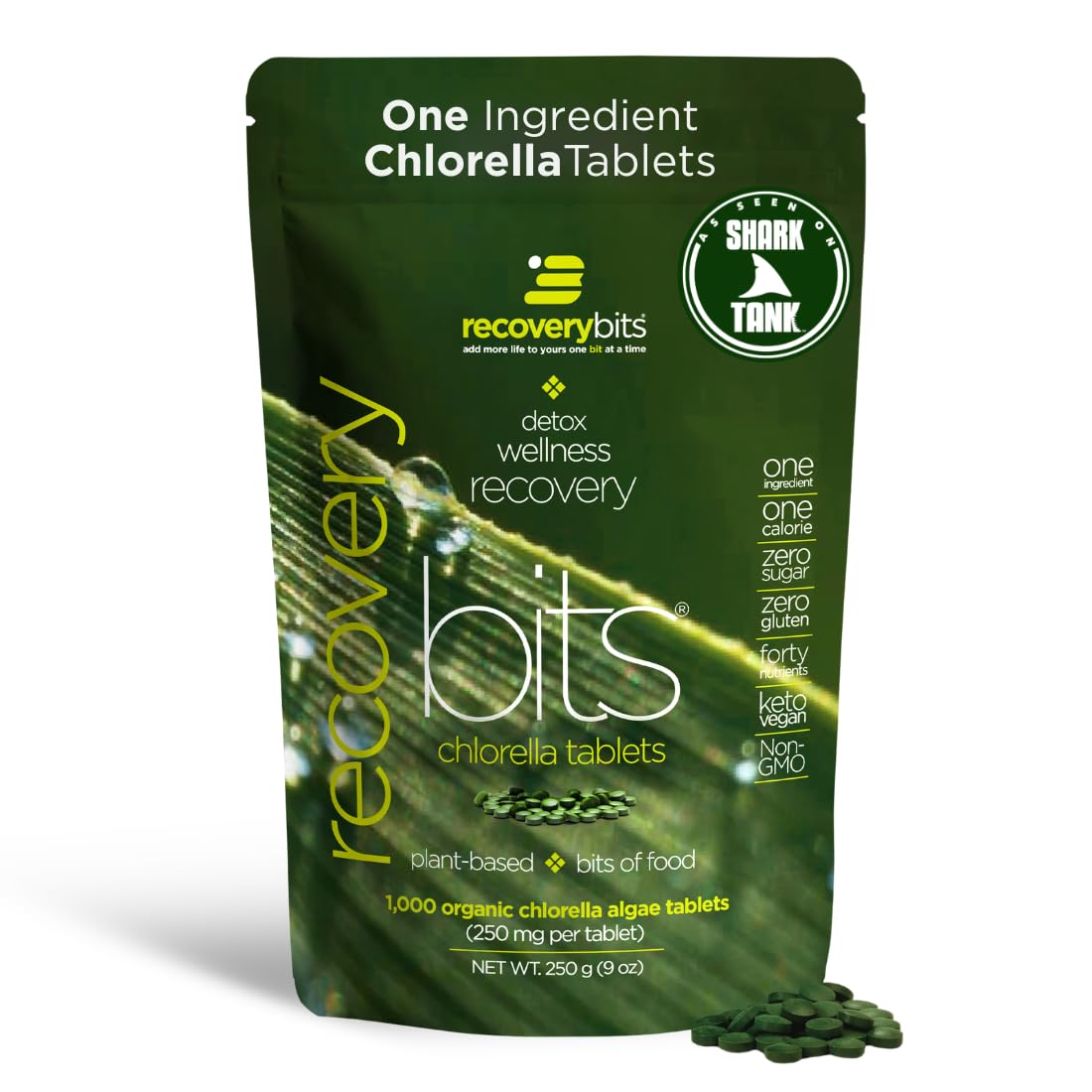
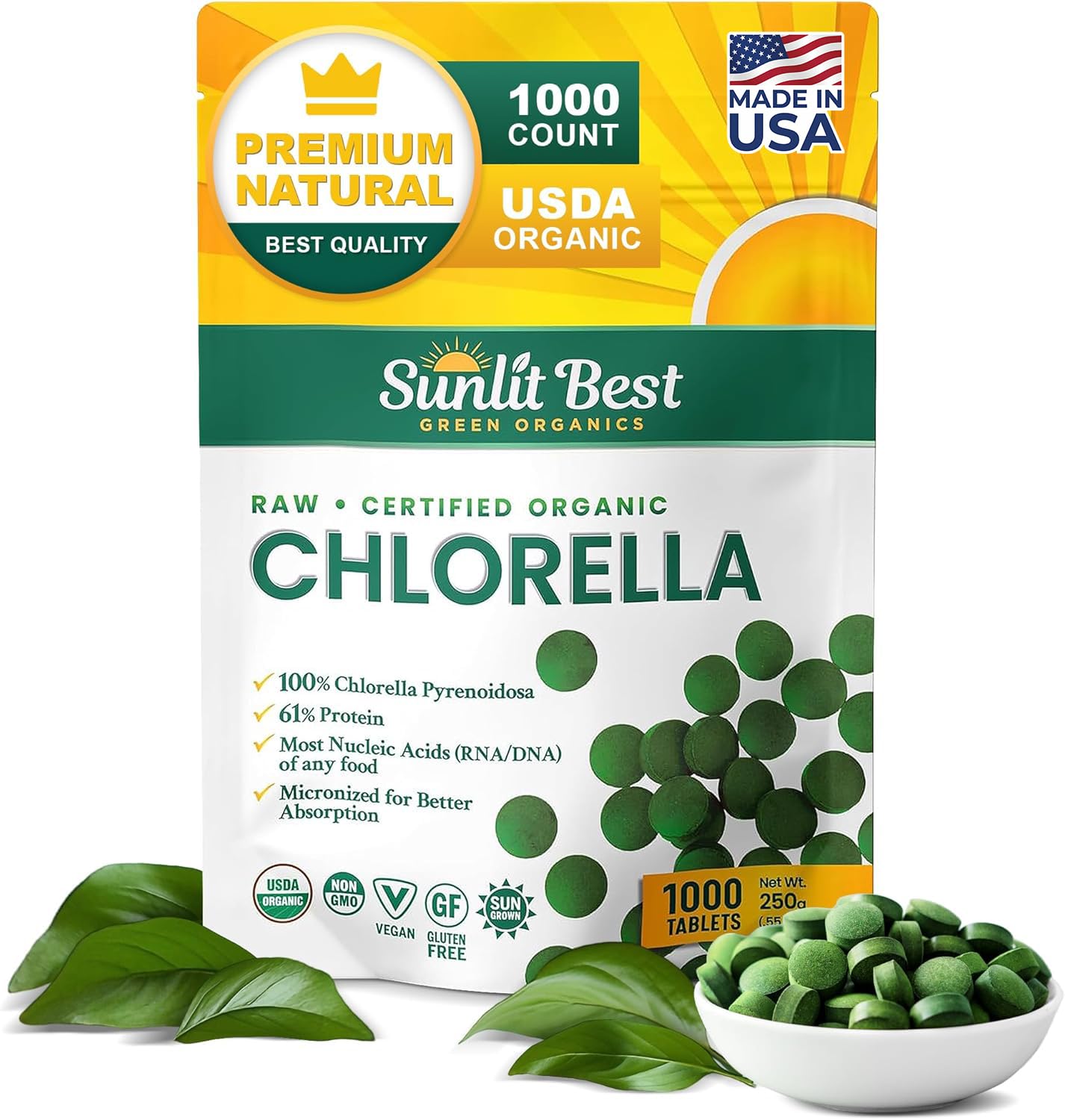
Chlorella has a tough cell wall, and many makers process it (often called broken cell wall, cracked cell wall, or pulverized) so the tablet is easier to digest. Some brands state the percentage of cell wall that has been broken, which helps when you compare. Plain chlorella tablets without that wording are usually cheaper, but the label gives you less to judge.
Fermented chlorella is a separate format that some makers promote for a milder taste. Whatever the method, look for plain language about how the algae was grown and processed, and be wary of labels that rely on vague words alone.
Reading the Supplement Facts
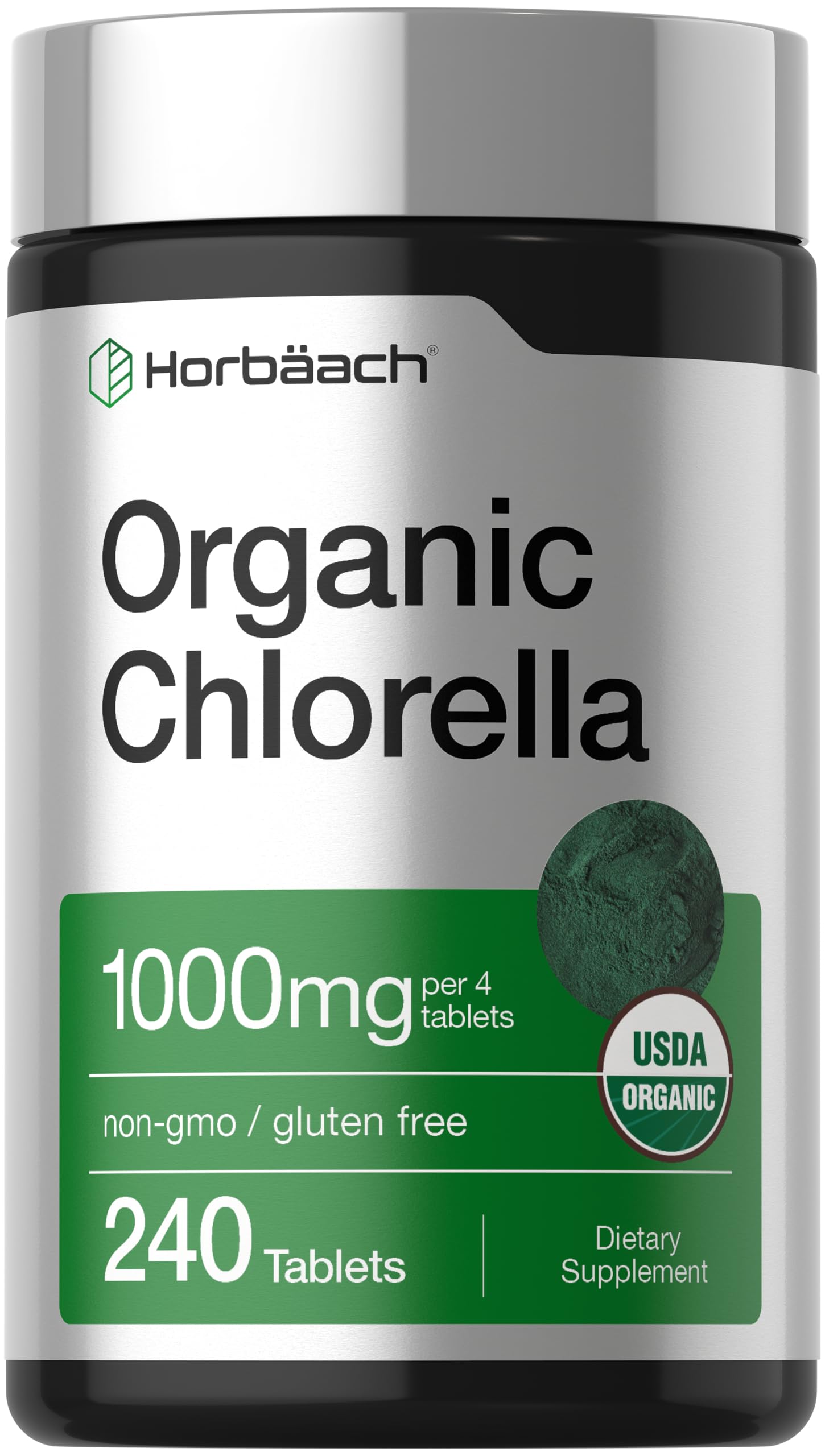
Start with the serving size. One serving may be two, three, or six tablets, so a container with a low price can hold far fewer servings than it first appears. Divide the tablet count by the serving size, then divide the price by that number to get a cost per serving you can compare fairly.
Next check the other ingredients: binders, coatings, and anti caking agents. If you avoid certain allergens or additives, the label should say so clearly. Organic and non GMO marks can help when they come from a recognized certifier, and third party testing statements are a plus because they show the maker documents what is in the bottle.
Tablet Size, Taste, and Storage
Chlorella tablets can be large and have a strong, grassy smell. Smaller or coated tablets are easier to swallow, while uncoated ones are cheaper. Follow the serving instructions printed on the label and talk with a clinician or pharmacist about your own routine, since this guide gives no dosage advice.
Keep the bottle tightly closed in a cool, dry place away from sunlight, and check the expiry date. Tablets that crumble, smell unusually sour, or have been exposed to damp air should not be used.
Who Should Talk to a Professional First
If you are pregnant or breastfeeding, take medicines (including blood thinners), have a health condition, or are shopping for a child, ask a doctor or pharmacist before starting any new supplement. Bring the full ingredient list to that conversation. Stop use and seek medical advice if you notice an allergic reaction, persistent digestive upset, or any symptom that worsens.
Common Buying Mistakes
- Comparing container prices instead of cost per serving.
- Choosing a huge bottle before you know whether the taste and tablet size suit you.
- Trusting bold front of pack claims over the supplement facts panel.
- Starting several new supplements at once, which makes any change hard to judge.
- Skipping a conversation with a pharmacist when you take regular medicines.
Where Chlorella Fits Among Related Guides
If you are curious about routine and timing, our guide to the best time to take chlorella tablets covers general habits such as taking tablets with a meal. If you prefer a combined product, our guide to best chlorella spirulina tablets explains how blended tablets differ from single ingredient ones.
Working Out Cost Per Serving
Price comparisons only make sense per serving. Suppose a bottle holds 240 tablets and the label lists a serving of six tablets: that bottle holds 40 servings, so a $30 price works out to $0.75 per serving. A bottle with 120 tablets and a serving of two tablets holds 60 servings, so a $36 price works out to $0.60 per serving even though the bottle looks smaller. Write the numbers down for each candidate before you click buy.
Keep in mind that tablet strength per piece also varies. A 500 mg tablet and a 250 mg tablet are not interchangeable on count alone, which is another reason to compare servings rather than tablets.
Tablets, Capsules, or Powder
Tablets are compact and have a long shelf life, but they can be large and hard to swallow. Capsules are easier to take and usually hide the taste, though they can cost more per serving and some contain gelatin. Powder mixes into drinks and gives the most flexibility, but it has the strongest flavor and can stain blenders and cups. Choose the format you will use consistently, since a bottle that stays in the cupboard is poor value at any price.
Frequently Asked Questions
What is the difference between chlorella and spirulina?
Both are algae sold as supplements, but chlorella is a green single celled alga with a hard cell wall, while spirulina is a blue green organizm with a softer structure. Labels differ in texture, taste, and processing. Neither is a substitute for a varied diet.
Should I choose organic chlorella tablets?
Organic certification can add confidence about how the algae was grown, but it does not guarantee quality by itself. Compare certifier marks, testing statements, and cost per serving together before you decide.
How do I compare two bottles fairly?
Divide each bottle price by the number of servings, check tablet size, and compare the ingredient lists. A bottle that looks cheaper may deliver fewer servings or contain extra binders you would rather avoid.
Can chlorella tablets interact with medicines?
Ingredients can matter for people on certain medicines or with some conditions. Ask a pharmacist to review the full ingredient list against your medicines before starting.
How should I store chlorella tablets?
Store them in the original sealed bottle, in a cool dry cupboard away from heat and sunlight, and keep them out of reach of children. Discard tablets past their expiry date or those that look damp or crumbled.
Final Thoughts
Read the supplement facts, work out the cost per serving, and choose a tablet size you can live with. Use the product table above to compare options, and keep any health questions for a doctor or pharmacist.
A clear label and an honest price per serving matter more than marketing language, and they are what set the best chlorella tablets apart on a crowded shelf. Start with a smaller bottle before you commit to a large one.