
Best Chiminea Fire Pits in 2026: Clay, Iron, and Aluminum Compared
Disclosure: We may earn a commission when you buy through links on this page, at no extra cost to you. As an Amazon Associate I earn from qualifying purchases. Learn more

Compare clay, cast iron, and cast aluminum chimineas by size, weather resistance, and placement to choose the best chiminea fire pit for your patio.
A chiminea looks simple, yet choosing one is not. The wrong size feels cramped on a small patio, the wrong material cracks or rusts after one wet season, and a tall chimney placed too close to a wall can stain siding with smoke. If you want the best chiminea fire pit for your space, start with material, size, and placement, then compare the details in the comparison table below.
This guide compares the three main chiminea types by build, heat output, and care. If you are still weighing a chiminea against an open bowl design, our overview of the best fire pit styles shows how the main shapes differ.


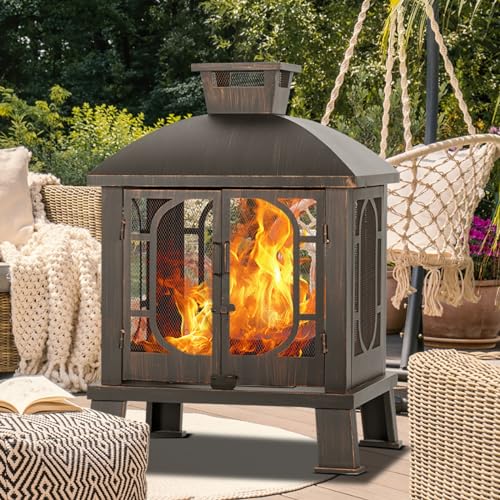
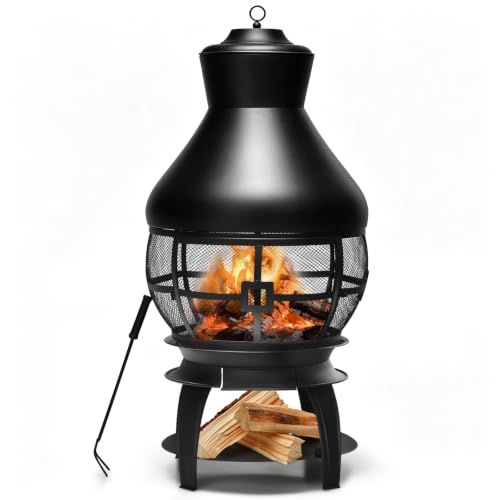


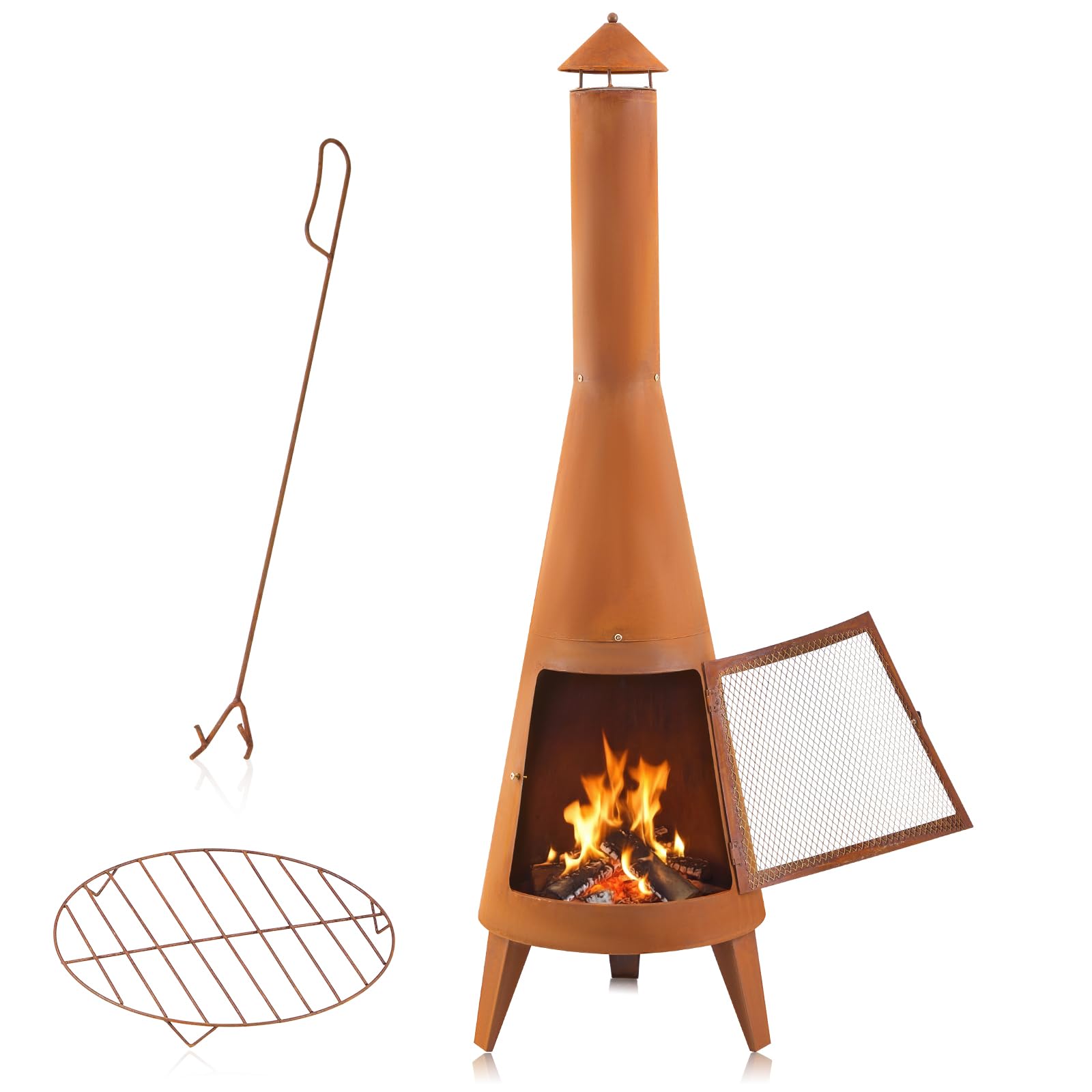
Three Chiminea Types Compared
Chimineas come in three main materials, and material decides almost everything else, from weight and durability to how much care the unit needs. Rather than ranking specific models, this section compares the three types so you can match one to your patio, your climate, and how often you plan to burn.
Clay chimineas
Clay is the traditional choice, shaped with a rounded belly and a tall chimney that pulls smoke up and away from your seating. A clay body holds heat gently and radiates it in every direction, which suits long, relaxed evenings. The trade off is fragility. Clay can crack if a hot fire meets cold rain, if water sits inside and freezes, or if you move the unit by its neck. Clay suits covered patios and mild climates best, and it rewards owners who cure each new unit with several small fires before building a full one.
Cast iron chimineas
Cast iron is the heavy, durable option. It tolerates bigger fires than clay, shrugs off knocks that would chip a clay body, and keeps radiating warmth after the flames die down. That strength comes with serious weight, so plan on two people for any move, and pick the final spot before the first fire. Iron rusts when left wet, so a cover and a dry base matter more here than with any other type. Choose cast iron if you burn often, want a unit that lasts for years, and can leave it in one place.
Steel and cast aluminum chimineas
Steel and cast aluminum models are the lightest and easiest to live with. Cast aluminum will not rust, which makes it a smart pick for humid or coastal yards, and steel versions often cost less while still handling regular use. Both heat up and cool down faster than clay or iron, so the warmth fades sooner once the fire ends. Many metal models arrive in sections that bolt together, which simplifies delivery and storage. Choose this type if you need to move the unit often or store it indoors for winter.
How to Choose the Right Chiminea
Size and form factor
Chimineas range from small tabletop and compact patio models to large units that stand about four to five feet tall. The belly diameter decides how much wood fits and how much heat you get, while total height decides whether the chimney clears nearby chairs and low branches. A compact model suits a balcony or a small slab where two or three people sit close. A large model heats a bigger circle but needs more clearance on every side. Measure your space first, then let those numbers narrow the size, not the other way around.
Type and fuel
Most chimineas burn wood, and a guide to the best wood burning fire pit options can help you compare open wood burners with this enclosed shape. Wood gives real flame and crackle, and the chimney directs much of the smoke upward. A smaller group of gas chimineas runs on propane and lights with a dial, trading wood smoke and ash for a tank to refill. If you want that convenience in a more open design, look at the best propane fire pit styles as well. A direct comparison of propane vs wood fire pit costs and upkeep can settle the fuel question before you shop.
Features worth paying for
A spark screen or mesh door matters most, since it keeps embers inside the belly while you watch the fire. A cooking grate adds value if you want to grill over the flames, though the small opening limits you to one or two items at a time. A fitted rain cover protects any material and is worth buying with the unit, not later. A sturdy stand that lifts the belly off the ground protects decking and helps air reach the fire. Skip decorative extras that add cost without adding safety, protection, or cooking use.
Weather resistant materials
Weather resistance is less about a coating claim and more about how the material handles water over time. Clay absorbs moisture, so it needs a dry spot and a cover before rain, and it should never sit in standing water. Cast iron needs a cover and an occasional check for rust spots, which you can sand and touch up with heat safe paint. Cast aluminum handles rain best of the three. A raised stand keeps the base out of puddles, and storing the unit under a roof during the wettest months adds years to its life.
Size for your space
Place a chiminea on a level, non flammable surface such as stone, brick, or concrete, and keep clear space around it on all sides. Local codes and maker guidance often call for at least three feet from walls, fences, and furniture, and more is safer under trees or awnings. If your seating area is tight, our guide to the best fire pit for backyard layouts can help you plan clearances. Never place a wood burning chiminea directly on a wood deck without a proper heat shield beneath it, and check your local rules on open fires before the first burn.
Assembly and anchoring
Most metal chimineas arrive in a few sections, usually the belly, the chimney stack, the stand, and the door or screen, joined with bolts you can tighten with basic tools. Clay models often come in one or two pieces and need careful handling rather than tools. Set the stand on firm, level ground so the tall body cannot rock, and on windy sites choose a sheltered corner so gusts do not push the unit or drive smoke sideways. Recheck bolt tightness after the first few fires, since heating and cooling can loosen hardware.
Care and off season storage
Let ash cool fully, then scoop it out once it builds up, since a deep ash bed holds moisture against the belly floor. Wipe the outside with a dry cloth, check the screen for holes, and confirm the stand sits level. Before winter, clean the unit, dry it completely, and store it in a garage or shed if you can. If it stays outside, use a fitted cover and raise it off wet ground. Our notes on how to clean a fire pit add detail on ash disposal and rust checks.
How much should you spend?
Small clay and basic steel chimineas often cost under $100 and suit occasional use on a small patio. Sturdier mid range models cost about $100 to $300, with thicker walls, better screens, and more stable stands. Large cast iron and cast aluminum units cost about $300 to $500 or more, and the extra money mainly buys durability and rust resistance rather than more heat. Budget for a cover and a stand if they are not included.
Chiminea vs Other Fire Pits: Pros and Cons
The chiminea shape earns its place in one main way: the chimney. An open bowl sends smoke in whatever direction the wind blows, while a chiminea funnels most smoke up and away from the people sitting in front of it. The enclosed belly also blocks wind, so the fire stays steadier on breezy evenings, and the front opening focuses warmth toward your seating like a small fireplace.
The limits are just as clear. The opening is small, so fewer people can share the view than with an open bowl, and the belly holds less wood, which means smaller fires and more frequent refueling. You also cannot gather in a full circle, since the back gives off heat but offers no view of the flames. If your group is large, an open design fits better. If you mostly sit with two to four people and hate dodging smoke, the chiminea shape is the stronger match.
FAQ
What is the best chiminea fire pit?
There is no single answer, since the right choice depends on your climate and how you will use it. Cast iron suits frequent burners who can leave the unit in place, clay suits mild climates and covered patios, and cast aluminum suits wet regions where rust is the main threat. Match the material to your weather first, then pick a size that fits your seating and clearance space. That order of decisions matters more than any single feature or finish.
Are chiminea fire pits worth it?
They are worth it if smoke control and a focused fire view matter to you. The chimney lifts smoke above seated guests, and the enclosed belly keeps a fire going in light wind that would scatter an open bowl. They are less worthwhile if you host big groups or prefer a large fire. In those cases the small opening and limited wood capacity will frustrate you, and an open fire pit will serve you better.
How long does a chiminea last?
Lifespan depends mostly on material and storage. A clay unit may last only a few seasons if it gets wet and freezes, while a covered clay chiminea kept dry can serve much longer. Cast iron and cast aluminum often last a decade or more with a cover and dry winter storage. One habit helps every type: never pour water into a hot chiminea to put the fire out, since the sudden temperature change can crack clay and stress metal seams.
Can you use a chiminea on a covered porch?
Only with great caution, and often not at all. The chimney sends smoke and heat straight up, so a porch roof can trap smoke and face scorching or staining, and many local codes ban open wood fires under any roof. A porch also concentrates carbon monoxide risk in still air. Check your local fire rules and your maker guidance first. If either one is unclear, burn in the open yard instead, where smoke can disperse and heat has room to rise safely.
What wood should you burn in a chiminea?
Use dry, seasoned hardwood cut short enough to sit fully inside the belly, with no ends poking out of the opening. Hardwood burns longer and with fewer sparks than softwood, and dry wood makes far less smoke than green or damp wood. Avoid treated lumber, painted wood, and trash, since they release harmful fumes. Keep pieces modest in size, since an oversized load can overheat clay walls and damage the finish on metal models. Store spare wood under cover so it stays dry between fires.
How do you put out a chiminea fire safely?
Plan ahead and let the fire burn down to coals, then spread the coals flat so they cool faster. You can smother a small fire with dry sand, which cuts off air without shocking the material. Keep a bucket of sand and a pair of heat safe gloves near your seating for this job. Wait until the ash is cold to the touch before scooping it into a metal container, and keep that container away from walls and decks for at least a day.
Final Thoughts
A chiminea rewards buyers who decide by material, size, and placement rather than by looks alone. Clay brings tradition and gentle heat, cast iron brings strength, and cast aluminum brings easy care in wet climates. Compare your shortlist against the product table above and confirm your clearances. Chosen that way, the best chiminea fire pit for your patio will give you steady warmth, less smoke in your face, and many seasons of use.


