
Best Chiavari Chairs in 2026: Which Type Is Right for You?
Disclosure: We may earn a commission when you buy through links on this page, at no extra cost to you. As an Amazon Associate I earn from qualifying purchases. Learn more

Best chiavari chairs compared by material, stacking, weight capacity, cushions and care for events and rentals.
Chiavari chairs all share the same elegant shape, so the real choice hides in what each chair is made of and how it will be used. A wedding venue that stacks two hundred chairs every weekend needs something different from a host buying twelve for a garden party. This guide compares the main kinds of best chiavari chairs side by side, so the differences are clear before you spend anything.
Start with the comparison table below for a quick view of each type, then read on for the frame, stacking, and capacity details that decide which type fits your events, your storage space, and your budget.


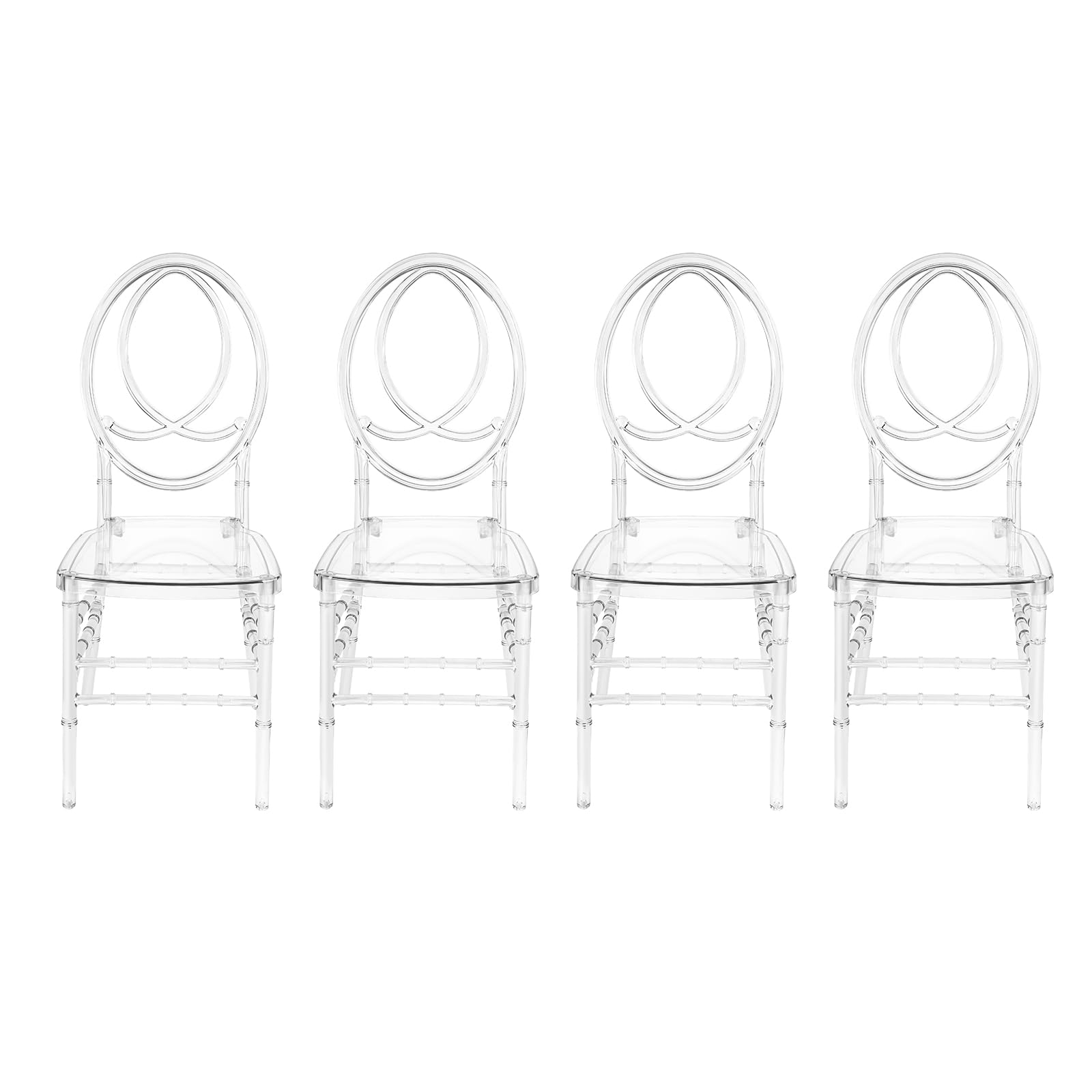

Types of Chiavari Chairs Compared
An event chair is read first by its material, because the frame material decides the weight, the look, and how the chair ages. Stated plainly, wood and resin are the two frame classes that cover almost every chiavari chair sold, while clear acrylic and metal fill smaller roles.
| Type | Best For | Strengths | Trade Offs | Typical Price |
|---|---|---|---|---|
| Wood | Formal weddings, classic venues | Warm natural finish, traditional look | Heavier, finish can chip | about $50 to $90 |
| Resin | Rental fleets, frequent stacking | Light, color runs through the material | Can look less rich up close | about $40 to $70 |
| Clear acrylic | Modern events, small spaces | Nearly invisible shape, easy to style | Shows scratches, costs more | about $70 to $120 |
| Metal | Outdoor use, tight budgets | Strong frame, low upkeep | Less traditional, can feel cold | about $45 to $80 |
Wood Chiavari Chairs: The Classic Frame
Wood frames, most often beechwood, carry the traditional look that made this chair shape famous. The grain shows through stains and paints in colors like gold, silver, white, and natural limewash, and the chair feels solid and warm when a guest takes hold of it. For a ballroom or a historic venue, that richness is hard to match.
The trade off is upkeep. Painted finishes chip where chairs knock together during stacking, and a wood chair weighs more than a resin one, which matters when staff move hundreds of them. Wood suits buyers who value the look most and can store chairs carefully.
Resin Chiavari Chairs: The Rental Workhorse
Resin chairs are molded in one piece or a few large pieces, and the color runs all through the material instead of sitting on the surface. A scratch that would show bare wood on a painted chair is barely visible on resin, because the color underneath is the same. That single trait is why rental companies lean on resin for busy fleets.
Resin is also light, which speeds up setup and stacking at the end of a long event. Up close, some resin chairs look a little flat next to real wood, so view one in person if the finish matters to you.
Clear Acrylic and Metal Chiavari Chairs
Clear acrylic chairs, often called ghost chairs, nearly disappear in a room, which makes small spaces feel larger and lets table decor carry the whole look. They cost more than wood or resin, and the clear surface shows every scratch and fingerprint, so they need gentle handling and soft storage covers.
Metal frames, usually steel or aluminum, are the practical pick for outdoor or heavy duty use. They shrug off knocks and weather better than wood, but the shape looks less traditional and the seat can feel cold without a pad.
Wood vs Resin: Which Should You Choose?
These two types cover most purchases, so compare them on the points that decide daily use. Wood wins on looks and on the solid feel guests notice when they sit down. Resin wins on weight, scratch hiding, and price per chair.
In practice, the best chiavari chairs for a rental fleet are rarely the best choice for a formal ballroom. Choose wood when appearance leads and the chairs live in one venue. Choose resin when the chairs travel, stack often, and need to look tidy with little touch up work between events.
How to Choose the Right Chiavari Chair
Frame Material and Finish
Start with the material classes above, then look at finish. A painted wood finish gives the richest color range, while a resin finish stays even after years of stacking. Ask how the joints are built as well, since glued and reinforced joints outlast simple ones on any frame. The finish and the joints together decide how the chair looks after its fiftieth event, not its first.
Stacking, Storage, and Transport
How a chair stacks governs both storage and venue life. Most chiavari chairs stack about seven to ten high, and a stack that tall needs a flat floor, a cover, and a dolly for safe moves. Remove seat pads before stacking so the pad fabric does not tear or pick up marks from the frame above it.
Measure your storage room before you order, and count how many stacks your floor space holds. A chair that cannot be stored well will be damaged no matter how strong its frame is.
Weight Capacity and Guest Safety
The stated capacity governs which guests a chair can seat safely, so read it on every listing and never guess from the look of the frame. For public events, choose chairs with a stated capacity of about 300 pounds or more per seat, and ask whether the figure is a static load rating or a working seat rating. A clear rating protects your guests and settles arguments with an insurer before they start.
Seat Pads and Cushions
Most chiavari chairs are sold with a thin pad or with the pad as an add on. Pads about 1.5 to 2.5 inches thick give comfort through a long dinner without changing the formal shape of the chair. Vinyl pads wipe clean between courses, while fabric pads look softer and need washing. Ties or a simple strap keep pads in place when guests slide their chairs in and out.
Buying in Bulk and Delivery
Event chairs are usually sold in sets of four or more, and large orders ship by freight rather than by parcel. Inspect the first boxes on arrival and photograph any damage before you sign. Buying about 5 to 10 percent spare chairs with the main order is cheaper than a small reorder later, and the spares cover chairs pulled out for repair during a busy season.
Care and Maintenance Tips
Wipe frames down after each event so spills and dust do not set into the finish. Touch up chips on painted wood with matching paint before the bare spot grows, and store resin chairs out of long direct sun when you can, since strong sun can fade the color over time. Stack on a level floor, keep stacks covered, and check rungs and joints every few months, tightening or gluing any joint that starts to move. Pads last longer when they are stored flat and dry rather than strapped tightly to stacked chairs.
Frequently Asked Questions
How high can chiavari chairs be stacked for storage?
Most chiavari chairs stack about seven to ten high, depending on the frame and the maker guidance. Stacking higher risks bent rungs and falls, so treat ten as the ceiling rather than the target. Rotate which chair sits at the bottom of the stack, because the bottom chair carries the full weight and wears first. A fitted cover over each stack keeps dust off and stops frames rubbing during moves.
Are resin chiavari chairs strong enough for larger guests?
Yes, as long as the stated capacity of the chair covers the guest with room to spare. Strength comes from the frame design and the rating, not from the material alone, and plenty of resin chairs carry ratings as high as wood ones. Check whether the rating describes the whole chair rather than the frame only, and choose a higher rated chair for public seating where you cannot control who sits where.
Can chiavari chairs be used outdoors?
Resin and metal chiavari chairs handle outdoor use best, while painted wood needs cover and should come inside after the event. All types share one weakness: the narrow feet sink into soft grass and lawns. A firm surface such as paving, decking, or a rented floor keeps the chairs level and safe, and it stops mud marking the feet and lower rungs.
What pad thickness works best for a long reception?
A pad about 1.5 to 2.5 inches thick suits most long receptions, giving comfort through dinner and speeches without lifting guests too high at the table. Thicker pads can push knees toward the table edge on standard height tables. Vinyl covered pads are the practical choice for venues, because a spilled drink wipes off in seconds and the pad is ready for the next event the same day.
How long should a good chiavari chair last?
A well built wood or resin chiavari chair lasts about five to ten years in regular venue use, and longer in a home where it moves less. Life depends more on handling than on age, since stacking knocks and damp storage do most of the damage. Chairs that are stacked with care, stored dry, and repaired early often outlast cheaper chairs by several seasons.
The Bottom Line
Choose the frame material first, since wood and resin lead to different looks, weights, and upkeep. Then check the stated capacity for your guests, and confirm the chairs stack and store well in the space you actually have. The product table above gathers the main types in one place, and the best chiavari chairs for you are the ones whose material, rating, and price all match the way your events really run.


