
Best Chelsea Rain Boots: Budget, Midrange, and Premium Picks for 2026
Disclosure: We may earn a commission when you buy through links on this page, at no extra cost to you. As an Amazon Associate I earn from qualifying purchases. Learn more
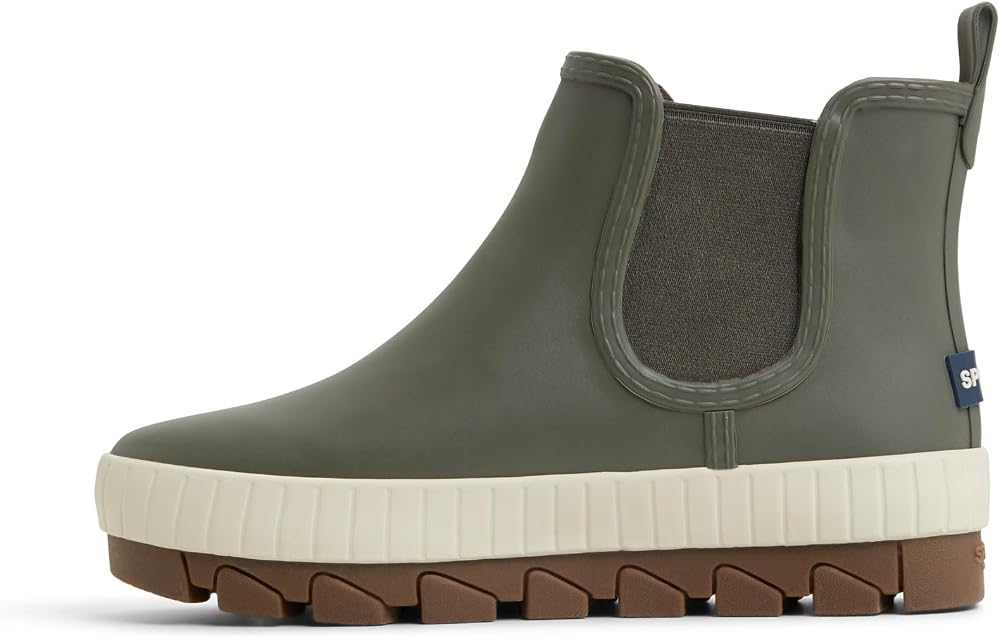
Learn how to choose the best chelsea rain boots for your budget, with guidance on waterproofing, fit, traction, elastic panels, and lasting comfort.
Chelsea rain boots sit in a sweet spot between a tall rain boot and a regular ankle boot, and prices run from under $50 to about $200 or more. Spending more does not always get you drier feet, so it helps to know what each price level actually changes. The best chelsea rain boots for you depend on how often you wear them, how far you walk, and how polished you need them to look.
This guide breaks down the tiers, the features that matter, and the fit checks that prevent blisters and leaks. Use the comparison table below to match shaft height, material, and sole type to your budget before you read the details.


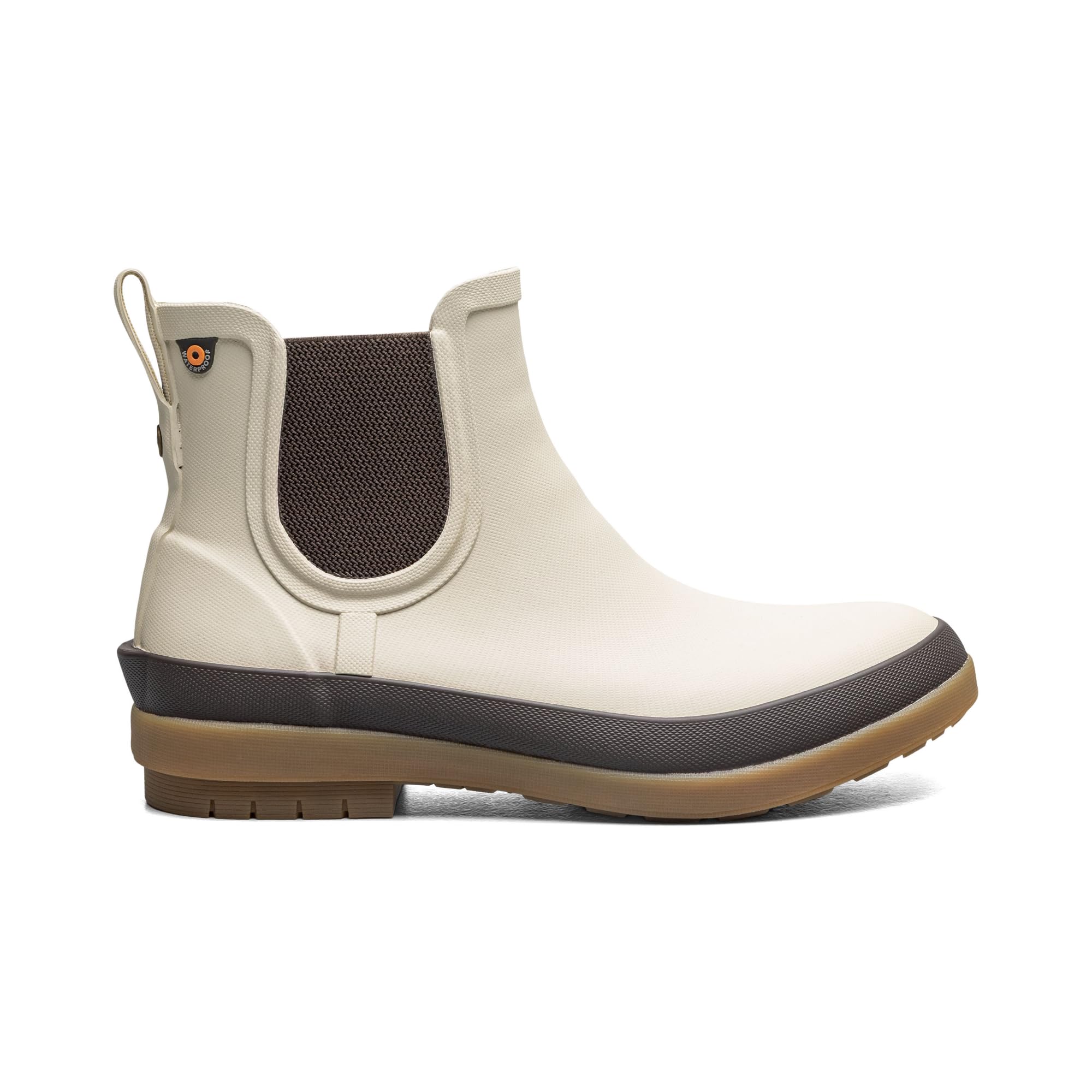
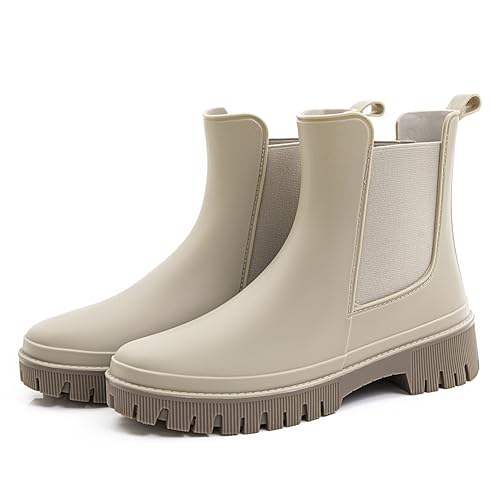
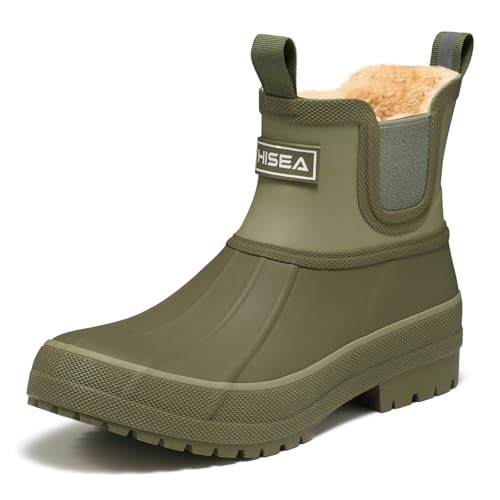



Who Should Buy Chelsea Rain Boots?
Daily Commuters Who Walk on Wet Pavement
If your commute mixes buses, sidewalks, and office floors, this short boot style suits you well. The ankle height keeps rain off your socks without the bulk of a knee high boot in a crowded train. Look for a grippy outsole, moderate cushioning, and a finish that wipes clean after splashes.
Gardeners and Weekend Errand Runners
For yard work, farmers markets, and quick trips in drizzle, you need a boot that pulls on fast and rinses off at the door. Elastic side panels and a rear pull tab matter more here than dressy styling. Choose a rugged tread that sheds mud and a roomy toe box for thick socks. Budget and midrange pairs often serve this group perfectly well.
Readers Who Want a Dressier Look in Rain
Some buyers want rain protection that still works with trousers, skirts, and smart coats. Premium pairs use smoother rubber or waterproof leather with cleaner lines and slimmer profiles. The trade off is a narrower fit and a sole that grips less on mud. If style leads your decision, compare these rain versions against the styles in our guide to the best chelsea boots.
What Your Money Gets You at Each Price Tier
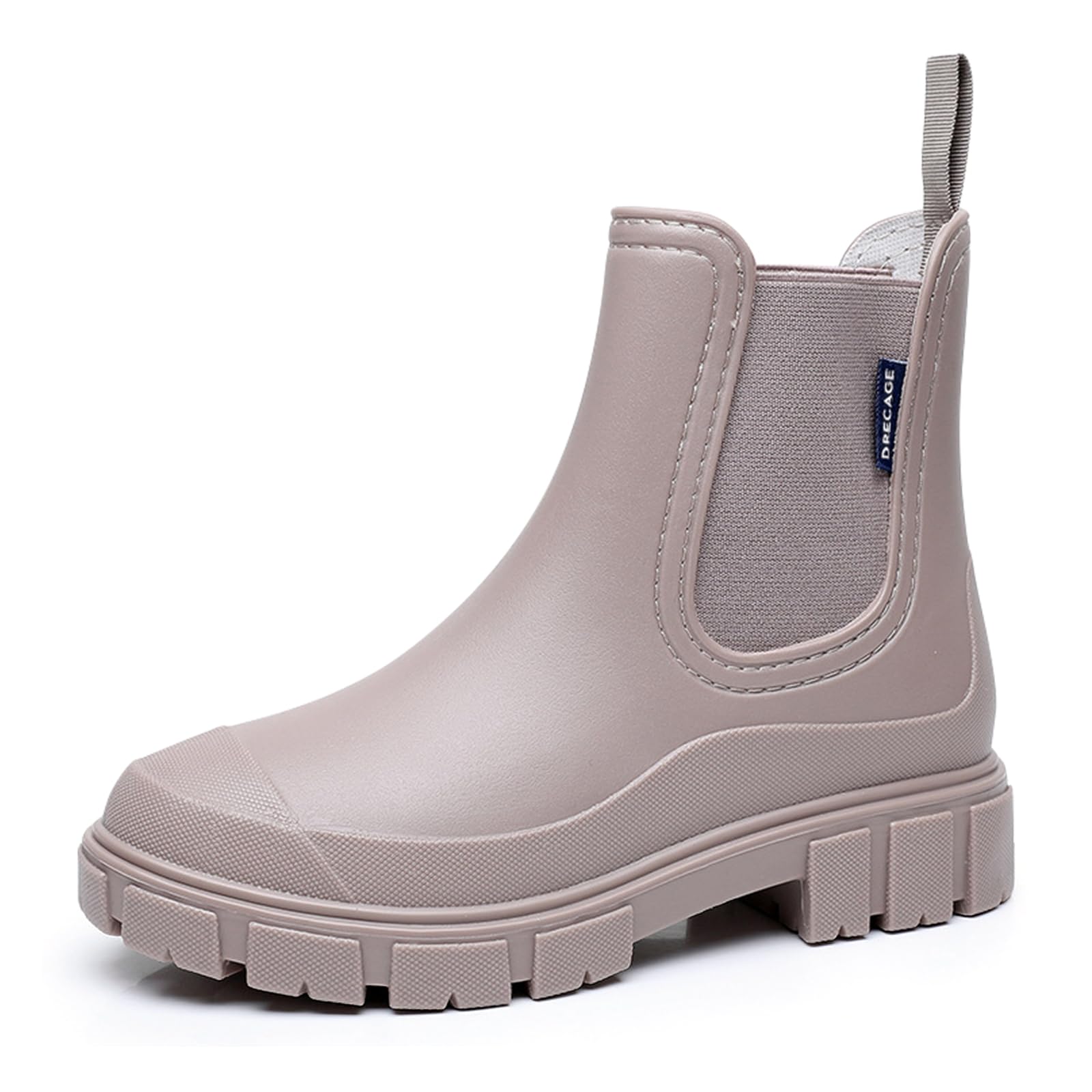
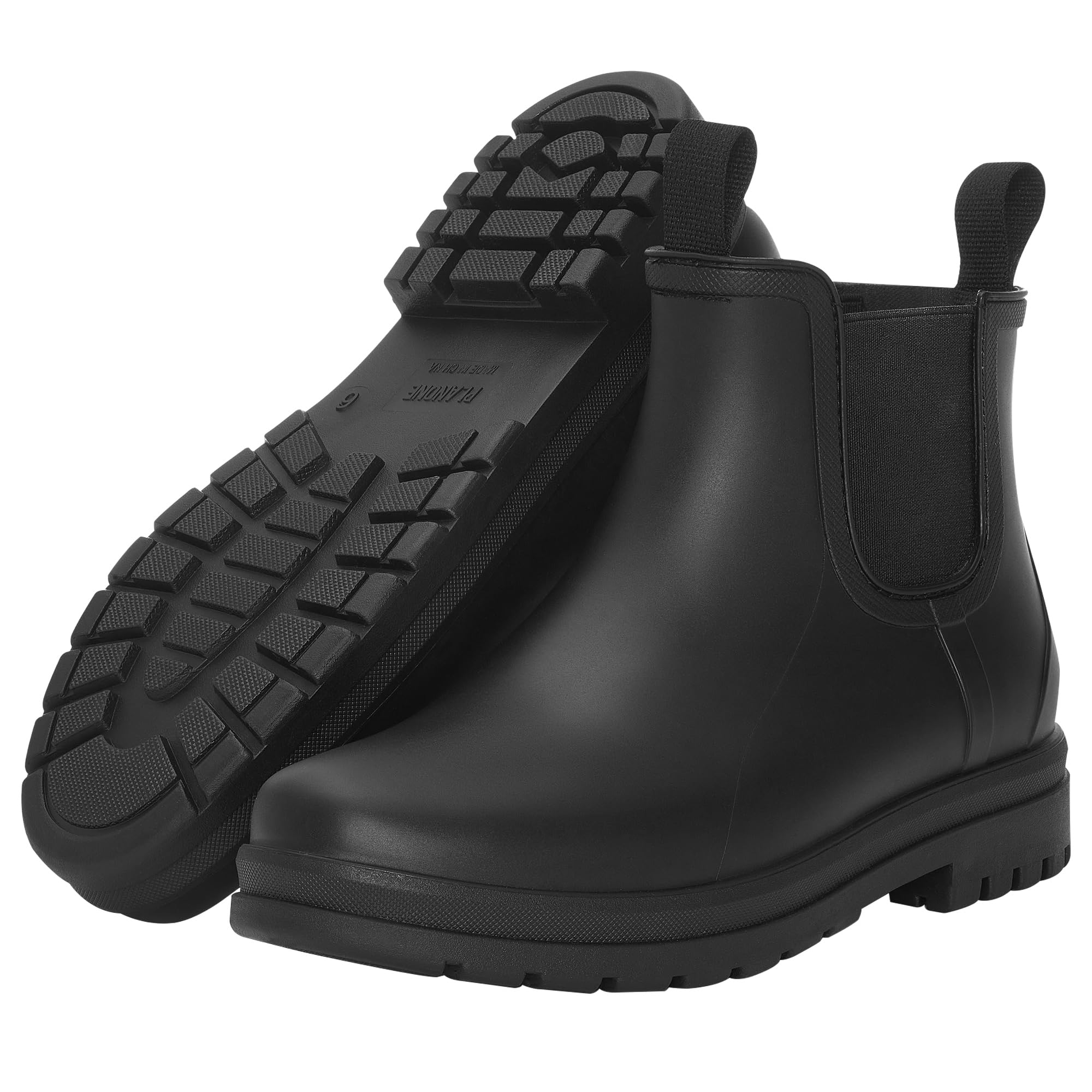
When you compare best chelsea rain boots across price tiers, the differences are really about materials, sole construction, and lining quality. The product table above groups options by budget, so use the notes below to judge whether a higher price solves a problem you actually have.
Budget Tier: What to Expect
Budget pairs, usually about $40 to $80, are most often molded from PVC or basic rubber with a simple fabric lining. They keep water out reliably for errands and short walks, and many look surprisingly neat. The compromises show up in stiff flex, thin insoles, and elastic panels that loosen sooner. If you wear rain boots a dozen times a year, this tier makes sound financial sense.
Midrange Tier: The Comfort Step Up
Midrange pairs, about $80 to $150, usually bring natural rubber or better synthetic uppers, cushioned insoles, and stronger tread patterns. Fit improves too, with more half sizes in some lines and shaped ankle openings that reduce rubbing. This is where most daily wearers get the best balance of comfort and durability. For a broader look at build quality across taller styles, see our guide to the best quality rain boots alongside this one.
Premium Tier: When Spending More Pays Off
Premium pairs, about $150 to $250 or more, add waterproof leather, breathable membrane linings such as Gore Tex in some models, and soles that can be repaired or replaced. You also get better stability and refined styling. The extra money pays off if you walk daily in wet climates or want one pair to last many seasons.
Key Features to Compare
Waterproof Construction and Seam Sealing
A Chelsea rain boot keeps water out in one of two ways. Molded rubber and PVC pairs are waterproof by nature because the upper is a single sealed shell. Leather pairs rely on treated hides, sealed seams, and an inner membrane, and they can leak at stitching if the treatment fades. Check how the sole joins the upper, since that joint is a common entry point for water at puddle depth.
Fit, Sizing, and Toe Box
Most Chelsea rain boots come in whole sizes only, which makes the in between fit tricky. A roomy toe box lets your toes spread on wet descents and leaves space for warm socks in cold rain. The boot should feel snug at the heel and midfoot while your toes clear the front by about a thumb width. If you sit between sizes, an added insole usually fills a larger pair more comfortably than squeezing into a smaller one.
Outsole Traction and Stability
The outsole decides how safe the boot feels on wet tile, painted crosswalks, and muddy paths. Deep lugs with wide spacing grip soft ground, while flatter rubber with fine siping holds better on smooth wet floors. A broad, low heel base adds stability when you carry bags across slick parking lots. Match tread depth to the surfaces you cross most.
Cushioning and Heel to Toe Drop
Thin rubber boots often place a flat foam insole over a hard midsole, and your feet feel every step after a mile. Better pairs add shaped cushioning under the heel and forefoot plus a small heel to toe drop, often around 8 to 12 mm in leather styles and near flat in molded rubber. A slight drop eases calf strain on long walks. Readers used to neutral shoes usually prefer the flatter feel, while walkers with tight calves often like a little lift.
Elastic Panels, Pull Tabs, and Ease of Entry
The elastic side panel is the signature of the style, and its quality varies a lot by price. Firm elastic with strong stitching holds the ankle close and keeps the boot easy to pull on for years. Loose or thin elastic lets the heel lift with each step, which causes blisters and lets rain splash in at the opening. A sturdy rear pull tab matters too, because wet rubber resists your hands and a weak tab can tear with daily use.
Weight, Flexibility, and Breathable Linings
A pair can weigh under two pounds in light synthetics or over three pounds in thick rubber and leather. Heavy boots feel secure in mud but tire your legs on city walks, so weigh your typical distance more than your worst storm. Plain rubber interiors feel clammy, while fabric or breathable membrane linings reduce sweat during long wear on mild rainy days.
How to Check Fit and Choose Your Size
Measure your feet late in the day, when they are at their largest, and wear the socks you plan to use in rain. Stand with full weight on the foot, note the length, and compare it with the size chart for the exact brand, since charts differ. In the boot, your heel should lift only slightly as you walk, and the elastic should touch your ankle without pinching or gaping.
Men often find that sizing runs narrow in fashion oriented lines, so a wider last or a half size plan matters. Our guide to the best chelsea boots for men covers shaft width and calf fit in more depth for dress styles. If you also shop for a taller option for deep water, the sizing notes in our guide to the best rain boots for men explain how tall boots fit differently at the calf.
Women who wear skirts or skinny trousers should check how the top edge meets the leg, because a wide opening collects splashes and rubs bare skin. Several brands cut a slightly lower and closer opening in their women specific lasts. You can compare those cuts with the styles covered in our guide to the best rain boots for ladies if you are deciding between a short and a tall boot.
Common Mistakes to Avoid
- Buying your exact dress shoe size in a whole size only boot, which leaves toes jammed against the front on wet walks.
- Choosing a smooth dress sole for muddy or icy routes, which turns a short walk into a slipping risk.
- Assuming leather Chelsea boots are fully waterproof without sealed seams, which lets puddle water in at the stitching.
- Ignoring elastic panel quality, which leads to heel lift, blisters, and rain entering at the ankle opening.
- Wearing thin dress socks in cold rain, which makes even a good fit feel loose and leaves feet cold.
- Storing wet boots beside a heater, which cracks rubber and dries leather faster than air drying ever would.
How to Make Your Chelsea Rain Boots Last Longer
Rinse mud and road salt off the uppers with plain water after use, then wipe them with a soft cloth. Stuff the boots lightly with newspaper or insert short boot trees so the ankle shape holds while they dry. Always dry them at room temperature away from radiators and direct sun, since heat is the fastest way to age rubber. Rotating between two pairs on very wet weeks also lets each pair dry fully between wears.
Condition waterproof leather pairs with the type of product the maker recommends, and renew water repellent treatments when water stops beading on the surface. Molded rubber needs no conditioner, but a silicone based rubber care spray can slow surface blooming and keep the finish even. Check the elastic panels each season for fraying stitching, and inspect the sole joint for gaps that could admit water. Small gaps caught early sometimes seal with a maker approved repair adhesive.
Store the boots upright in a cool, dry place out of sunlight, which fades rubber and stiffens elastic over time. Avoid folding the shafts down, because creases at the ankle become crack points after repeated bending. Replacing worn insoles is a cheap way to restore cushioning without replacing the whole boot.
FAQ
How should Chelsea rain boots fit on your foot and ankle?
Chelsea rain boots should feel secure at the heel and midfoot with about a thumb width of space in front of your longest toe. The elastic panel should rest against your ankle without a visible gap at the top edge. A useful extra check is the stairs test, since a boot that slips badly on stairs will also slip on wet slopes.
How often should you replace Chelsea rain boots?
You should replace Chelsea rain boots when the tread wears smooth, the upper cracks, or water starts entering during normal rain. For daily wearers that point often arrives after two to four seasons, while occasional users may get far longer. A mid season clue is damp socks after a short walk, which usually means a hidden split near the sole joint rather than a lining problem.
How long is the break in period for Chelsea rain boots?
The break in period for Chelsea rain boots is short, usually a few wears for molded rubber and about one to two weeks for stiff leather pairs. Rubber models change little after the first outings, so pain on day one signals a fit problem, not a stage to push through. Wearing leather pairs around the house with thick socks speeds the process without risking blisters outdoors.
Do Chelsea rain boots need a separate waterproof treatment?
Chelsea rain boots made from molded rubber or PVC need no waterproof treatment at all, because the material itself blocks water. Leather pairs do benefit from periodic treatment to protect the hide and support the sealed seams. Never apply heavy wax to elastic panels, since wax stiffens the stretch fabric and can crack its coating over time.
Are expensive Chelsea rain boots worth the extra cost?
Expensive Chelsea rain boots are worth the cost if you walk in them most rainy days, need a polished look, or want repairable soles and better linings. The higher price mainly buys comfort over distance and longer service life, not dramatically drier feet. If your rain exposure is a short dash from car to door, a budget pair delivers nearly the same practical result.
Can Chelsea rain boots handle snow and slush?
Chelsea rain boots can handle light slush and shallow wet snow, but they are not winter boots. Most have no insulation, and the ankle height lets deeper snow fall in over the top edge. Traction also varies widely, since lugs shaped for mud differ from soles made for ice. For regular snow use, choose an insulated winter boot and save the Chelsea pair for rain.
Final Thoughts
Start with how often you will wear the boots and how far you walk, then let the tier guidance and the product table above set your budget. Fit at the heel, a toe box with real room, and a tread matched to your usual surfaces matter more than any single premium material. When those basics line up, the best chelsea rain boots feel less like rain gear and more like an everyday boot you simply trust when the sky turns.


