
Best Chelsea Boots for Winter for 2026: A Complete Buying Guide
Disclosure: We may earn a commission when you buy through links on this page, at no extra cost to you. As an Amazon Associate I earn from qualifying purchases. Learn more

Compare the best chelsea boots for winter by insulation, waterproofing, grip, and fit, with honest budget tiers and care tips for cold, wet months.
A standard chelsea boot is built for convenience, not for January. The elastic side panels let cold air reach your ankles, smooth leather soles skate on packed snow, and thin linings do little once the temperature drops. The best chelsea boots for winter keep the easy pull on shape while adding insulation, sealed seams, and tread that can bite into slush.
This guide walks through the features that separate a true winter chelsea from a fair weather boot. You will find user groups, budget tiers, boot types, and care steps, and the comparison table below gathers the key options in one place.

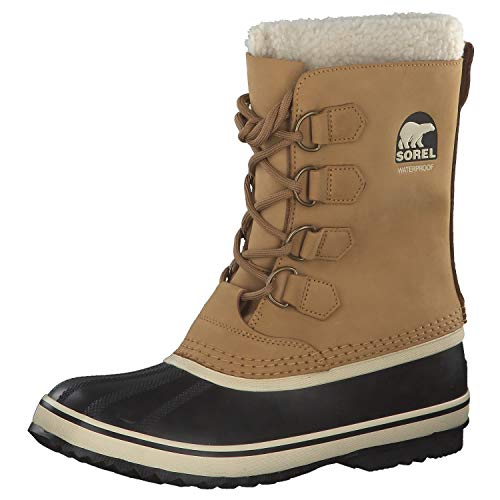
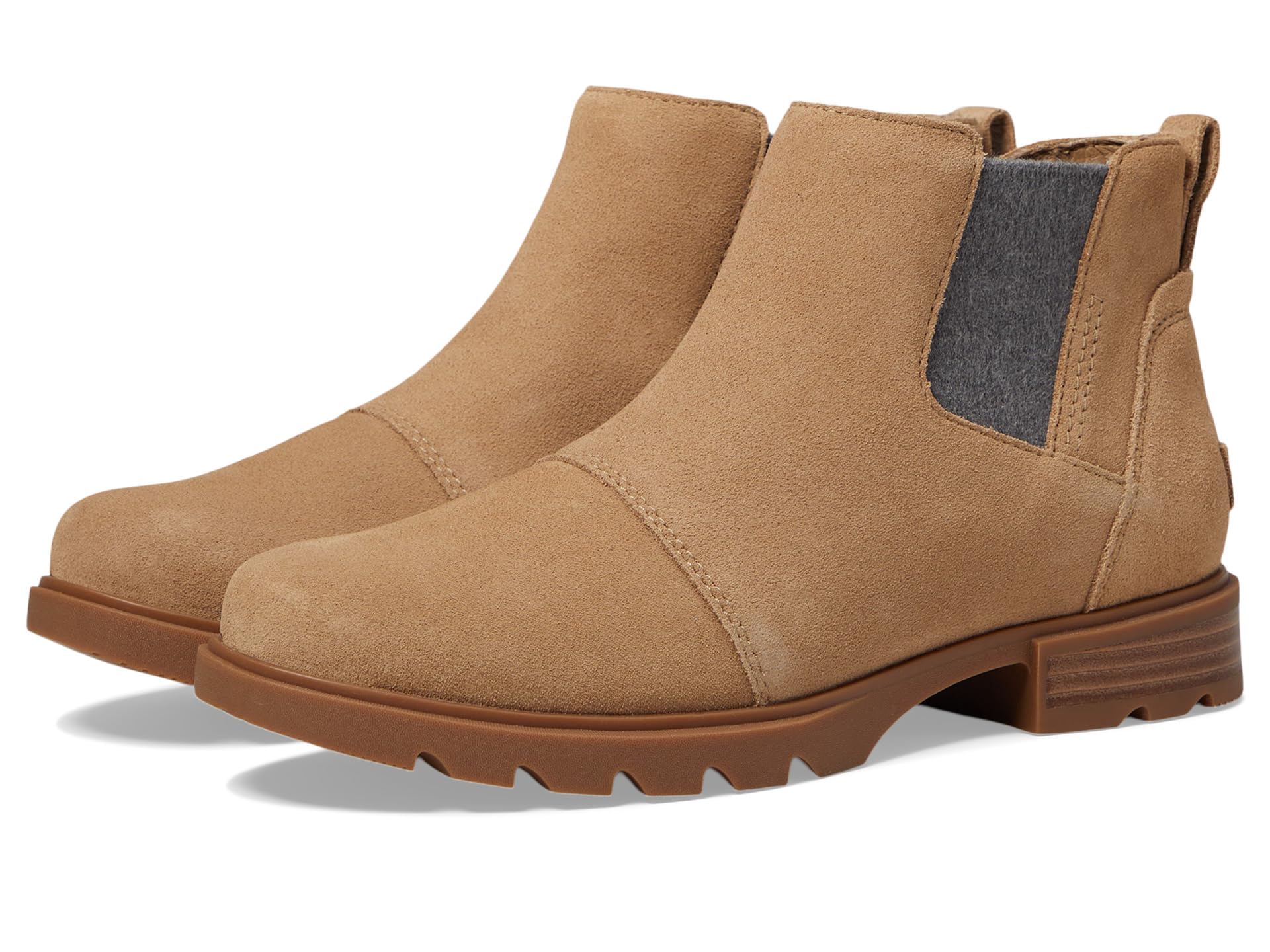
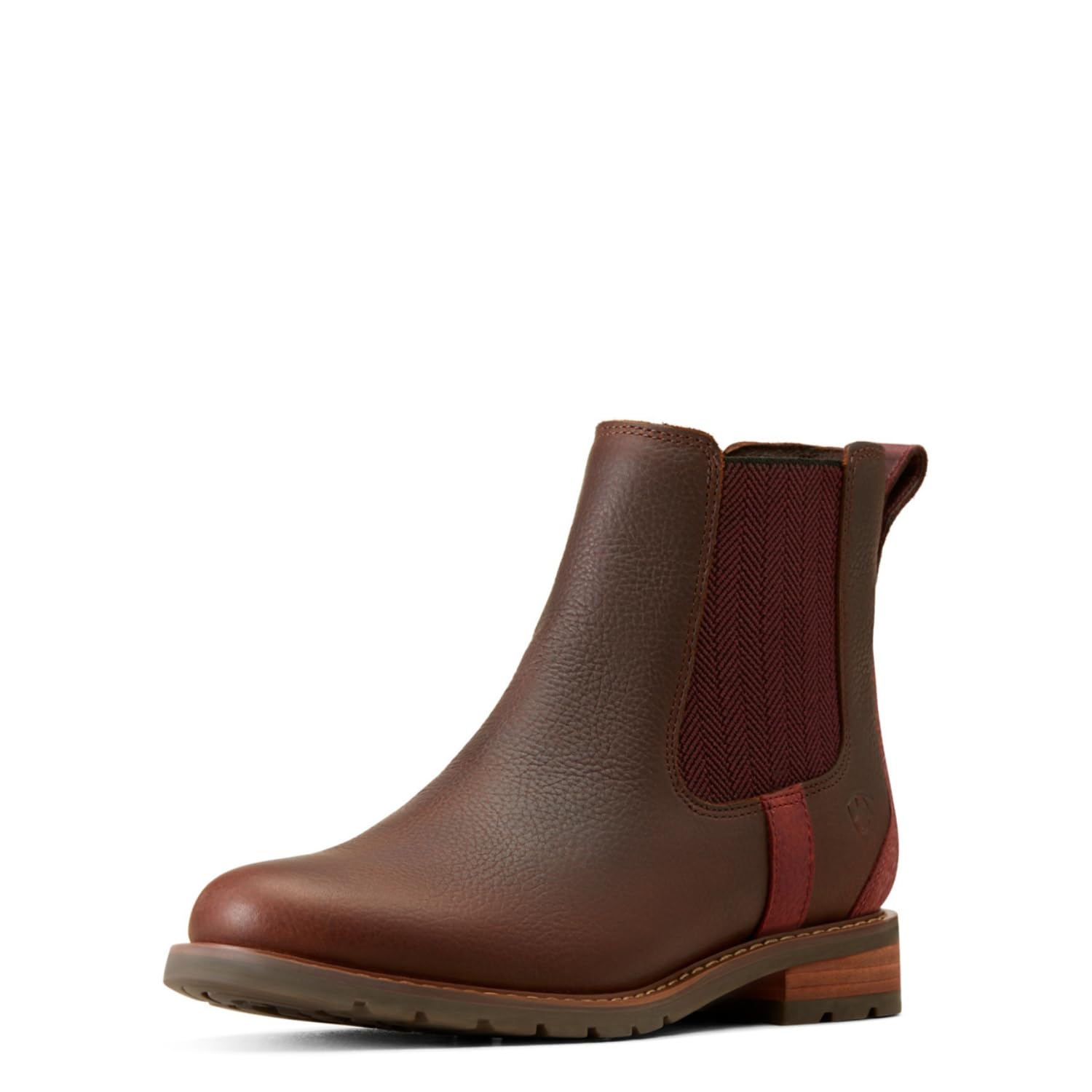
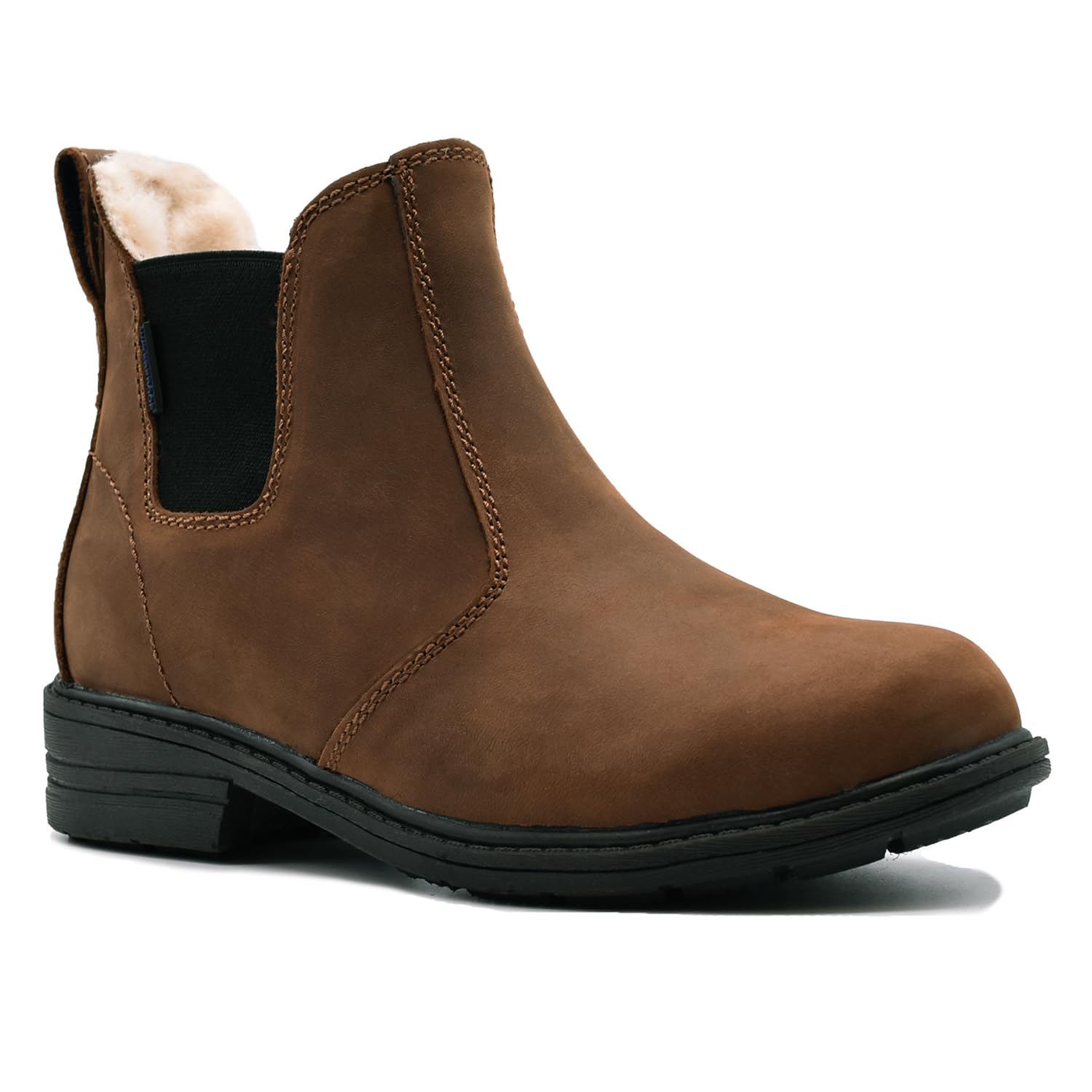
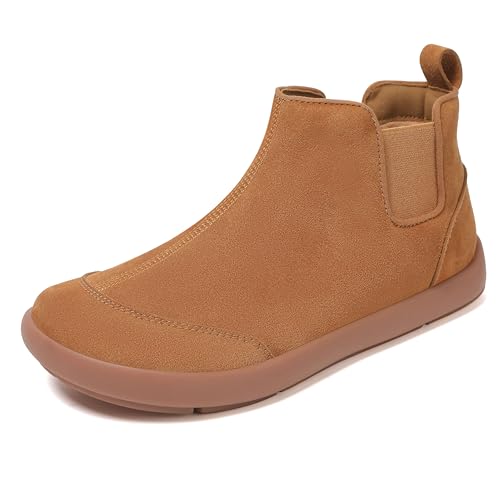
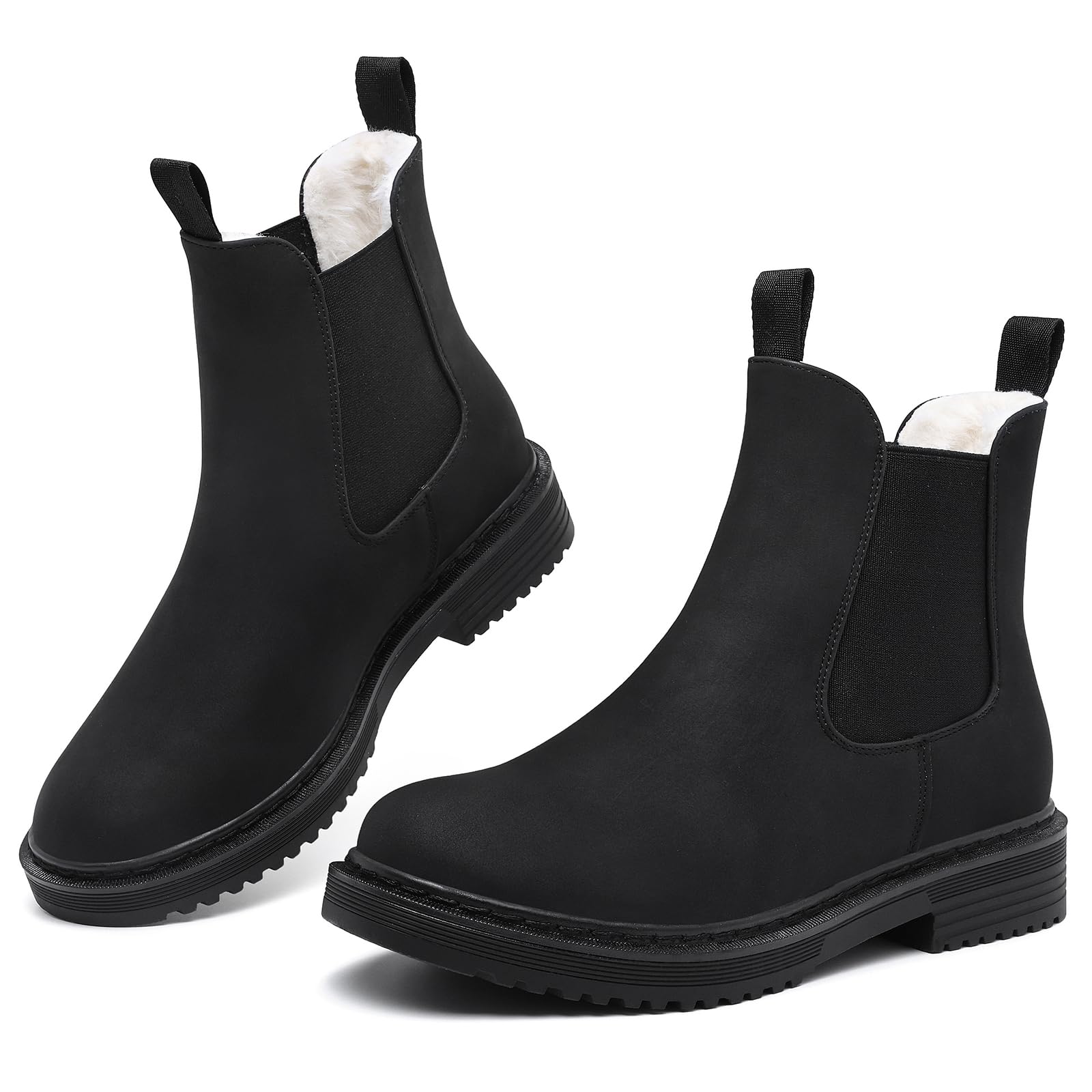

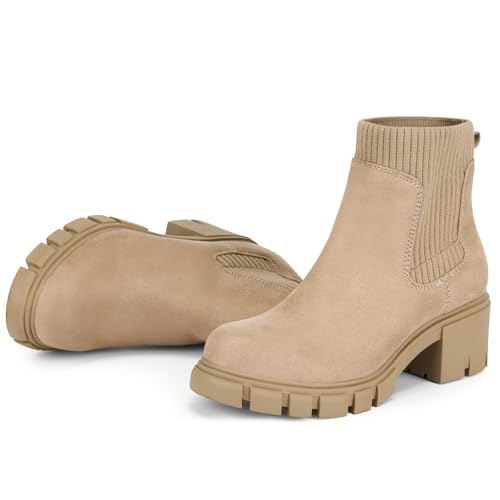
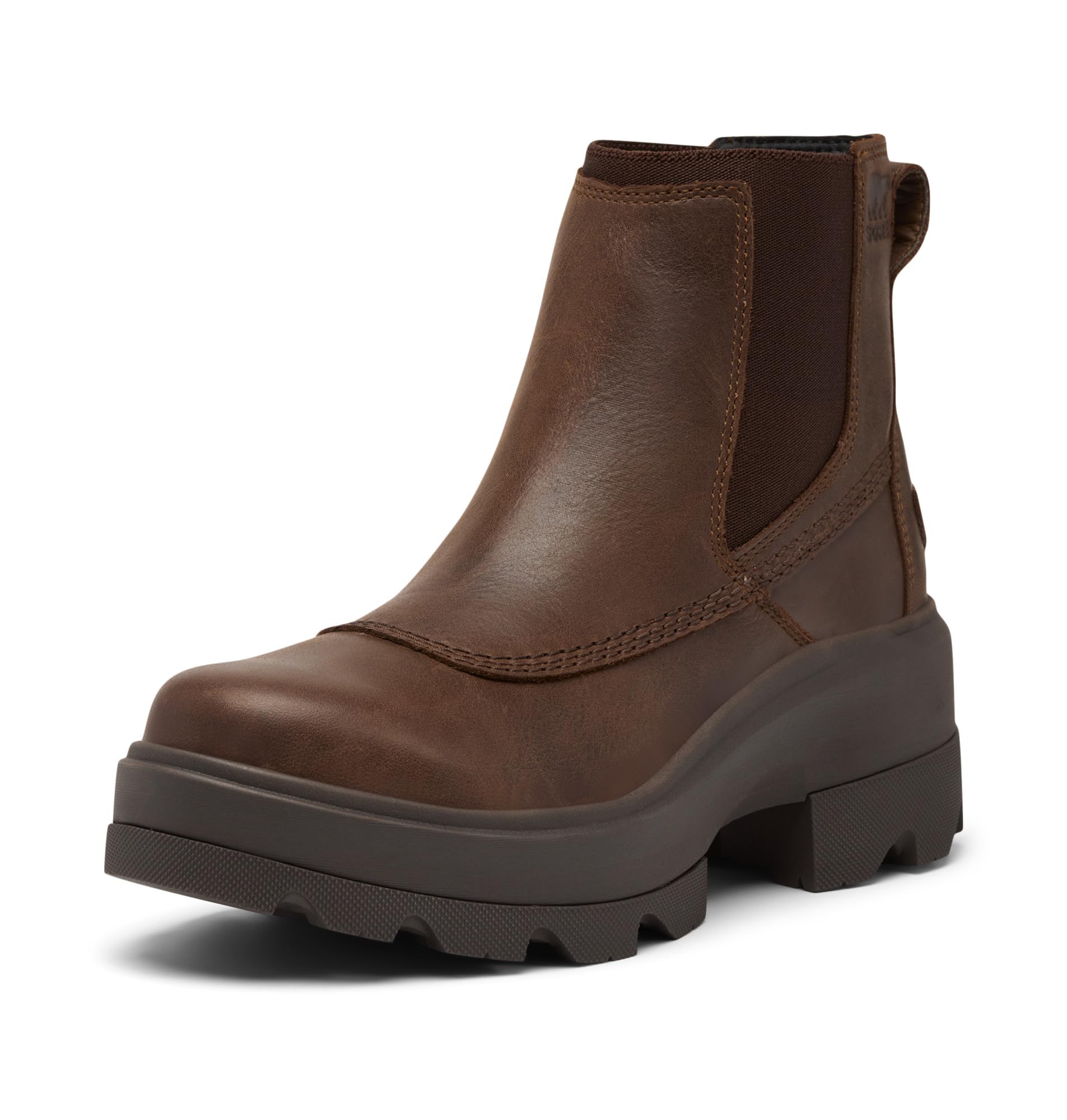
Who Should Buy Which Winter Chelsea Boot?
City Commuters Who Cross Slush and Salted Sidewalks
If your winter day starts with a wet platform and a salted curb, prioritize waterproof uppers and lugs that clear slush instead of packing it. A taller shaft keeps meltwater out better than a low cut. Shoppers comparing dedicated snow footwear can also read our guide to the best winter boots for the deepest days.
Workers Who Move Between Indoors and Outdoors
Delivery drivers, site supervisors, and tradespeople who step in and out all day need warmth without the bulk of a heavy snow boot. Look for moderate insulation, around 200 grams, so your feet stay warm outside yet do not overheat at a desk or in a heated cab. A swappable cushioned insole matters more here than maximum temperature ratings.
Dress Code Wearers With Cold Commutes
Office staff who must look polished can still get real winter function from a sleek chelsea with a discreet lug sole and dark sealed leather. Women comparing shaped fits and narrower lasts can start with our guide to the best winter chelsea boots women's, while men who want a broader fit range can compare the best men's winter chelsea boots before ordering.
How to Choose: Features That Matter
Price alone tells you little, because a winter chelsea earns its cost in the membrane, the lining, and the sole. Use the factors below to judge the best chelsea boots for winter for your climate, and treat maker temperature ratings as rough comfort estimates rather than promises.
Insulation and Lining Choices
Insulation is usually listed in grams. Around 200 grams suits city winters and heated transport, while about 400 grams fits long outdoor exposure in colder regions. Shearling and fleece linings feel warm at lower weights but compress over time. Warmth also depends on your socks and activity, so pick insulation for your coldest normal day, not the coldest on record.
Waterproofing and the Elastic Panel Problem
Most winter chelseas use a waterproof membrane or heavily treated leather, and the better pairs seal the seams where the upper meets the sole. The elastic gore panel remains the weak point, since deep puddles and wet snow reach it before any other part. Breathability is the trade off: a fully sealed boot keeps meltwater out but can feel clammy during a long shift indoors, so air them overnight.
Grip: Lug Depth and Cold Weather Rubber
Look for lugs about 4 to 6 mm deep with wide channels, since narrow tread packs with snow and turns into a slick surface. Rubber compounds made for cold stay flexible when standard soles stiffen, and flexibility lets the tread conform to icy pavement. Thin slits cut across each lug add biting edges on wet stone. No sole can promise you will never slip, so treat tread as risk reduction, not a guarantee.
Fit, Sizing, and Toe Box
Measure your feet in the evening, when they are largest, and try boots on with the socks you plan to wear. Thick socks need length and height in the toe box, because insulation that is squeezed flat loses its warmth. Most buyers stay with their usual size in insulated models, since makers build in sock room, but a cramped toe is a clear sign to go up half a size.
Cushioning and Arch Support
Winter chelseas sit on flatter soles than running shoes, so the insole does most of the comfort work. A removable foam insole lets you add an aftermarket support if your arches tire on hard floors. The small heel to toe drop on most models suits all day standing. If foot pain keeps returning, treat fit as a comfort question and ask a doctor about your arches.
Durability and Expected Lifespan
A welted or stitched sole can often be resoled, which stretches a good pair across many winters, while cemented soles are cheaper but usually end the boot's life when the tread wears smooth. Salt is the main enemy, since it dries leather and stains it within a single season if you never rinse it off. Expect about three to five winters of regular city use from a well kept leather pair.
What Your Budget Buys
Spending more mainly buys better membranes, warmer linings, and repairable soles.
Entry Level Pairs: about $80 to $140
At this level you get synthetic or basic leather uppers, light insulation, and cemented soles. Choose this tier for occasional snow and short commutes in climates where slush lasts days rather than months, since the waterproof coating on most pairs fades with use.
Mid Range Pairs: about $140 to $220
This is the tier most buyers should target. Expect full grain leather or quality suede, a real waterproof membrane, sealed seams, and insulation around 200 to 400 grams, with deeper lugs and colder rated rubber underfoot. For a broader look at the style across every season, our guide to the best chelsea boots shows how winter models differ from the classic unlined version.
Premium Pairs: about $220 to $350
Premium winter chelseas add shearling linings, welted construction, and leathers that shrug off salt with simple care. Fit options usually widen too, with narrow and wide versions of the same design. This tier suits buyers in genuinely cold regions who wear the same pair daily and want resoling to keep it alive for years.
Types of Winter Chelsea Boots
Winter chelseas fall into three families, and your climate decides which one makes sense.
Insulated Waterproof Chelsea Boots
These pair a membrane and sealed seams with 200 to 400 grams of insulation, and they suit commuters and workers in wet, cold regions. They run warm indoors, so skip them if your office is heated and you cannot change shoes on arrival.
Unlined Leather Chelsea Boots With Lug Soles
A thick leather upper and an aggressive sole, with no insulation at all. Warm socks do the thermal work, which makes this type flexible across autumn and mild winter days. It is the lightest option here, and the wrong one for standing around in snow.
Shearling and Fleece Lined Chelsea Boots
Natural shearling or fleece linings trap heat without thick synthetic fill, and they feel warm the moment you pull the boot on. The lining compresses over the first weeks, so a snug new fit is normal. These suit dry cold climates better than slush, since the lining dries slowly once soaked.
Care Tips That Keep Winter Chelseas Working
- Rinse salt off leather with a damp cloth after slushy days, because dried salt dries out the hide.
- Dry wet boots at room temperature away from radiators, since direct heat cracks leather and can warp cemented soles.
- Rotate two pairs on workdays if you can, giving each boot a full day to release the moisture its lining absorbed.
- Condition the leather before the season starts and again midway through it.
- Store boots upright with the shafts supported, so the ankle leather does not fold and crack at the crease.
Frequently Asked Questions
What features matter most in chelsea boots for winter?
Warmth, waterproofing, and grip matter most, in that order for most buyers. A boot with 200 to 400 grams of insulation, a sealed membrane, and lugs at least 4 mm deep covers most winter conditions. Fit runs a close fourth, because even the warmest boot fails if thick socks crush your toes and cut circulation.
Can chelsea boots for winter be worn all day at work?
Yes, winter chelseas can be worn all day if the insole suits your feet and the insulation matches your building. Boots built for deep cold can overheat indoors, so many wearers pick moderate insulation and keep a lighter shoe at the desk. Standing on hard floors all day also rewards a cushioned, removable insole.
How long does the break in period for winter chelsea boots last?
Most leather winter chelseas soften within about one to two weeks of regular wear. The elastic panels give first, then the leather over the toes settles and the insole molds to your foot. Insulated models feel snug at first because the lining has not compressed, so judge the fit again after several full days.
Do winter chelsea boots need to be fully waterproof?
They do if your winter means slush, melting snowbanks, or wet freeze cycles, since a chelsea's elastic panel sits low and splashes reach it easily. In dry, cold climates where snow stays powdery, water resistant treated leather is usually enough and breathes better. Match the sealing to your wettest normal week, not to a single storm.
How should chelsea boots for winter fit with thick socks?
They should leave about a thumb width of length in front of your longest toe while you wear your thickest winter socks. Your heel should stay seated when you walk, with only slight lift, and the toe box needs enough height that the insulation is not pressed flat. If your toes feel numb after twenty minutes indoors, the fit is too tight for cold weather.
Final Thoughts
Start with your climate, then your commute, then your budget. The best chelsea boots for winter for you are the ones whose insulation, sealing, and tread match the conditions you actually face each week. Compare the finalists in the product table above, check the fit with your real winter socks, and your chelseas will stay comfortable long after the first snowfall.


