
Best Chelsea Boots for Snow by Budget: Smart Picks for 2026
Disclosure: We may earn a commission when you buy through links on this page, at no extra cost to you. As an Amazon Associate I earn from qualifying purchases. Learn more

Compare the best chelsea boots for snow by budget, waterproofing, insulation and grip so you can choose warm, dry boots without overspending.
Chelsea boots look simple, but snow quickly exposes weak waterproofing, smooth soles and thin linings. Prices also vary widely, and a higher price does not always buy warmer feet. If you want the best chelsea boots for snow for your budget, you need to know which upgrades change daily comfort and which ones only change the label.
This guide sorts the spending for you. You will see who each style suits, what each tier delivers, and which features deserve your money first. Use the comparison table below to check shaft height and insulation as you read.

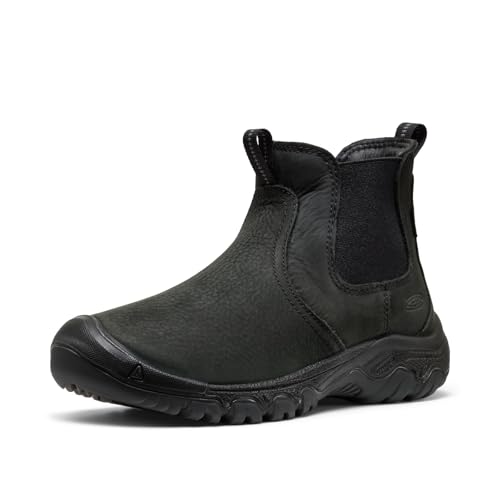
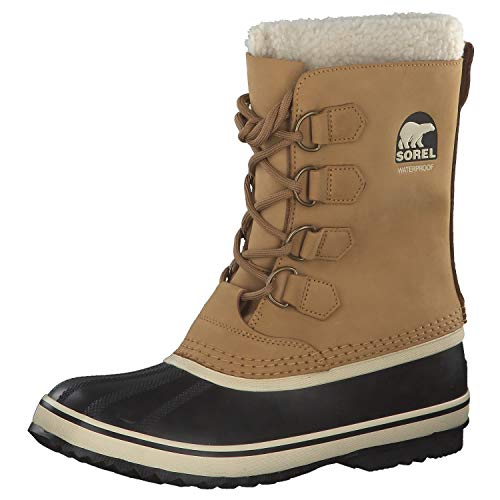
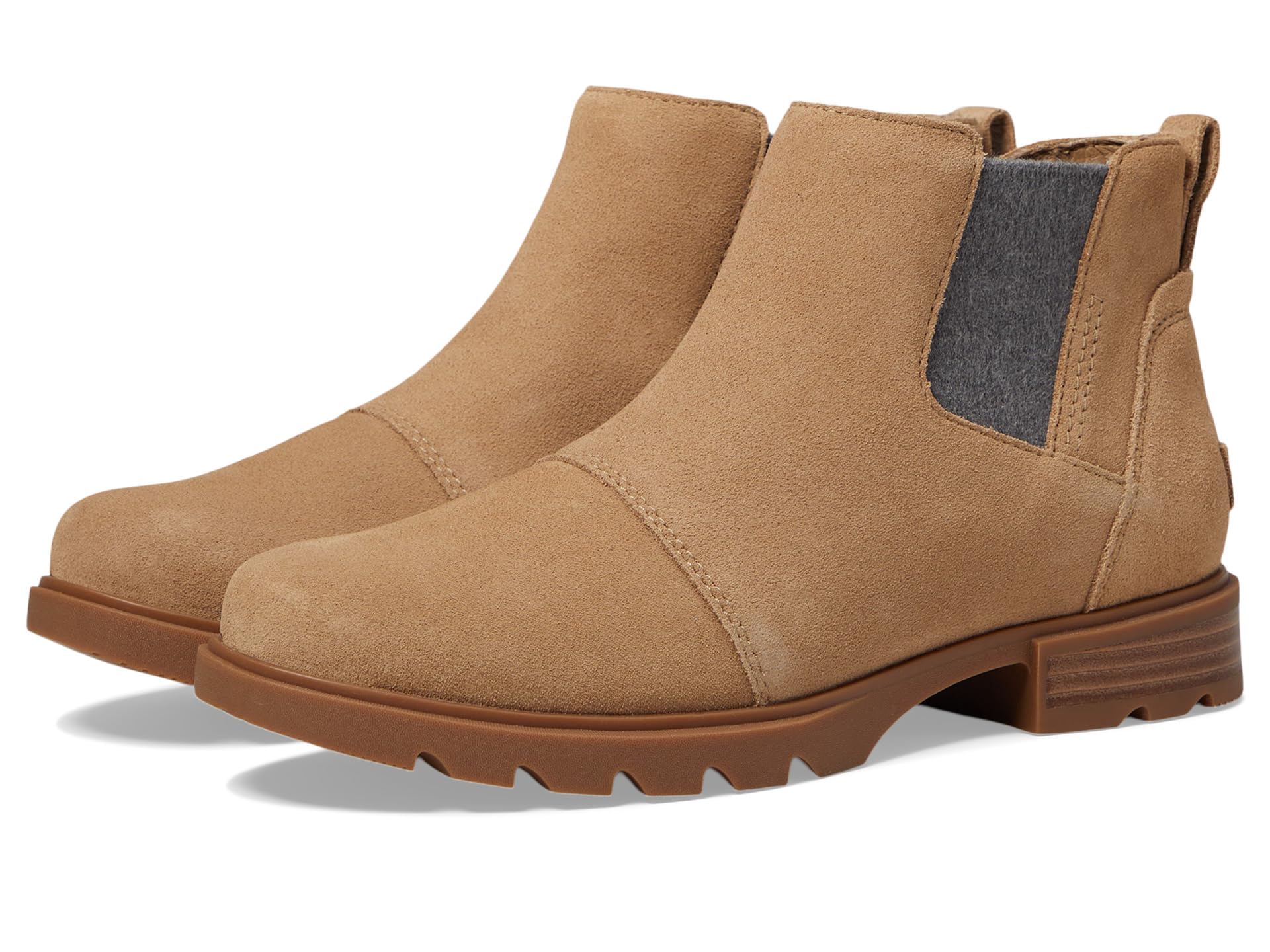
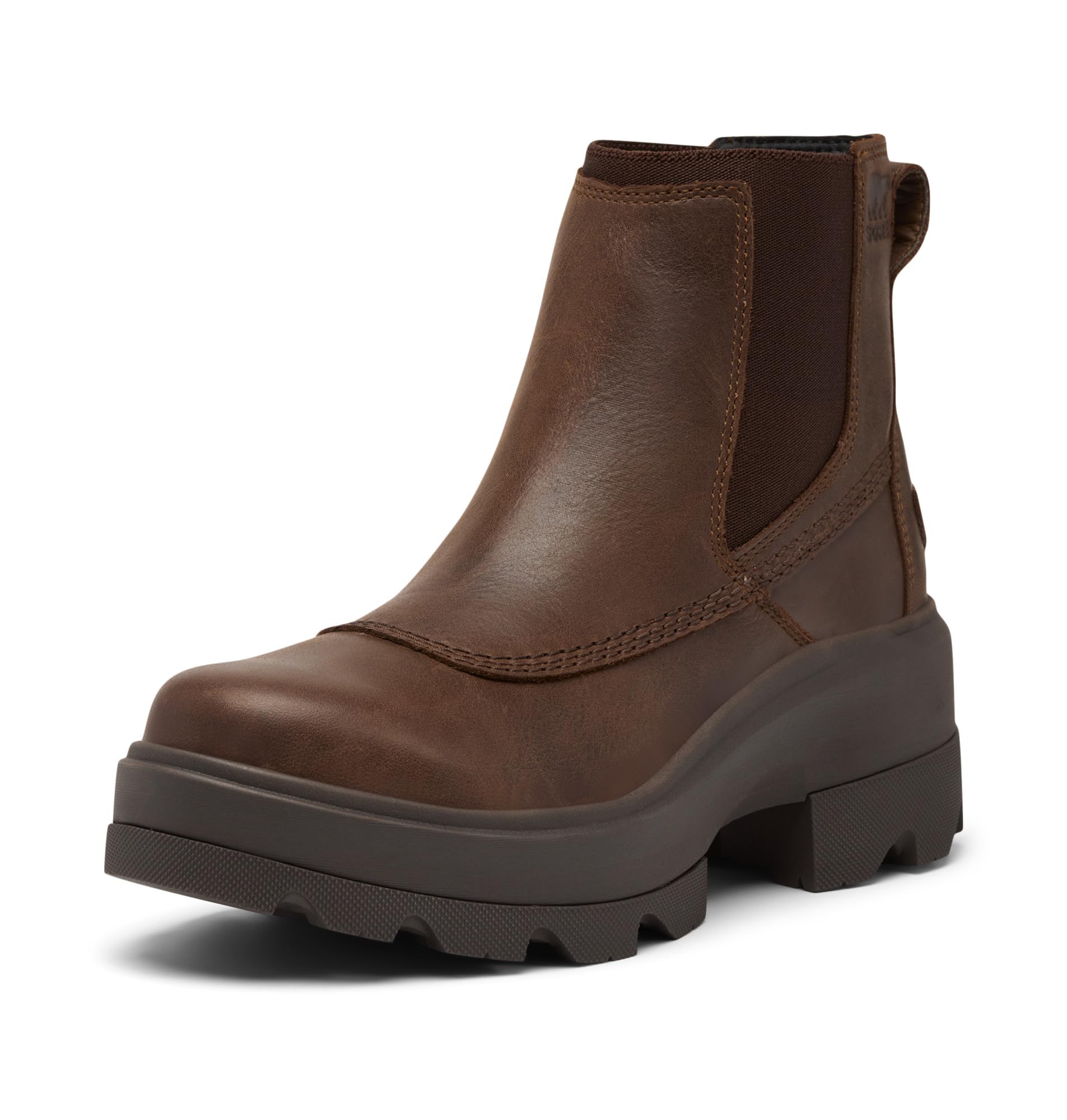
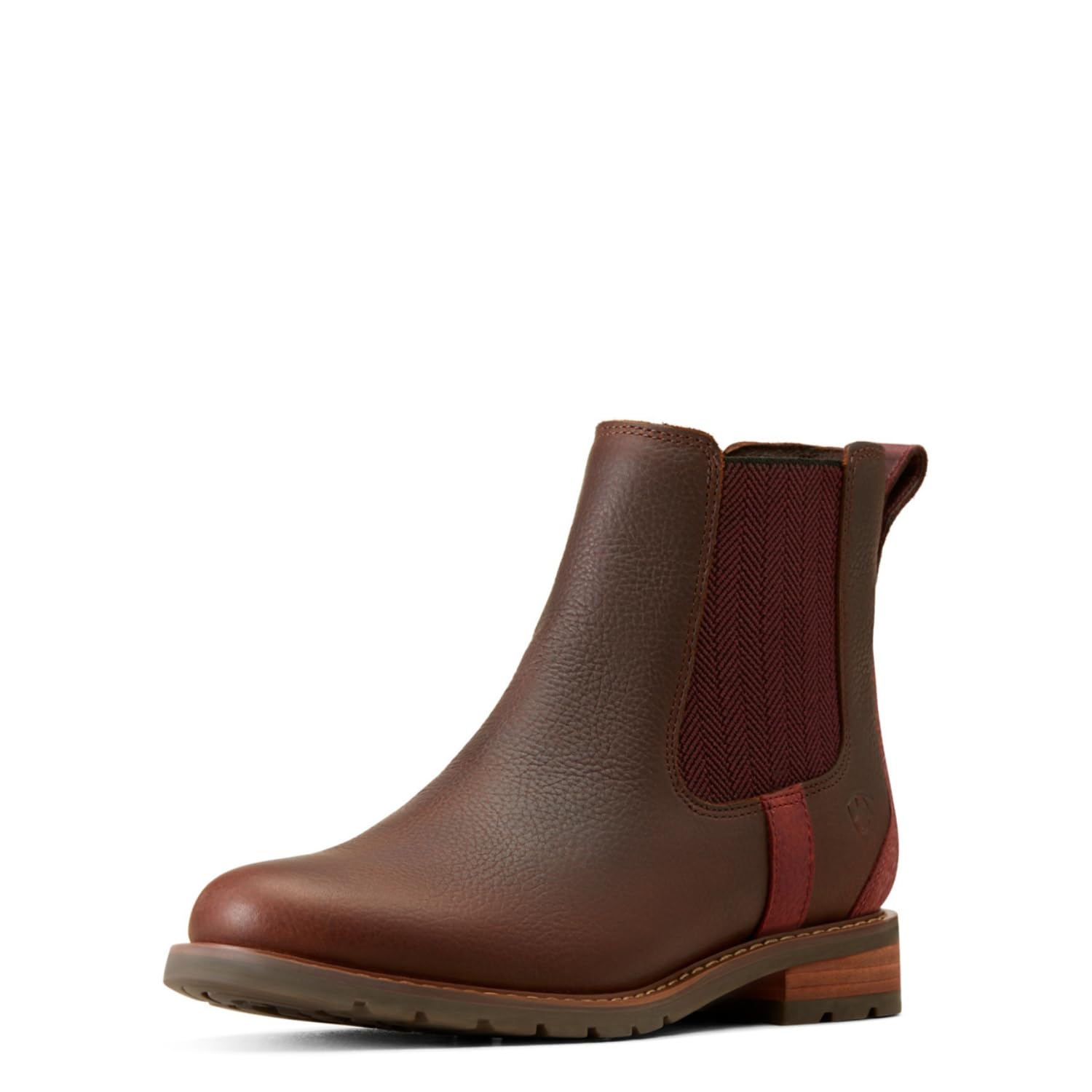
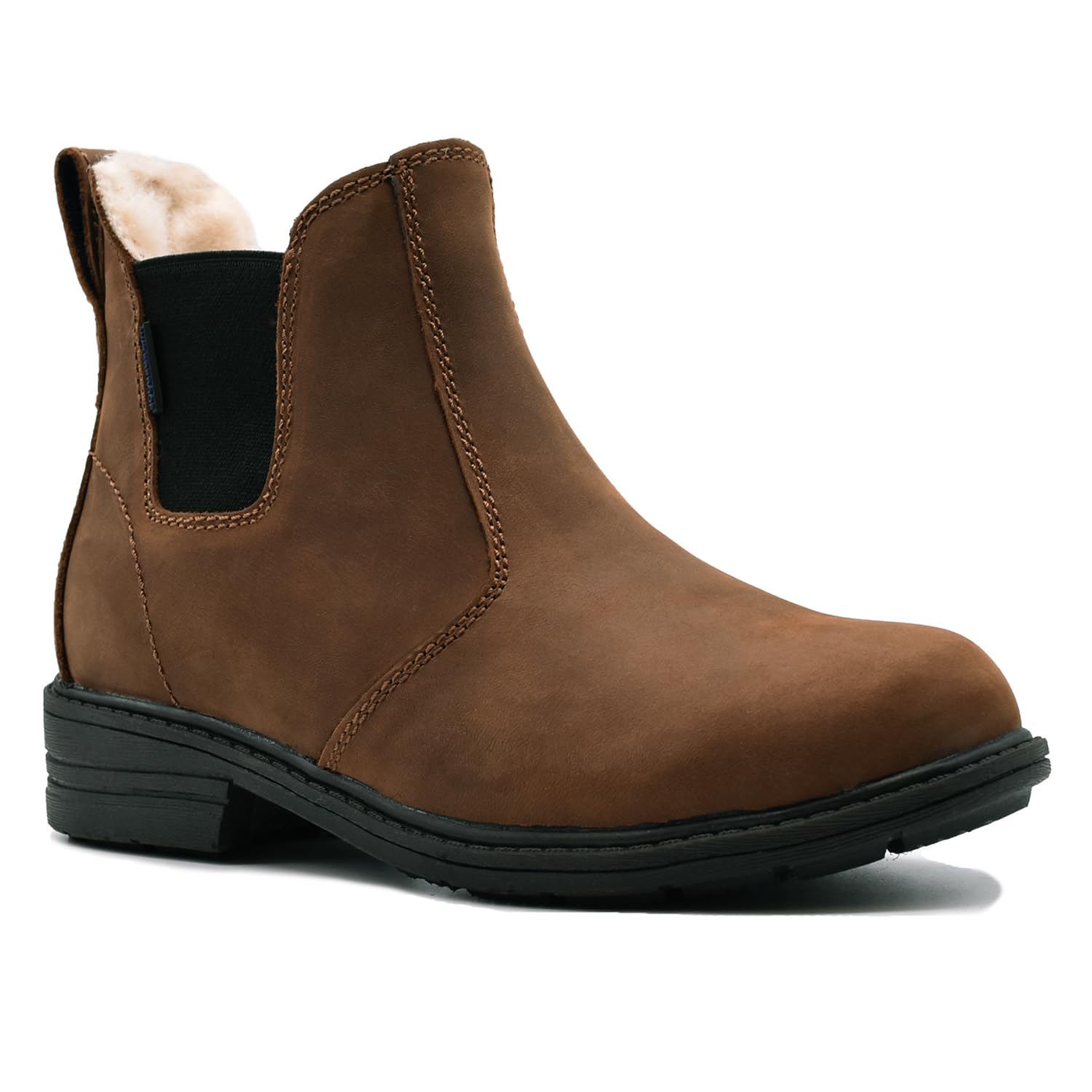

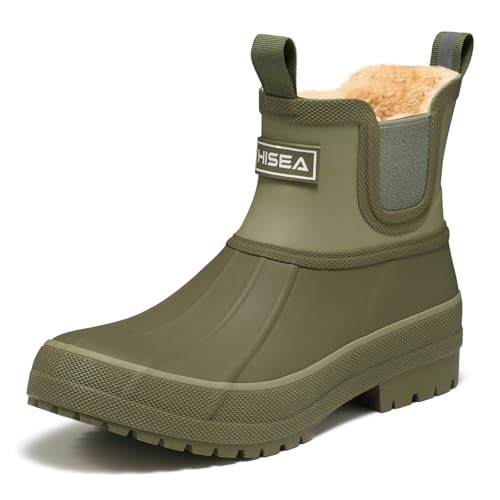
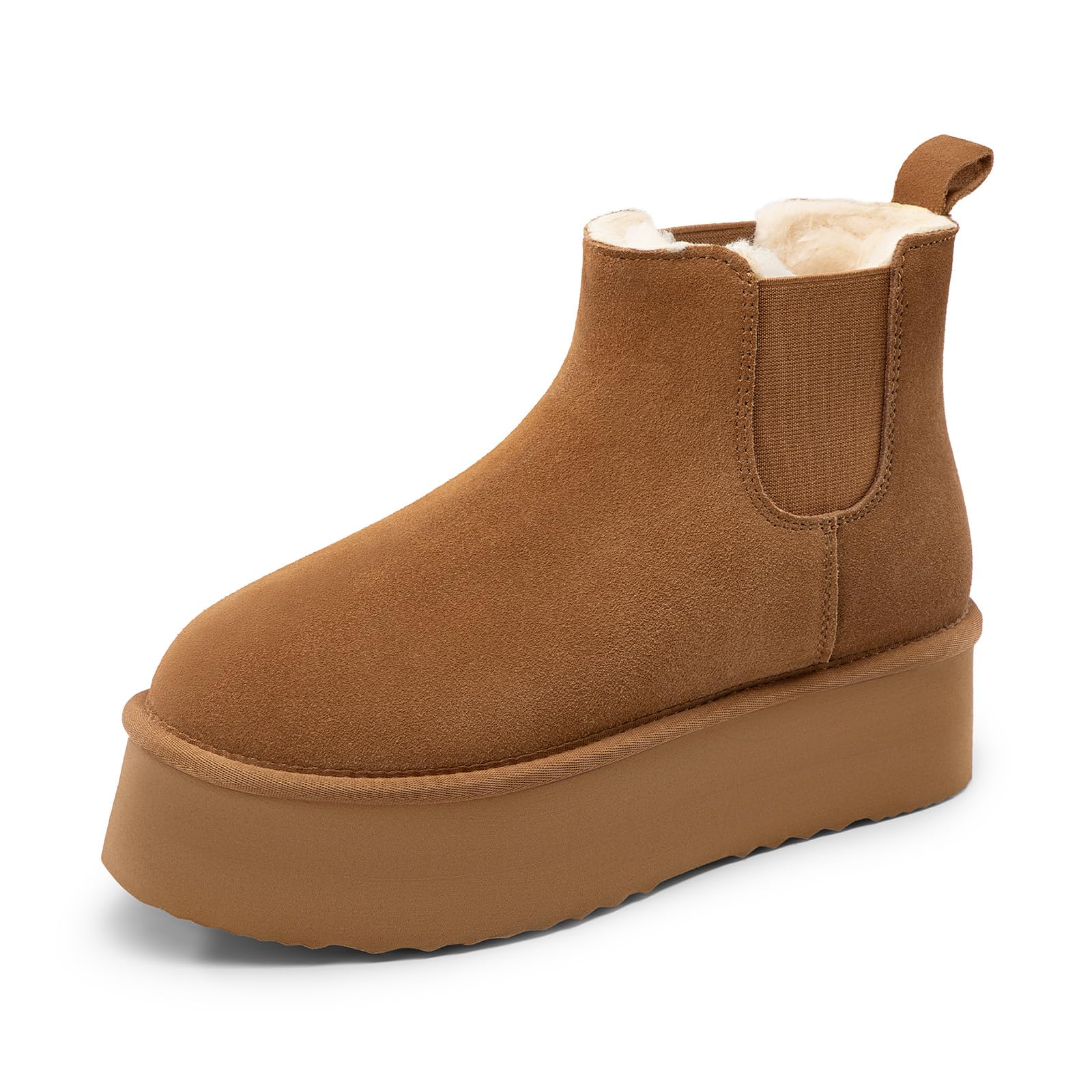
Who Should Buy Chelsea Boots for Snow
Daily Commuters Who Walk on Cleared Streets and Platforms
You walk short stretches between home, transit and work, mostly on plowed sidewalks and salted pavement. A mid height shaft, light insulation and a lugged rubber sole usually cover your needs. You can stay in the middle price range and still get sealed seams and a warm lining. If your route includes long waits outdoors, choose thicker insulation over a sleeker profile, since standing still cools feet faster than walking.
Suburban and Rural Readers Who Cross Yards, Drives and Slush
You step through unplowed edges, wet grass and deep slush before you reach a clear path. You need a taller shaft, stronger waterproofing and deeper lugs than a city commuter does. Snow can reach the elastic panels on this route, so a gusset behind the panel matters for you. If you want taller lace up options for deeper drifts, see our guide to the best snow boots.
Style Focused Buyers Who Want One Pair for Work and Evenings
You want a clean leather profile that works with trousers at work and with jeans after hours, yet still handles snow on the walk between places. Look for full grain leather, a neat but lugged sole and hidden insulation. Women comparing dressier winter options can also see our guide to the best ladies snow boots, while men who want a plainer work profile can see our guide to the best snow boots for man.
Snow Chelsea Boot Price Tiers From Light Flurries to Deep Winter
Under About $100: Basic Protection for Light Snow Days
Boots under about $100 usually give you a water resistant upper rather than a fully waterproof build, plus a thin fleece or synthetic lining. Seams are often stitched without sealing, so slush can creep in during longer walks. Soles tend to use softer rubber with shallow lugs that grip packed snow but slide sooner on ice. This tier suits occasional snow and short errands. Spend here only if your exposure stays brief.
About $100 to $180: Sealed Seams and Insulation That Earn Their Cost
Most readers find the strongest value in this middle range when they shop for the best chelsea boots for snow for daily winter use. Typical upgrades include sealed seams, a waterproof membrane, around 100 to 200 grams of insulation and firmer rubber with deeper lugs. Elastic panels often gain a gusset, and footbeds offer better arch support. These changes matter more than decorative leather finishes, so this tier deserves first consideration.
Above About $180: Better Leather, Stronger Build and Longer Service
Premium pairs above about $180 usually bring full grain leather that resists salt and scuffs better, plus membranes such as Gore Tex that block water while letting some vapor escape. You also tend to get stitched welts, denser cushioning and replaceable insoles. The extra money buys lifespan and comfort on long days rather than a dramatic jump in warmth. Choose this tier if you wear the boots daily all winter.
Key Features to Compare
Waterproofing and Sealed Construction for Meltwater
Waterproofing decides whether slush stays outside your boot. A membrane lining blocks liquid water, while sealed or taped seams close the stitch holes that plain stitching leaves open. Coated leather sheds light snow, but only a membrane build handles standing slush at curbs. Check details for the words waterproof and sealed seams, not just water resistant, since resistant coatings wear off over time. If you mainly compare dedicated waterproof boots, that detail should guide your shortlist.
Insulation That Keeps Warmth Without Cooking Your Feet Indoors
Insulation is usually listed in grams, and more grams means a warmer boot for standing and slow walking. Around 100 grams suits active commuters in milder cold, while around 200 grams suits colder regions and longer time outside. Thick insulation adds bulk, so very warm boots can feel clumsy on stairs. Choose the level that fits your coldest regular routine, not your coldest rare day, since a boot that feels perfect outdoors may feel hot at a desk.
Outsole Lugs and Rubber That Grip Ice and Packed Snow
The outsole is your contact with winter ground, and lug shape matters as much as lug depth. Lugs around 4 to 6 mm deep with wide spacing shed snow instead of packing it into a smooth layer. Softer rubber stays flexible in cold weather and grips better than hard rubber that stiffens and skates. Look for varied lug angles at the heel and forefoot, since braking on a slope uses the heel edge first.
Elastic Panels, Pull Tabs and the Places Snow Gets In
The elastic side panel gives Chelsea boots their easy entry, but it is also the weakest point in snow. Panels sit lower than the leather around them, so deep snow and splashed slush can reach the fabric and soak through. A gusset, a folded tongue of material behind the panel, greatly reduces that entry. Pull tabs help you pull the boot on with gloves. Prefer a taller shaft with a gusseted panel if your route includes unplowed ground.
Fit, Toe Box and Cushioning for Thick Socks and Long Walks
Snow boots must fit with the socks you will actually wear, so allow extra length and volume for thick winter socks. Your toes should move freely inside the toe box, since tight toes restrict circulation and feel colder even in a warm boot. A cushioned footbed with steady arch support reduces fatigue on frozen pavement, and a firm heel cup adds stability on uneven ground. Try boots late in the day with winter socks on.
Common Mistakes to Avoid
- Choosing suede or uncoated fashion leather for snow, so salt and meltwater stain and soak the upper quickly.
- Buying your usual dress shoe size without room for thick socks, so tight toes feel cold on longer walks.
- Trusting a smooth or shallow tread sole on ice, so a short slope becomes a fall risk.
- Spending on premium leather while skipping sealed seams, so slush enters through the stitching.
- Wearing low shafts through deep snow, so snow spills over the elastic panel into the lining.
- Storing wet boots beside a hot radiator, so leather dries too fast and cracks.
Care and Maintenance for Chelsea Boots in Winter
Rinse or brush off road salt after snowy walks, since dried salt draws moisture from leather and leaves stiff white marks. Stuff the boots loosely with newspaper and let them dry at room temperature away from direct heat. Once dry, apply leather conditioner in storage months and renew water repellent treatment on fabric panels as the maker directs.
Check lug depth and heel wear each season, since a worn smooth heel edge removes your braking grip on slopes. Store the pair upright with the shaft supported, and rotate with a second pair on wet weeks so each boot dries fully. Readers who want a broader Chelsea wardrobe beyond winter can also see our guide to the best chelsea boots.
Your Chelsea Boot Questions for Snowy Weather
What features matter most in Chelsea boots for snow on a tight budget?
Sealed seams and a lugged rubber sole matter most on a tight budget. If money forces a choice, put waterproof construction ahead of thicker insulation, since dry feet in a lightly lined boot feel warmer than damp feet in a heavily lined one. A wool blend sock adds warmth cheaply without changing the boot. Skip decorative buckles that add cost without keeping water out.
How should Chelsea boots for snow fit when you wear thick winter socks?
Chelsea boots for snow should feel snug at the heel with clear space in front of your toes when you wear thick winter socks. Stand and slide your foot forward until your toes lightly touch, then confirm a finger fits behind your heel. Some heel movement is normal in a slip on boot at first, but your heel should not slam up and down. If the elastic panel strains hard over your ankle, size up.
Do you need fully waterproof Chelsea boots for light snow only?
You need full waterproofing only if your light snow includes slush, wet crossings or snow that melts on warm pavement. Dry powder on a short, cold walk can suit a water resistant coated leather boot, especially if you treat it before the season. The deciding factor is meltwater, not snowfall totals. If your city salts heavily, assume slush will form and choose the membrane build.
Are premium Chelsea boots for snowy winters worth the extra cost?
Premium Chelsea boots for snowy winters are worth the extra cost if you wear them most days and want several seasons of use. The clearest gains are leather that tolerates salt with less damage, soles that keep grip longer and linings that stay lofted instead of packing flat. Stitched welts can often be resoled, which spreads the higher price across more winters. Occasional wearers rarely recover that value.
How long is the break in period for leather Chelsea boots worn in snow?
The break in period for leather Chelsea boots worn in snow is usually about one to two weeks of regular short walks. Start indoors and on clear pavement, since stiff new leather plus an icy surface is a poor pairing while the heel area still creases to your stride. Do one shorter walk in your normal winter socks before a long commute. If pain stays sharp after two weeks, the size is wrong.
Our Verdict
Start with waterproof construction, then match insulation to your coldest regular day and choose lugs you trust on packed snow. Budget pairs suit brief, light snow, the middle tier covers most daily winter use, and premium leather earns its price through seasons of wear. The best chelsea boots for snow for you stays dry, grips your actual route and fits your thickest socks. Compare shaft height and insulation in the product table above before you order.


