
Best Chef Work Shoes 2026
Disclosure: We may earn a commission when you buy through links on this page, at no extra cost to you. As an Amazon Associate I earn from qualifying purchases. Learn more

How to choose the best chef work shoes: slip resistance, cushioning, protection, fit and care.
A work shoe for a commercial kitchen, bakery or food-prep room has to survive grease, hot water and ten-hour days on concrete. The best chef work shoes grip wet floors, protect your toes and heels and stay comfortable long after the cheap alternatives have flattened out. The product table below compares the main styles so you can match a shoe to your station, your floor and your budget.
This guide explains the features that matter for food-service work, how to fit and care for a pair, and where to spend or save.

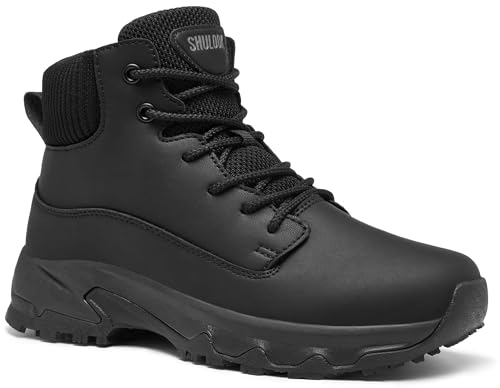

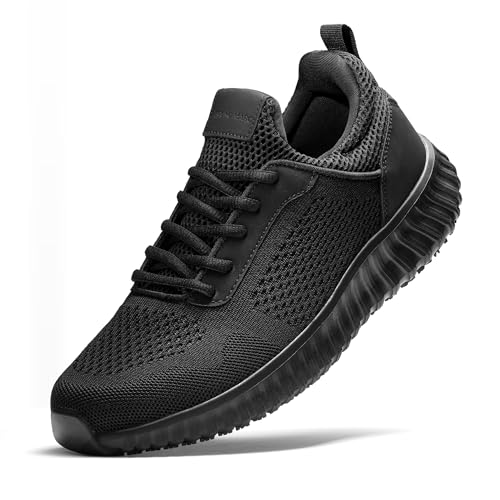

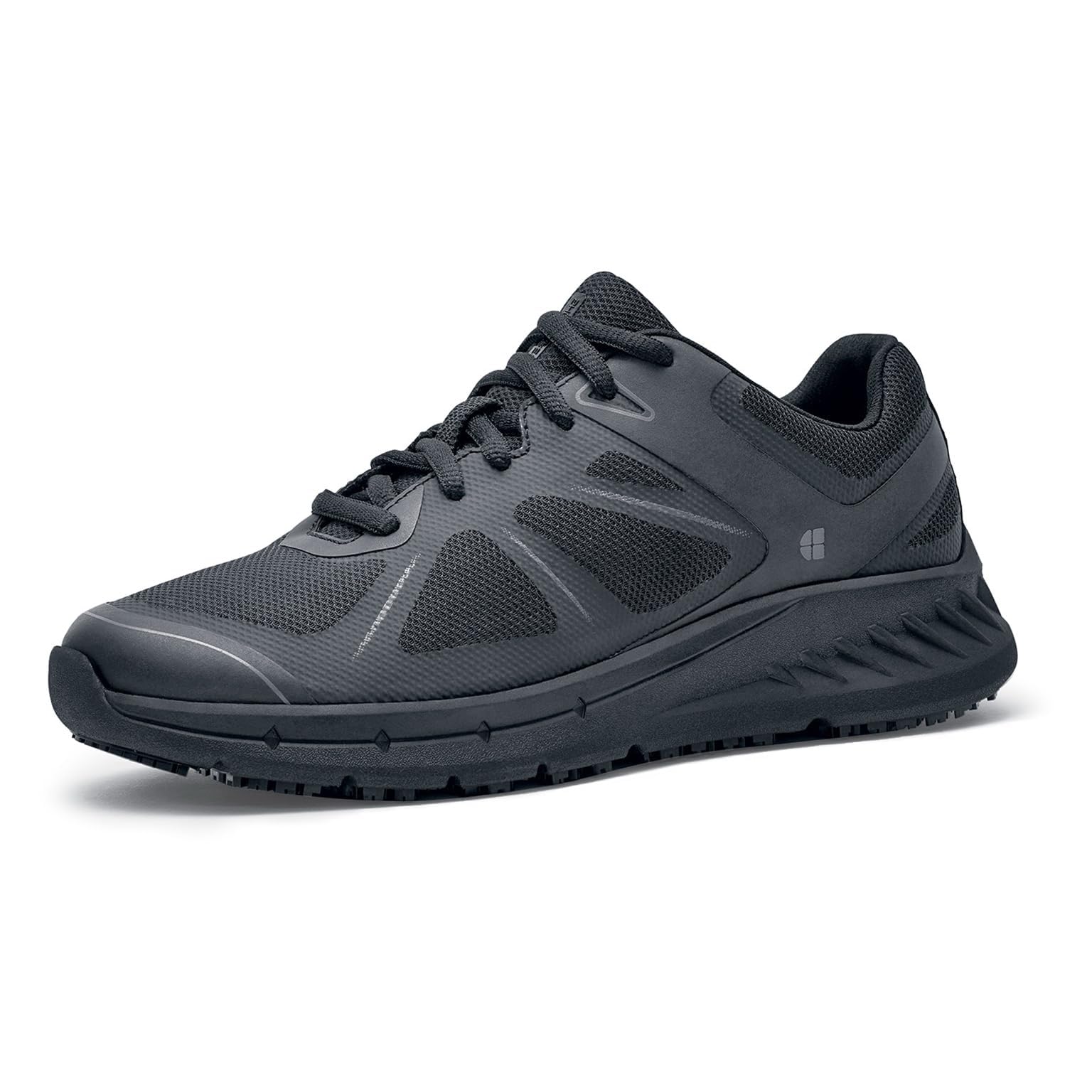
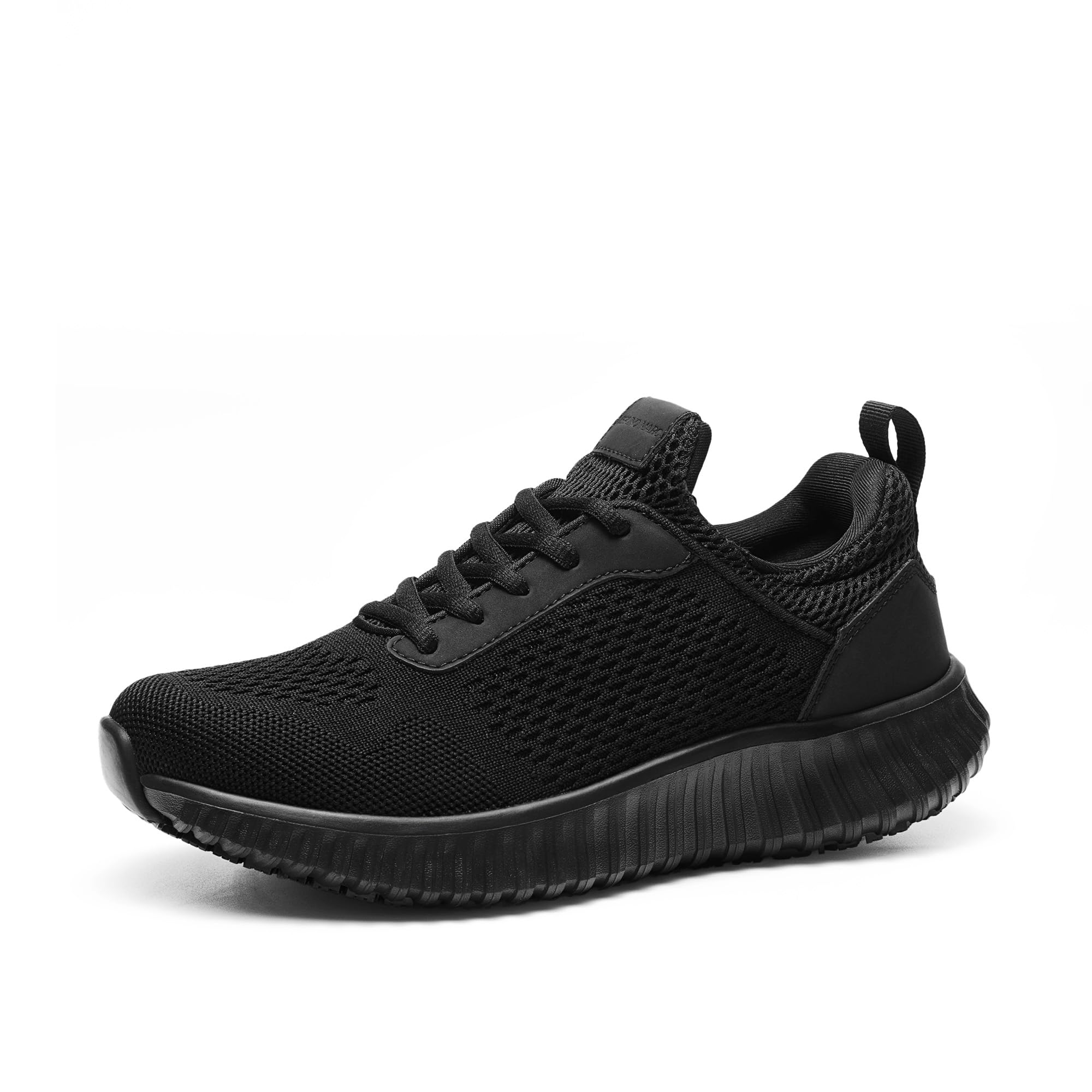


Who Needs Chef Work Shoes
Line cooks, prep cooks, bakers, dishwashers, caterers and kitchen managers all spend hours on slick floors. Front-of-house staff who cross the kitchen also benefit from slip-resistant soles. Roles with heavy lifting or falling-object hazards may need safety-toe footwear that meets workplace rules, so check your employer's policy first, because chef work shoes focus on grip and comfort rather than industrial protection.
Key Features of the Best Chef Work Shoes
Slip-Resistant Outsole
The outsole is the first thing to check. Soft rubber with a fine, multi-directional tread channels water and oil away from the contact area. Listings that say oil resistant or slip resistant on wet floors are a better sign than a plain smooth sole. Replace the shoes when the tread wears smooth.
Cushioning and Support
Standing on hard floors all day tires the feet, knees and back. A cushioned midsole absorbs impact, and a supportive insole keeps the arch from collapsing as you tire. Firm, responsive cushioning usually outlasts very soft foam, which tends to flatten by midday.
Water and Spill Resistance
Spills come from above in a kitchen, so a wipeable, water-resistant upper does most of the work. Fully waterproof boots suit dish pits and wash rooms, but they run warmer and can feel clammy on a hot line.
Toe and Heel Protection
A closed toe, a closed heel and a sturdy heel counter protect your feet from dropped utensils and hot liquids. Some styles add a reinforced toe cap. Open-back clogs without a strap and mesh sneakers do not belong in most professional kitchens.
Breathability and Easy Cleaning
Hot kitchens call for uppers that let heat out without letting spills in. Smooth synthetic and coated materials wipe clean in seconds, while fabric soaks up grease. A removable insole helps the shoe air out between shifts.
Style Options
Clogs
Clogs are roomy and easy to put on, and they clean quickly. They suit cooks who change often or want extra toe room, but check the heel hold.
Lace-Up Sneakers
Lace-ups offer the most adjustable fit and hold the midfoot securely during fast movement. They suit cooks who walk between stations all day.
Slip-On Shoes
Slip-ons go on quickly and look neat, which suits staff who move between kitchen and dining room. They need a snug fit so they stay on during busy service.
Work Boots
Boots keep water out and protect the ankle. They suit wet roles, such as dishwashing, better than a hot grill station.
Fit, Sizing and Break-In
Try shoes on late in the day with your work socks. You want a thumb's width in front of your longest toe, a heel that stays put and no pressure across the forefoot. Wear a new pair for short shifts first and watch for rubbing at the heel and toes before you commit to a double shift. If you use insoles, bring them to the fitting and check the depth.
Daily Use and Care
Wipe the upper and rinse the sole after each shift, then let the shoes air out overnight. Take out the insoles to dry them, and clear food from the tread. Rotating two pairs keeps the cushioning fresh. Stop wearing a pair that slips, pinches or causes foot pain, and replace worn soles promptly. If foot pain keeps coming back, talk with your doctor or a podiatrist.
For more footwear options, see our guides to the best chef shoes, the best work shoes for men and the best work shoes for women.
Common Mistakes to Avoid
- Buying on price alone and replacing a flat, slippery pair every few months.
- Choosing a smooth-soled sneaker that has no oil or wet-floor rating.
- Skipping the workplace rules on closed backs, colors or sole ratings.
- Wearing a new pair for a full shift without a break-in period.
- Forgetting to check the tread, which wears out long before the upper does.
Frequently Asked Questions
How do I choose the right chef work shoe?
Start with your floor and your role. Pick a slip-resistant sole first, then a closed protective upper, then the cushioning and fit that suit your shift length. Try the shoes late in the day with your work socks.
What should I check before I buy chef work shoes?
Check the sole description, the closed toe and heel, the upper material and the return policy. Keep the box until you have worn the shoes through a full shift, so a return is simple if the fit is wrong.
How do I care for chef work shoes?
Wipe the upper after each shift, rinse the sole and let the shoes dry fully. Remove the insoles to air them and rotate two pairs if you work daily. Avoid harsh chemicals that can damage the sole.
Can I wear chef work shoes every day?
Yes, if they fit well and you keep the tread in good shape. Watch for flattened cushioning, smooth tread or a loose heel, and replace the pair when you notice them.
When should I ask for professional advice?
Ask a doctor or podiatrist if you have foot pain that keeps returning, numbness or swelling. Ask your employer if you are unsure which safety rules apply to your station.
Final Thoughts
Choose grip first, then protection, then cushioning and fit, and replace the pair before the tread wears smooth. Compare the options in the product table above and check the return terms before you order. The best chef work shoes keep you steady and comfortable from the first prep task to the last cleanup.


