
Best Chef Shoes for Flat Feet: Types Compared and How to Choose for 2026
Disclosure: We may earn a commission when you buy through links on this page, at no extra cost to you. As an Amazon Associate I earn from qualifying purchases. Learn more

Compare types of the best chef shoes for flat feet by support, price, and kitchen use, with clear guidance on fit, cushioning, and daily comfort.
Flat feet change how you stand through a whole shift, so a chef shoe that suits a high arch can leave you sore and unstable. With so many styles on offer, choosing best chef shoes for flat feet starts with understanding the types, not chasing a single model. This guide compares each type by who it suits, what it does well, and where it falls short.
Start with the comparison table below for a quick view of support levels and price ranges. Then read the type breakdowns to see which style fits your station, your floor, and your feet.

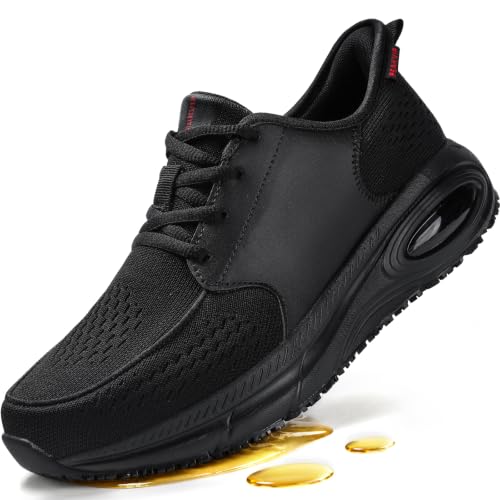
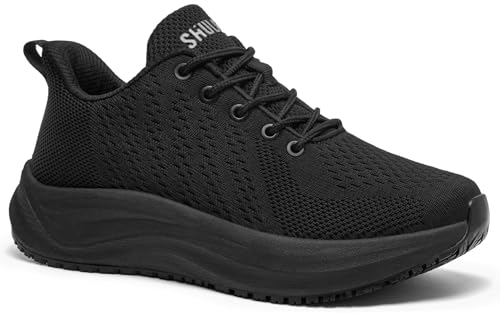

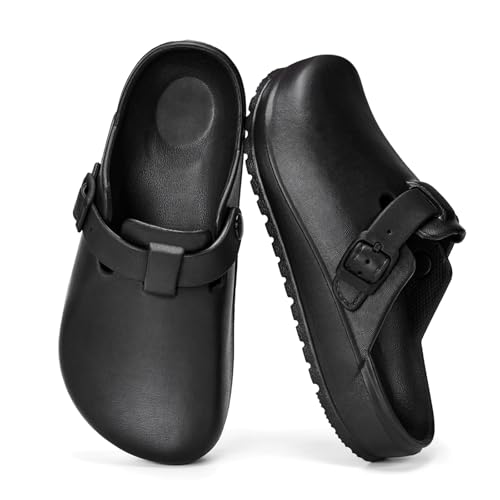

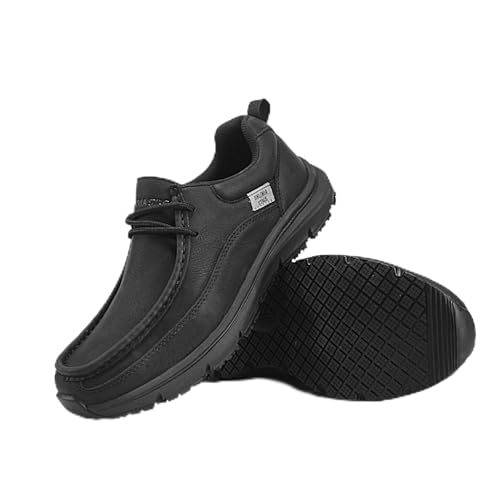

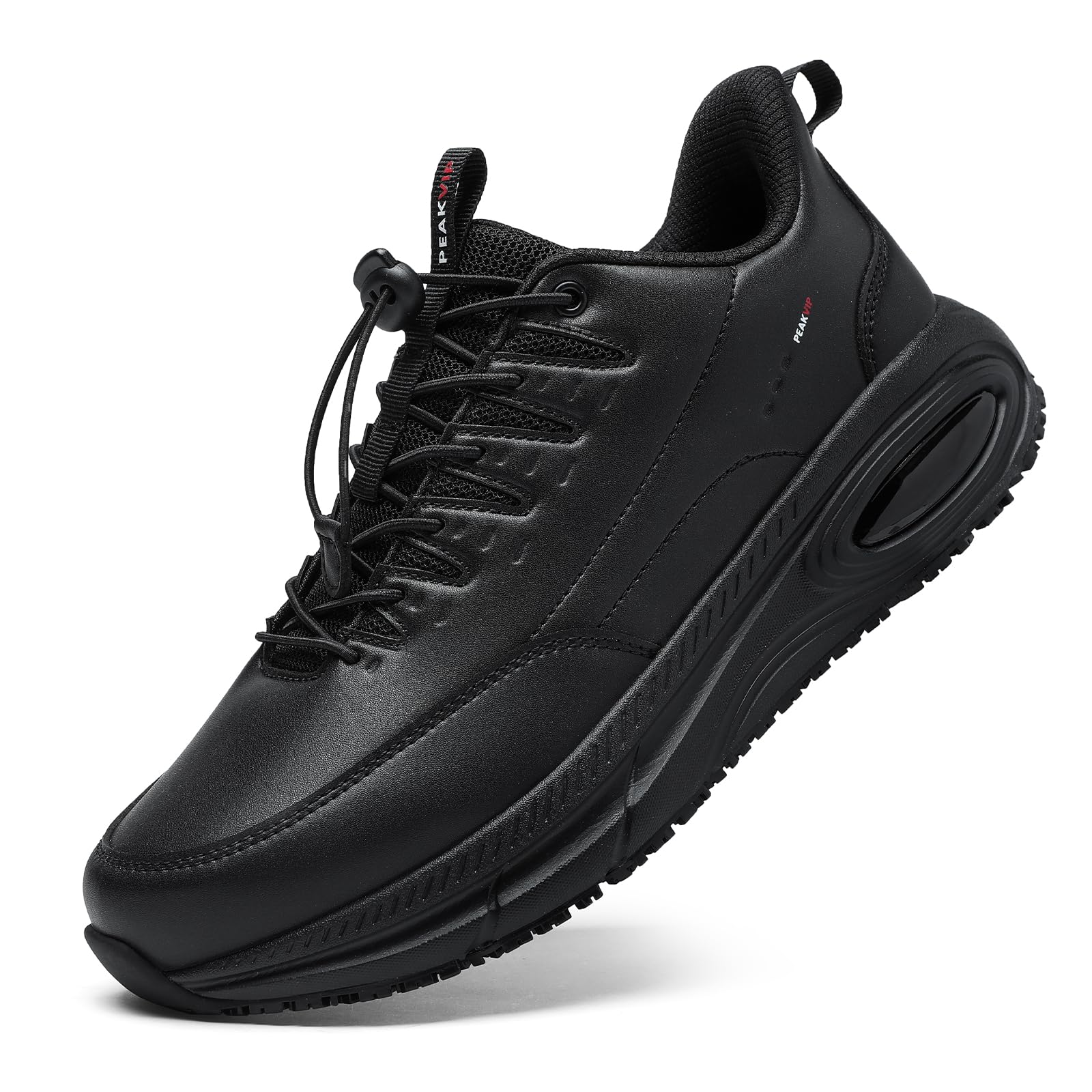
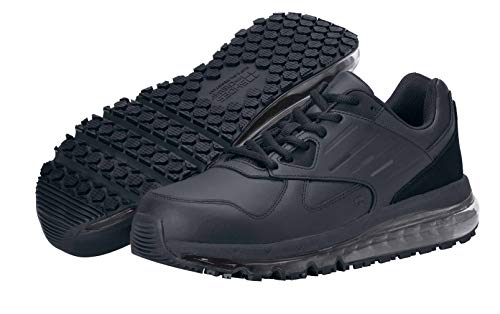
Types of Chef Shoes Compared
Three broad types cover most kitchen needs for flat feet. Stability focused shoes are the default choice for most cooks, waterproof boots serve wet roles, and recovery styles help after service rather than during it. Typical prices run about $60 to $180 depending on materials and support, with stability shoes in the middle of that range for most brands.
Stability/Support Shoes
Stability shoes support flat feet with a firm arch, a structured heel counter, and a midsole that resists rolling inward. That guidance matters because flat feet tend to overpronate, which tires ankles, knees, and backs over long standing hours. Most look like sturdy clogs or lace up work shoes with slip resistant soles built for tile.
The strength of this type is all day alignment and grip in a normal kitchen. The weakness is weight and stiffness, since support materials feel firm at first and take time to adapt to. If you buy one pair for general line work with flat feet, start here. Our broader guide to the best shoes for flat feet explains the support science behind this category.
Waterproof Boots
Waterproof boots cover the ankle and seal out water with membranes or rubber and leather construction, which suits dish pits, cleaning shifts, and outdoor catering in rain. For flat feet, look for boots that still include a supportive insole and a stable sole, since many plain work boots are flat inside and offer almost no arch help at all.
Boots win on protection and durability, and they lose on heat and flexibility. A hot kitchen makes tall boots uncomfortable, and stiff shafts limit quick pivots during service. Choose them when water exposure is a daily fact of your role, not as a default. Cooks comparing everyday alternatives can also see our guide to the best shoes for people with flat feet for lower styles.
Sandals and Recovery Footwear
Sandals and recovery footwear are open or soft styles meant for after your shift, not for the line. A contoured recovery sandal with real arch support can rest tired flat feet at home, ease pressure, and help you recover for the next day. They have no place near fryers or knives, since toes are exposed and grip is not rated for grease.
As a second pair for home and days off, they add genuine value for flat feet that ache after standing. As a work shoe, they fail every safety test a kitchen requires. Keep the roles separate, work in closed stability shoes and recover in supportive sandals, and your feet benefit from both.
Stability/Support Shoes vs Waterproof Boots: Which Should You Choose?
On support, stability shoes win clearly, because their insoles and heel counters are designed for flat feet, while most boots need an added insole to match them. On protection, boots win, sealing out deep water and covering the ankle against splashes and dropped items. On comfort in heat, the lower shoe wins by a wide margin during a busy summer service.
On grip, both can perform well if the sole is rated for oily and wet floors, so check the tread pattern rather than assuming boots grip better. On price and lifespan, boots often cost more upfront but last longer in wet roles, while stability shoes need replacement sooner because their cushioning wears with daily standing.
Choose stability shoes for line, prep, and bakery work, and choose boots for dish, cleaning, and outdoor roles. If your job mixes both, a stability shoe with a water resistant upper is the practical middle ground for most cooks.
How to Choose the Right Chef Shoe
Features That Matter for Flat Feet
The best chef shoes for flat feet give support that holds the arch up without forcing it, plus a sole that limits inward roll from heel strike to toe off. Look for a firm heel counter you cannot easily squeeze, a midsole with denser material on the inner side, and a wide base that feels planted. A removable insole matters because flat feet often benefit from a custom or upgraded insert over time.
Avoid very soft, flat insoles and minimalist soles for kitchen work. They feel pleasant for minutes but leave flat feet unsupported for hours. If you develop heel pain, arch strain, numbness, or pain that changes how you walk, see a doctor or podiatrist rather than trying stronger shoes alone.
Arch Support and Foot Type
Your arch shape decides how much guidance you need. Truly flat feet with strong inward roll do best with structured stability support, while flexible low arches may need only moderate support and good cushioning. A wet footprint that shows almost the whole sole suggests a flat arch, while a narrow band on the outer edge suggests a higher arch.
Support should feel present, not painful. A new arch that digs in sharply during the first wears is too aggressive or poorly placed for your foot. Many cooks with flat feet do well starting with the insole the shoe provides, then upgrading only if aches persist after a fair trial.
Cushioning and Support
Cushioning absorbs shock from concrete and tile, while support controls motion, and flat feet need both in balance. A heel to toe drop around 8 to 12 mm suits most traditional work shoes and keeps calf and Achilles load familiar. Very low drop or flat soles increase strain for many flat footed cooks during long standing.
Stability designs differ from neutral designs by adding guidance on the inner midsole. Neutral cushioned shoes suit high arches better and can feel wobbly for flat feet. Press and twist a shoe before you buy. It should flex at the toes, stay firm at the arch, and spring back rather than staying compressed. Athletes with flat feet use similar logic, as our guide to the best running shoes for flat feet shows for road shoes.
Break In Period and Comfort Out of the Box
Support shoes rarely feel perfect in the first hour, because your feet must adapt to being held in a new position. Plan about one to two weeks of shorter shifts before a long day, and expect mild arch awareness as tissues adjust. True pain, rubbing, or numbness is not normal adaptation and signals a fit or support mismatch.
Some cushioned stability models feel good right away and stay good, which suits cooks who cannot risk a long adjustment during a busy season. When you try a pair, walk, pivot, and stand still for several minutes in the store. Standing comfort predicts kitchen comfort better than a quick lap around the display.
Fit, Sizing, and Toe Box
Fit chef shoes in the afternoon with your work socks, when feet are swollen from standing and heat. Leave about a thumb width before your longest toe, and check that the widest part of your foot aligns with the widest part of the shoe. Flat feet often spread under load, so a roomy toe box prevents forefoot ache and blisters during service.
If you use an orthotic, bring it to the fitting and confirm the shoe has enough depth with it inserted. Many flat footed cooks need a wide size rather than a longer size, a distinction that protects both toes and arch position. Gym based cross training raises similar fit needs, covered in our guide to the best gym shoes for flat feet.
Care and Maintenance Tips
Rotate two pairs for daily wear if you can, giving each pair a rest day for foam to recover and moisture to dry. Air dry wet shoes away from direct heat, remove insoles to dry, and wipe salt, grease, and flour from uppers before they harden. Replace kitchen shoes by months of full time use rather than mileage, and swap them when the support feels flat.
Check tread monthly, since a smooth sole is a fall risk no insole can fix. Readers who train outside work may compare our guide to the best athletic shoes for flat feet for days off footwear.
Frequently Asked Questions
What features matter most in chef shoes for flat feet?
A firm heel counter, structured arch support, and a slip resistant sole with a wide, stable base matter most for flat feet. A removable insole is a strong bonus for future orthotics. Soft and flat shoes feel easy at first but allow inward roll that tires your whole leg chain. Judge a pair by how supported you feel after standing in it for ten minutes, not by the first step.
Can I wear them all day?
Yes, a well fitted stability chef shoe is designed for full shifts of standing and walking on hard floors. Build up wear time over the first week or two so your feet adapt to the support level. Take short movement breaks when your role allows, since even the best shoe cannot replace circulation and posture changes. If all day wear still causes sharp pain, get a professional foot assessment.
How long is the break in period?
Expect about one to two weeks of part time wear before a support shoe feels fully natural on flat feet. The upper softens and your foot adapts to the arch position during that window. Leather clogs can take a little longer than textile lace up styles. Persistent pinching, hot spots, or arch pain that grows each day means the model is wrong for you, so use the return window.
Are expensive chef shoes worth it?
They can be, when higher prices buy denser midsole foams that hold support for more months and soles that keep grip as they wear. Many cooks do well in a mid range pair around $80 to $150 without paying premium prices. What is not worth paying for is extra fashion detail or waterproofing you will never use. Spend on support and grip first, since those protect flat feet daily.
How should chef shoes fit?
They should hold your heel without lifting, support your arch without digging, and give your toes room to spread under load. Fit at the end of the day in work socks, and walk and pivot to test stability on a hard floor. If you wear orthotics, fit with them in place. Between sizes, most flat footed cooks prefer the wider or slightly larger option adjusted with lacing.
Do I need waterproof shoes?
You need waterproof shoes only if your role involves frequent standing water, heavy mopping, or dish work with constant splashing. Most line cooks do better with a water resistant closed upper that breathes better and still sheds spills. Full waterproof membranes add heat, which can swell feet and change fit by the end of a shift. Match the protection level to your wettest normal day, not your worst imagined day.
Final Thoughts
For most cooks with flat feet, a stability shoe with firm arch support and honest grip is the right starting point, with boots reserved for truly wet roles. Check your finalists in the product table above and the comparison table above for support type, drop, and price before you decide. Chosen with care, best chef shoes for flat feet will steady every shift. Talk with your clinician about personal needs if foot pain persists.


