
Best Charcoal Tablets for Gas (2026): A First Time Buyer Guide
Disclosure: We may earn a commission when you buy through links on this page, at no extra cost to you. As an Amazon Associate I earn from qualifying purchases. Learn more

New to supplements? Learn the label terms and checks that matter for the best charcoal tablets for gas, and when to ask a professional.
If you are new to digestive supplements, a bottle of activated charcoal can be hard to read. Labels use terms like activated, serving size, and dietary supplement without explaining what they mean for a buyer. Picking the best charcoal tablets for gas for the first time is easier once you know what each term tells you and which checks are worth a minute before you order.
This guide starts with the basics, walks through the details on a typical label, and points out the safety questions to take to a doctor or pharmacist. Use the comparison table below to see the tablets currently listed, then read on before you buy.
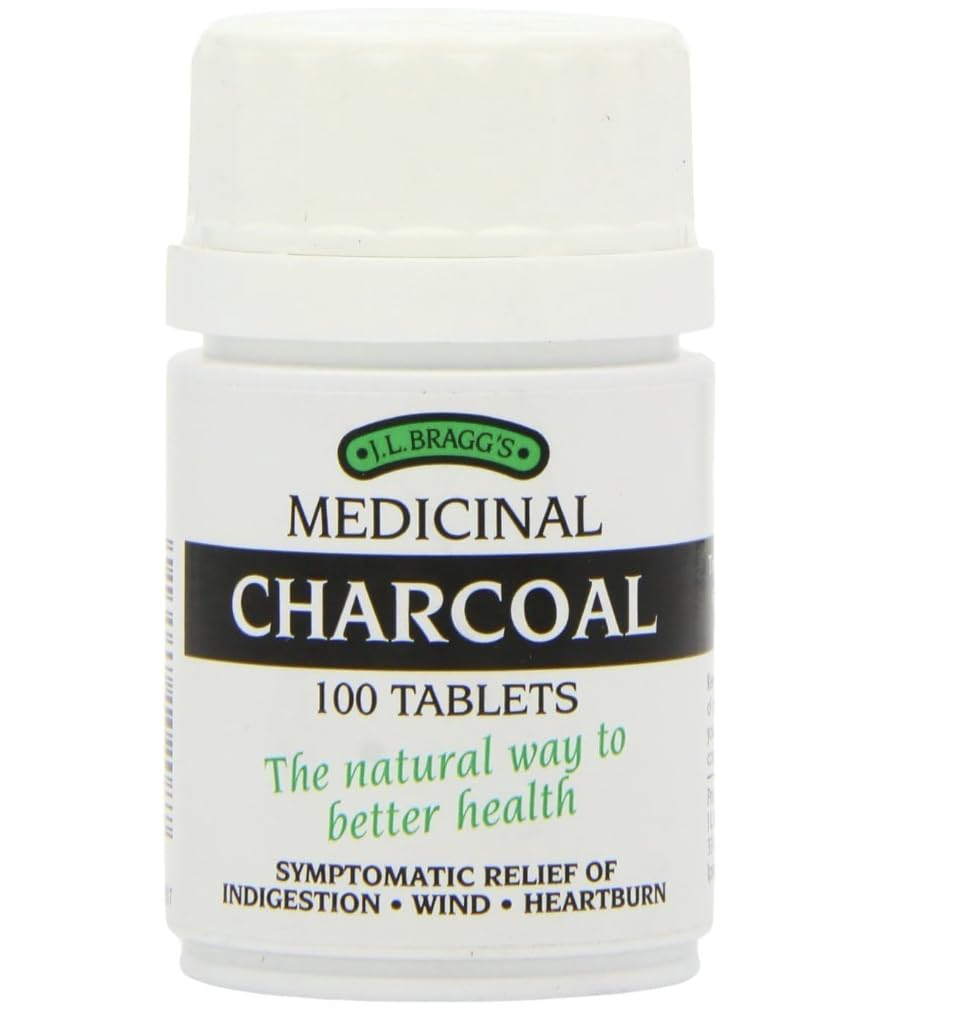

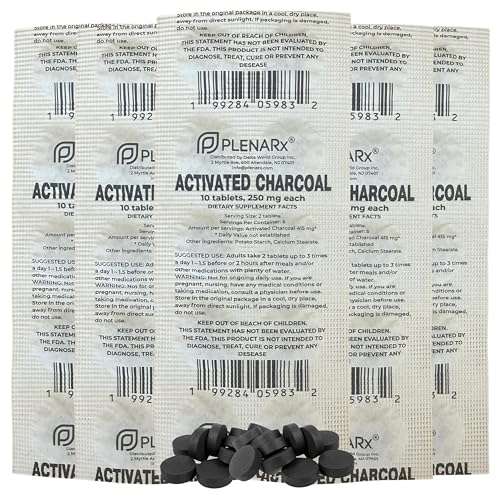
Charcoal Tablets 101: The Basics
Activated charcoal is charcoal that has been processed to make it very porous, and it is sold in tablets, chewables, capsules, and powders as a dietary supplement. It is black, tasteless to most people, and gritty if chewed. Because it is a supplement rather than a medicine, the label and the maker's reputation are your main guides, and your doctor or pharmacist is the right person to ask whether it suits you.
Tablets differ from capsules mainly in handling. Tablets are compact and often scored or chewable, while capsules swallow more smoothly. For a wider look at formats beyond tablets, see our guide to the best charcoal tablets and the types sold alongside them.
Label Terms Explained in Plain English
Serving Size and Amount per Tablet
Labels state the amount of charcoal per tablet and per serving, and the two numbers are easy to mix up. A bottle showing a large milligram figure may mean the full serving of several tablets, not one. Divide the bottle price by the number of servings to compare cost fairly, and follow the manufacturer's instructions on the bottle rather than your own estimate.
Tablet Count and Bottle Size
A bottle of about 100 tablets suits a regular user, while a smaller count is a low cost way to find out whether you get on with the product at all. Check the expiry date against the count, since a large bottle is only a bargain if you can finish it in time.
Added Ingredients, Sweeteners and Allergens
Tablets need binders to hold their shape, and chewable versions often include flavors or sweeteners. If you avoid sugar, read the sweetener list, because sugar alcohols are not tolerated equally well by everyone. People with soy, coconut, or tree nut sensitivities should check the charcoal source and the allergen statement, since some charcoal is made from coconut shells. A short ingredient list with the source named is a good sign.
Quality Marks and Independent Verification
Dietary supplements are not approved before sale the way medicines are, so quality marks carry weight. Look for a seal from an independent verification program, a statement of good manufacturing practice, and a lot number and expiry date on the bottle. If you are comparing charcoal with other over the counter products, our guide to the best gas tablets explains how common options differ in approach.
Tablet Size and Ease of Swallowing
Charcoal tablets can be large, and a chalky chewable is unpleasant if you dislike gritty textures. If swallowing pills is hard for you, choose a chewable or a smaller tablet and read the maker's directions about water. Ask a pharmacist if you have any trouble swallowing.
Rookie Mistakes to Avoid
- Skipping the pharmacist. Charcoal products can interfere with how some other products are absorbed, so ask before you combine one with your medicines or vitamins.
- Comparing bottles by price alone. A cheap bottle with a vague label costs more in the end than a clear one, so compare cost per serving.
- Reading the wrong number. Per tablet and per serving figures differ, and mixing them up makes one bottle look stronger than another.
- Ignoring the expiry date. Old tablets take in moisture, so a stale bargain bottle may be a poor buy.
- Treating a supplement as a diagnosis. If discomfort keeps coming back, that is a reason to talk to a doctor, not to buy a bigger bottle.
Getting Started Safely
Read the whole label first and follow the manufacturer's instructions exactly. Ask your doctor or pharmacist before the first use, especially if you take daily medicines, are pregnant or nursing, or are shopping for a child, because they can tell you how a charcoal product fits around your other products. Keep the bottle sealed in a cool, dry cupboard, since charcoal takes in moisture from the air, and keep it out of reach of children.
A supplement is not a substitute for medical care. If symptoms are severe, long lasting, or new for you, or if they come with pain, fever, vomiting, or blood, see a doctor promptly. If you are weighing fiber based products instead, the guide to the best fiber tablets covers that different route. For a suspected poisoning, call your local emergency number or poison control right away.
Charcoal Tablets: Your Questions Answered
What features matter most in charcoal tablets for gas?
A clear amount per serving, a short ingredient list, a stated charcoal source, and visible lot and expiry details matter most. Format matters too: chewables and tablets suit different people, so pick the one you can take comfortably. Independent quality marks round out the checklist because supplement quality varies between brands.
Can charcoal tablets interfere with my medicines?
They can affect how some products are absorbed, which is why a pharmacist or doctor should be your first stop if you take prescriptions, birth control, or any medicine that needs precise timing. Do not change how you take a medicine to suit a supplement without professional advice.
When should I see a doctor instead of buying tablets?
See a doctor if discomfort is severe, keeps returning, is new and unexplained, or comes with fever, vomiting, blood in the stool, or weight loss. A buying guide cannot diagnose anything, and repeated symptoms deserve a professional opinion.
Is daily use a good idea?
Ask your doctor before using any supplement every day. Follow the label directions, and treat a pattern of needing a product regularly as something to discuss with a clinician rather than a routine to accept.
How long do unopened tablets keep?
Check the printed expiry date, which is the maker's guide to shelf life. Once opened, keep the cap tight and use the bottle within the period the label suggests. Tablets that smell musty or crumble oddly should be replaced.
The Bottom Line
Choose by a clear amount per serving, a short transparent ingredient list, and evidence of independent quality checks, then ask your pharmacist about your own medicines. Compare the tablets in the product table above and keep your doctor in the loop, and you will find the best charcoal tablets for gas for your routine with fewer surprises.


