Best Charcoal Chimneys for Your Home (2026): Types and a Quick Checklist
Disclosure: We may earn a commission when you buy through links on this page, at no extra cost to you. As an Amazon Associate I earn from qualifying purchases. Learn more
Match the best charcoal chimney to your grill size, storage space and budget with a quick checklist and a comparison of three chimney styles.
A bag of charcoal leaning against a small kettle grill, a crumpled sheet of newspaper, and dinner guests who are already hungry. That scene is where a chimney starter earns its place at home. Choosing the best charcoal chimney comes down to your grill size, your storage space, and how many people you usually feed.
This guide skips brand hype and focuses on fit for daily life at home. You will match capacity to your household, compare the main types, and weigh materials, cleaning, and budget before you buy. Start with the comparison table below, then use the checklist that follows.


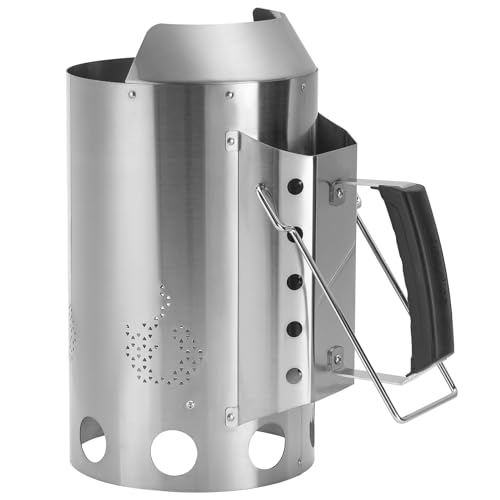
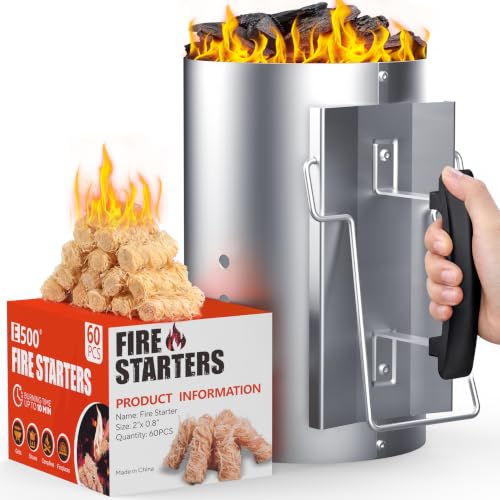


Quick Answer: Three Types in 30 Seconds
Most homes do well with one of three routes. A standard chimney suits a regular family grill and cooks for four to six people. A compact chimney suits a small grill, a balcony, or meals for one to three people. A collapsible or heavy duty chimney suits tight storage or frequent use, week after week.
- Standard: the simplest match for a midsize kettle or kamado style grill at home.
- Compact: less charcoal per load, less storage room, and quicker lighting for small meals.
- Collapsible or heavy duty: folds flat for a cabinet or uses thicker steel for heavy rotation.
Before You Buy: A Quick Checklist for Choosing a Charcoal Chimney
Five checks decide most purchases: capacity, type, material, cleaning method, and budget. Work through them in that order, because size shapes everything else. A chimney that fits your grill but not your storage shelf will annoy you every single week.
Size: Match It to Your Space
Start with the grill you own today. A compact chimney holds a smaller load that suits tabletop grills and small kettles, while a standard chimney fills a 22 inch kettle with enough coals for burgers, chops, and vegetables in one round. Think about who eats with you most weeks, not the biggest party you host once a year. Then measure where the chimney will live between cooks. A garage shelf, a deck box, and a narrow balcony cabinet each set a different height limit, and the handle adds width you should count.
Which Type Fits Your Routine
Standard vented chimneys light with newspaper or starter cubes placed under the grate, and they ask for no outlet or cord. Collapsible models fold toward flat, which helps in apartments, campers, and homes where every cabinet is spoken for. Electric lighting tools skip the chimney shape altogether and plug in, so they suit a patio with a nearby outlet but add a cord to store and keep dry. If an electric route tempts you, our looftlighter x review covers that different approach in detail. Pick the routine you will repeat on a tired weeknight, not the cleverest one.
Materials and Food Safety
Most chimneys use galvanized steel, aluminized steel, or stainless steel. Thinner steel costs less and heats fast, but it can warp and rust sooner once the coating wears. Stainless steel resists rust better and suits homes near salt air or damp sheds. The chimney never touches your food, yet ash, sparks, and hot fumes stay close to the cooking area. Use it on a heat safe, level surface such as the grill grate or a stone paver, keep it clear of siding and dry leaves, and keep children and pets back while it is lit.
Dishwasher Safe or Hand Wash Only
Very few chimneys belong in a dishwasher. Their size alone blocks spray arms, and harsh detergent can dull coatings and speed up rust on cut edges. Most makers expect simple hand care instead, so read the label before you assume a quick machine wash is fine. Let the chimney cool fully, tip out loose ash, and wipe the outside with a damp cloth. If the label allows water, rinse and then dry it at once, because standing moisture in seams and rivets is where rust usually starts.
Realistic Budget Ranges
Budget models cost under $15 and usually give you thin steel, a basic handle, and a short working life. The middle ground runs about $15 to $30, where handles gain a heat shield, steel gets a bit thicker, and vents are cut more cleanly. Paying about $30 to $50 should bring stainless steel, sturdier rivets, or a folding design that saves real storage room. Spend for a feature you can name, such as rust resistance or flat storage.
Types Compared: Charcoal Chimney Styles Worth Your Money
There is no single best charcoal chimney for every yard, because homes differ in grill size, storage, and cooking rhythm. Compare the three styles below by how they live in your house between cooks, not just by how fast they promise to light.
Standard Full Size Chimneys
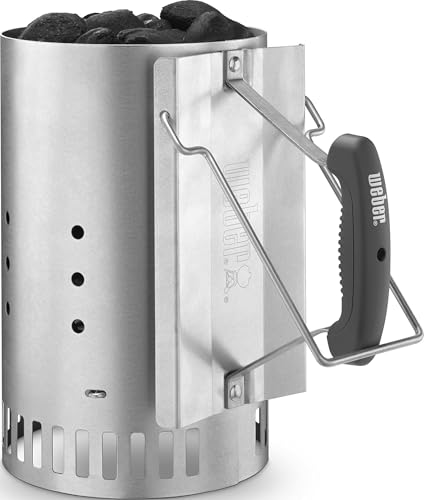
This is the default for most family grills. The tall canister holds a full load for a 22 inch kettle, the lower grate keeps starter material under the coals, and side vents pull air upward as the charcoal catches. A second handle or a shielded grip helps you pour with control once the top coals turn gray. If you want a closer look at how one standard design is built, our weber rapidfire chimney starter review walks through that format in detail. Choose this style when storage is easy and family meals are your norm.
Compact Chimneys for Small Grills
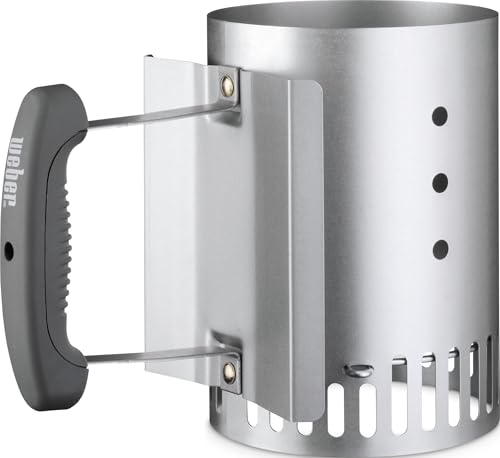
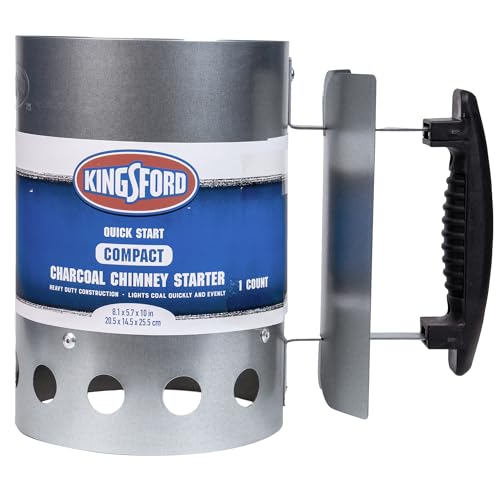
Compact chimneys hold less charcoal, and that is their strength. A smaller load lights quickly, wastes fewer coals on a meal for two, and suits small kettles, hibachi style grills, and portable grills taken to a park. The shorter body also fits low cabinets and shallow deck boxes that reject a full size model. The limit shows up at larger cookouts, where you may need two loads in sequence and a few extra minutes of waiting. For couples, small families, and balcony cooks, that trade is usually worth it.
Collapsible and Heavy Duty Chimneys
Collapsible chimneys fold toward flat, so they slide into a drawer, a tote, or the side pocket of a camping bin. Seams and hinges are their weak points, so check that panels lock firmly and show no wobble when open. Heavy duty models take the opposite path, with thicker steel and reinforced handles built for people who grill several times a week. They weigh more and cost more, yet they resist the warping that loosens grates on thin models. Choose folding for space, or thick steel for volume, but rarely expect both in one design.
How to Judge a Charcoal Chimney Before You Order
Compare listings with the same short list every time: lighting method, steel type, handle protection, vent layout, and stated capacity. Maker specifications settle most of those points, and buyer reviews help most when you scan them for repeated notes about rust, loose handles, or bent grates rather than single angry comments. A chimney that scores well on durability and cleaning, at a price you accept, beats one bought on a speed claim alone.
Quick Matches by Household and Space
For a couple or a small household with a compact grill, the compact style keeps coal waste low and storage simple. If you are still learning the lighting sequence itself, start with how to use a charcoal chimney and then pick your size.
For a family of four to six with a midsize kettle, the standard chimney is the calm default. It lights a full family load in one go and lives happily on a garage shelf. For a larger household that grills for crowds, keep the standard size but plan on two chimneys, so a second load can start while the first batch cooks.
For apartment balconies and homes with almost no storage, collapsible designs earn their price. Check your building rules first, because some properties limit charcoal grilling on balconies. Where charcoal is not allowed at all, an electric lighting tool or a different grill type is the honest answer, not a smaller chimney.
Common Buying Mistakes to Avoid
- Buying a chimney too large for your grill leaves coals spread thin and heat uneven across the grate.
- Ignoring handle protection leads to awkward pours and a real burn risk when the canister is fully lit.
- Storing a chimney outdoors in the rain shortens its life fast, because seams and rivets rust first.
- Paying for folding panels you never fold adds weak points with no benefit to your routine.
- Forgetting starter supplies means your first cook stalls, so add newspaper or starter cubes to the same order.
Cost of Ownership and Care
Running costs stay low. Newspaper costs nothing if you already have it, and starter cubes add a small cost per cook, often under $1 a session. There are no filters, pads, or parts to subscribe to, and no power draw for a standard or collapsible model. A sturdier model that lasts longer can cost less over time than repeat budget buys.
Store the chimney dry, indoors or under a tight cover, with the inside empty. Let ash cool completely before you tip it into a metal container, because hidden embers can stay hot long after the surface looks gray. Check handle screws and the inner grate each month, and brush off loose scale before it flakes into the grill. Take any burn that blisters, covers a large area, or affects the face or hands to a medical professional promptly.
Your Questions, Answered
What makes a charcoal chimney reliable over time?
Reliability comes from joints and hardware more than from the canister wall. Look for handles attached with strong rivets or bolts, a grate that sits flat without rocking, and vents that are punched cleanly with no torn edges. A chimney that feels rigid when empty, with a handle that shows no play, tends to stay that way. Wobbly parts on day one rarely improve once heat cycles begin.
How often should you clean out a charcoal chimney?
Empty loose ash after every cook, once it is fully cold, and give the inside a quick pass with a stiff dry brush about once a month. Ash left sitting absorbs moisture from the air and turns into a paste that holds water against the steel. That paste, more than heat, is what pits the lower walls of chimneys stored in damp garages.
Is a charcoal chimney worth it if you grill only twice a month?
Yes, for most casual grillers. A chimney removes the need for lighter fluid, so your food carries no chemical taste, and the coals light evenly without constant fanning or rearranging. The cost per cook is tiny, and the chimney stores in the same spot between uses. Infrequent use actually argues for a mid priced steel model, since a cheap one may rust away between seasons before it wears out from work.
How long does a charcoal chimney last with weekly use?
With weekly use, thin budget steel often gives a season or two before rust and warping show, while thicker or stainless models commonly serve for several seasons. Salt air, rain exposure, and leaving ash inside shorten that span far more than the number of cooks does. Retire a chimney when holes appear in the wall or the grate sags, because escaping embers are a safety problem, not just wear.
Can you light a partial load in a large charcoal chimney?
Yes, and it is a useful skill for small weeknight meals. Fill only the lower third, pack the starter material snugly beneath, and expect a shorter wait before the coals are ready. Partial loads work best when you spread the lit coals in a single layer for direct heat. This trick lets one standard chimney cover both family cookouts and quick dinners for two, which can save you buying a second compact model.
Final Thoughts
Match capacity to your grill and your household first, then choose the type that fits your storage and routine, and let budget follow those two calls. The best charcoal chimney for your home is the one you can light safely, pour with control, and put away in seconds. Compare your shortlist against the product table above, check the handle and steel details once more, and your next cookout starts with evenly lit coals instead of guesswork.