
Best Character Shoes 2026: How to Choose Character Shoes
Disclosure: We may earn a commission when you buy through links on this page, at no extra cost to you. As an Amazon Associate I earn from qualifying purchases. Learn more

Learn how to choose character shoes for dance classes and stage work. Compare heel heights, fit, support, and styles for dancers of all levels.
Finding the best character shoes means matching heel height, fit, and flexibility to your dance style and experience. Character shoes support musical theatre, jazz, and dance classes where a stable heel and a flexible sole matter more than street shoe comfort. The right pair depends on your dance discipline, your foot shape, and how many hours you spend in class each week. The comparison table below shows the main shoe types side by side.
Character shoes come with various heel heights, from low practice heels to higher stage heels, and each height changes balance and ankle work. A shoe that fits well lets you point, turn, and land with control, while a poor fit distracts and risks injury. This guide explains heels, fit, materials, and care in plain terms.


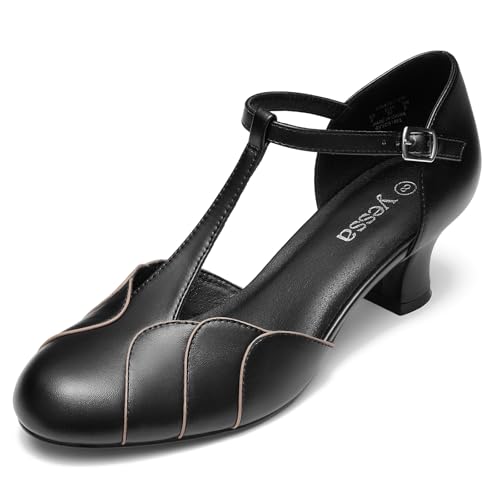


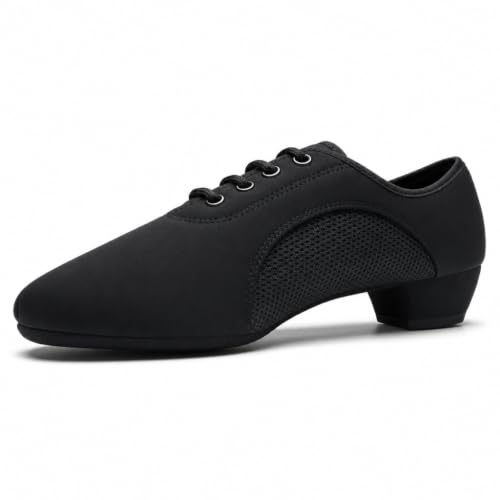
Heel Heights and Dance Styles
Heel height shapes balance, posture, and ankle strength demands, so beginners should start low and build up gradually. Low heels of about one inch suit new dancers and long classes, giving stability while technique develops. Medium heels of about two inches suit intermediate musical theatre and jazz work, where style needs more lift. Higher heels above two inches suit advanced stage work but demand strong ankles and careful training.
Different dance styles favor different heels: musical theatre often uses a sturdy character heel, while jazz classes may allow lower, more flexible heels. Check your teacher or company requirements before buying, since some programs specify heel height and color. A heel that looks right but fights your current ankle strength will slow progress more than a modest heel that lets you dance cleanly. Build height only as strength and control improve.
Fit, Support, and Ankle Stability
Fit should feel snug through the midfoot and heel without pinching toes, since loose character shoes slide during turns. A secure ankle strap, often a T strap or single strap, holds the foot steady and supports the ankle during movement. Try shoes with the tights or socks you dance in, since thickness changes fit. Walk, point, and turn in the studio before committing, and note any heel slip or toe crowding.
Support comes from a firm heel counter, a flexible but not floppy sole, and straps that stay fastened under movement. Leather soles suit smooth studio floors and allow controlled turns, while rubber soles grip more but can stick during spins. If you have weak ankles or a history of sprains, talk with your teacher about support options and strengthening work. Never dance through sharp ankle pain in the hope that a new shoe alone will fix it.
Materials, Soles, and Floor Types
Leather uppers mold to the foot over time and last well with regular class use, while synthetic uppers cost less and need little break in. Suede soles offer controlled slide on wood floors, which suits turns and glides in many studios. Leather soles also slide well but wear faster on rough floors, while rubber soles grip best on sticky or dusty floors. Match sole type to your main studio floor, and keep a second pair if you dance on very different surfaces.
Construction quality shows in stitching, strap attachments, and heel fixings, which take repeated stress during dance. Check that heels feel solid without wobble, straps adjust smoothly, and soles attach evenly without gaps. A well made character shoe lasts through a season of classes, while a poorly made pair can fail at the heel or strap mid term. Spend first on fit and construction rather than decoration or brand styling.
Breaking In and Class Care
Breaking in character shoes takes a few short classes rather than one long session, since new leather and heels need gradual molding. Wear new shoes for warm ups and simple combinations first, then build to full classes as comfort improves. Check for blisters at heels and straps early, and use protective padding where rubbing appears. If pain persists after several classes, the fit or heel height may be wrong rather than merely new.
Care includes airing shoes after class, wiping soles clean of dust, and storing them away from heat and damp. Do not machine wash dance shoes, since water and heat damage leather and glue. Replace shoes when heels wobble, soles wear unevenly, or straps no longer hold securely, since worn shoes increase injury risk. Keep a spare pair for performances if you dance regularly, so a failure does not ruin a show.
Costs and Buying Checklist
Prices for character shoes range from about $40 for basic models to $120 or more for well made leather pairs. Beginners benefit from a modest, well fitted pair rather than an expensive stage model that outpaces their technique. Intermediate and advanced dancers may justify higher prices for better leather, construction, and heel stability. Consider how many classes you take weekly, since heavy use wears cheaper shoes faster.
Before buying, confirm heel height requirements, try shoes with dance tights, and test turns and points in the studio. Check return terms, since dance shoes worn on studio floors may not be returnable after use. Ask your teacher for guidance on heel height and sole type for your level. The product table above can help you compare the main types once more before you choose.
Frequently Asked Questions
What heel height should a beginner choose?
Beginners should start with a low heel of about one inch, which gives stability while technique and ankle strength develop. Medium heels of about two inches suit intermediate dancers, while higher heels suit advanced stage work. Check teacher or company requirements before buying, since programs often specify heel height. Build height gradually as strength improves, rather than starting high for looks alone.
How should character shoes fit?
Character shoes should feel snug through the midfoot and heel without pinching toes, with straps holding the foot steady during turns. Try them with the tights or socks you dance in, and test walking, pointing, and turning in the studio. Heel slip or toe crowding after several classes signals a poor fit rather than break in. Keep receipt and return options until fit is proven in class.
Are leather or synthetic character shoes better?
Leather character shoes mold to the foot and last well with regular class use, though they need a short break in. Synthetic shoes cost less, need little break in, and suit beginners or occasional classes. Leather soles slide well on wood floors, while rubber soles grip more on sticky floors. Choose by your class frequency, floor type, and budget, favoring fit and construction over material alone.
How do I break in new character shoes?
Break in new character shoes over a few short classes, starting with warm ups and simple combinations before full classes. Check for blisters at heels and straps early, and use padding where rubbing appears. Air shoes after class and store them away from heat and damp. If pain persists after several classes, the fit or heel height may be wrong rather than merely new.
When should I replace character shoes?
Replace character shoes when heels wobble, soles wear unevenly, straps no longer hold securely, or support feels lost during turns. Worn shoes increase injury risk, especially for ankles during jumps and turns. Regular dancers should inspect shoes monthly and keep a spare pair for performances. A shoe that fails mid performance can ruin a show, so replace doubtful pairs before important dates.
Final Thoughts
Start with a low, stable heel, a snug midfoot fit, and a sole suited to your studio floor, then build heel height as strength grows. Good construction and secure straps matter more than decoration, and gradual break in protects feet through a season of classes. Check teacher requirements before buying, and replace shoes when heels or straps wear out.
The product table above sums up the main types, so compare them once more before ordering. With the right heel and a fit that holds through turns, the best character shoes can support confident dancing from first class to stage.


