Best Chinese Mechanical Watches: Complete Buying Guide for 2026
Disclosure: We may earn a commission when you buy through links on this page, at no extra cost to you. As an Amazon Associate I earn from qualifying purchases. Learn more

Learn how to choose the best chinese mechanical watches with a buying guide on movements, accuracy, crystals, straps, sizing, and everyday care basics.
A mechanical watch runs on springs and gears alone, with no battery and no chip. Chinese makers now build automatic and hand wound movements with sapphire crystals and solid steel cases at prices that make mechanical ownership realistic for first time buyers. The challenge is knowing which specifications signal a movement that will run well for years.
This guide to the best chinese mechanical watches walks through movement quality, accuracy ranges, case fit, and service costs. Start with the comparison table below, then check each candidate against the criteria here before you spend.




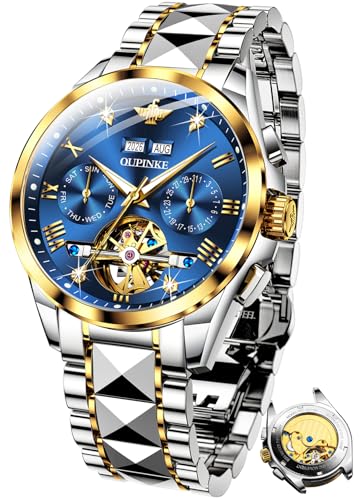
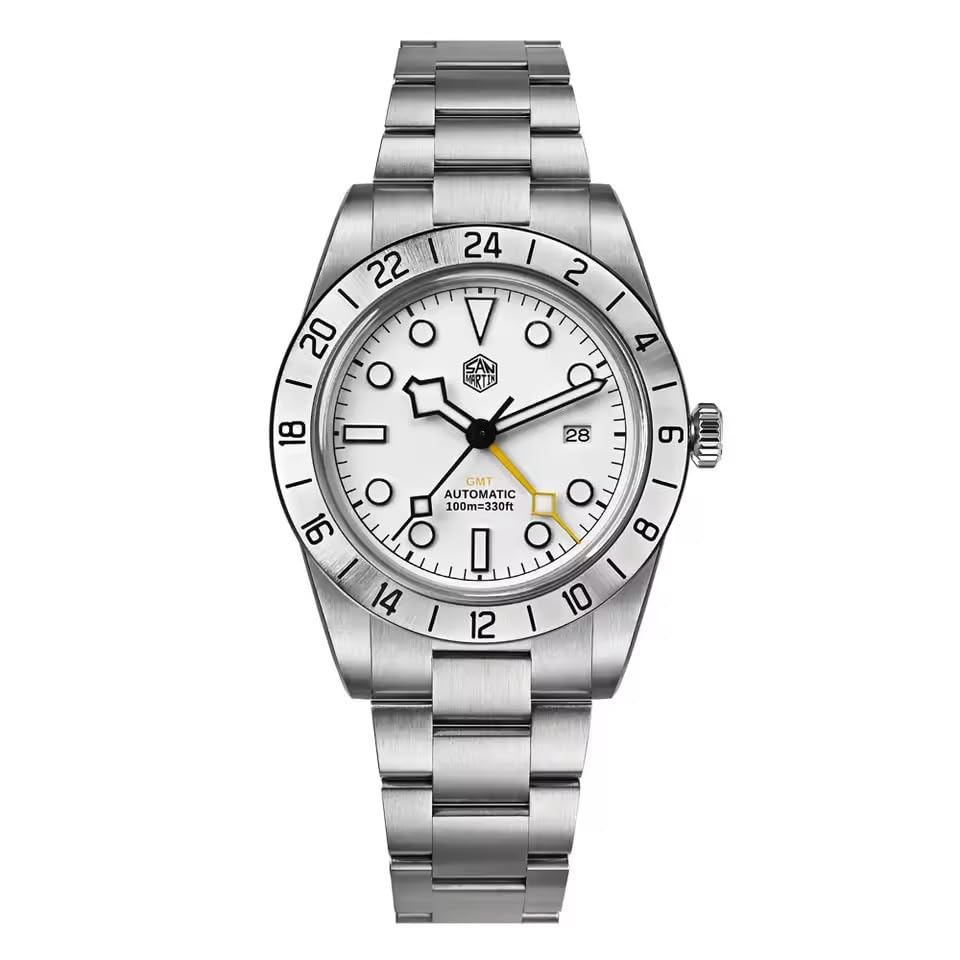
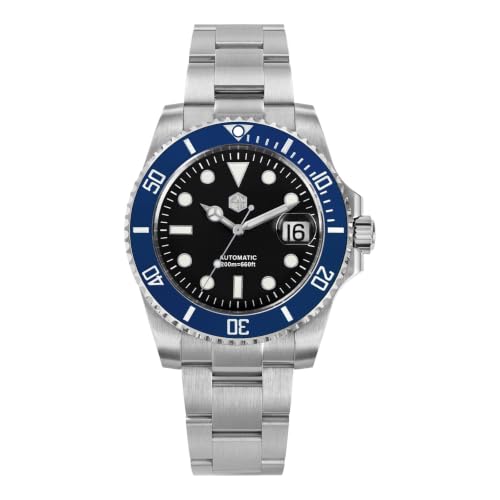


Three Buying Profiles to Consider First
Rather than naming a single winner, this section describes three profiles and what a good example should deliver at its price. Hold every listing in the product table above to the standard of the profile that matches your budget and experience.
All Around Profile
A strong all around mechanical watch uses a proven automatic movement with hacking and hand winding, a sapphire crystal, and a 316L stainless steel case rated to at least 100 meters. Expect accuracy inside about 15 seconds a day once settled, plus a bracelet with solid end links. This profile usually costs about $180 to $350. The compromise is service cost, since a full service every five to seven years adds real money over the life of the watch.
Value Profile
Value tier mechanical watches keep the proven movement and steel case, then save on crystal coatings, clasp refinement, and dial detail. A sapphire crystal still appears at this level more often than not, which makes the tier genuinely appealing. Prices often fall around $100 to $180. Finishing under magnification will be plainer, and the stock strap is usually the first part owners replace.
Beginner Profile
First time mechanical owners do best with a simple three hand automatic in a 38 to 40 mm case, with no complications to set. Hand winding lets you start the watch after days off the wrist, and hacking makes setting the time to the minute simple. Most beginner friendly choices cost about $90 to $160. If you want broader context before choosing, our guide to the best mechanical watches explains how Chinese made options sit within the wider market.
How to Choose the Best Chinese Mechanical Watches: Buying Guide
Movement Type
Mechanical watches come in two main forms. Automatic movements wind themselves with a rotor as your wrist moves, while hand wound movements need a daily turn of the crown and reward you with a slimmer case. Both can use hacking, which stops the seconds hand while you set the time, and both benefit from a power reserve of about 38 to 42 hours.
Accuracy expectations keep buyers honest. A healthy budget automatic typically runs between about 10 seconds slow and 30 seconds fast per day, and that is normal for the class. Anyone who needs split second timing for trains or work shifts should keep a quartz watch alongside, rather than blaming a mechanical movement for doing what mechanical movements do.
Smart and Fitness Features
A true mechanical watch has no GPS, no heart rate sensor, and no notifications, and that absence is the point for most buyers. Your phone already tracks activity, and a mechanical watch gives your wrist a rest from screens. If step counts and workout maps matter daily, compare the hybrid route in our guide to the best chinese smart watches and decide which wrist job matters more.
One practical note: mechanical movements dislike strong magnets and hard shocks. Golf swings and mountain bike trails are fine for most modern movements, but jackhammer work and repeated drops onto tile are not. Choose quartz for rough job sites and save the mechanical piece for normal days.
Crystal and Case Materials
Sapphire crystal is the upgrade that shows its worth every single day, because keys and door hardware that scar mineral glass leave sapphire unmarked. Mineral crystal remains acceptable on the lowest priced tier, especially for field styles that may take direct impacts. A domed crystal adds vintage charm but can distort the dial at sharp angles, so flat glass suits readers who value clarity first.
Case material is simpler: 316L stainless steel is the default worth insisting on for corrosion resistance and weight. Titanium appears on a few larger models and feels noticeably lighter, though it picks up surface marks faster. Plated base metal cases belong on fashion watches, not on a mechanical watch you plan to service and keep.
Legibility and Style
A dial you cannot read at a glance fails its main job. Look for strong contrast between hands and dial, applied markers that catch light, and lume on both the hands and the hour markers. Generous lume matters for night reading, and even coverage matters more than raw brightness in the first minute after lights out.
Style should follow your wardrobe. Polished cases and simple stick markers dress up well, brushed cases with bold numerals lean sporty, and smaller dials with clean layouts suit formal settings. Readers shopping specifically for male wrist sizes and styling will find sizing notes in our guide to the best mechanical watches for men, which pairs well with the fit advice below.
Brand Reputation, Warranty, and Value
With Chinese mechanical brands, after sales support separates keepers from regrets. Look for a warranty of at least one year, a stated service path, and sellers who answer questions about regulation and spare parts. A movement used across many brands is easier for any independent watchmaker to service, which protects you if a small brand disappears.
Judge value across a decade, not a checkout page. A watch at about $250 with one service at year six can cost less per year than a watch at about $120 that stops at year three with no parts available. Keep purchase records and the warranty card with the watch box so a future service visit starts with full information.
Strap and Bracelet Options
The strap changes comfort, weight, and style more than any other single part. Steel bracelets balance heavy cases and shrug off water, leather straps dress a watch up but dislike soaking, and silicone suits hot weather and swimming. Fabric straps in a pass through style add security, since the watch stays on your wrist even if one spring bar fails.
Check the lug width and whether the watch uses a quick release strap system, because quick release bars make swaps a tool free job of seconds. A bracelet should include half links or micro adjustment in the clasp, otherwise the fit will always feel a notch too loose or too tight across a warm day.
Water Resistance Rating
Read ratings as daily life permissions. Thirty meters means rain and splashes only. Fifty meters tolerates a brief shower, though most makers advise against it. One hundred meters with a screw down crown covers swimming, and 200 meters adds a real margin for regular water use. Dive and field watches usually carry the stronger ratings in this category.
Heat is the hidden enemy. Hot showers and saunas stress gaskets and invite condensation, even on a watch rated for swimming. Rinse salt water off with fresh water, dry the watch before storage, and have the seals checked every couple of years if it swims often.
Types of Chinese Mechanical Watches
Dive and Field Watches
Dive styles add a timing bezel, bold lume, and high water resistance, while field styles favor compact cases, plain numerals, and rugged straps. Both dominate Chinese mechanical catalogs because the designs forgive minor finishing flaws. Choose dive styling for water confidence and field styling for a lighter, lower profile daily wear.
Solar Watches
Solar watches are not mechanical, but many shoppers cross shop them for the same low upkeep promise. They trade gears for a light powered cell and gain quartz accuracy in return. If servicing costs worry you more than mechanical charm attracts you, solar is a sensible neighbor category. Our wider look at the best chinese watches places both families side by side.
Smartwatches
Smartwatches sit at the opposite pole, offering GPS, notifications, and health tracking with daily or weekly charging. They age like phones, with software support ending in a few years, while a mechanical watch ages like a tool and can be serviced back to life. Many owners keep one of each and rotate by activity, which is an honest solution rather than a compromise.
Automatic Watches
Automatic watches make up most of this market, spanning dress, dive, and pilot styles with self winding movements. They ask for regular wear or a few turns of the crown, and they repay that small ritual with a sweeping seconds hand and decades of potential service life. For budget context, our guide to the best inexpensive mechanical watches shows where prices bottom out without giving up a serviceable movement.
Care and Maintenance Tips
- Service on a five to seven year cycle: fresh oil and gaskets keep an automatic movement accurate and protect it from wear.
- Rinse after saltwater exposure: fresh water removes salt that creeps into bracelet links and under bezels.
- Store away from magnets: speakers and magnetic clasps can leave a movement magnetized and running fast until a watchmaker demagnetizes it.
- Rotate straps to reduce wear: resting leather and fabric straps between wears doubles their useful life and keeps steel bracelets cleaner.
- Wind gently and stop at resistance: hand wound movements should never be forced past the point where the crown firms up.
Frequently Asked Questions
Quartz or automatic: which is better for daily wear?
Quartz is better if accuracy and zero routine matter most, since it holds time within seconds a month and asks only for a battery every few years. Automatic is better if you enjoy mechanical craft and wear the watch most days, which keeps it wound. Many buyers own one of each and pick by schedule, which sidesteps the debate entirely.
Is a smartwatch worth it over a classic mechanical watch?
A smartwatch is worth it when notifications and health tracking shape your day, but it will feel dated within a few years as software moves on. A mechanical watch does one job, telling time, and can do it for decades with servicing. Think of the smartwatch as a device purchase and the mechanical watch as a long term possession, then budget for each honestly.
How water resistant should a mechanical watch be?
Choose 100 meters if the watch will swim, shower, or face daily splashes at a sink or job site. Fifty meters suits careful office wear with occasional rain. Whatever the rating, avoid pressing buttons or turning a non screw crown while the watch is wet, and remember that an older watch needs a gasket check before trusting the number on its dial.
How long does a watch battery last in a mechanical watch?
A mechanical watch has no battery at all, which is exactly why many buyers choose one. Automatic models run on wrist motion with about 38 to 42 hours of stored power, and hand wound models run about a day to two days per full wind. If a listing for a supposedly mechanical watch mentions battery life, read the movement description again, because it is likely a quartz model.
What case size fits my wrist for a mechanical watch?
Start with lug to lug length rather than diameter alone. A 40 mm case with short lugs can fit a 6.5 inch wrist neatly, while a 38 mm case with long lugs can overhang. Thickness also shapes fit, and hand wound models often sit slimmer than automatics. Try paper cutouts at home before ordering if your wrist falls near either end of the range.
The Bottom Line
Choose the movement first, because accuracy habits, upkeep, and price all flow from that decision. Then confirm sapphire crystal and a steel case, check lug to lug fit against your wrist, and buy from a seller with a real warranty and service path. Those four checks filter out most disappointing purchases in this category.
The best chinese mechanical watches reward patient buyers who value craft over complications. Compare your finalists in the product table above, weigh the service cost alongside the price, and pick the watch you will still enjoy winding years from now.