
Best Chalkboards for Home: A Complete Buying Guide
Disclosure: We may earn a commission when you buy through links on this page, at no extra cost to you. As an Amazon Associate we earn from qualifying purchases. Learn more

A chalkboard sounds like a simple thing to shop for until you actually start looking. There are framed and frameless versions, wall-mounted boards and free-standing easels, surfaces that scratch off cleanly and ones that leave a permanent shadow after the first use. Picking one of the best chalkboards for home use means thinking past looks and matching the board to the room, the surface material, and how your household actually plans to use it. This guide walks through the frame and surface decisions that matter most, how to choose between mounting it or letting it stand, and how to set a new board up so it performs well for years instead of months.
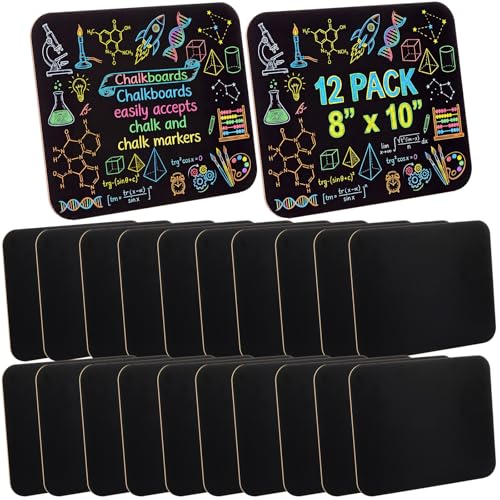
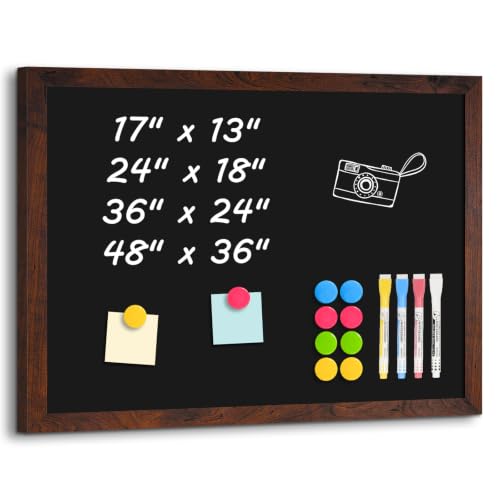

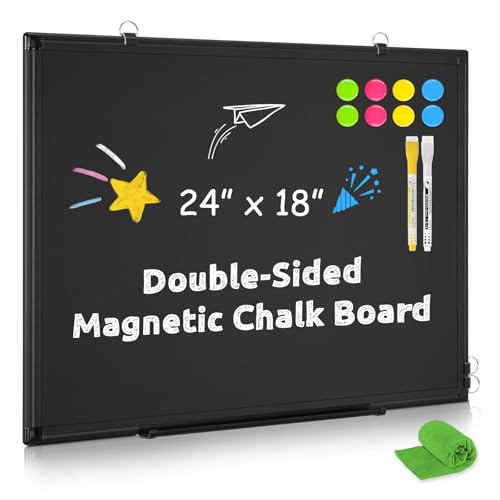
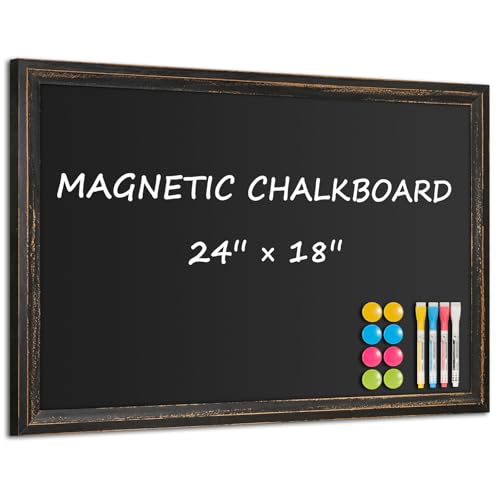
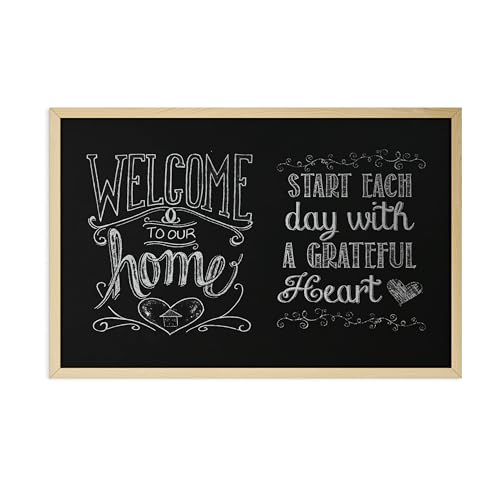


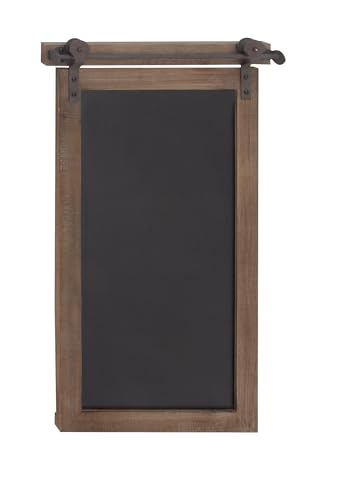
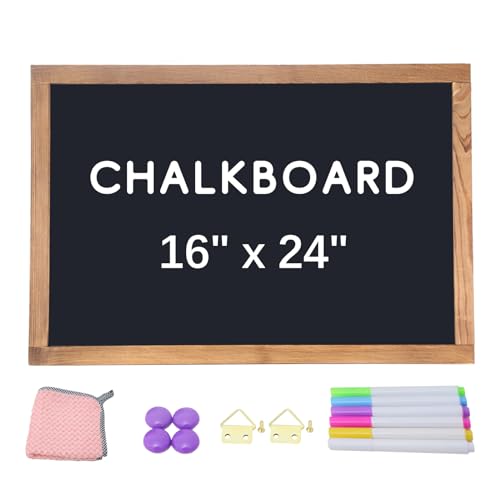
Frame, Surface Material, and Whether It Should Be Magnetic
Before comparing sizes or styles, it helps to understand the two things that determine how a chalkboard looks and performs long after the novelty of a new purchase wears off: the frame and the writing surface underneath it.
Wood, metal, or frameless
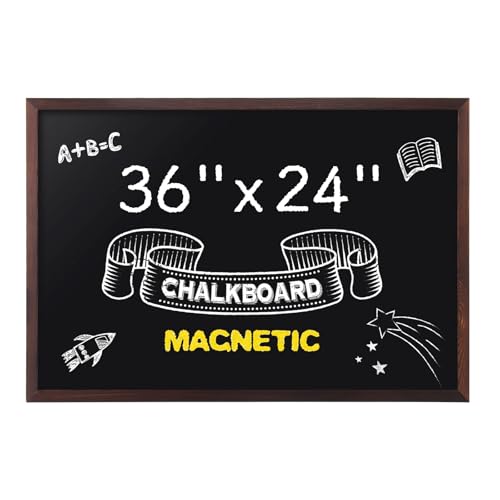
A wood frame is the most common choice for home use, and it works because it can lean rustic and farmhouse or clean and modern depending on the finish. Thicker frames add visual weight and read as more traditional, while thin wood trim keeps things understated. Metal frames tend to look sleeker and pair well with contemporary kitchens and offices. Frameless boards, sometimes just a panel with rounded edges or a thin metal back, give the most minimal look and work well when you want the board to disappear into the wall rather than stand out as furniture.
Melamine, slate, tempered glass, or painted board
The surface material affects how well chalk erases and how the board holds up over time. Melamine is the most common choice for home boards because it is non-porous, durable, and reasonably priced, which makes it a safe default for most rooms. Slate has a classic, slightly textured look but is heavier and can be more prone to fading or wear at the edges. Tempered glass with a chalkboard coating gives a premium, ultra-smooth finish and tends to erase the cleanest of any option, though it comes at a higher price and needs more careful mounting given the added weight. Chalkboard paint applied over wood or drywall is the most budget-friendly route, but that surface is porous, which changes how it should be cleaned and cared for compared with a manufactured board.
Magnetic backing is a separate feature, not a given
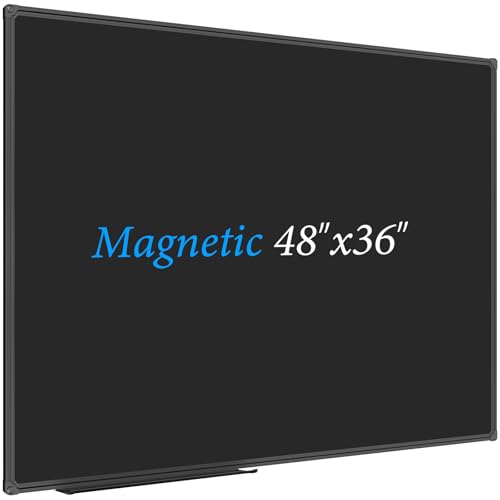
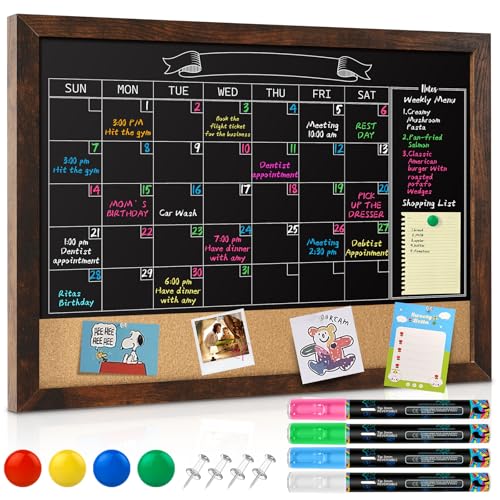
Not every chalkboard is magnetic, and it is easy to assume one includes the other. A magnetic chalkboard typically has a steel backing layered under the writing surface, which adds weight and usually adds cost. If you want to pin up notes, photos, or a calendar alongside your writing space, confirm magnetic capability specifically rather than assuming it comes standard, especially on budget or frameless boards.
Wall-Mounted or a Standing Easel
Once the frame and surface are settled, the next decision is how the board actually lives in your space, and this is one of the most common questions people run into once they start comparing best chalkboards for home options.
The case for mounting it on the wall
A wall-mounted chalkboard saves floor space and gives a more permanent, finished look, which makes it a strong fit for a kitchen, hallway, or home office where the board will stay in one spot indefinitely. Mounting hardware needs to match the board's weight, particularly with heavier glass or slate options, so check what the board requires before you assume a couple of small hooks will do the job.
The case for a free-standing easel
A standing chalkboard easel is portable, easy to move between rooms, and simple to fold away when it is not in use. That flexibility matters most in households with kids, where the board might move from a playroom to a patio to wherever the activity happens to be that day. Easels also tend to get used more often precisely because they are already out and visible, rather than requiring anyone to plan ahead and hang something on the wall.
Matching the Chalkboard to Where You'll Actually Use It
The right size and style depend heavily on the room the board is going in, and this is where a lot of buyers end up disappointed after the fact.
Kitchen menu and meal-planning boards
For a kitchen menu, shopping list, or meal-planning board, a medium size in the 14 by 20 to 18 by 24 inch range is usually enough without overwhelming a wall near the counter. A common piece of advice worth repeating: buy one size larger than what seems necessary at first. Most households end up wanting more writing space than they initially planned for, whether that is room for a weekly menu, a running grocery list, or both at once.
Kids' learning and play corners
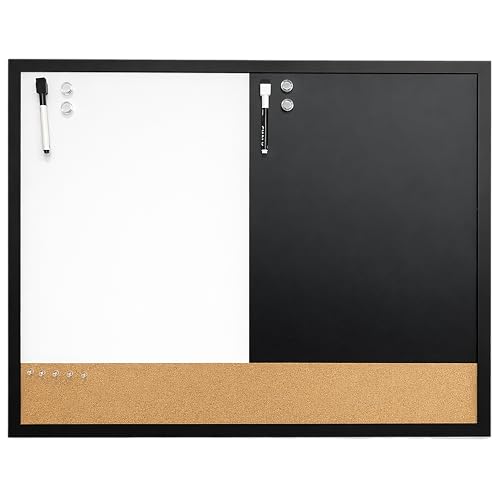
For a chalkboard for kids room use, an easel or a larger low-mounted board tends to work best since it puts the surface at a height kids can actually reach and use independently. A double-sided board with chalkboard on one side and a dry-erase or magnetic panel on the other adds flexibility as kids grow into different activities. Pairing an open writing surface like this with other open-ended building toys gives kids a mix of structured and creative play in the same corner of a room.
Entryway, office, or general decor
In an entryway or home office, a chalkboard often functions more as decor with an occasional practical use, like a welcome message, a family schedule, or a quick note left for someone else in the house. In these spots, style tends to matter as much as size, so a framed board that matches existing decor is usually a better fit than the largest board available.
Getting a New Chalkboard Ready and Keeping It That Way
A new chalkboard does not always perform its best right out of the box, and skipping one simple step early on is a common regret.
Seasoning the surface before first use
Before writing anything meaningful on a brand new board, rub a stick of regular chalk on its side across the entire surface, then erase it completely. This process, often called seasoning, fills in the microscopic pores of the surface evenly so the first thing you actually write does not soak in unevenly and leave a lasting outline behind. It only needs to be done once, and it takes just a few minutes.
Dealing with ghosting later on
Ghosting is the faint shadow that remains after erasing, and it happens when chalk residue works its way into the surface over time rather than staying on top where an eraser can remove it. A cloth dampened with a mild vinegar solution, combined with gentle scrubbing, usually lifts moderate ghosting; stubborn spots may need a couple of passes. Wiping the board down weekly and giving the eraser itself an occasional shake or brush-out keeps residue from building up in the first place, since a dust-filled eraser tends to smear rather than clean. Surface porosity also plays into which type of chalk performs best day to day, so it is worth checking a guide on choosing the right chalk for a chalkboard if you are still deciding between traditional and dustless options.
Frequently Asked Questions
What is the best surface material for a home chalkboard?
Melamine is the most practical choice for most homes because it is non-porous, durable, and affordable. Tempered glass erases the cleanest and looks the most premium but costs more and weighs more. Slate offers a classic look but wears less evenly over time.
Should I get a wall-mounted chalkboard or a standing easel?
Choose wall-mounted if the board will stay in one permanent spot, like a kitchen or office, and floor space matters. Choose a standing easel if you want flexibility to move it between rooms, which tends to work especially well for kids.
Do I need to season a new chalkboard before using it?
It is not strictly required, but it is worth the few minutes it takes. Seasoning with regular chalk before the first real use helps prevent a permanent ghost image from forming later.
How do I get rid of ghosting on a chalkboard?
A vinegar and water solution applied with a soft cloth, followed by gentle scrubbing, removes most ghosting. Stubborn shadows may take a couple of repeated cleanings before the surface looks fully clear again.
Can a chalkboard be magnetic?
Yes, but only if it is built with a steel backing under the writing surface. Magnetic capability is not automatic on every board, so check the listing specifically if pinning up notes or photos matters to you.
What size chalkboard should I get for a kitchen?
A medium board, roughly 14 by 20 to 18 by 24 inches, works well for a menu or shopping list without dominating the wall. If you plan to track more than one thing at a time, sizing up slightly is usually worth it.
Is a chalkboard a good fit for a kid's room?
Yes, especially a lower-mounted board or a standing easel that puts the surface within easy reach. A double-sided option with a second writing surface adds room to grow as kids' interests change.
Finding the Right Fit for Your Space
There is no single board that works everywhere. A durable melamine board mounted in the kitchen solves a different problem than a portable easel in a playroom or a framed decorative piece by the front door. Once you know the room, the size you actually need, and whether magnetic capability matters, choosing among the best chalkboards for home use becomes a far easier decision.