
Best Chairs with Tulip Table by Budget: Smart Picks for 2026
Disclosure: We may earn a commission when you buy through links on this page, at no extra cost to you. As an Amazon Associate I earn from qualifying purchases. Learn more

Dining chairs for a tulip table by budget: what each price tier buys, which sizes fit a pedestal base, and which upgrades are worth it.
Chairs that sit around a tulip table can cost a little or a lot, and the price gap is not always obvious from photos. A molded shell, a cushioned seat, and a solid frame can look similar online while feeling very different in daily use. Choosing best chairs with tulip table for your home starts with knowing what each price level actually buys you.
This guide breaks down the budget, midrange, and premium tiers, the features that earn their cost, and the extras you can safely skip. Use the comparison table below to check prices and dimensions side by side.


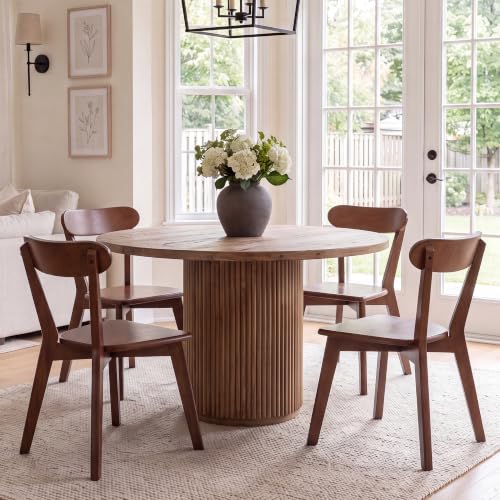
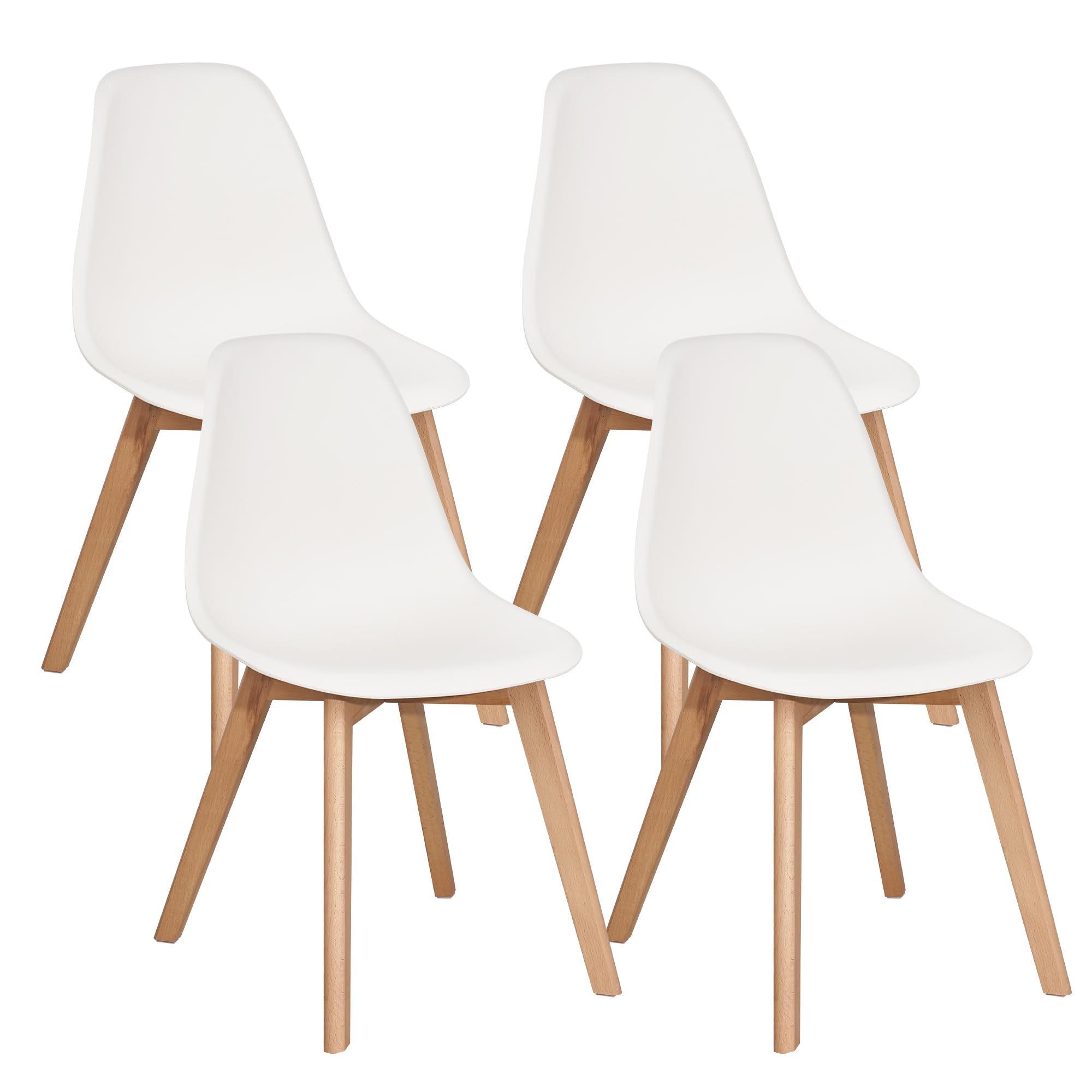

Start With Your Table, Your Room, and How You Sit
Your search for best chairs with tulip table should start with the table you already own. A tulip table has a single pedestal base, so there are no corner legs to work around, but the round or oval top still sets a firm limit on how many chairs fit and how wide each one can be. Measure the top, note the base diameter, and count the diners you seat most weeks.
Chairs for Small Dining Corners
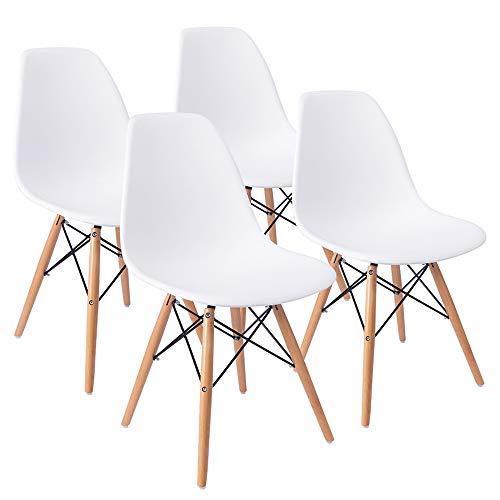
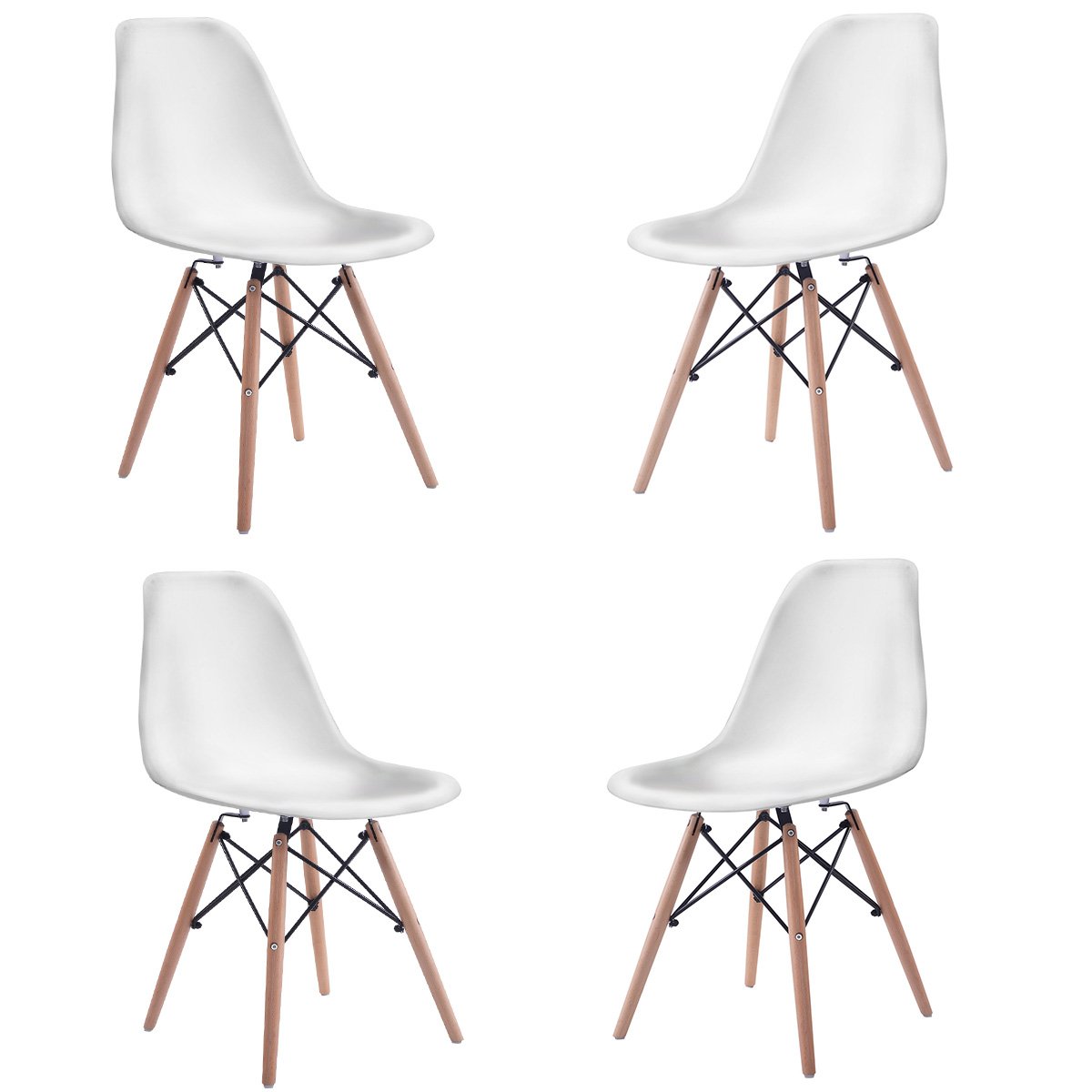
If your table is about 36 to 42 inches across, plan on two to four chairs with slim profiles and no arms. Armless molded chairs keep the circle open, slide fully under the top, and leave walking room in a tight kitchen nook. A seat width of about 17 to 19 inches per chair usually keeps elbows from colliding during meals.
Chairs for Family Meals Every Day
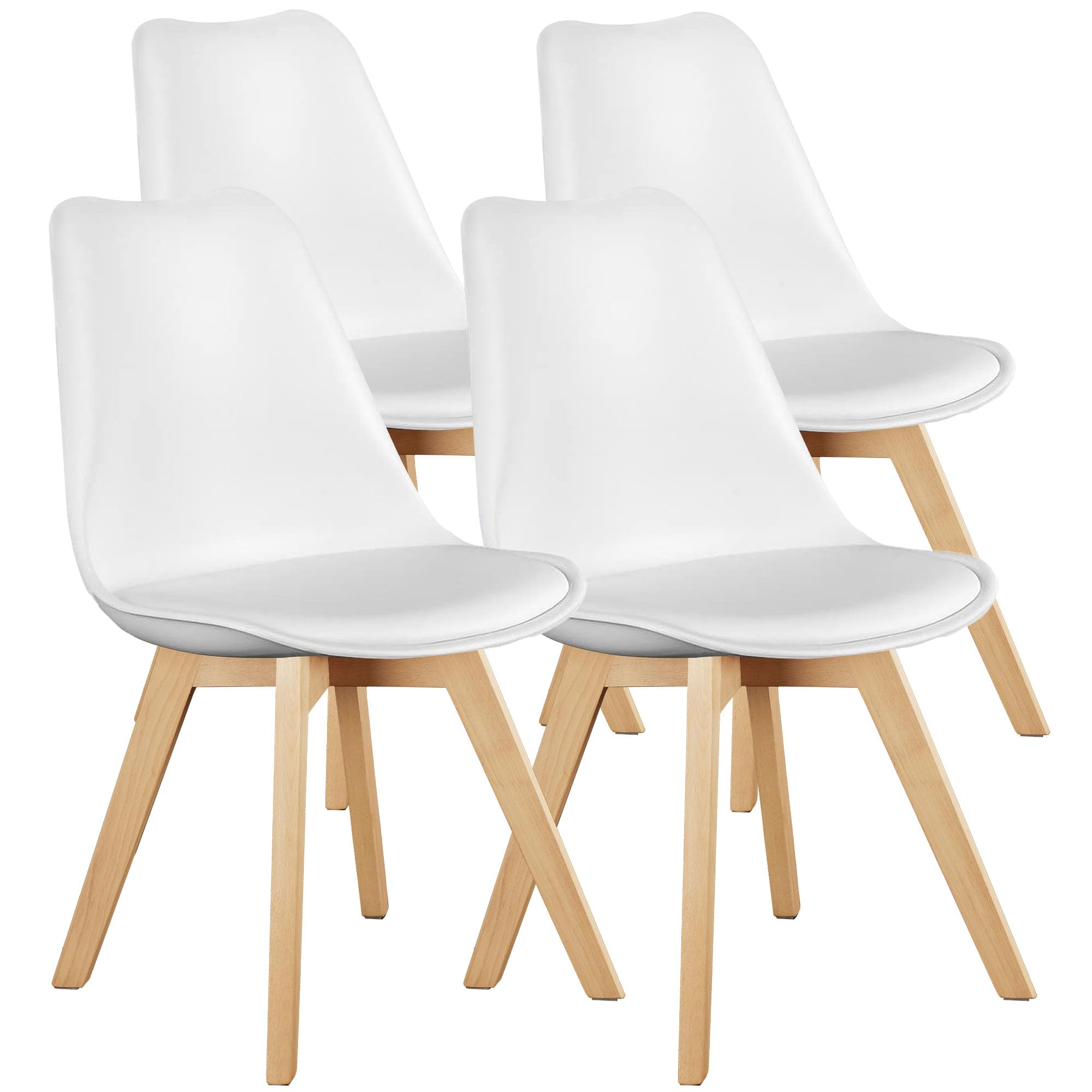
Households that eat at the table daily need wipeable surfaces, stable feet, and seats that forgive spills and homework sessions alike. Slightly wider cushioned chairs suit longer family meals, and a back with a gentle curve gives children and adults a place to lean. If you are also furnishing a separate eating area for younger kids, see our guide to the best children's table and chairs for sizes scaled to small bodies.
Chairs for a Table That Also Works as a Desk
Many tulip tables double as work surfaces in studio apartments and spare rooms. If yours does, seating needs shift toward support for longer sitting, with a shaped back and a seat that stays comfortable past the one hour mark. If most of your day is desk work rather than dining, browse our guide to the best officer chairs as well, since true task seating follows different design rules.
What Your Money Gets You at Each Price Tier
Prices below are per chair, and many tulip friendly chairs are sold in pairs or sets of four, so check the listing quantity before you compare totals. As a rule, spending more buys frame strength, better foam, and cleaner finishing rather than a completely different look.
Budget Tier: What to Expect
Budget chairs usually cost under $100 per chair and rely on molded plastic shells, thin foam pads, and simple metal or wooden legs. They suit first apartments, rental homes, and spare seating that sees weekend use rather than three meals a day. At this level, spend your attention on leg stability and seat height accuracy, because a wobbly base is the complaint that ends most budget purchases.
Midrange Tier: The Sweet Spot for Most Buyers
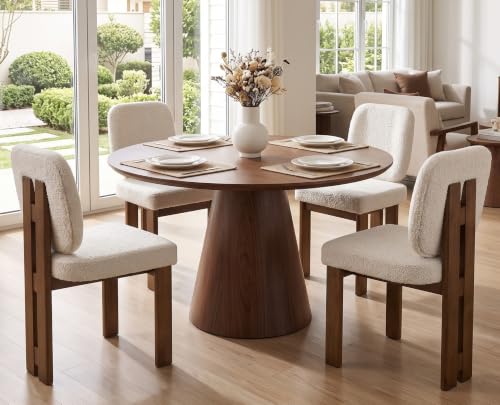
Midrange chairs run about $100 to $250 per chair and are where most households get the best balance of comfort and durability. You typically gain thicker cushioning, upholstered seats in fabric or faux leather, stronger frames, and glides that protect flooring. For a table used daily, this tier usually delivers the longest service for the money spent.
Premium Tier: When Spending More Pays Off
Premium chairs cost about $250 to $600 per chair and add solid wood or metal frames, full grain leather or quality woven upholstery, and carefully shaped shells. This is also where you find chairs sized for taller or heavier diners who sit for long stretches. The premium makes sense when the table anchors your main living space and the chairs will be seen and used every single day.
Features Worth Paying For, and Ones to Skip
Not every upgrade improves a meal. This section sorts the features that change daily comfort from the ones that mostly raise the price, so you can move money toward what you will actually feel. Keep the product table above open while you read, since its listed specs map closely to the points below.
Why the Pedestal Pairing Changes Chair Choice
A pedestal base frees leg room, which means chairs can be a little deeper than they could around a four leg table, and diners can shift position without hitting a table leg. The trade off is stability at the edge: a round top can feel tippy if heavy diners lean on one side, so chairs that are easy to slide in and out reduce the pushing and pulling on the top.
Comfort and Cushioning
Cushion quality decides whether a two hour dinner feels relaxed or restless. Look for high density foam that springs back when you press it with a thumb, since soft low density padding flattens within months and leaves you sitting on the shell. A seat depth of about 16 to 18 inches supports your thighs without pressing behind your knees. Some chairs use a mesh back instead of a solid shell, which breathes better in warm kitchens and flexes slightly as you lean, though it offers a less formal look.
Size, Dimensions, and Weight Capacity
Seat height is the measurement that matters most. Most dining tabletops sit 28 to 30 inches high, and a seat height of 17 to 19 inches leaves the roughly 10 to 12 inch gap your thighs and arms need. Check weight capacity on every listing and choose a rating comfortably above the heaviest regular user, because that number reflects frame and joint strength, not just the seat surface. If the chairs have arms, measure arm height against the underside of the top so the chairs can still tuck in.
Width planning prevents the crowded feeling that ruins a round table. Allow about 24 inches of table edge per diner, then work backward to how many chairs your diameter honestly supports. A 48 inch top seats four with ease and five only with slim chairs, whatever the product photos suggest. If a coordinated full dining set appeals to you more than mixing pieces, see our guide to the best table and chairs for matched options.
Ergonomics and Adjustability
For dining alone, fixed chairs with a curved back and light lumbar support are usually enough, and simpler construction means fewer parts to loosen. Adjustable armrests and a tilt lock only earn their cost when the chair serves long work sessions, because those mechanisms belong to task seating and add weight and bulk at a dining table. Ergonomic shaping still matters at dinner, though: a back that follows your spine and a slight waterfall seat edge keep circulation comfortable. Choose adjustability for a dual purpose room and skip it for a pure dining setup.
Warranty and Return Policy
A longer warranty on the frame and base tells you how much confidence the maker has in its joints and welds. One year coverage is common at budget prices, while midrange and premium chairs often cover frames for three to five years or more. Favor sellers that let you assemble one chair, sit in it through a real meal, and return the set if the fit is wrong.
Common Mistakes to Avoid
- Buying chairs so wide that fewer diners fit than the table diameter allows, which leaves the table feeling cramped at every meal.
- Choosing arms that bump the edge of the tabletop, so the chairs never tuck in and the arms chip from repeated contact.
- Ignoring the pedestal base diameter, which can crowd feet and chair legs even though the table has no corner legs.
- Matching the chair color to the table and forgetting seat height, which leaves diners sitting too low with raised shoulders.
- Paying for desk features on chairs used only for meals, which adds cost and bulk without improving a single dinner.
- Placing indoor only chairs on a covered patio, where humidity swells joints and fades upholstery within a season or two.
How to Make Your Dining Chairs Last Longer
Care for these chairs centers on joints, glides, and upholstery, and a few minutes each month prevents most early failures. Tighten leg and frame bolts about twice a year, because the sliding motion at a pedestal table slowly works hardware loose. Replace worn floor glides as soon as they thin out, since a bare metal or wood foot will scratch floors and wobble. Blot spills on upholstery right away and clean molded shells with mild soap and water rather than harsh sprays that dull the finish.
Sunlight and heat quietly shorten chair life indoors. Keep upholstered chairs out of hours of direct sun through a window, and lift chairs instead of dragging them when you clean. If you truly need seating that lives outside, see our guide to the best patio table chairs and our guide to the best outdoor table and chairs for frames and fabrics rated for weather.
Long Term Costs to Factor In
The purchase price is only part of what a set of chairs costs you. Replacement glides, touch up pens for painted legs, and fabric cleaner add small ongoing amounts, and reupholstering a premium chair years from now can cost about as much as a new budget chair. Budget a little extra for felt pads and a spare set of hardware, and your cost per year of use drops sharply when chairs last eight years instead of three.
Frequently Asked Questions
How long should dining chairs paired with a tulip table last?
Dining chairs paired with a tulip table should last about five to ten years with daily use, depending on frame material and joint quality. Solid frames and replaceable glides sit at the long end of that range. One point buyers miss is rotation: swapping chair positions monthly spreads wear across the whole set, so no single chair loosens or fades years ahead of the others.
How do I choose the right chair size for a tulip table?
Choose chair size for a tulip table by matching the seat to your tabletop height first, then checking that the chair width fits your table diameter. A simple test helps before you order a full set: buy or borrow one chair, sit through a real meal, and check that you can cross your legs and rest your forearms naturally. Ordering a single chair first costs a little time and prevents a full set return.
What chair features matter most for long hours at a tulip table?
The chair features that matter most for long hours at a tulip table are a shaped back, resilient foam, and a seat edge that does not press into your thighs. For sessions beyond two hours, add a thin seat cushion rather than replacing the chairs, and stand or stretch between courses or work blocks. A small foot ring or a low footrest nearby can also ease lower back strain during long sits.
Is an expensive chair for a tulip table worth the cost?
An expensive chair for a tulip table is worth the cost when you use it daily and value repairable construction. Premium frames can be reglued, reupholstered, and fitted with new glides, which stretches their working life well past cheaper chairs. If the table is a secondary breakfast spot used a few times a week, midrange chairs give you nearly the same daily experience for far less money.
Final Thoughts
Budget with the table in front of you: measure the top and base, confirm seat height and arm clearance, and then decide which tier fits your daily routine. Comfort comes from foam quality and back shape far more than from decorative details, and the product table above helps you compare those basics quickly. When you match size first and tier second, finding best chairs with tulip table for your home becomes a calm, one time decision instead of a cycle of returns.


