Best Chairs Under 300 for Every Need: How to Pick the Right One in 2026
Disclosure: We may earn a commission when you buy through links on this page, at no extra cost to you. As an Amazon Associate I earn from qualifying purchases. Learn more

No single chair fits every routine. Learn how to pick the best chairs under 300 for desk work, gaming, and home office use, plus which extras to skip.
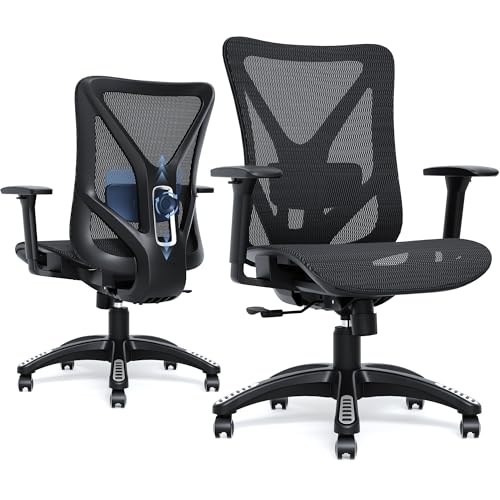
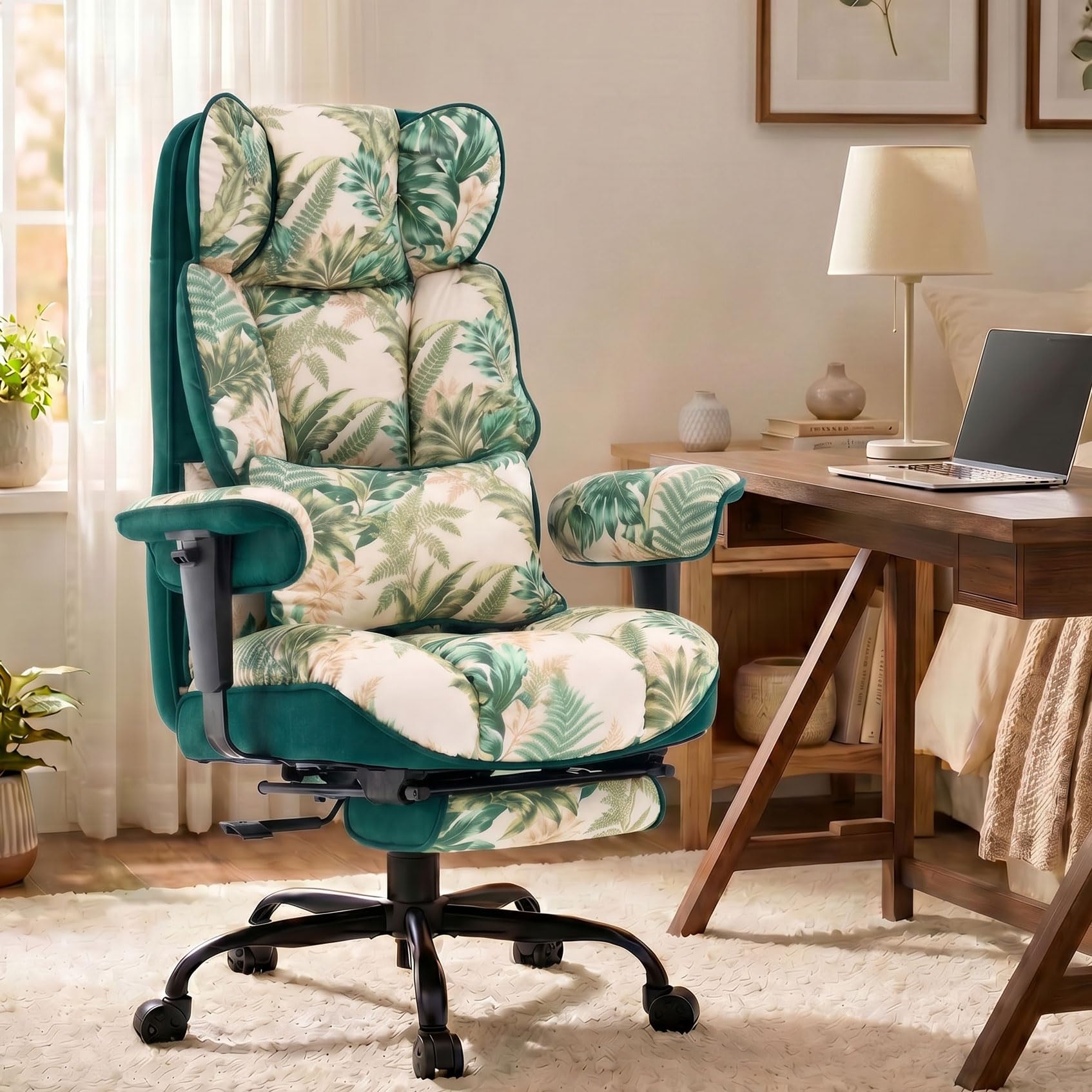
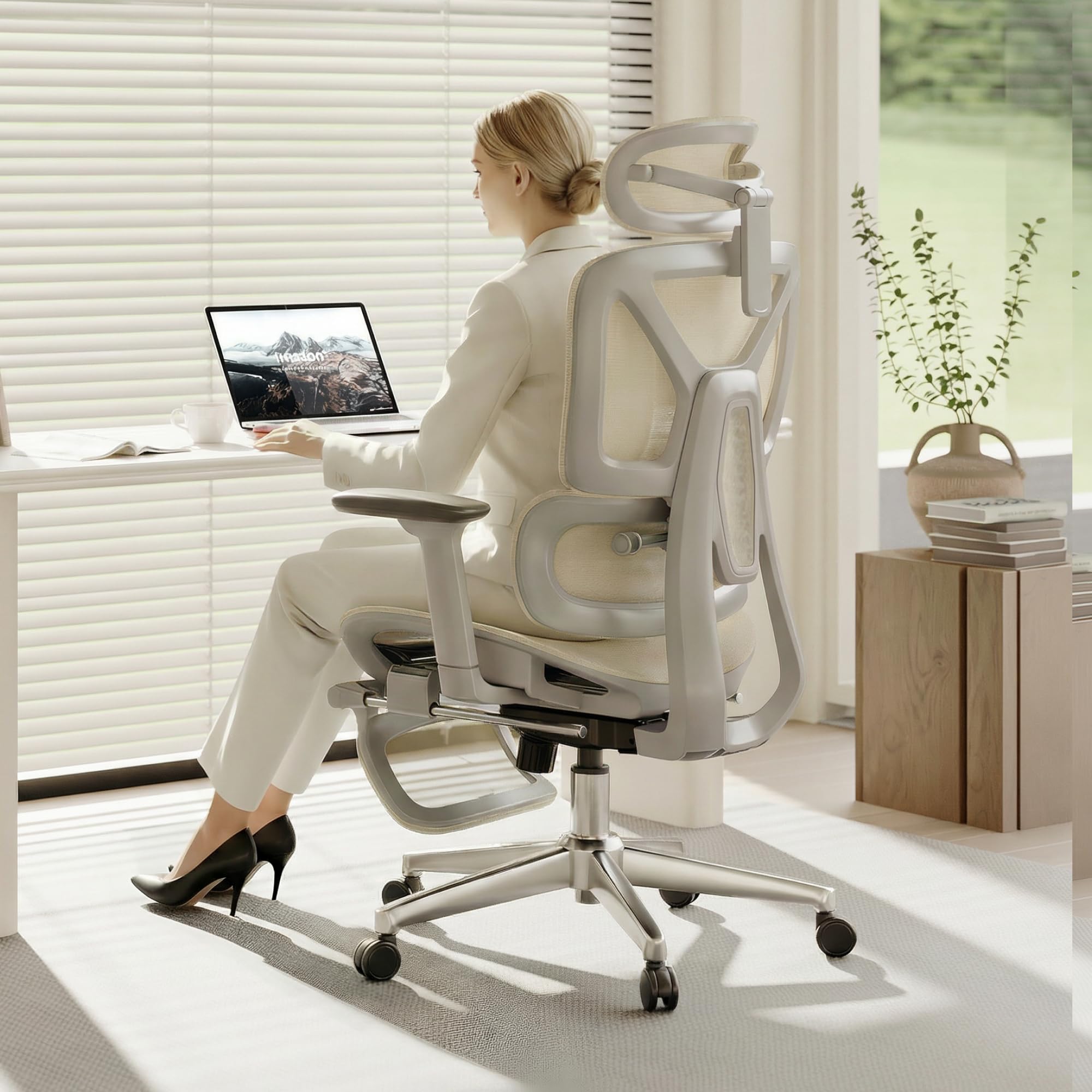
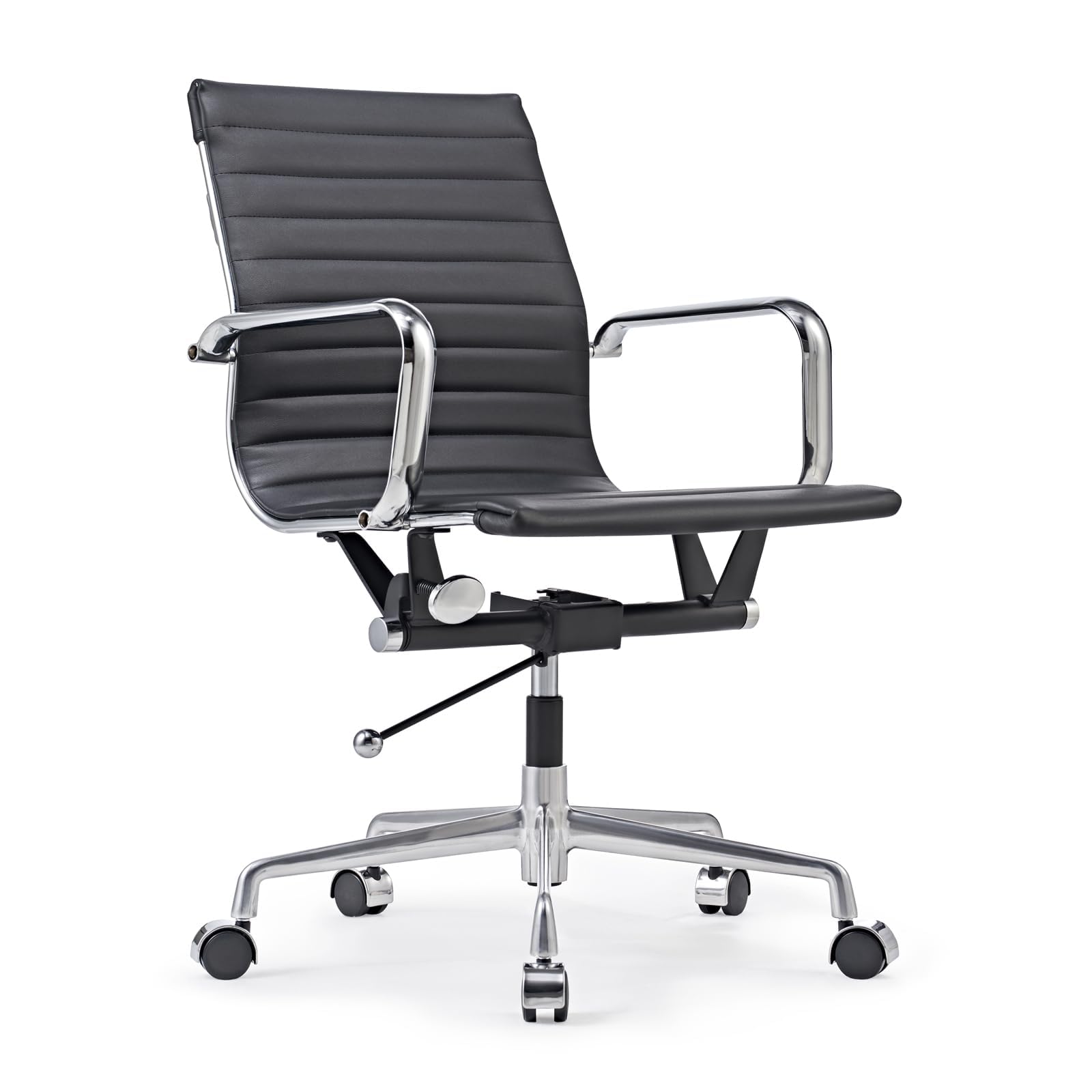
There is no single best chair at this price, because a chair that suits eight hours of desk work will not suit a weekend of gaming or a small home office corner. Shoppers comparing best chairs under 300 get better results when they start from their routine, then match features to it. This guide sorts buyers by how they actually sit, explains what the $300 cap honestly buys, and flags the extras you can skip. The comparison table below puts the main chair types side by side.
Every type below stays under the cap, but the trade offs differ: one chair spends the budget on a stronger frame, another on adjustability, another on a compact footprint. Read the group that sounds like you first, then use the feature section to check the details that matter for your hours and your room.


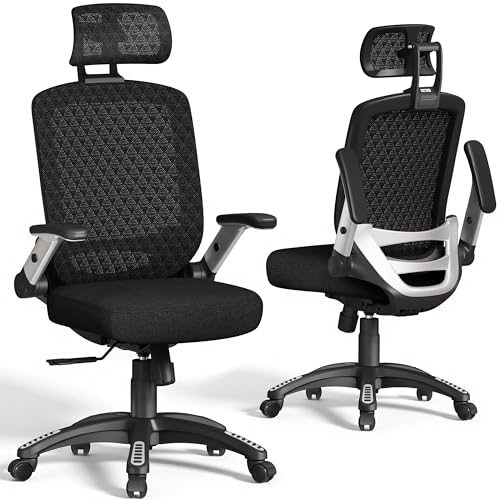


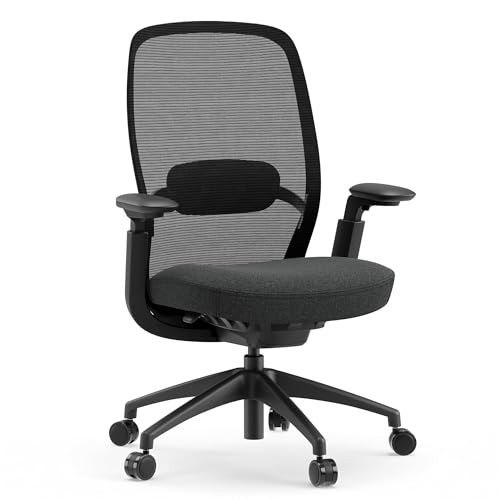

Who Should Buy Which Chairs?
Chair types split by routine more than by looks, and the same budget buys very different chairs depending on the job. If your seat also anchors a work corner, the guide to best home office chairs under 300 focuses on that setup, while the groups below cover the main routines one by one.
For People Who Sit All Day for Work
Your sitting hours decide how much chair you need, because a seat that feels fine for one hour can ache by hour six. Full time desk workers should start with the guide to best desk chairs under 300, then check seat depth and lumbar support against their own body. Plan on adjustable seat height and a backrest that supports your lower back curve. At this cap, a plain mesh or fabric task chair with honest adjustments beats a padded chair with none.
For Value Seekers Who Want Durability First
If the chair must last, spend the budget on the frame and the gas lift, and let the styling go simple. Fewer moving parts means fewer failures, so a fixed armrest and a basic tilt will outlast a long list of levers at this price. Look for a steel or reinforced frame, a rated capacity with room to spare, and a warranty that names the lift and the frame separately. A plain chair that still works in five years is better value than a loaded chair that sags in two.
For First Time Buyers Who Want a Simple Setup
First time buyers do best with a standard task chair that assembles quickly and needs little tuning. Choose a mid size seat, a simple height lever, and casters that match your floor, since hard plastic wheels can mark wood. Avoid oversized executive shapes if your desk is small, because the chair back may not fit under or past the desktop. You can always upgrade later once you know which features your routine actually uses.
Choosing Chairs for Your Situation
Best Chairs for under 300: What to Prioritize
Under a firm $300 cap, the honest deal is a sound frame, a rated gas lift, and basic padded comfort that fits your body. Real leather, motorized parts, and decade long warranties are what get traded away at this price, and that trade is fine for most rooms. Prioritize the frame first, the fit for your body second, and the styling last. Gamers who lean back between matches will find the use case split in the guide to best gaming chairs under 300 helpful, since racing style seats trade desk posture for recline range.
Key Features to Compare
Spec sheets make every model sound alike, so compare the parts that decide comfort and lifespan. When you line up best chairs under 300 side by side, the four checks below separate a sound buy from a short lived one.
Ergonomics and Adjustability
Seat height should adjust across about 17 to 22 inches so your feet rest flat and your knees sit level with or below your hips. Lumbar support can be a built in curve or a separate pillow, but it should meet your lower back rather than your shoulder blades. Adjustable armrests help if you type for long stretches, though fixed arms are fine for shorter sessions. The guide to best computer chairs under 300 applies the same checks to screen based work at a desk.
Frame, Gas Lift, and Build Quality
A steel frame and a class 4 gas lift govern how long the chair keeps its height setting and its rated capacity. A class 3 lift suits lighter users at about 250 pounds, while class 4 parts are rated around 300 pounds and feel steadier under daily use. A five point base in metal resists flex better than a plastic base at the same price. Foam density matters too: firm foam softens slowly, while very soft foam can flatten within the first year.
What You Can Realistically Get Under $300
At this cap, expect breathable mesh or woven fabric, a foam seat of medium density, and adjustments for height, tilt tension, and sometimes armrests. You will not get top grain leather, a powered recline, or a 10 year full warranty, and any listing that promises all three deserves suspicion. Buyers focused on posture friendly shaping can compare best ergonomic chairs under 300 to see how the same budget is spent when support comes first. The realistic win is a chair that fits your body and your main task well.
Warranty and Return Policy
Coverage at this price usually runs about 1 to 3 years, split between the frame, the lift, and the fabric. Read which parts carry the longest cover, since the gas lift is the part most likely to fail first. A return window of about 30 days matters because a chair can feel fine in a showroom and wrong after a full work week. Keep the box until the window closes.
Assembly and Delivery
Most chairs in this range assemble in about 20 to 40 minutes with a hex key included in the box. The seat and back arrive as separate pieces, and a second person makes aligning the back bolts far easier. Check the delivery weight if the box must climb stairs, since a steel frame chair can weigh about 35 to 45 pounds packed. Photograph any damaged part before assembly, because replacement parts ship faster with proof.
Common Mistakes to Avoid When Buying Chairs
- Choosing by price alone, because the cheapest chair often skips the rated lift and frame that decide lifespan.
- Ignoring seat depth, because a seat that is too deep leaves shorter users perched with their feet dangling.
- Buying an oversized executive chair for a small desk, because the back and arms may not clear the desktop or the wall.
- Skipping the floor check, because hard casters on wood floors leave marks that cost more than a set of soft wheels.
- Never reading the warranty split, because a long headline term may cover only the frame while the lift gets a single year.
Tips to Get the Most From Your Chair
Set the seat height so your feet rest flat and your elbows sit near desk height, then adjust the tilt tension to your weight. Tighten the assembly bolts every few months, since rocking and swiveling slowly loosen them. Vacuum fabric and mesh regularly, and wipe spills the same day to keep foam from holding odors. A small lumbar pillow can refresh a chair whose back support has softened with use.
Common Questions Answered
Can you get a good chair under $300?
Yes, as long as good means a sound frame, a rated lift, and comfort for one clear routine rather than every feature at once. The strongest buys at this price are simple task and mesh chairs with honest capacity ratings. If you shop sales or accept a returned unit from a reputable seller, the same budget can reach a higher tier. Match the chair to your main use and the value is real.
How long should a good chair under $300 last?
Expect about 3 to 5 years of daily use before the foam flattens or the lift starts to sink. Lighter use in a guest room or a weekend office can stretch that to 7 years or more. The gas lift is usually the first part to fail, and it is also one of the cheapest to replace. Tightening bolts and keeping casters clean of hair and grit adds real time to every part.
Is a chair above $300 worth it for daily desk work?
It can be, because the step up usually buys denser foam, a longer lift warranty, and finer adjustments rather than a different kind of chair. If you sit eight hours a day, those upgrades spread across thousands of hours. If your sitting is split between a desk, a sofa, and a kitchen table, the difference shrinks. Decide by your weekly sitting hours, not by the showroom feel.
How do I choose the right size chair under $300?
Measure your desk height first, since most desks sit about 28 to 30 inches high and the chair arms must clear the underside. Seat height should let your feet rest flat, and seat depth should leave a small gap behind your knees. Wider users should check seat width and the rated capacity together. If you shop in person, sit for at least ten minutes, because the first minute flatters almost every chair.
What features matter most for long hours of sitting?
Lumbar support, seat depth, and an adjustable height matter most, in that order. A backrest that meets your lower back keeps your posture from sliding as the hours pass, and a seat depth that fits your legs keeps pressure off your knees. Breathable mesh helps in warm rooms. Even the best setup needs standing breaks, so treat the chair as one part of a routine that includes moving every hour or so.
Final Thoughts
Start from your routine, spend the cap on the frame and the fit, and let styling come last. The product table above collects the current options in one place, so you can compare capacities, warranties, and prices without opening a dozen pages. Chosen that way, the right best chairs under 300 pick is simply the chair that matches your hours, your body, and your room.