Best Chairs Under 200 for 2026: Types Compared and How to Choose
Disclosure: We may earn a commission when you buy through links on this page, at no extra cost to you. As an Amazon Associate I earn from qualifying purchases. Learn more

The best chairs under 200 compared by type: ergonomic, budget and executive styles, with foam, sizing and adjustment checks for a 200 dollar budget.
A budget of 200 dollars covers a surprising range of seating, from padded desk chairs to solid wood dining chairs and compact accent pieces. The hard part is that each type spends that money in a different place, so a chair that feels great at a desk can feel wrong at a dining table. This guide compares the main types of best chairs under 200 shoppers usually weigh, so you can match the design to the job before you spend anything.
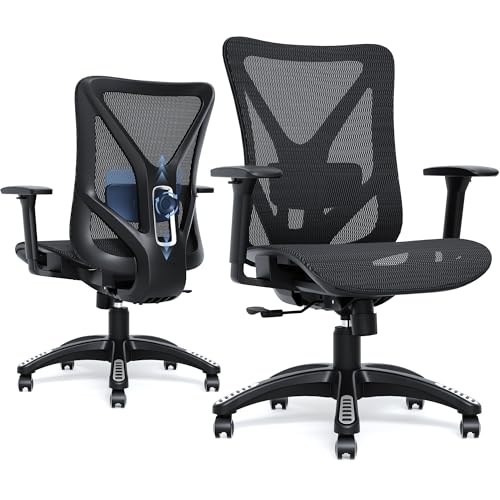
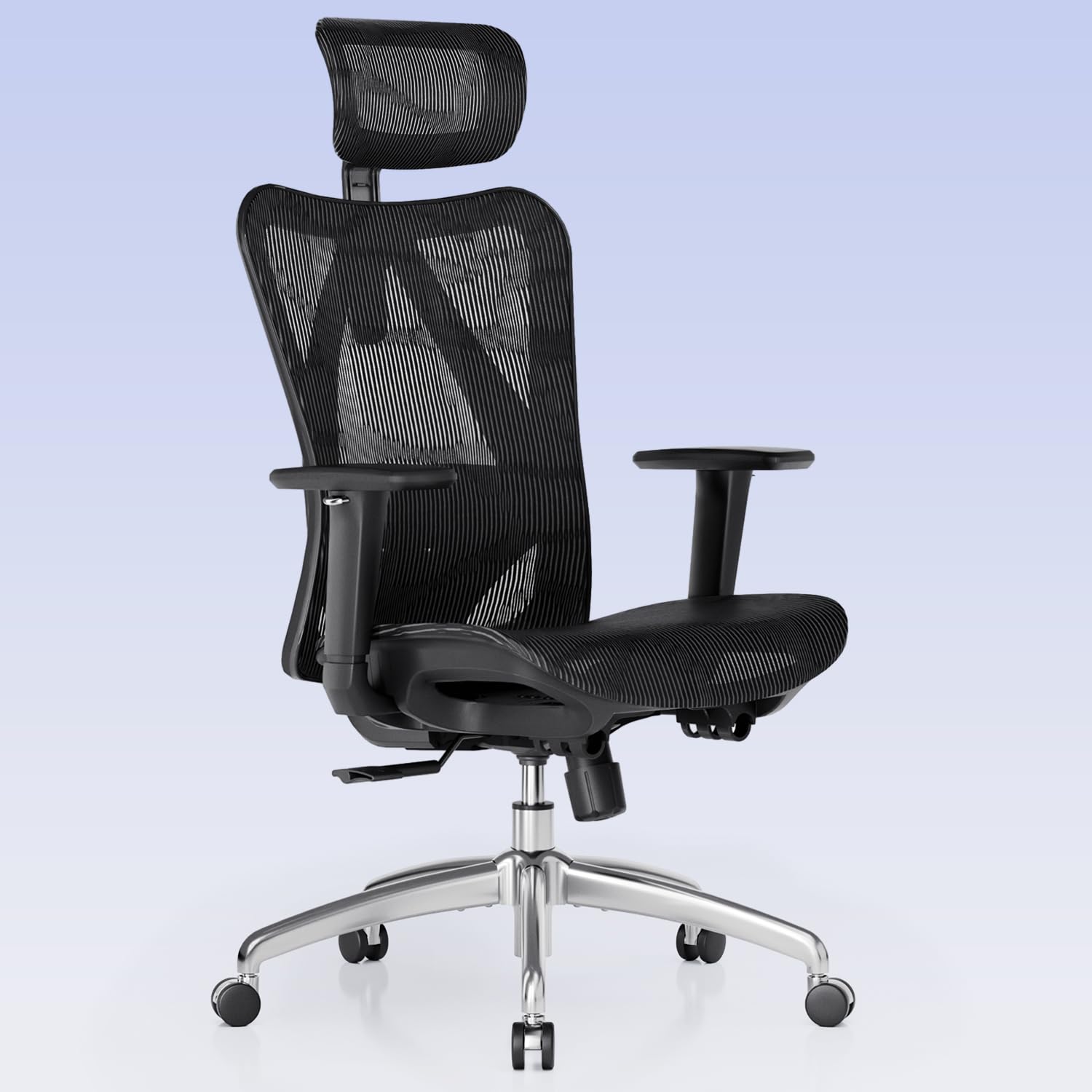
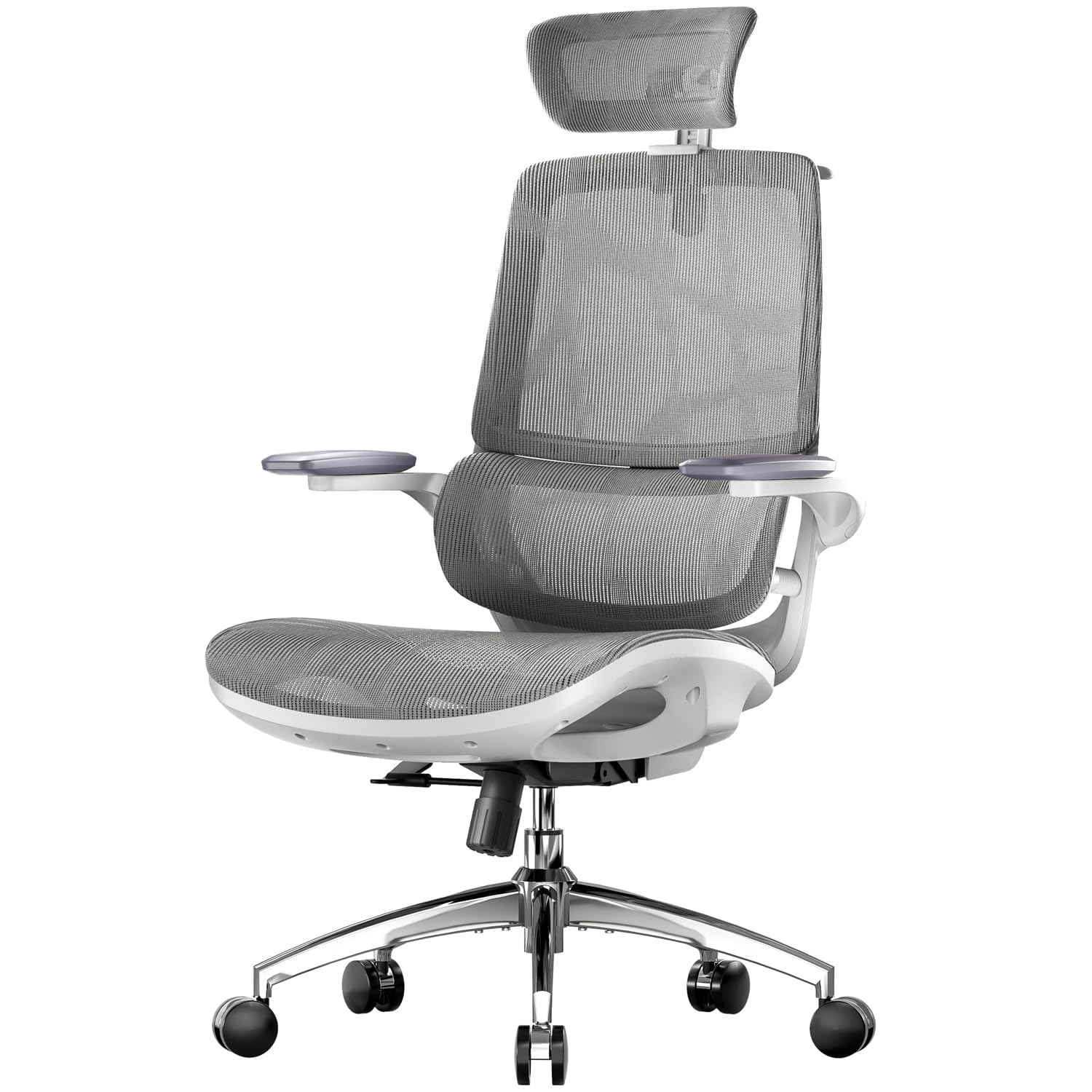
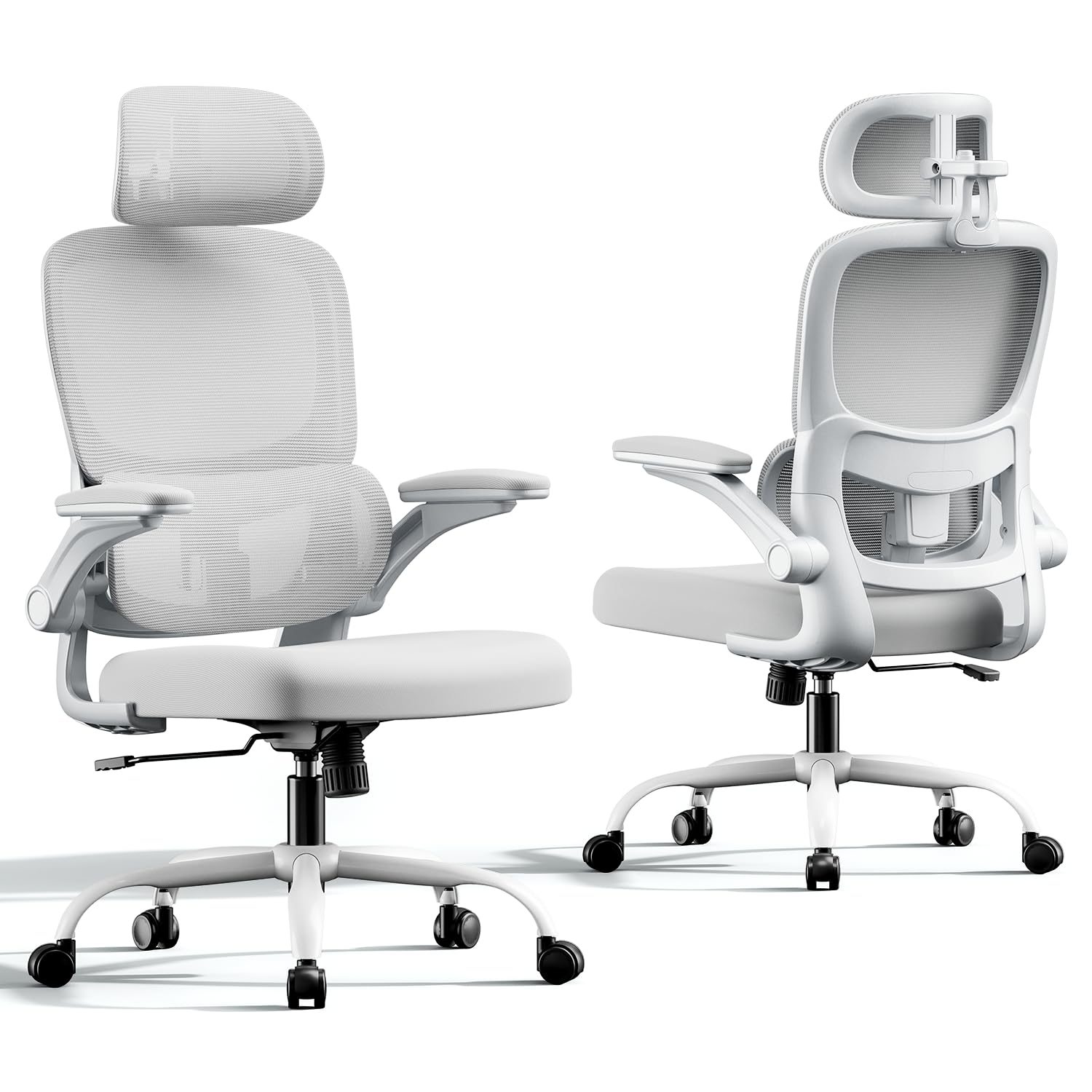
You will see how ergonomic, budget, and executive styles differ, what the padding and frames are really made of at this price, and where the money matters most. Start with the comparison table below, then read the sections that match your room and your routine. The comparison table above lists desk and office chairs, the style most shoppers want from the best chairs under 200, while the sections below also note dining and accent options.




Types of Chairs Compared
The table sums up the five styles you will meet most often in this price band. Prices are typical for a single chair unless the row says otherwise, and dining chairs are often sold in pairs, which changes the cost per seat.
| Type | Best For | Pros | Cons | Typical Price |
|---|---|---|---|---|
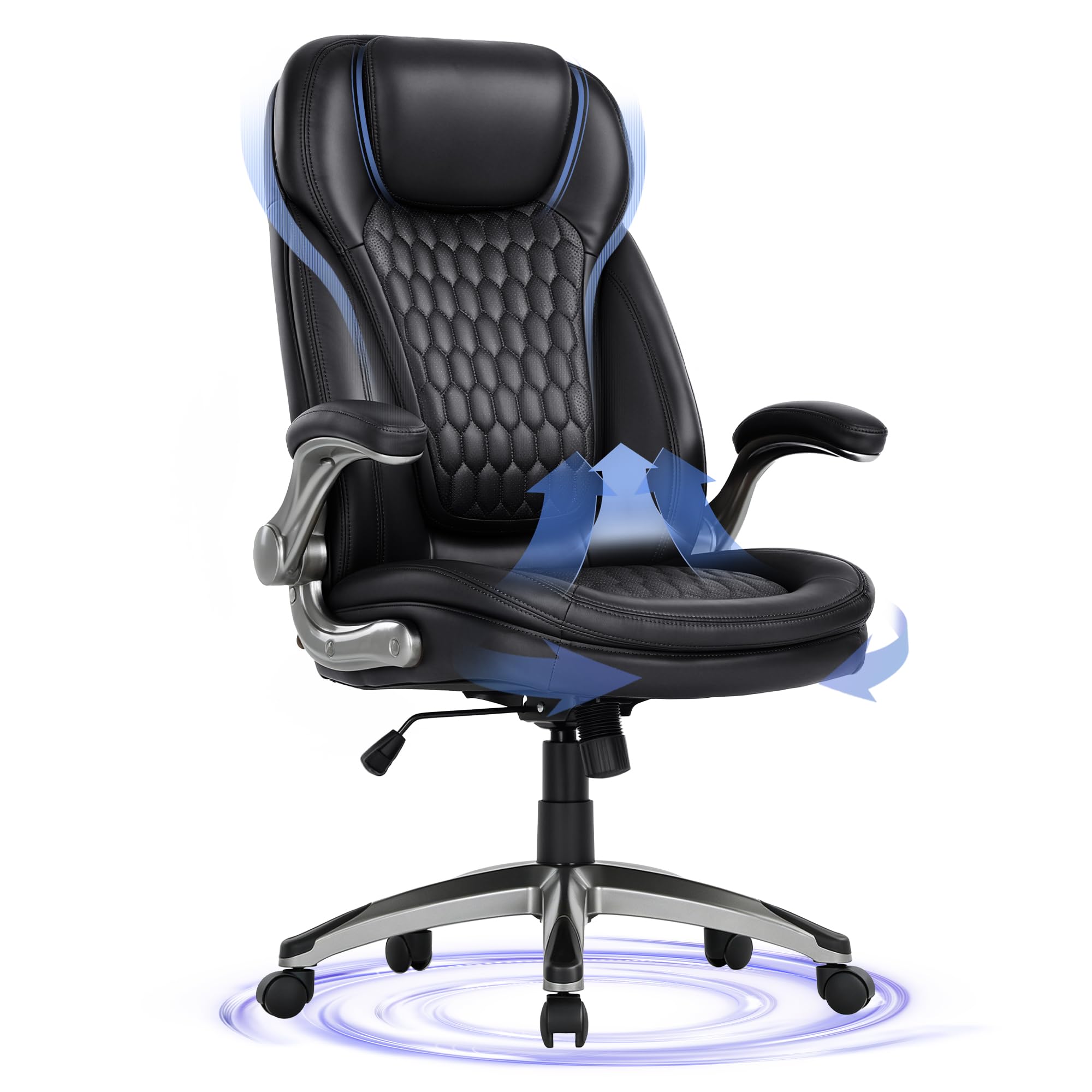
| Ergonomic desk chair | Daily desk work | Adjustable height, lumbar support, breathable mesh back | Arms and headrest may be basic | about $150 to $200 |
| Budget task chair | Occasional desk use | Low price, small footprint, simple assembly | Thin padding, fewer adjustments | about $60 to $120 |
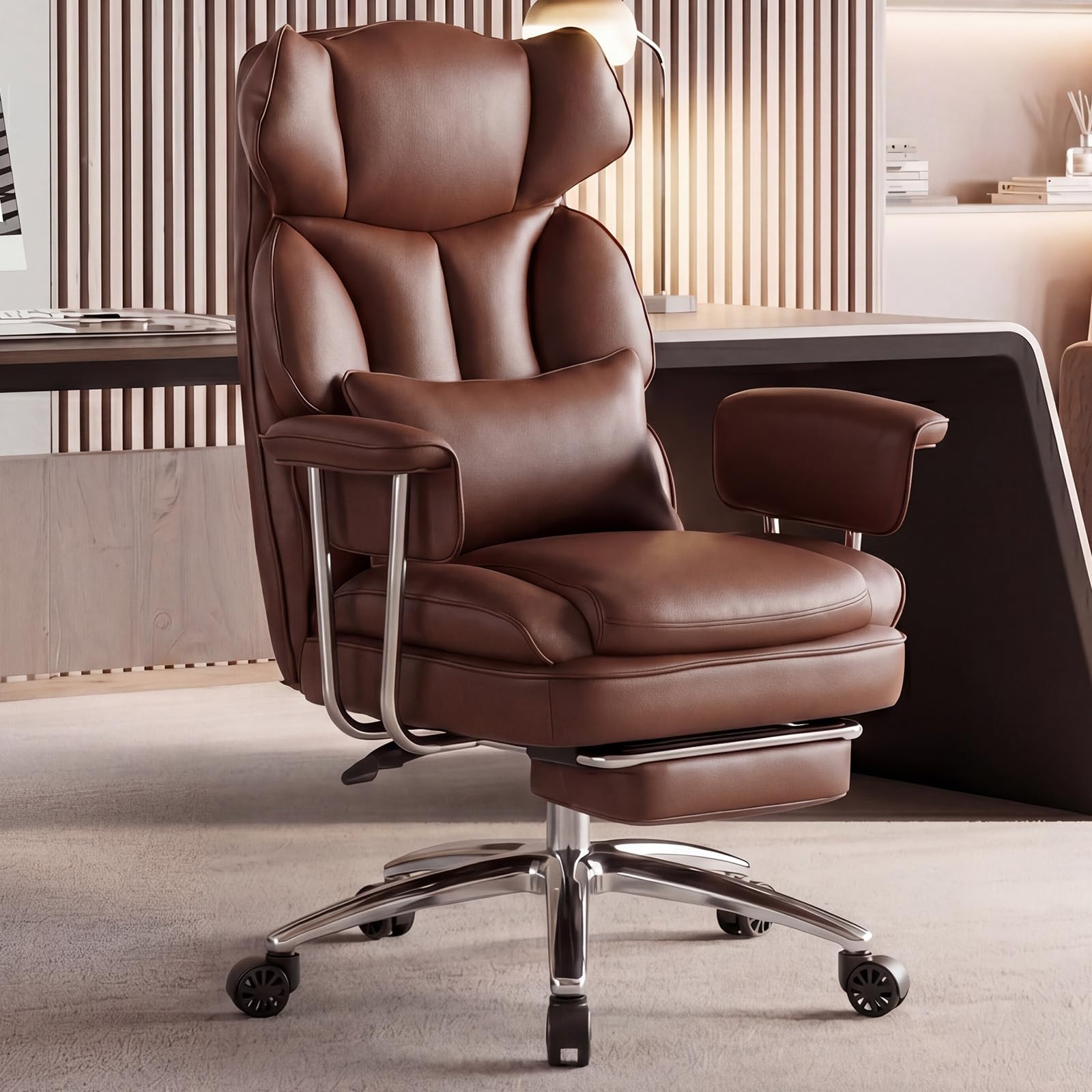
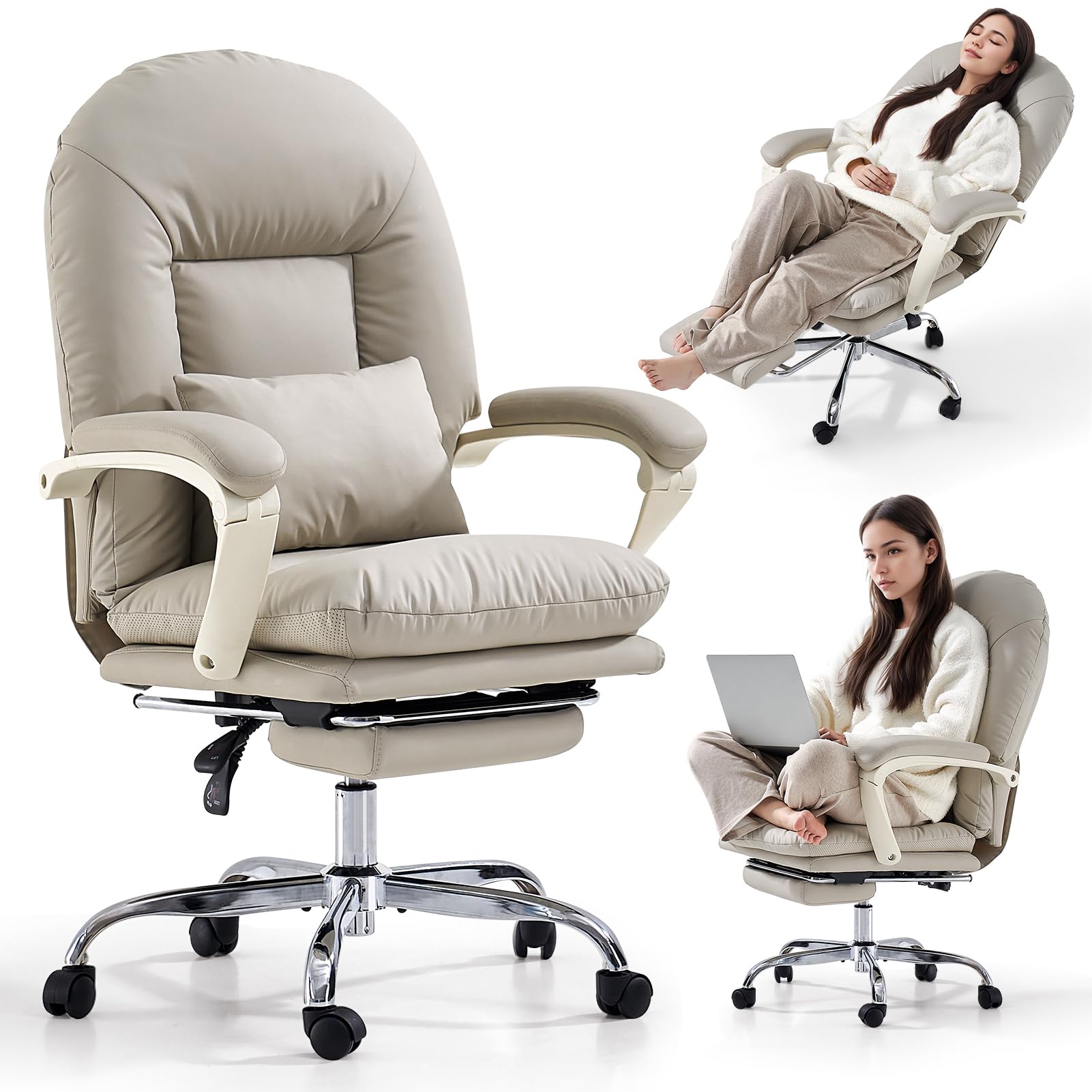
| Executive style chair | A padded, formal look | Thick cushioning, tall back, wide seat | Bulky, faux leather can run warm | about $160 to $200 |
| Dining chair | Meals and guests | Compact, easy to clean, sold in pairs or sets | Little padding, fixed height | about $80 to $180 per pair |
| Accent chair | Reading corners and spare seating | Comfortable shape, many fabrics, small footprint | No adjustability, one seat only | about $120 to $200 |
Ergonomic Models
Ergonomic models put the budget into adjustment and back support rather than looks. A typical design pairs a mesh back with a separate lumbar pad or a backrest that flexes as you move, plus a gas lift for seat height and a tilt lock that holds the backrest at a set angle. This is the group to study if you sit for long stretches, and our guide to the best ergonomic chairs under 200 explains the support features in more depth. Padding tends to be firmer than it looks in photos, which most people find better over a full workday than a soft seat that bottoms out.
Budget Models
Budget models cover simple task chairs, small desk chairs without arms, and racing style gaming seats at the lower end of the band. You give up most adjustment beyond seat height, and the foam is usually thinner, so these chairs suit shorter sessions, spare rooms, and shared family desks. Shoppers drawn to the racing style can compare the best gaming chairs for under 200 to see what that look costs in padding and features. Assembly is quick, parts are light, and replacement casters or lifts are cheap, which keeps the total cost of ownership low.
Premium and Executive Models
Near the top of the band, executive style chairs trade adjustment for presence and cushioning. Expect a tall back, wide seat, padded armrests, and faux leather or bonded leather upholstery over thick foam. They feel plush for meetings, reading, and shorter desk sessions, and they look at home in a study or a formal office.
The trade offs are size and heat: the wide frame needs more floor space, the upholstery breathes less than mesh on warm days, and the fixed arms can clash with low desks. Check the seat width and the overall footprint before you order.
Ergonomic Models vs Budget Models: Which Should You Choose?
These two groups compete for the same desk, so compare them on the points that decide daily comfort. For padding, ergonomic models use denser foam or a mesh seat that keeps its shape, while budget seats compress sooner and can feel flat within a year of daily use. For adjustment, ergonomic chairs add lumbar support, tilt tension, and often armrest height, while budget chairs usually offer seat height alone.
For build, ergonomic frames and lifts are rated for longer daily use, and their warranties tend to run longer. Choose the ergonomic route if you sit more than four hours a day. Choose the budget route for a guest room, a childs homework desk, or a temporary setup you plan to replace.
How to Choose the Right Chair
Materials and Upholstery
Mesh backs breathe well and hold their shape, which suits warm rooms and long days, but the frame edge can press on wider thighs. Fabric seats feel soft and grip clothing, though they stain more easily and need vacuuming. Faux leather wipes clean and looks formal, yet it can peel after a few years and feels warm in summer.
For dining chairs, solid wood frames outlast MDF frames, and a wood or molded seat is easier to keep clean than upholstery. Match the material to the room first, then to your taste.
Warranty and Return Policy
At this price, warranty terms vary a lot, so read them before you buy. A useful warranty covers the frame and the gas lift for at least two years, because the lift is the part most likely to fail first. Some sellers cover the whole chair, while others list separate terms for parts, fabric, and foam.
Keep the receipt and take a photo of the chair after assembly. A return window of at least 30 days matters too, because a chair that feels fine for ten minutes can ache after a week.
What You Can Realistically Get Under $200
A realistic expectation is one strong feature set rather than everything at once. Around $200 you can get a solid ergonomic chair with a mesh back, a working tilt lock, and a class 3 or class 4 gas lift, or a well padded executive chair with fixed arms, but rarely both in one chair. Headrests, footrests, and four way armrests appear at this price, yet they are often the first parts to wobble. Spend on the frame, the lift, and the seat foam first, because those decide how the chair feels in year two.
Comfort and Cushioning
Comfort at this price comes mostly from foam density and seat shape. High density foam, often listed around 50 to 60 kilograms per cubic meter in molded seats, resists flattening far better than the soft foam in many budget models. A waterfall front edge reduces pressure behind the knees, and a seat depth that leaves a small gap behind your legs suits shorter users.
If you can, sit in a similar chair for fifteen minutes before ordering. Discomfort that shows up in the first minutes rarely improves with time.
Ergonomics and Adjustability
Seat height is the adjustment that matters most: your feet should rest flat on the floor with your knees near a right angle, which for most adults means a seat between about 17 and 21 inches high. Lumbar support should meet the curve of your lower back without pushing you forward. A tilt lock lets you hold a slight recline for calls or reading, and tilt tension should match your weight so the backrest does not feel stiff or loose. Adjustable armrests help if your shoulders rise while you type, but fixed arms are fine when they sit below your desk.
Picking the Right Chairs for Different Uses
Best Chairs for under 200
For general home use, the safest pattern is a chair that fits more than one job: a mid sized ergonomic or cushioned chair that can move between a desk and a dining table. Prioritize a footprint that suits your smallest room, a weight capacity with room to spare, and upholstery you can clean. A living room corner may call for an accent seat instead, and our guide to the best accent chairs under 200 covers those smaller styles.
Best Dining Chairs under 200: Which Type Works Best
Dining chairs in this band are usually sold in pairs, so a listing near $180 may cover two seats. Look for a seat height around 18 inches, which pairs well with standard tables, and a back height that tucks under the table edge when pushed in. Solid wood or metal frames handle daily sliding better than thin MDF, and wipeable seats survive spills. Measure the width per chair against your table length if you plan to seat three people along one side.
Best PC Chairs under 200: Which Type Works Best
PC use adds two needs that dining chairs do not have: hours of steady sitting and casters that roll without marking the floor. A mesh back, a tilt lock, and adjustable armrests earn their cost here, and a five point base with smooth casters protects hard floors. Our guide to the best desk chairs under 200 focuses on this desk first group. Check that the armrests fit under your desk or adjust down, because arms that collide with the desktop push you too far from the screen.
Best Swivel Chairs under 200
A swivel base helps anywhere you turn often: a desk shared by two people, a craft table, or a vanity. The base should rotate smoothly without grinding, and the gas lift should hold its height under your weight all day. Barrel style swivel accent chairs trade the lift for a low, wide seat that suits reading and conversation. Test the turn with your feet on the floor before removing the packaging, because a stiff or noisy swivel is hard to fix later and is a fair reason to return the chair.
Care and Maintenance Tips
Simple habits stretch the life of any chair in this price band:
- Adjust the seat height so your feet rest flat, and reset it after other people use the chair.
- Tighten the bolts under the seat and arms every few months, because daily movement loosens them slowly.
- Vacuum fabric and mesh weekly, and wipe faux leather with a damp cloth so sweat and dust do not dry the surface.
- Keep casters free of hair and grit, which keeps the chair rolling quietly and protects the floor.
- Place the chair out of direct sunlight to slow fading and cracking of the upholstery.
Chairs: Your Questions Answered
Can you get a good chair under $200?
Yes, a good chair is realistic at this price when you buy for one main job instead of every job at once. One point buyers miss is that set pricing can hide value: a dining pair listed near $180 may offer stronger frames than a single desk chair at the same total. Watch for seasonal sales as well, because last season colors of a solid model often drop into this band while the frame and foam stay the same.
What features matter most for long hours?
Lumbar support, seat height adjustment, and a backrest that can hold a slight recline matter most for long hours. A less obvious factor is seat depth: if the seat is too deep, you will perch on the edge and lose back support, so shorter users may do better with a compact model or a small footrest. Breathable mesh also helps during long sessions in warm rooms, since heat buildup makes people shift and slouch.
How long should a good chair last?
A well built chair in this band should last about four to seven years of regular use. The gas lift and casters usually wear first, and both are replaceable on many models for far less than a new chair, so a chair that sinks slowly is not always finished. Foam life depends on density and daily hours: a chair used ten hours a day will soften sooner than the same chair used on weekends.
How do I choose the right size?
Start with seat height and seat width, then check the space the chair must pass through and live in. Measure the height under your desk so the armrests can slide beneath it, and measure doorways if the chair arrives assembled. Taller users should look for a higher backrest and a deeper seat, while smaller users should avoid wide seats that spread the arms too far apart. The listed weight capacity should exceed your weight by a comfortable margin.
Is an expensive chair worth it?
It can be worth it if you sit all day, because better foam, stronger lifts, and longer warranties lower the cost per year of use. A chair at about $400 that lasts eight years can cost less per year than a chair at about $150 replaced after three. For occasional use, the difference is smaller, and a mid priced chair with the right size and support is the smarter buy. Comfort that keeps your posture steady is the real return on the extra money.
The Bottom Line
Match the type to the job first, then compare foam density, frame build, and the warranty on the lift. Desk users get the most from ergonomic models, occasional users can save with budget models, and dining or accent chairs should be judged on size and cleanability. Compare your shortlist with the product table above, and choose the best chairs under 200 option that fits your room, your body, and your daily routine.