
Best Chairs Under 150: Everything to Know Before Your First Purchase for 2026
Disclosure: We may earn a commission when you buy through links on this page, at no extra cost to you. As an Amazon Associate I earn from qualifying purchases. Learn more

Learn how to choose the best chairs under 150 with clear guidance on comfort, sizing, lumbar support, cushioning, and setup for first time buyers.
Buying your first real chair can feel confusing, because listings throw around terms like lumbar support, tilt lock, and foam density without explaining any of them. This guide slows the process down and walks you from the basic vocabulary to the handful of decisions that shape how a chair feels every day. If you are shopping for best chairs under 150 dollars for a desk, a study corner, or a small apartment, you will finish with a clear checklist you can trust.
Start with the comparison table below, then read the sections that match your situation. You do not need to memorize every spec. You only need to know which features matter for your body, your room, and the way you sit. The comparison table above lists desk and office chairs, the style most shoppers want from the best chairs under 150, though the sections below also touch on gaming and compact options.

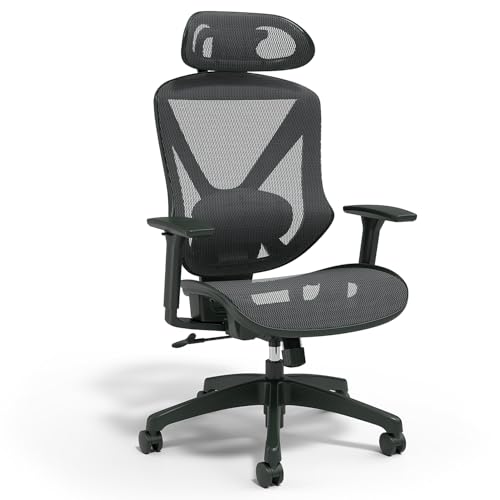

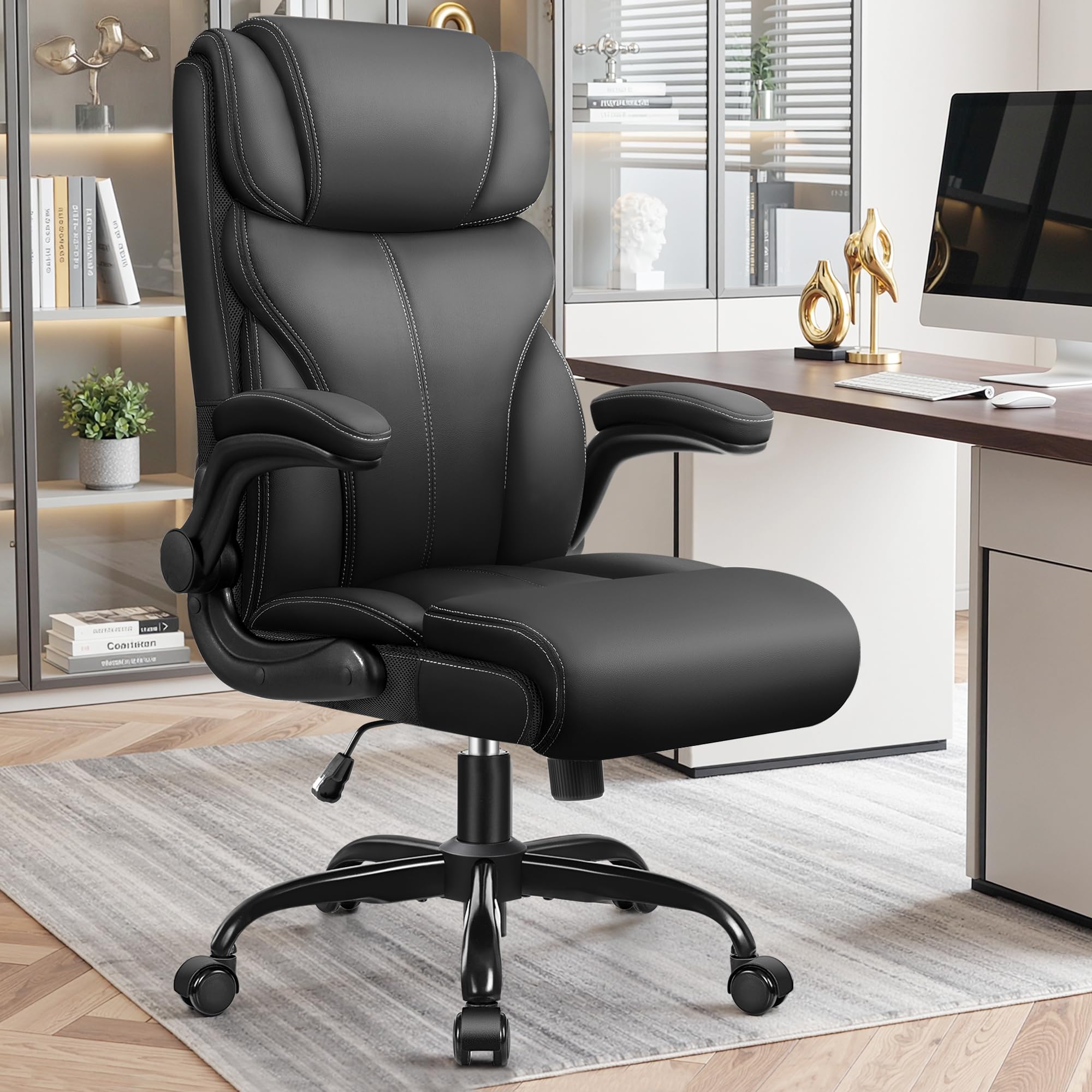
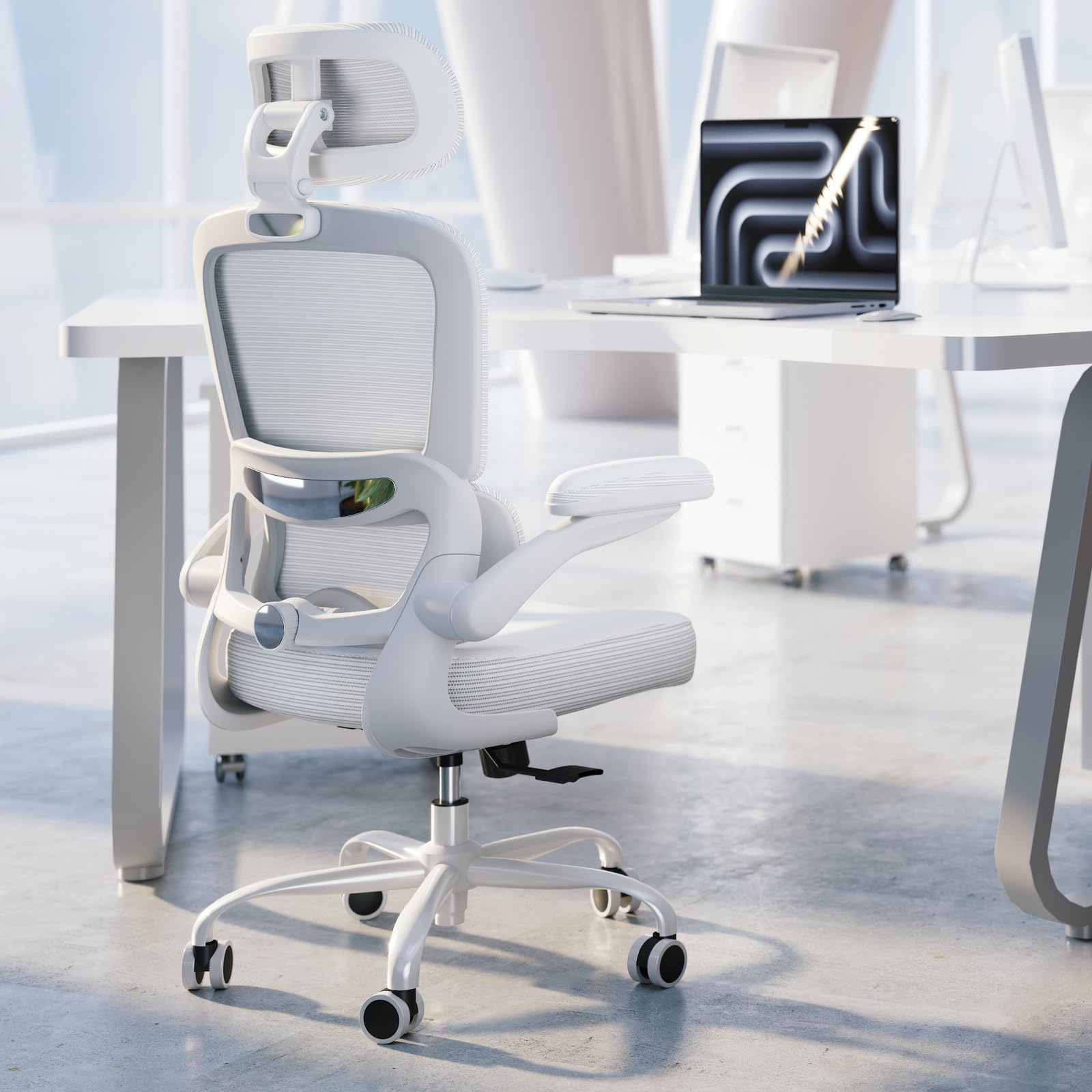

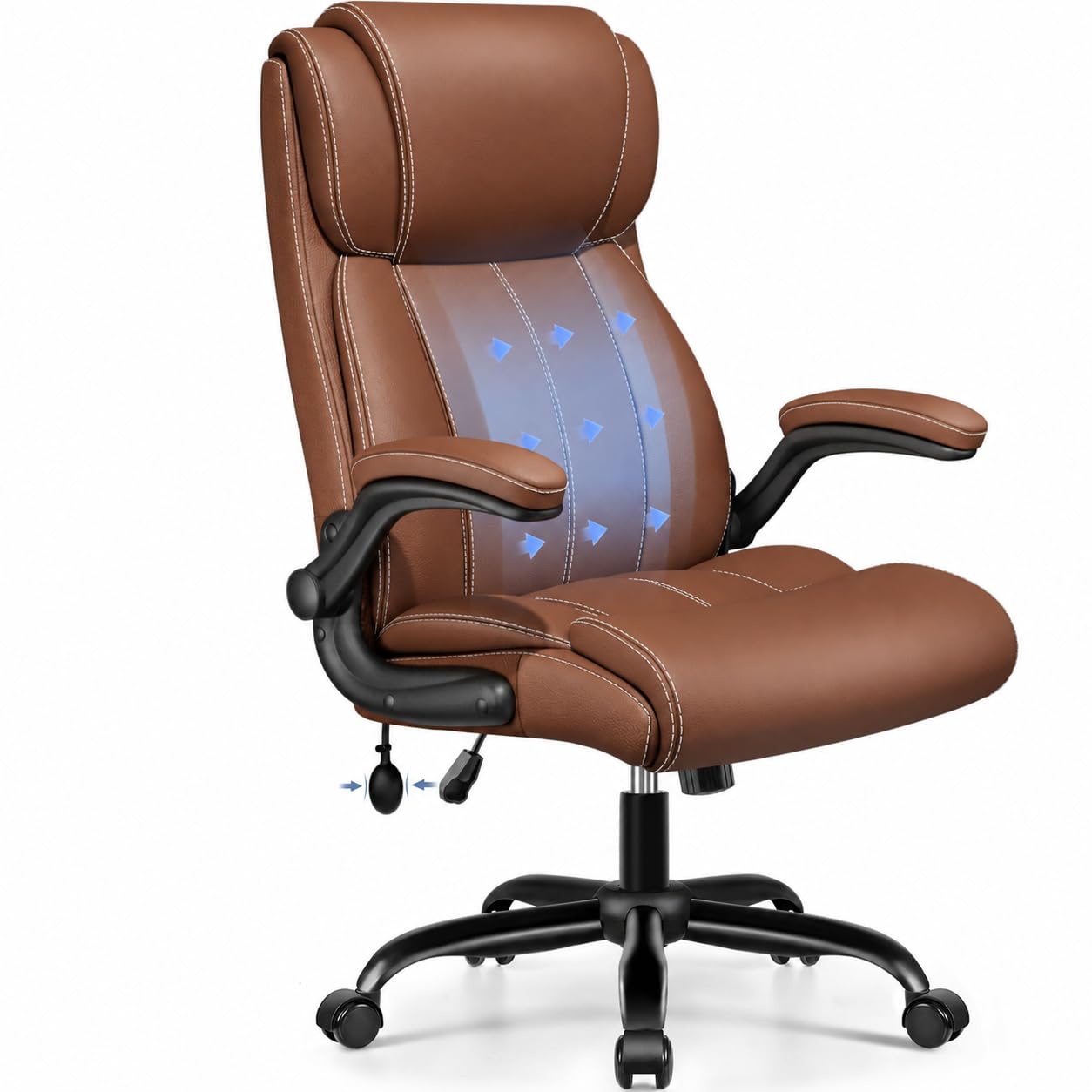


Chairs 101: The Basics
A chair in this price range is usually a task chair, an office chair, or a simple gaming style chair built around the same core parts. The seat holds your weight, the backrest supports your spine, the gas lift cylinder raises and lowers the seat, and the five point base with casters keeps everything stable while letting you roll.
A few terms come up again and again. Lumbar support means a curve or an adjustable pad that fills the inward curve of your lower back. A tilt function lets the backrest lean back, and a tilt lock holds it at an angle you choose.
Casters are the small wheels on the base, made differently for hard floors than for carpet. Knowing these words makes the product table above much easier to read.
Most buyers in this budget are setting up a home workspace for the first time. Many will spend the day at a computer, and if that sounds like you, see our guide to the best computer chairs under 150 for more detail on desk based daily use. Whatever your setup, fit your body first, then match the chair to your floor, your desk, and your hours.
Key Specs Explained in Plain English
Specs look technical, but each one answers a simple question about comfort or fit. Read these five explanations once, and you will be able to judge almost any listing in this budget without guessing.
What You Can Realistically Get Under $150
A budget of under $150 buys a solid everyday chair, but it does not buy everything. Expect a steel or sturdy nylon frame, foam cushioning, a mesh back or padded upholstery, basic lumbar support, and height adjustment as standard. What usually gets trimmed is refinement: armrests may move in fewer directions, the tilt range may be smaller, and fabrics may feel less plush than on chairs costing about $250 or more. Put your money toward the seat, the back support, and the lift cylinder, because those parts decide comfort and lifespan.
Ergonomics and Adjustability
Ergonomic simply means the chair can adapt to your body instead of forcing your body to adapt to it. The most useful adjustment is seat height, which should let your feet rest flat with your knees near a right angle. Next comes lumbar support, which keeps your lower back from slumping during long sessions.
Adjustable armrests help your shoulders relax by supporting your forearms at desk height, and some budget models offer armrests that move in several directions. A tilt lock lets you lean back for calls or reading without pushing with your legs. If you want a deeper look at support focused designs, see our guide to the best ergonomic chairs under 150 for how these adjustments work together.
Style and Room Fit
Style matters because a chair is a large piece of furniture that you will see every day. Mesh backs look light and modern and suit small rooms, while padded chairs in fabric or faux leather read warmer and more traditional. Neutral colors such as black, gray, and navy blend with most desks and are easier to match later. A tall, bulky chair can also crowd a compact room even when its footprint fits.
Comfort and Cushioning
Cushioning decides whether a chair feels welcoming for ten minutes or supportive for six hours. Most seats in this range use molded foam or high density foam, and denser foam holds its shape longer instead of flattening into a hard board. A seat that feels extremely soft at first can bottom out under your weight, leaving you sitting on the hard base below.
A slightly firmer seat with a gently curved front edge is usually the better long session choice, because that curved edge reduces pressure behind your thighs. Mesh backs instead use tensioned fabric that flexes with your spine and lets air circulate, which many people prefer in warm rooms.
Size, Dimensions, and Weight Capacity
Fit starts with three measurements. First, seat width and depth should suit your build: your back should reach the backrest while a small gap stays behind your knees. Second, the seat height range must match your leg length and your desk height, so measure your desk underside before ordering.
Third, check the stated weight capacity and stay comfortably within it, because a chair used near its limit wears out faster. Measure your doorway and desk space as well, since assembled width can surprise you. Taller users should look for higher backrests and deeper seats, while shorter users often need a lower minimum seat height.
Choosing Chairs for Your Situation
The right chair depends on what your day looks like. Use the situation that sounds closest to yours.
Best Office Chairs for under 150: Tips for First Time Buyers
The phrase best office chairs for under 150 points to a specific job: full workdays at a desk, typing, writing, and joining calls. For that job, prioritize a supportive backrest, a seat that stays comfortable through the afternoon, and armrests you can set at desk height so your shoulders stay down. A restrained design also helps if your desk sits in a living room, because the chair doubles as furniture outside work hours. If your chair will live at a work desk, see our guide to the best desk chairs under 150 for desk focused measurements and layout advice.
Chairs for Gaming and Long Evening Sessions
Gaming sessions involve more leaning, shifting, and reclining than office work, so a backrest that tilts smoothly and locks at more than one angle earns its keep. Side bolsters on racing style seats can feel snug if you are slim, but they can pinch broader shoulders and hips, so check the inner seat width carefully. If gaming is your main use, see our guide to the best gaming chairs under 150 for features aimed at players.
Chairs for Small Rooms and Shared Spaces
Compact and space saving models suit dorms, studio apartments, and shared bedrooms where every inch counts. Look for a smaller footprint base, a backrest that is not overly tall, and armrests that flip up so the chair can slide fully under the desk when you are done. A chair that tucks away makes a room feel larger and keeps walkways clear. Light colors and mesh backs also reduce visual bulk.
Rookie Mistakes to Avoid
- Choosing a chair by color alone, so you end up with a model that clashes with your body size and leaves your back unsupported all day.
- Skipping the weight capacity check, so the lift cylinder and base wear out early and the chair starts to wobble or sink.
- Buying a seat that is too deep for your legs, so the front edge presses behind your knees and discourages you from sitting back against the backrest.
- Ignoring your floor type when checking casters, so hard wheels scratch wood floors or drag and stick on thick carpet.
- Assuming every adjustment is included, so the chair arrives with fixed armrests that sit at the wrong height for your desk.
Getting Started: Setup and First Use
Assembly on most chairs in this range takes about 20 to 30 minutes with the included hex key. Lay every part out first, confirm the hardware count against the instructions, and build the chair on a rug or blanket so the base does not scratch your floor. Attach the casters, mount the lift cylinder, then fit the seat mechanism before adding the backrest, because that order keeps the heavy parts low and easy to handle.
Once the chair is upright, set it up for your body before your first long sit. Adjust the seat height so your feet rest flat and your thighs sit roughly level. Sit fully back so the lumbar support meets your lower back, set the armrests so your forearms rest lightly, and try the tilt lock in upright and reclined positions. Keep the instructions and spare bolts in a drawer, and retighten the main bolts after the first week and then every few months, since new joints settle as parts bed in.
- Unpack and count all parts and screws before you begin.
- Press the casters into the base and insert the lift cylinder.
- Attach the seat mechanism, seat, backrest, and armrests in the order shown.
- Sit down slowly, set your seat height, and test the tilt and lock.
Frequently Asked Questions
Can You Get a Good Chair for Under $150 for Daily Use?
Yes, you can get a genuinely good chair at this budget for daily desk use. The key is spending on support and fit rather than extras, so favor a firm seat, real lumbar support, and smooth height adjustment over decorative touches. One useful extra check is the return window: a generous return policy lets you try the chair for a full workweek at home, which tells you far more than listing photos ever will.
How Long Should a Chair Under $150 Last?
A chair in this price range typically lasts about three to five years of regular use. The lift cylinder and caster wheels are usually the first parts to show wear, and both can often be replaced for a modest cost instead of replacing the whole chair. You can stretch that lifespan by keeping the chair out of constant direct sunlight, which weakens mesh and fades upholstery, and by lifting rather than dragging it between rooms.
Is an Expensive Chair Worth It Compared With a Budget Chair?
An expensive chair is worth it for some buyers, but not automatically for everyone. Higher prices usually buy finer adjustments, denser materials, and longer warranties, which matter most if you sit ten or more hours a day. If you sit for shorter stretches and your budget chair fits you well, the practical comfort gap may be small.
What Chair Features Matter Most for Long Hours of Sitting?
Lumbar support, seat height adjustment, and a supportive seat cushion matter most for long hours. Beyond the chair itself, your habits play a real role: stand up, stretch, and walk briefly every hour, because no chair at any price makes sitting perfectly still all day healthy. A small footrest can also help shorter users keep their feet supported when the desk height forces the seat higher than their legs would naturally choose.
How Do You Choose the Right Chair Size for Your Body?
Start with your own measurements: the length from your back to the back of your knee, your hip width, and your height. Compare those numbers with the seat depth, seat width, and backrest height in the listing, and favor models where you fall in the middle of the stated ranges rather than at the edge. If you shop in a store, sit for at least ten minutes, because a chair that fits usually feels unremarkable in a good way, with no single pressure point demanding attention.
Wrapping Up
Your first chair purchase gets much simpler once you focus on three things: a seat that fits your body, lumbar support you can feel working, and dimensions that suit your desk and room. Style and extras can follow after those basics are covered. Use the product table above to compare the best chairs under 150 options side by side with that short list in mind, and pick the model that matches your situation rather than the one with the longest feature list.


