Best Chairs Under 1000: Types Compared and How to Choose for 2026
Disclosure: We may earn a commission when you buy through links on this page, at no extra cost to you. As an Amazon Associate I earn from qualifying purchases. Learn more

Compare chair types side by side and learn sizing, support, and build quality so you can choose the best chairs under 1000 for your room and budget.
A budget of under 1000 dollars sounds generous until you start shopping and find desk chairs, lounge chairs, dining chairs, and executive models all competing for the same money. The best chairs under 1000 for you depend first on the job the chair must do, not on a long list of features. This guide compares the main types side by side so you can narrow the field before you measure anything.
Use the comparison table below to see how the types differ at a glance, then read on for sizing, support, and build quality. A chair that fits your body, your desk, and your room will feel like a smart purchase for years. A chair chosen only for its looks often becomes the most expensive seat you rarely use.


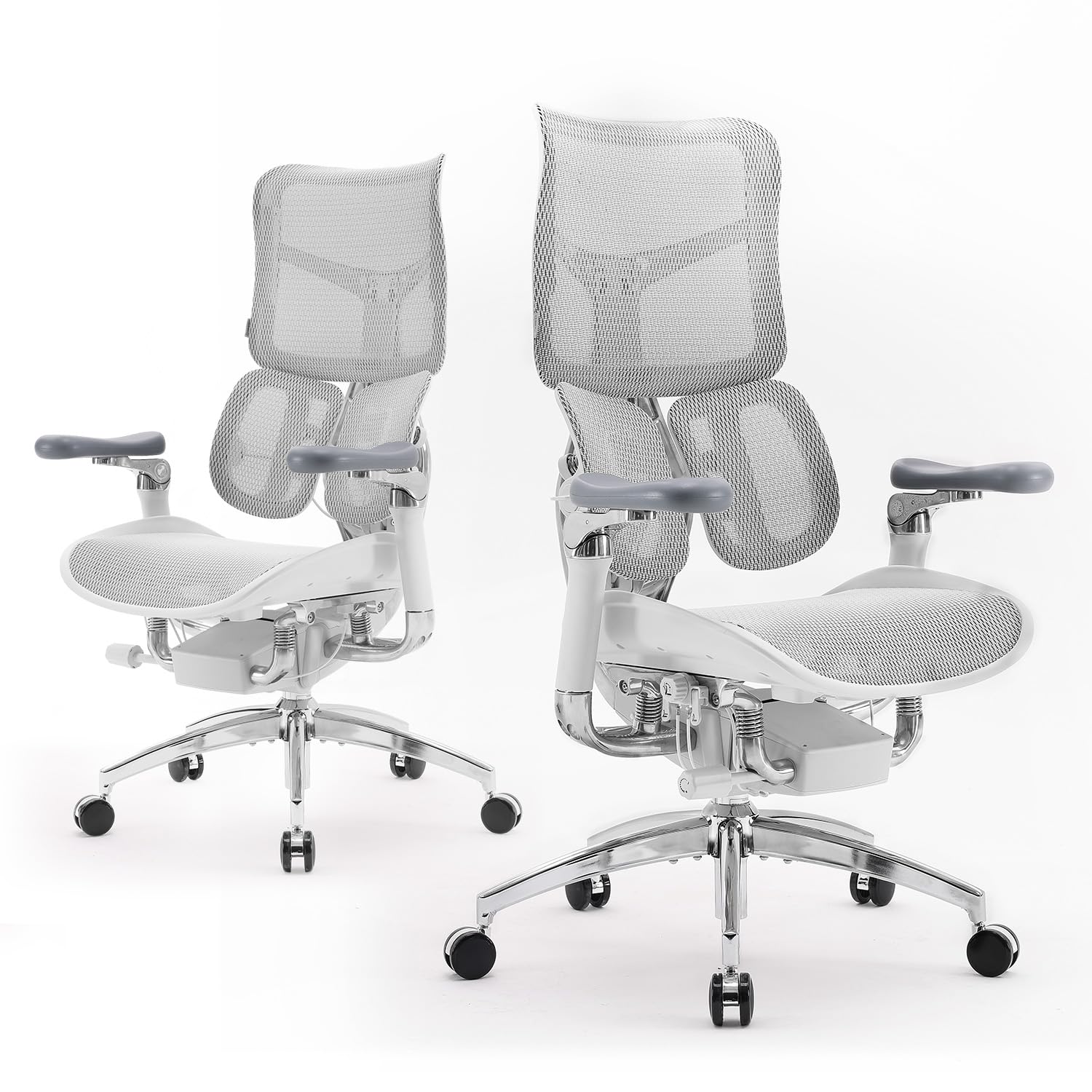
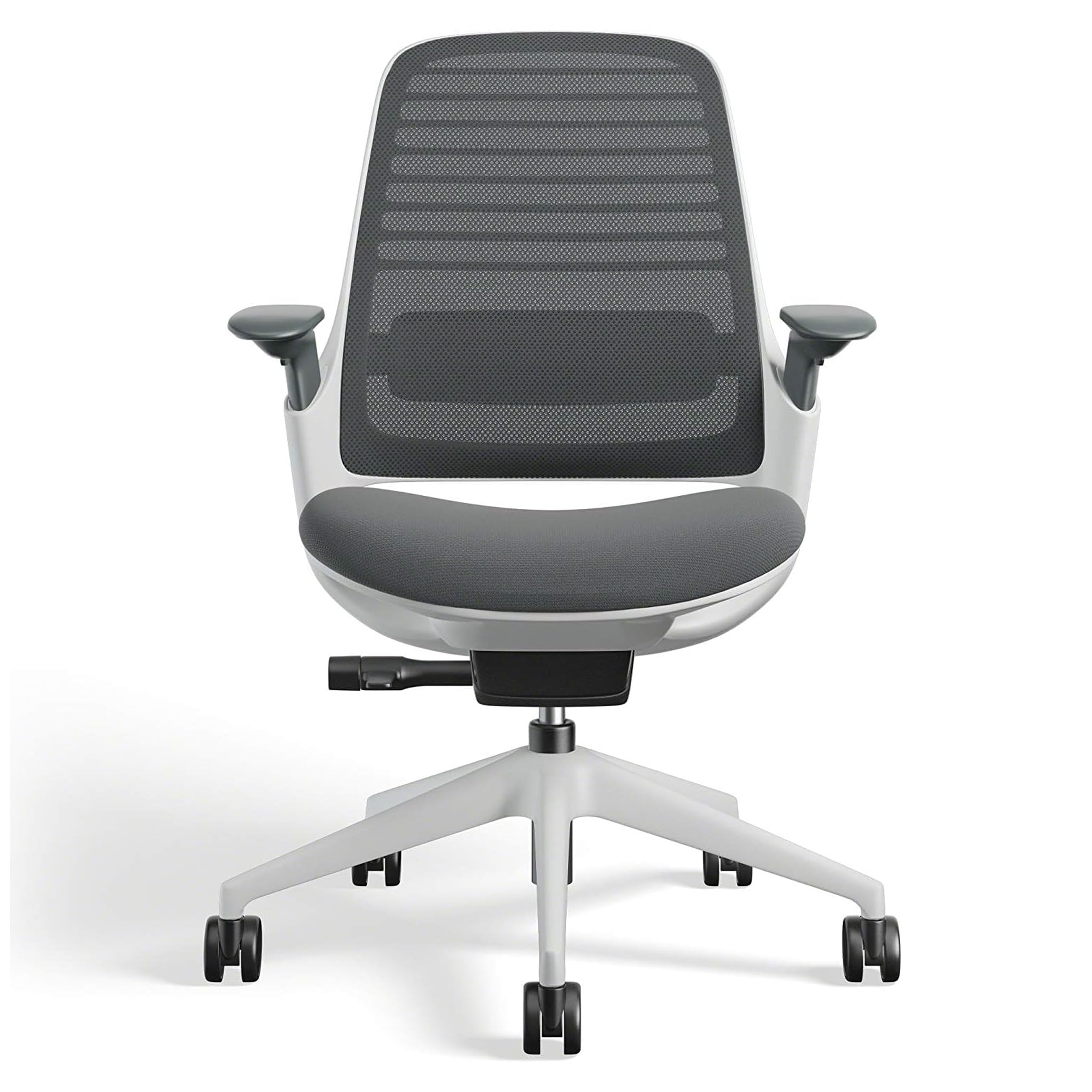


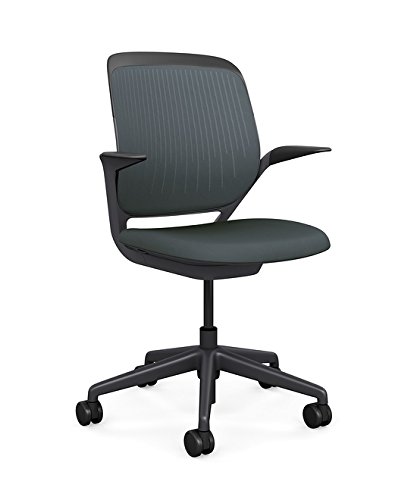


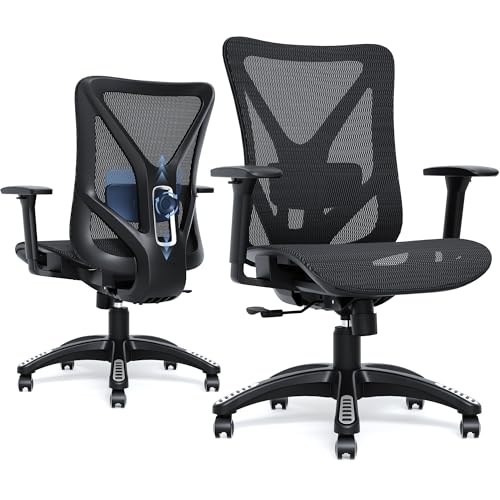
Types of Chairs Compared
Chairs in this price range fall into four broad groups. Budget models cover basic sitting for the least money, compact models trade size for a smaller footprint, premium models spend more on materials and presence, and ergonomic models put adjustability first. When people search for the best chairs under 1000, they are usually comparing one of these four groups.
Budget Models
Budget models usually cost about $100 to $300 and cover the basics well. Expect a simple mesh back or padded seat, basic adjustable armrests, and a single lever for seat height and tilt. Frames are often nylon or basic steel, and foam tends to be thinner than in pricier groups.
These chairs suit students, guest rooms, and anyone who sits for shorter stretches. The main trade off is long term comfort, since thin padding can feel firm after a few hours and fewer adjustments mean you adapt to the chair instead of the chair adapting to you.
Compact and Space Saving Models
Compact models are built for small rooms, dorms, and desks tucked into corners. They use narrower seats, lower backs, and arms that flip up or are left off entirely so the chair can slide fully under the desk. Many weigh less than standard office chairs, which makes them easier to move.
The gain is floor space, and the cost is room to shift position during the day. Taller or broader users may find the seat too short, leaving the thighs without full support. If you work at home in a tiny space, measure seat width and depth with extra care, since a chair that pinches your hips will not become comfortable over time.
Premium and Executive Models
Premium and executive models often cost about $400 to $900 and spend the budget on upholstery, padding, and presence. Expect thicker cushions, taller backs, wider seats, and finishes such as bonded leather or dense woven fabric over high density foam. They look at home in a formal office.
Readers who need that formal look for a leadership office can see our guide to the best officer chairs for that narrower style. Keep in mind that a plush look does not guarantee good support, since some executive chairs offer few adjustments beyond height and tilt. If your main goal is relaxation and muscle relief rather than desk work, see our guide to the best massage chairs under 1000 instead of choosing a standard executive model.
Ergonomic Models
Ergonomic models put fit first, with adjustable lumbar support, seat height, armrests, and often seat depth and tilt tension as well. A mesh back is common because it lets air move across your back and flexes as you shift. Prices commonly run about $250 to $800, with the extra money buying more adjustments and sturdier parts.
These chairs suit people who sit for six or more hours a day and want to fine tune the fit over time. The learning curve is the main drawback, since controls only help if you set them and revisit them as your setup changes. A chair with ten adjustments left in random positions can feel worse than a simple chair that fits you well.
Budget Models vs Compact Models: Which Should You Choose?
Start with space, because it rules out one group quickly. A budget model in a standard size needs room to roll back and recline, while a compact model earns its place when every inch of floor matters. If your desk sits in a bedroom corner or a studio, the compact group usually wins before price even enters the discussion.
Next compare sitting time and body size. Budget models tend to offer a slightly wider seat and more padding at the same price, which helps during longer sessions. Compact models help smaller users who feel lost in a standard seat, but they can crowd anyone with broad hips or long legs.
How to Choose the Right Chair
The product table above gives you a fast view of types and price bands, but the right choice comes from four checks at home. Work through size, build quality, realistic expectations, and ergonomics in that order.
Size, Dimensions, and Weight Capacity
Measure the space first, including the distance from the floor to the underside of your desk. Then check seat height against your lower leg length, since your feet should rest flat with knees near a right angle. Seat depth matters too, and you want a small gap between the seat edge and the back of your knees.
Weight capacity is a safety and durability limit, not a rough suggestion. Choose a chair rated comfortably above your weight so the lift and base are not working at their limit daily. Taller users should also confirm back height and the highest seat setting, because a chair that tops out too low strains the hips.
Build Quality and Frame
The frame, base, and lift decide how long the chair feels solid. A steel or reinforced aluminum base handles daily rolling better than a thin plastic base, and larger casters roll more smoothly on carpet. Look for a class 4 gas lift when listings name the class, since that rating is the sturdier option commonly used in better office chairs.
Upholstery quality shows in stitching and how the material handles daily contact with belts and buttons. Mesh should feel taut without sharp edges, and foam should spring back when pressed rather than staying flat. Warranty length on the frame and lift also matters, so compare that term and not just the fabric warranty.
What You Can Realistically Get for Under $1000
At around $150 to $300, expect solid basics and fewer adjustments. At about $300 to $600, you can usually get real lumbar support, better foam or mesh, and a stronger base. At about $600 to $1000, gains shift toward finer adjustments, premium upholstery, and longer frame warranties.
Do not spread the budget thin across novelty extras while cutting the parts you use every hour. A headrest you rarely touch matters less than a seat that stays comfortable and a lift that stays smooth.
Ergonomics and Adjustability
Lumbar support should meet the curve of your lower back without pushing you forward, and adjustable support beats a fixed bump when several people share one chair. A tilt lock lets you hold a slight recline for reading or calls, while tilt tension controls how much effort that recline takes. Armrests help when they support your forearms without lifting your shoulders, and adjustable armrests in height at minimum make that far easier.
Set the chair up in stages, changing one control and working for an hour before judging it. Pay attention to warning signs beyond simple stiffness, such as numbness in the legs, sharp back pain, or pain that spreads into an arm or leg. Those signs need a doctor or another qualified professional, and you should talk with your clinician about personal needs.
Choosing Chairs for Your Situation
Your daily routine should have the final say after the measurements check out. Match the type to the longest task you do in it, since short tasks forgive almost any seat.
Best Office Chairs for under 1000
Shoppers looking for the best office chairs for under 1000 should start with the ergonomic group and borrow size checks from the compact group when the office is small. Desk work rewards adjustable lumbar support, a seat height range that pairs with a standard desk, and armrests that slide under the desktop when you need to sit close. Breathable mesh backs also help in warm rooms where long calls and focused work fill most of the day.
Budget office buyers can still do well by choosing a simpler chair with a strong frame over a feature loaded chair with a weak base. Spend first on the seat, the back support, and the lift, and add accessories later if you still want them.
Tips to Get the Most From Your Chair
Small habits protect both comfort and the chair itself. Adjust seat height so your feet rest flat and your screen sits near eye level, then set the armrests so your shoulders can relax. When you change desks or move rooms, repeat those settings instead of assuming the old setup still fits.
Tighten the bolts under the seat every few months, since daily rolling loosens them and causes wobble. Vacuum or wipe upholstery regularly so grit does not grind into fabric or mesh. Keep the chair out of harsh direct sunlight when you can, because strong sun fades fabric and dries out leather style finishes.
Casters need attention too, especially in homes with pets. Hair wraps around the wheels and makes the chair drag, so clear the wheels every month or so and check that each caster still spins freely.
Chairs: Your Questions Answered
Can You Get a Good Chair for Under $1000?
Yes, you can get a good chair for under $1000, and most buyers do not need to spend near the top of the range. The sweet spot for desk use often sits around $300 to $600, where support and build quality improve quickly. Save money by skipping decorative finishes, and spend it on the frame, lift, and seat instead. Also watch return terms, since a generous trial window protects you at home.
How Long Should a Good Chair Under This Budget Last?
A good chair in this budget should last about five to eight years of regular home use. The frame and base usually outlast the foam and upholstery, which compress and wear first. Keep your weight within the rated limit to stretch that life. Plan to replace the chair when the lift sinks on its own or the seat stays flattened all day.
How Do You Choose the Right Chair Size for Your Body and Desk?
Choose chair size by matching seat height to your lower legs, seat depth to your thighs, and seat width to your hips with a little room to spare. Sit in your usual work shoes when you measure, since thick soles change the height you need. If you shop online, compare the listed ranges with a dining chair that already feels right at home. That simple comparison catches many sizing mistakes before you order.
Is an Expensive Chair Under 1000 Dollars Worth the Extra Cost?
An expensive chair is worth it only when the extra money buys fit or durability you will actually use. Paying more makes sense if you sit all day, share the chair between two people of different sizes, or need a longer frame warranty. It makes less sense for a guest room. Compare cost per year over the expected life rather than sticker price alone.
What Chair Features Matter Most for Long Hours of Sitting?
For long hours, adjustable lumbar support, a supportive seat, and a back that lets you change position matter most. A tilt lock with adjustable tension helps because small shifts in posture spread the load across different muscles. Breathable materials also count more than many buyers expect. Set a timer to stand and stretch each hour, since even the best seat cannot replace regular movement.
Final Thoughts
Start with the type that matches your main task, then confirm the size with real measurements, and finally spend the remaining budget on frame quality and support you will feel every day. The comparison table above can help you sort the types quickly once you know your room and sitting time. Chosen that way, the best chairs under 1000 become a short, confident list rather than an endless scroll of look alike listings.