
Best Chairs to Prevent Hemorrhoids: Which One Fits the Way You Use It for 2026
Disclosure: We may earn a commission when you buy through links on this page, at no extra cost to you. As an Amazon Associate I earn from qualifying purchases. Learn more

How to choose the best chairs to prevent hemorrhoids by seat depth, foam, adjustability and fit. A chair cannot treat symptoms, so see a doctor.
There is no single chair that suits every body, every desk, and every sitting habit. The best chairs to prevent hemorrhoids share one job, which is spreading your weight across the seat so pressure does not settle on one spot for hours. Your height, your weight, and how long you sit each day decide which design can actually do that job for you.
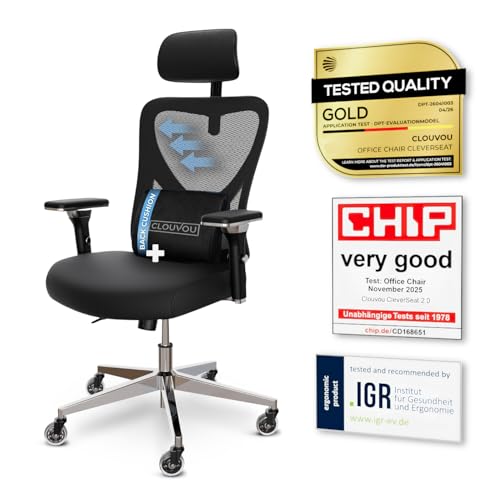
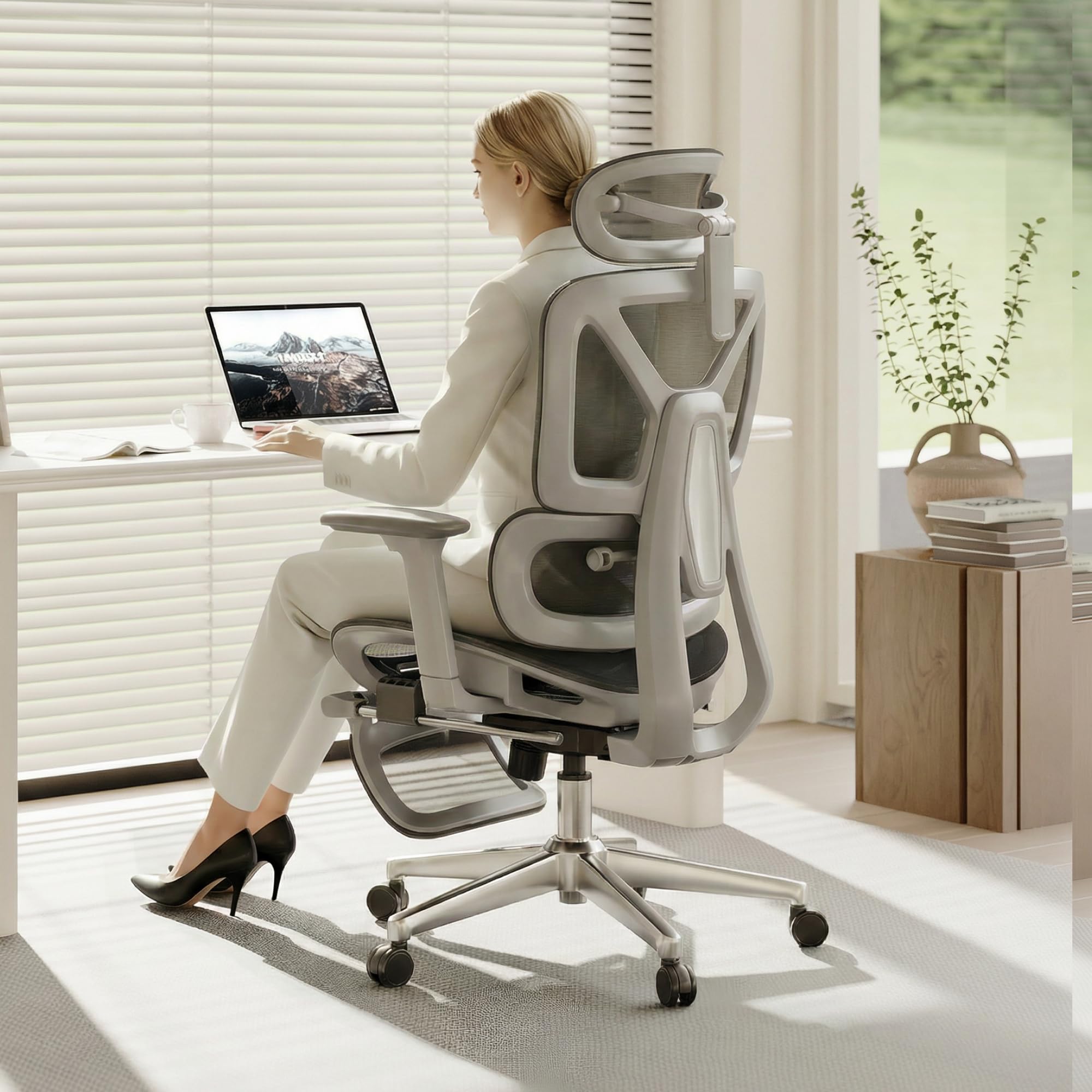
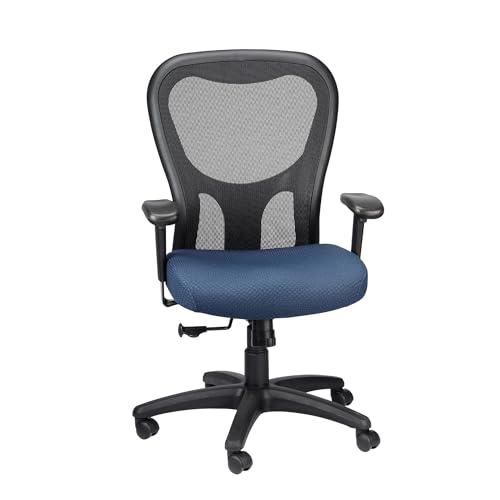
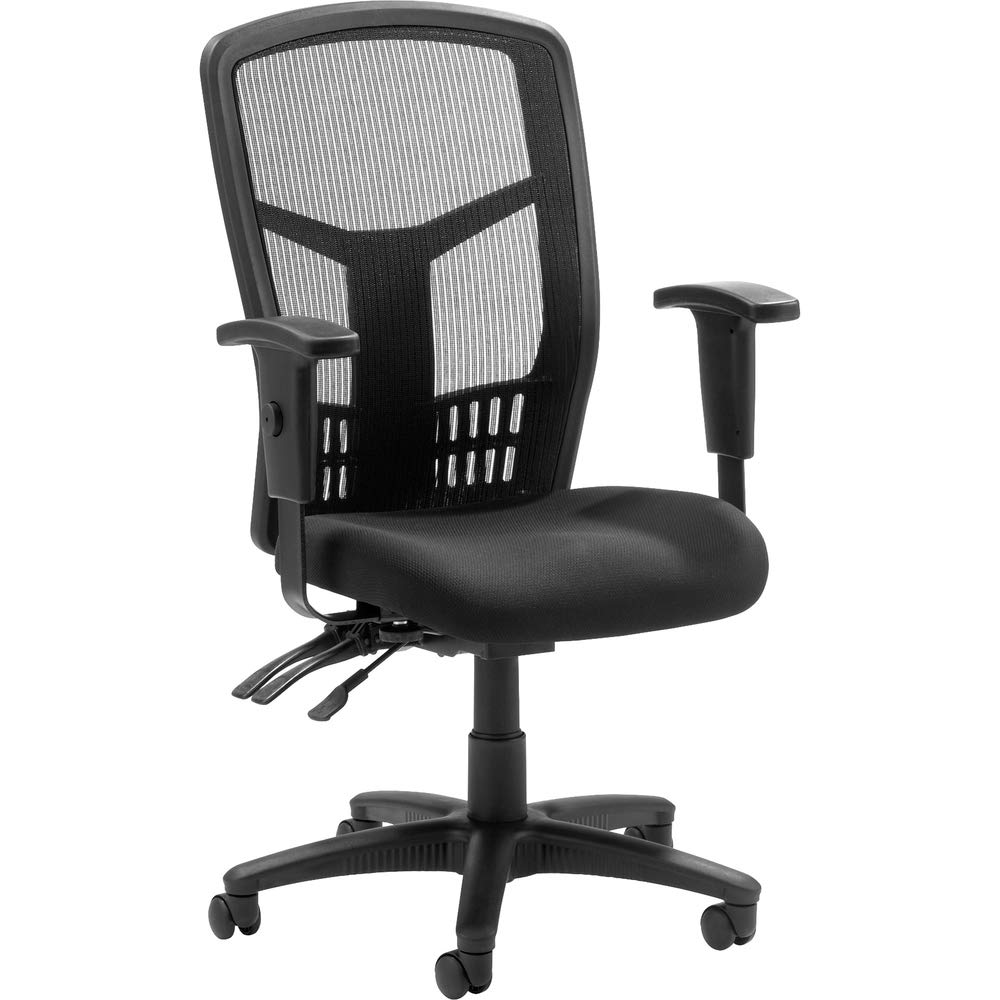
This guide sorts chairs by the way you will use them, then walks through the sizing, support, and build details that matter most. Use the comparison table below to line up seat dimensions and adjustment ranges, then read the sections that match your situation.



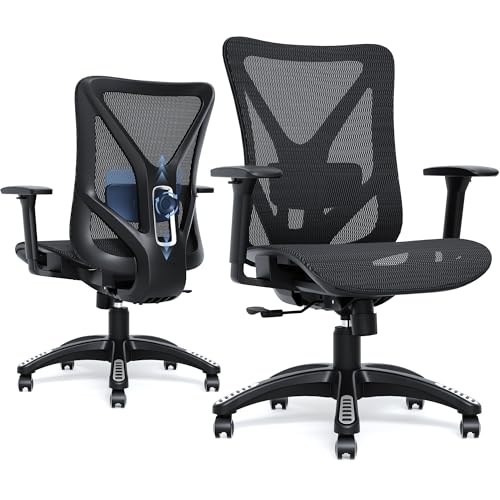
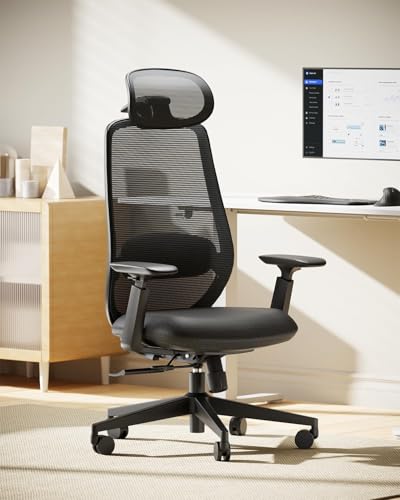
Who Should Buy Which Chair for Sitting Comfort?
People sit for very different reasons, and that changes what a helpful chair looks like. A remote worker at a desk for eight hours needs deep adjustability, while someone who sits for shorter stretches may do well with a simpler, firmer seat.
A supportive chair can lower strain while you sit, but it does not treat a condition you already have. See a doctor promptly if you notice rectal bleeding, severe or worsening pain, a growing lump, fever, or black stools. If symptoms return often or last over a week, talk with your clinician about your personal needs.
If you already deal with flare ups and want options shaped for symptom comfort rather than prevention, see our guide to the best chairs for hemorrhoids for that different focus. This article stays on seat features and sitting habits that make long hours more comfortable.
For Gift Shoppers
Buying for a parent, partner, or friend who sits at a desk all day calls for a chair that feels welcoming right away. Look for forgiving foam, simple controls, and a neutral look that fits a home office. A generous return window matters, since the person receiving the gift cannot test the fit in advance.
Ask a few quiet questions before you order, such as how tall the person is and whether their current chair feels too narrow or too low. Those two answers rule out more wrong choices than any style preference. Assembly that one person can finish alone also helps.
For Value Seekers
Value in this category means support that holds up year after year, not the lowest price on the page. Many solid options land at about $200, and the money should go first to dense seat foam, a sturdy lift cylinder, and a frame with a clear warranty.
Check whether wear parts can be replaced, such as casters, arm pads, and the lift cylinder. A chair with replaceable parts can stay in service far longer than a cheaper chair that must be replaced whole when one piece fails.
For First Time Buyers
If this is your first supportive chair, choose simple and proven over complex. You need seat height adjustment, a back that supports your lower spine curve, and armrests you can raise or lower. A standard seat width suits most new buyers better than an oversized seat that lets posture drift sideways.
Clear instructions and a short parts list make the first setup calmer and reduce the chance of a loose bolt going unnoticed. Start with the chair at its middle settings and adjust one thing at a time over the first week, so you learn which setting actually helped.
For People Who Want the Best Performance
Performance here means pressure control and posture support that stay consistent through long days and many years. Higher priced ergonomic models earn their cost with seat depth adjustment, more recline angles, and foam that resists flattening far longer. Lumbar support that moves up, down, and in depth helps taller and shorter users alike find real contact with the backrest.
Smoother tilt motion also matters more than it sounds, because a chair that rocks gently encourages small position changes through the day. Those small shifts move pressure from spot to spot instead of letting it build in one place.
Key Features of the Best Chairs to Prevent Hemorrhoids
The product table above gives you the raw numbers, but numbers only help once you know what each one changes. When you compare the best chairs to prevent hemorrhoids, the five areas below decide most of the result, from sizing and ergonomics to build quality. Jump to the area where your current chair lets you down.
Size, Dimensions, and Weight Capacity
Fit starts with the seat itself. Seat depth should let you sit with your back against the backrest while a small gap remains behind your knees, and seat width should leave a little room beside your hips without letting you slide. Seat height should let your feet rest flat with knees near a right angle.
Weight capacity deserves a real margin rather than a close match. If you are near the stated limit, the foam compresses more and the chair will feel less supportive much sooner. Measure desk clearance as well, including armrest height against the underside of your desk.
Ergonomics and Adjustability
Good ergonomics means the chair adapts to you instead of asking your body to adapt to it. Lumbar support should meet the inward curve of your lower back at belt height, and stay there when you recline. Adjustable armrests that move in height keep your shoulders relaxed, which stops the slow hunch that shifts weight onto the front of the seat.
A tilt lock with more than one angle lets you change your hip position through the day rather than sitting locked at one angle until you ache. If most of your sitting happens at a work desk, see our guide to the best office chairs for hemorrhoids for desk focused setups.
Style and Room Fit
Style is not just decoration here, because materials change how a chair feels over hours. A mesh back breathes well in warm rooms and keeps its shape without deep padding, while upholstered backs feel warmer and softer at first touch. Color matters if the chair lives in a shared room.
Space shapes the short list too. Compact and space saving models suit small home offices and apartments, while larger ergonomic models need room to recline without striking a wall. If you prefer a broad executive look with a tall back, see our guide to the best officer chairs and check that the seat depth still fits your legs.
Assembly and Delivery
Most chairs in this category arrive in one large box with the back, seat, base, and hardware packed separately. Assembly usually takes one person about twenty to forty minutes with the included tool, and the key step is tightening the seat plate bolts evenly so the chair does not develop a lean. Keep the box until you have sat in the chair for a few days.
Delivery details can decide between two otherwise equal chairs. Check whether the box will fit through your door and up your stairs. Heavier chairs with steel frames may call for a second person to lift the seat onto the cylinder safely.
Build Quality and Frame
The frame decides how long the comfort features keep working. A steel seat frame and a strong lift cylinder hold alignment under daily load, while a wide five point base keeps the chair steady when you lean. High density foam springs back after each use instead of packing down into a hard, thin layer.
Run your hands over the stitching and the underside of the seat when the chair arrives. Even seams and covered bolt heads suggest care in the parts you cannot see as well. Casters should roll without grinding, and hard floor casters are worth choosing on wood or tile.
Common Mistakes to Avoid When Buying a Chair for Long Sitting
Most disappointing purchases in this category come from a handful of repeat errors. Each bullet below names the mistake and what it costs you, so you can scan your short list once more before ordering.
- Choosing on price alone leaves you with thin foam that flattens within months and concentrates pressure in one spot.
- Ignoring weight capacity and seat depth gives you a chair that technically holds you but leaves your legs and hips without real support.
- Picking the softest seat in the showroom backfires at home, because a seat you sink deep into loads the tailbone area instead of spreading weight across your thighs.
- Setting the seat so high that your feet dangle shifts your weight forward and adds steady pressure to the front edge of the seat.
- Expecting any chair to offset sitting still all day sets you up for disappointment, since posture variety matters as much as padding.
- Skipping the warranty details leaves you paying in full when the lift cylinder starts sinking a year into daily use.
How to Make Your Chair Last Longer
Daily habits decide whether a good chair stays supportive. Set the seat height so your feet rest flat and your weight sits evenly, then recheck that setting after the first week, because new foam settles slightly. Stand and move for a few minutes each hour as well, since no cushion does its best work under an unmoving load.
Tighten the bolts under the seat and at the armrests every few months, because small movements work hardware loose over time. Vacuum or wipe the upholstery regularly, and clear hair and thread from the casters so they keep rolling freely. Keep the chair out of constant direct sun, which ages foam faster than normal use.
Treat the stated weight limit as a real ceiling, and avoid standing on the seat to reach shelves. If the lift cylinder begins to sink on its own, replace it rather than propping the chair at one height, because a sinking seat quietly changes your hip angle all day.
FAQs About Chairs for Comfortable Long Sitting
What features matter most in a chair to prevent hemorrhoids during long hours of sitting?
Seat depth that fits your legs and foam that holds its shape matter most, because together they decide where your weight rests hour after hour. Add a tilt setting you actually change two or three times a day, since shifting your hip angle moves pressure before it builds. A desk timer that prompts a brief stand can help as much as another lever.
How do you choose the right size chair to prevent hemorrhoids?
Measure while wearing the shoes you normally sit in, because sole height changes the seat height your legs need. Note the height where your feet rest flat on a firm dining chair, then match that number to the range of any chair you consider. Leave about two fingers of space between the seat edge and the back of your knee.
Is an expensive chair to prevent hemorrhoids worth the cost?
It can be worth it when the extra money buys a longer warranty on the lift cylinder and frame, plus foam that resists flattening for years. Use the return window as a real trial and sit through two full workdays before deciding. If a mid priced chair fits you well with similar warranty terms, paying more adds little.
How long should a good chair to prevent hemorrhoids last?
A good chair should stay supportive for about five to eight years of daily use before the foam and cylinder tire out. Watch for warnings such as a seat that feels harder in the center, a slow sink after you sit down, or a new wobble at the base. Replacing worn casters and a tired cylinder can extend a sound frame by years.
Final Thoughts
Fit, foam, and adjustability carry the decision. Choose a seat depth and width that match your body, foam firm enough to spread your weight, and lumbar and arm settings you will actually use. The product table above can confirm those numbers for each chair on your short list.
Start from your own group above, whether that is value, simplicity, or full performance, and let your daily sitting hours set the budget. Chosen in that order, the best chairs to prevent hemorrhoids become a short, sensible list rather than a guessing game. Compare your finalists in the comparison table above.

