
Best Chairs to Go with Live Edge Table by Budget for 2026
Disclosure: We may earn a commission when you buy through links on this page, at no extra cost to you. As an Amazon Associate I earn from qualifying purchases. Learn more

Compare the best chairs to go with live edge table styles by budget, seat height, materials, and comfort, and see what each price tier really delivers.
A live edge table is the loudest piece of furniture in most dining rooms, so the chairs around it have to support the look without fighting it. Prices for a single dining chair run from under $75 to around $500 or more, and the gap is not always obvious from a photo. This guide to the best chairs to go with live edge table designs breaks down where that money actually goes, tier by tier, so you can spend on comfort and build quality instead of on styling alone.
Start with the comparison table below for a quick sense of price ranges and chair styles, then read on for the sizing, material, and comfort details that matter most.


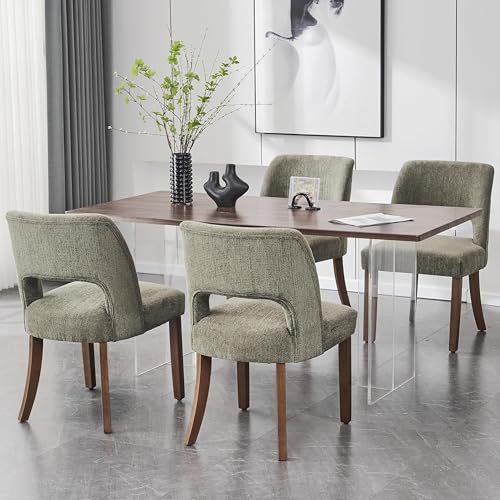
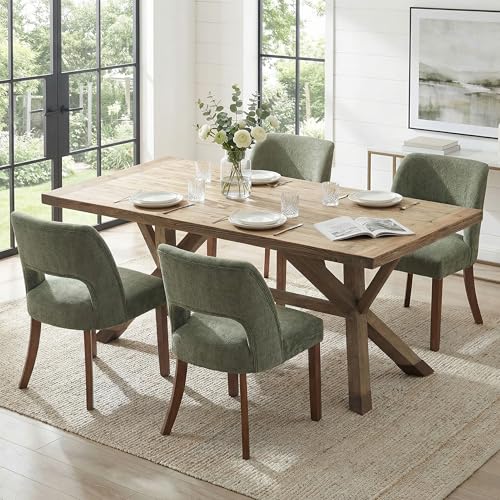


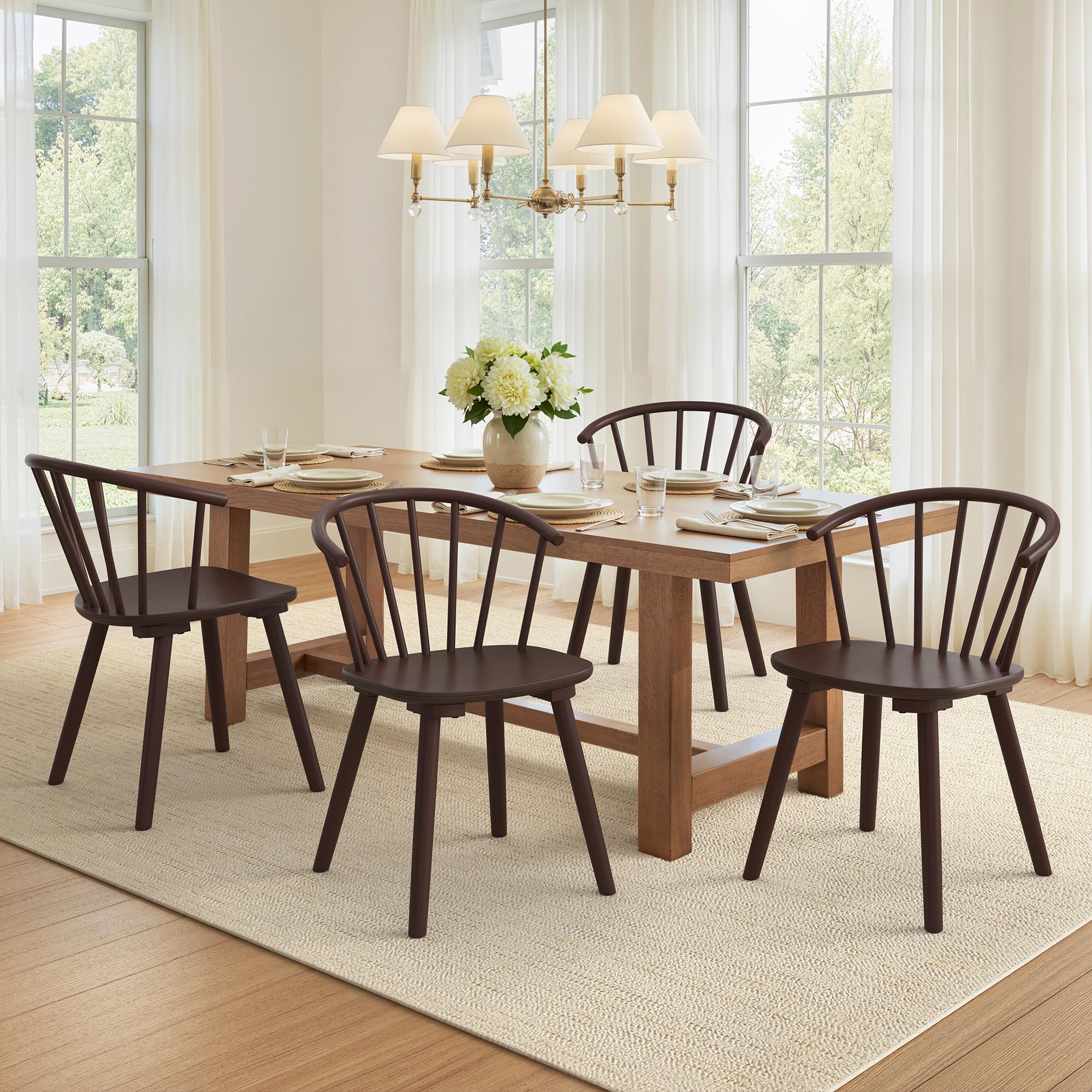

Who Should Buy Which Style of Chair?
Budget matters, but how you use the table matters more. The three groups below cover most households shopping for seating around a slab top table.
Hosts Who Seat Large Groups Often
If your table stretches to seat eight or ten, you need chairs that are light enough to move, sturdy enough for guests of many sizes, and easy to buy in matching sets. Simple wood side chairs with a padded seat usually serve this group best, because they line up along a long edge without crowding it. Buying two extra chairs in the same finish at the same time is wise, since wood tones and fabric runs can shift between production batches later.
Small Dining Rooms and Tight Spaces
A thick live edge slab takes up visual and physical room, so compact and space saving models keep a small dining area from feeling stuffed. Look for armless chairs with slim legs and a seat width under 19 inches, which lets you fit three chairs along a side where bulkier frames allow only two. Chairs that slide fully under the top free up floor space between meals, and a lower back height keeps sight lines open.
Families Who Need Easy Cleanup
Households with young children eat at this table several times a day, so wipeable surfaces matter more than delicate upholstery. Faux leather seats, sealed wood, and metal frames shrug off spills and marker marks that would ruin linen or suede. If the kids mostly eat at their own small setup, see our guide to the best children's table and chairs for that separate purchase.
What Your Money Gets You at Each Price Tier
Chair prices cluster into three broad bands, and each band makes a clear trade between materials, joinery, and finish work. Knowing the bands helps you read the product table above with realistic expectations. Many listings there are sold as sets of four, so divide the set price by the number of chairs before you compare it with these bands.
Budget Tier: What to Expect
Budget dining chairs usually cost under $100 each and lean on manufactured wood, basic foam, and simple finishes. They can look great beside a rustic slab at first. The trade offs show up in thinner seat padding, legs that may loosen sooner, and finishes that chip more easily.
Midrange Tier: Where Most Buyers Land
Chairs at about $150 to $300 each are where solid hardwood frames, better foam, and cleaner upholstery work start to appear together. This band offers the widest style choice, from black metal frames that echo industrial slabs to warm oak chairs that sit quietly beside walnut. For most households hunting the best chairs to go with live edge table setups, this tier balances daily comfort, honest materials, and a price that still allows a full set without strain.
Premium Tier: What the Extra Money Buys
Premium chairs at around $350 and up per chair pay for thicker solid wood, hand finished surfaces, full grain leather or performance fabrics, and joinery built to be repaired rather than replaced. This tier makes sense when the table itself was a major purchase and you want chairs with the same lifespan.
Key Features to Compare
Once your budget band is set, these four factors separate chairs that merely look right in photos from chairs that work at your actual table.
Seat Height and Clearance Under the Table
Most dining tables stand about 30 inches tall, and most chair seats sit 18 to 19 inches high. Live edge slabs complicate this because the top is often thicker than a standard top and many have an apron or chunky supports underneath. Measure from the floor to the underside of your slab and to any apron, then confirm the chair seat and arm height against those numbers before ordering.
Materials That Sit Well Beside a Natural Edge
The organic edge of the slab already supplies texture and movement, so chair materials work best when they either echo the wood or contrast it calmly. Matching wood species exactly is hard and often looks forced, while a deliberate contrast, such as matte black metal or a darker stained frame, reads as a choice. Upholstered chairs in neutral linen, leather, or woven fabric soften a heavy slab. For a broader look at pairing approaches, see our guide to the best chairs for live edge table setups.
Comfort and Cushioning for Long Meals
High density foam holds its shape and support far longer than the soft low density padding common in cheap seats, so check the cushion description rather than judging by the first sit. A gently curved back that meets your lower back gives basic lumbar support without any office chair hardware, and a slight waterfall front edge on the seat keeps pressure off the backs of your thighs.
Armrests, Weight Capacity, and Frame Strength
Armchairs feel generous at the ends of a table, but arms only work if they clear the underside of the slab with room for fingers, so many buyers choose armless side chairs plus two armchairs for the ends. Check the stated weight capacity on every model, since ratings range from about 225 to 350 pounds and guests should never have to wonder. Solid corner blocks, metal brackets at stress points, and a frame with little side to side flex all signal strength that lasts.
How to Match Chairs to Your Specific Table
Start with three measurements from your own table: total length, the clear width between legs or supports, and the height from floor to the underside of the slab. Allow about 24 inches of table edge per seated person and at least 2 inches between chair backs so people can sit down and stand up without bumping neighbors. Slab tables often narrow or widen along their length, so measure the usable straight sections rather than trusting the longest listed dimension.
Two larger chairs at the ends with simpler side chairs along the edges is a classic pattern that suits the drama of a live edge, and it also saves money compared with a full set of armchairs. For a comparison of bundled sets versus pairing pieces yourself, see our guide to the best table and chairs, and see our guide to the best dining chairs for live edge table designs for more dining focused options.
Features Worth Paying For and Ones to Skip
Solid Joinery and an Honest Warranty
Worth paying for: joints that are glued and screwed or joined with mortise and tenon construction, because these survive years of scooting and leaning. A warranty that covers the frame for several years tells you the maker expects the chair to last, and clear return terms matter because returning a full set is a hassle.
Assembly and Delivery Realities
Most dining chairs ship with legs detached, and assembly usually means fastening four legs and sometimes a back with the included tool in about 10 to 20 minutes per chair. Fully assembled chairs cost more and arrive in much larger boxes, which mainly suits buyers with tight schedules. Either way, keep the hardware and instructions until every chair in the set sits level and quiet.
Extras That Rarely Earn Their Cost
Easy to skip: decorative nailhead trim, swivel bases, and elaborate carved details rarely add comfort, and each one adds price and cleaning time. Ergonomic extras borrowed from office seating, such as adjustable armrests or a tilt lock, have little place on a dining chair that is used an hour or two at a time. Spend that money on better foam or a stronger frame instead, since those upgrades pay off at every meal.
Long Term Costs to Factor In
The purchase price is only part of what a set of chairs costs over its life. Replacement seat cushions can run around $50 per chair down the road, and full reupholstery can reach about $150 per chair, while leather needs conditioner a few times a year to avoid cracking. Felt pads for the feet are cheap but protect both the chair legs and your floor.
Common Mistakes to Avoid
- Ordering chairs from photos alone without measuring the underside of the slab, which leads to arms and backs that cannot slide under the table.
- Trying to match the slab wood species and stain exactly, which usually produces a near miss that looks like a mistake instead of a contrast.
- Buying a full set of wide armchairs for a long table, which leaves too little elbow room per person along the sides.
- Choosing delicate fabrics for a table used for daily family meals, which leads to stained seats within the first year.
- Ignoring the stated weight capacity, which risks cracked frames when larger guests sit down.
- Forgetting that live edge tops vary in width, which means chairs planned from the listed maximum width may crowd the narrower end.
How to Make Your Dining Chairs Last Longer
Tighten leg bolts and frame screws every few months, because daily scooting loosens hardware gradually and a wobbly chair wears its joints out fast. Keep chairs out of direct sun where possible, since strong light fades wood finishes and dries leather unevenly across a set. Wipe spills on upholstery the same day, and touch up small finish chips early before moisture reaches bare wood.
FAQ
How do I choose the right chair size for a live edge table?
Choose a chair with a seat height of 18 to 19 inches for a standard 30 inch table, then confirm the fit against your own slab. Measure the height from the floor to the underside of the top, and leave at least 2 inches of clearance above any arms. Because live edge tops vary in thickness, a chair that fits a thin modern table may not slide under a thick rustic slab.
What chair features matter most for long dinners at a live edge table?
Firm, supportive cushioning and a back that meets your lower back matter most for long dinners. High density foam keeps its support through a two hour meal, while thin soft padding bottoms out quickly. A seat depth of about 16 to 18 inches suits most adults without pushing against the backs of the knees.
Is an expensive chair for a live edge table worth the money?
An expensive chair is worth it when the extra cost buys solid hardwood, repairable joinery, and padding that keeps its shape for years. If your table was a long term investment, matching its lifespan with premium chairs usually costs less over a decade than replacing a budget set twice.
How long should good dining chairs for a live edge table last?
Good dining chairs built on solid wood or metal frames should last 7 to 10 years or more with normal household use. Upholstery and foam usually show wear before the frame does, so chairs with replaceable cushions last longest. Budget chairs often feel tired after 3 to 5 years as padding flattens and joints loosen.
Final Thoughts
Measure your slab first, pick the price tier that matches how long you plan to keep the set, and then compare seat comfort and frame strength inside that tier. The product table above pulls those choices together so you can shortlist a few styles with confidence. When the numbers and the look agree, you have found the best chairs to go with live edge table for your room and your budget. Prices and availability can change, so check the product page before ordering.


