
Best Chairs Rockers: Types, Fit, and Safety Guide for 2026
Disclosure: We may earn a commission when you buy through links on this page, at no extra cost to you. As an Amazon Associate I earn from qualifying purchases. Learn more

Runner, glider, upholstered, outdoor, and folding rockers compared, with frame and safety checks for the best chairs rockers.
Rockers come in more forms than most shoppers expect: classic wooden chairs on curved runners, upholstered nursery rockers, wicker and resin chairs for the porch, and folding rockers for camping. The best chairs rockers for you depend on where the chair will sit, how long you will rock in it, and how much floor space you can spare.
The product table lists current rockers to compare. The guide below explains the main types, the parts that decide comfort and durability, and a few safety points for nursery and outdoor use.





Types of Rockers and Where They Fit
Traditional Runner Rockers
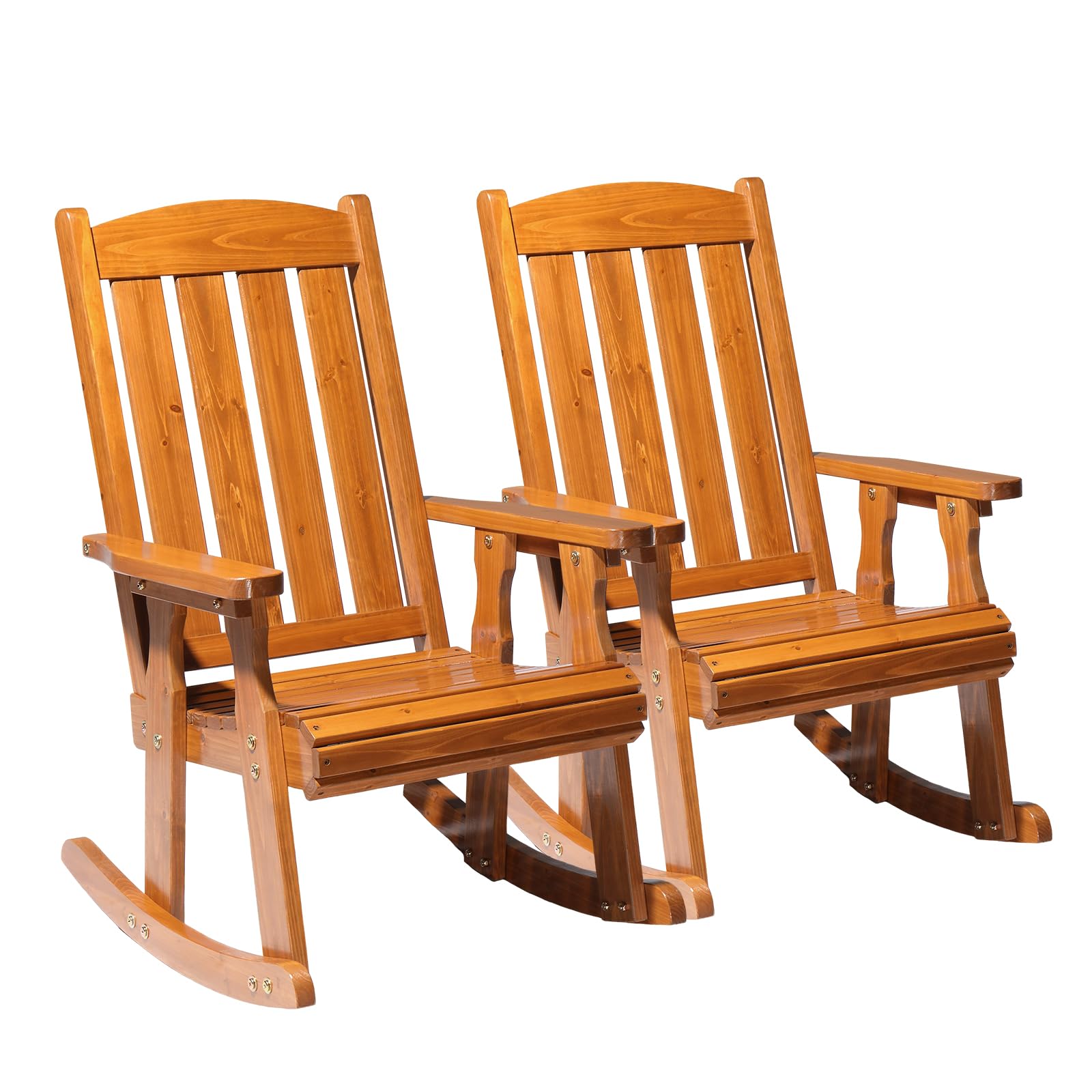
These chairs rock on two curved runners, and the motion is deep and familiar. They travel backward as you rock, so they need clear floor behind them, and the runners can mark soft wood floors over time. Solid wood frames suit porches and traditional rooms, and many last for decades with basic care.
Glider Rockers
A glider slides forward and back on a fixed base instead of tipping on runners. The base stays in place, which suits nurseries and tight corners, and the motion is smooth and quiet. The moving links and bearings need occasional care, and they are the part to check in the warranty.
Upholstered Nursery Rockers
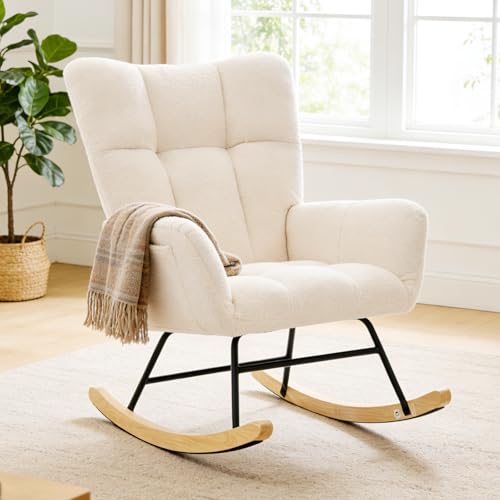
Upholstered rockers add padded seats, backs, and arms, and many pair with a matching ottoman. They suit long feeding sessions and reading corners, and fabric choice matters because spills and spit up are part of daily life. Removable cushion covers and stain resistant fabrics make cleaning easier.
Outdoor Rockers
Porch and patio rockers use weather resistant materials such as resin, treated wood, or wicker over a metal frame. They trade some softness for durability, and a seat cushion helps for long sits. Check the finish and the hardware for rust resistance if the chair will stay outside through the seasons.
Folding and Camping Rockers
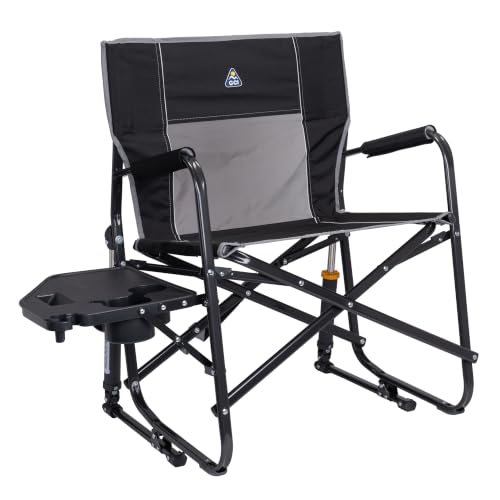
Folding rockers collapse flat for the car trunk and use a spring or arc action under a light frame. They suit campsites, tailgates, and occasional extra seating, and they carry less padding than a living room chair. The folding joints take the load, so look closely at the hinge hardware and the stated weight capacity.
What to Look for in the Best Chairs Rockers
Frame and Joints
A sound frame rocks without clicking, wobbling, or flexing in the arms when you push off. On wood chairs, look for tight, glued joints and smooth, evenly curved runners. On metal frames, smooth welds and a protective finish matter, and loose bolts are the first thing to check if a chair starts to creak.
Seat Size and Support
Your feet should rest flat with your knees near a right angle, and the seat edge should stop short of the backs of your knees. A back that reaches your shoulders supports a long sit, and arms at a natural height let your shoulders drop. Leave a margin between your weight and the stated capacity, since ratings assume gentle, even use.
Padding and Upholstery
High density foam holds its support, while very soft foam feels plush for ten minutes and then bottoms out. Tight weaves resist snags, and smooth coverings wipe clean after spills. If you share the chair, a firm, medium depth seat tends to suit more people than a very deep, soft one.
Space and Floor Protection
Measure the floor space including the full rocking travel, and leave a clear path so nobody trips over the runners. A thin rug or felt pads under the runners spread the load and quiet the motion on hard floors. Gliders need less clearance, and folding chairs can be stored when you need the room back.
Motion and Noise
Check how the chair moves before you commit, in person or by reading the listing for mentions of squeaks or play in the joints. A runner chair should rock evenly without catching, a glider should slide without clicking, and a folding rocker should not flex at the hinges. Noise often points to loose hardware, which is a quick fix, or to light construction, which is not.
Who Will Use It
Think about who sits in the chair most. A tall adult needs a higher back and a deeper seat, a nursing parent needs padded arms at feeding height, and a grandparent may need a seat that is easy to rise from. If several people share the chair, a medium depth seat with firm support tends to fit more of them.
Safety Points for Nursery and Outdoor Rockers
In a nursery, the chair is for an awake adult feeding or holding a child. A baby should sleep in a crib or bassinet made for sleep, never in a chair. Check that the chair is stable, that the slats or arms leave no wide gaps for small fingers, and that exposed pinch points near the runners or the glide mechanism are guarded or out of reach.
Outdoors, place the chair on level ground, away from steps and edges, and check hardware after storms. Do not leave an upholstered indoor rocker on a patio, where moisture will damage the frame and the fabric.
Care for Your Rocker
- Tighten bolts and check joints every few months, since rocking slowly works hardware loose.
- Keep wood frames out of long direct sun, and wipe spills before they set.
- Vacuum upholstery weekly, and wash removable covers as the care label allows.
- Lift the chair to move it instead of dragging it, which strains joints and gouges floors.
- Use a drop of the maker approved lubricant on glider links if they start to squeak.
Frequently Asked Questions
How long should a good rocker last?
A solid wood or metal frame rocker can last many years with basic care, and some are handed down through families. Upholstered models usually need new cushions or fabric after about seven to ten years of daily use. Glider hardware is the shortest lived part and may need service sooner.
Is an expensive rocker worth it?
It can be, when the chair is used every day. Higher prices usually buy a stronger frame, denser padding, and a smoother motion. For a porch or a guest room used a few times a month, a mid priced chair covers the need.
What features matter most for long hours of rocking?
Seat depth, back height, and padding density matter most, along with arms at a comfortable height. A smooth, quiet motion helps you relax, and a small cushion behind your lower back can fine tune the fit.
How do I choose the right size rocker?
Measure the floor space first, including the rocking travel behind a runner chair. Then check seat height against your lower leg and seat width against your hips, and confirm the chair fits through your door once assembled.
Final Thoughts
Start with where the chair will live, then pick the type that suits that spot: runners for classic rooms, gliders for nurseries and corners, weatherproof frames for the porch, folding models for travel. Check the frame, the seat fit, and the warranty, and keep safety in mind for nursery use. Compare current options in the product table, and the best chairs rockers for you will be the ones that match your space and the way you actually sit.


