
Best Chairs Peyton: Types Compared and How to Choose for 2026
Disclosure: We may earn a commission when you buy through links on this page, at no extra cost to you. As an Amazon Associate I earn from qualifying purchases. Learn more
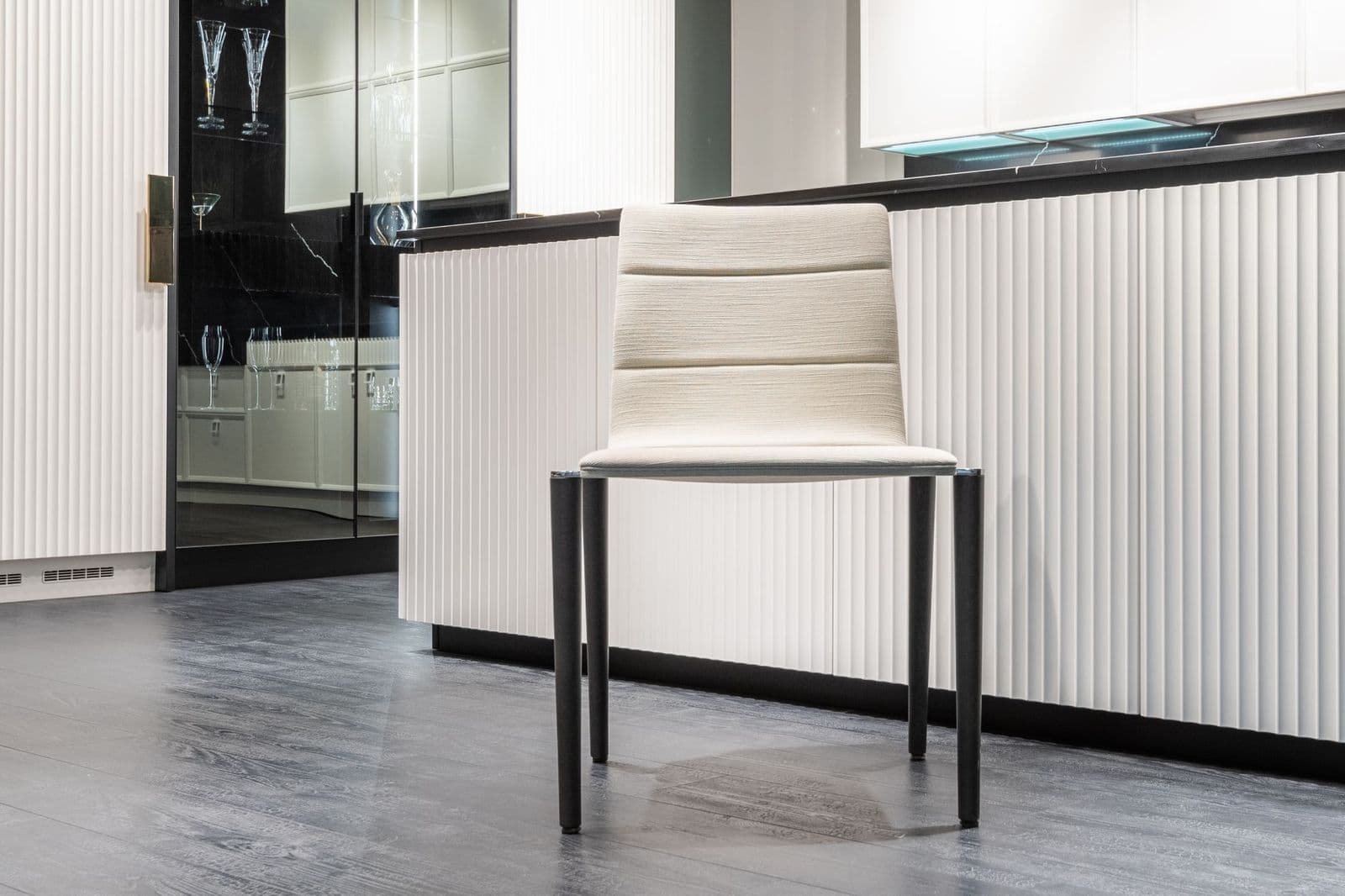
Premium, compact, ergonomic, and budget types of the best chairs peyton, with fit, foam, and warranty checks.
The Peyton name shows up on chairs that look similar in photos yet behave very differently at home: tall executive seats, compact desk chairs, adjustable ergonomic models, and simple budget chairs. Picking by photo alone is how buyers end up with the wrong size or the wrong support. The best chairs peyton for you is a type decision first and a style decision second.
This guide lays the four types side by side with honest strengths, limits, and typical prices, then walks through the checks that confirm a good fit.
Types of Chairs Peytons Compared
Think of the types as answers to four different questions. Premium executive models answer a want for presence and plush support. Compact models answer a lack of floor space. Ergonomic models answer long hours and posture concerns. Budget models answer a tight budget or a lightly used room. Use them to sort the best chairs peyton options.
Premium and Executive Models
Premium Peyton models are the big, cushioned statement chairs. They pair high density foam with a tall back, wide padded armrests, and upholstery chosen to look like furniture, often soft fabric or a leather look finish. The base and frame are heavier than average, which keeps the chair steady when you lean back or shift your weight.
The strengths are presence, warmth, and long sit comfort for people who like a soft, enclosing seat. The limits are size, heat, and price: thick padding holds body warmth, and the footprint needs a proper office corner. Choose this type for a dedicated workspace or study. If the executive direction is yours, our guide to the best officer chairs goes deeper on tall back sizing.
Compact and Space Saving Models
Compact Peyton models cut width and depth so the chair fits dorm rooms, small apartments, and desks tucked into bedrooms. Many drop the armrests or use arms that flip up and slide under the desktop, and the backs sit lower than full size chairs. Some designs fold or nest for storage when guests need the floor space back.
The gain is freedom in a tight room, and the cost is seat room and cushion depth. Broader or taller users may feel hemmed in, and thin padding tires sooner in long sessions. This type fits short daily tasks, shared rooms, and anyone whose tape measure, not their taste, is running the purchase.
Ergonomic Models
Ergonomic Peyton models trade plush looks for control. You get a seat height lever, lumbar support you can position, armrests that move to meet your arms, and a tilt lock that holds a set recline instead of rocking freely. A mesh back is a common choice because it stays cooler and follows the curve of your back.
This is the type to pick for full workdays, shared chairs, or a back that already complains by evening. The trade off is a more technical appearance and a short learning period while you set the adjustments. Once set, most people touch only the height lever day to day. For standard desk chair benchmarks, our guide to the best office task chairs is a helpful companion.
Budget Models
Budget Peyton models cover the seating basics: a padded seat, a backrest, casters, and usually a height lever. What they skip is fine control. Lumbar support is a fixed curve, armrests are simple loops or missing, and tilt is a free rocking motion. Frames use lighter steel and molded parts to keep the price where it is.
For a guest room, a homework desk, or a first apartment, that trade can be smart. Just go in with clear eyes about lifespan: thinner foam packs down, and a basic lift cylinder may begin to sink after a year or two of daily use. If the chair will carry a full time job, an ergonomic model usually proves cheaper across five years.
Premium and Executive Models vs Compact and Space Saving Models: Which Should You Choose?
These two types sit at opposite ends of the size scale, so the comparison is quick. On footprint, compact wins by a wide margin. On cushion comfort and presence, premium wins just as clearly. On price, compact models cost far less, and on warmth, compact chairs run cooler while thick executive padding holds heat.
On who should buy: pick premium when the chair has a permanent home in a roomy office and you sit for long stretches. Pick compact when the chair must share a small room, slide fully under a desk, or move often. A useful tiebreaker is your doorway and desk gap: if the executive chair barely fits the space, its comfort advantage disappears the first time you trap a caster against the wall.
How to Choose the Right Chairs Peyton
Warranty and Return Policy
Read the warranty by part, not by headline. Frames and bases often carry the longest coverage, while foam, upholstery, and the gas lift carry shorter terms. The lift deserves attention because it is the part most likely to sink or fail first, and a covered lift turns a common failure into a free part instead of a new chair.
Returns are your trial period when buying unseen. Aim for at least 30 days, keep the box until the window closes, and confirm who pays return shipping. Sit in the chair for full days during the trial, not quick spins, because most fit problems only appear after an hour or more of real use.
Size, Dimensions, and Weight Capacity
Measure three things before ordering: your desk opening, your doorway, and yourself. The chair width plus armrests must roll through the desk gap. The seat height range must let your feet rest flat. The seat depth should leave a small gap behind your knees when you sit back fully.
Weight capacity is a sizing spec too, not fine print. Choose a rating comfortably above the heaviest regular user, and remember that rolling, leaning, and plopping down all load the frame beyond still weight. Staying well under the limit keeps casters, lifts, and joints quiet and smooth for far longer.
Assembly and Delivery
Most chairs in this range arrive as a seat, a back, a base, and a bag of bolts, and assembly takes about 20 to 40 minutes. Instructions vary in quality, so lay out every part first, confirm the count, and keep bolts loose until each piece is aligned. A second person makes attaching the back far easier and safer for your fingers.
Check delivery terms before you order: doorstep only, or carried to your room? In walk up buildings and narrow halls, that detail decides your afternoon. After building, roll the chair across your actual floor. Thick carpet can strain a base, and a simple chair mat often makes a budget chair feel a class smoother.
Ergonomics and Adjustability
Four settings carry most of the comfort. Seat height sets your leg angle. Lumbar support fills the curve of your lower back. Adjustable armrests hold your forearms without shrugging your shoulders. A tilt lock lets you rest at a gentle recline during reading or calls, which spreads pressure instead of fixing it in one spot.
Set the chair in a fixed order on day one: height, lumbar, armrests, then tilt tension. Then leave it alone for a week before judging. Many buyers keep tweaking daily and never learn whether the chair fits. One stable setup, tried across real workdays, tells you far more than constant small changes.
Build Quality and Frame
Frame and base quality decide how the chair ages. A steel frame and a metal five point base feel planted and handle daily rolling, and a class 4 gas lift is the stronger grade found in better chairs. Quality nylon bases are lighter and acceptable for lighter users, but they flex more and can develop creaks under load.
Caster choice is part of build quality. Hard casters suit carpet, while softer wheels roll quietly on wood or tile and spare the finish. If a listing hides the frame material, the lift grade, and the weight capacity all at once, treat that silence as information. Shoppers who rank durability first can compare standards in our guide to the best quality chairs.
How to Make Your Chairs Peyton Last Longer
Care is simple and mostly about small routines. Tighten the assembly bolts every few months, since rolling and reclining slowly loosen them, and a loose joint is where wobble and squeaks begin. Vacuum fabric and mesh weekly, wipe coated upholstery with a damp cloth, and blot spills at once rather than letting them soak in.
Keep the chair out of long direct sunlight, which fades fabric and dries coated surfaces until they crack. Clean hair and grit from the casters so they roll instead of dragging, and lift the chair rather than dragging it sideways when you move it. Gamers comparing seat styles for long sessions may also skim our guide to the best video game chairs for racer style sizing notes.
FAQs
How long should a good chairs peyton last?
A good one should last five to eight years of daily use. The frame and base usually outlast the foam and the lift cylinder, which soften or sink first. You can stretch that span by staying under the weight capacity, cleaning the casters, and tightening bolts on schedule, small habits that keep small wear from turning into real damage.
What features matter most for long hours?
Adjustable lumbar support, seat height, and armrests matter most, since they set your posture for the day. One feature buyers often overlook is seat depth: a seat that is too deep presses behind your knees and undoes good back support. If you sit all day, a tilt lock that holds a slight recline also helps you vary your angle.
How do I choose the right size?
Size the chair to your legs and your desk. Your feet should rest flat, the seat edge should stop a couple of fingers short of your knees, and the arms should clear the underside of the desk. If you share the chair, choose the model with the wider adjustment range, because fixed chairs fit one body and merely tolerate the other.
Is an expensive chairs peyton worth it?
It is worth it when the extra money buys molded foam, a stronger frame and lift, and longer warranty coverage. Those are the parts you feel in year three. If the premium is mostly styling, the value is personal taste, not durability. Light users can save with confidence; full time sitters usually feel the upgrade daily.
The Bottom Line
Choose the type first: premium for presence and plush support, compact for tight rooms, ergonomic for long hours, budget for light use. Then confirm fit, foam, and warranty before you look at color. Those three checks predict your fifth year with the chair far better than any photo or feature list.
Finish by checking your measurements and your return window, and the best chairs peyton choice will be one you buy once, assemble once, and sit in comfortably for years.


