
Best Chairs Ottoman at Every Price: What Your Money Really Gets You for 2026
Disclosure: We may earn a commission when you buy through links on this page, at no extra cost to you. As an Amazon Associate I earn from qualifying purchases. Learn more
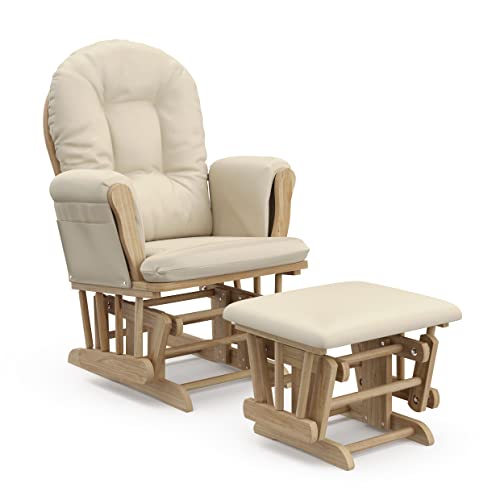
Compare the best chairs ottoman by budget and learn what each price tier delivers, which upgrades matter, and how to size a set for your room and body.
A chair and ottoman set can cost under $100 or climb into four figures, and the listings often look similar at a glance. The gap is real, though, and it shows up in foam quality, frame strength, and how the set feels after a year of daily use. This guide walks through what each budget actually buys so you can spend on the upgrades that matter for the way you sit. If you are hunting for the best chairs ottoman for your home, start with the comparison table below and use the tiers that follow to judge whether a higher price is justified.
You will find no guesswork here about comfort claims. Instead, you will learn how to read dimensions, check weight capacity, and spot the difference between padding that holds its shape and padding that flattens by spring.


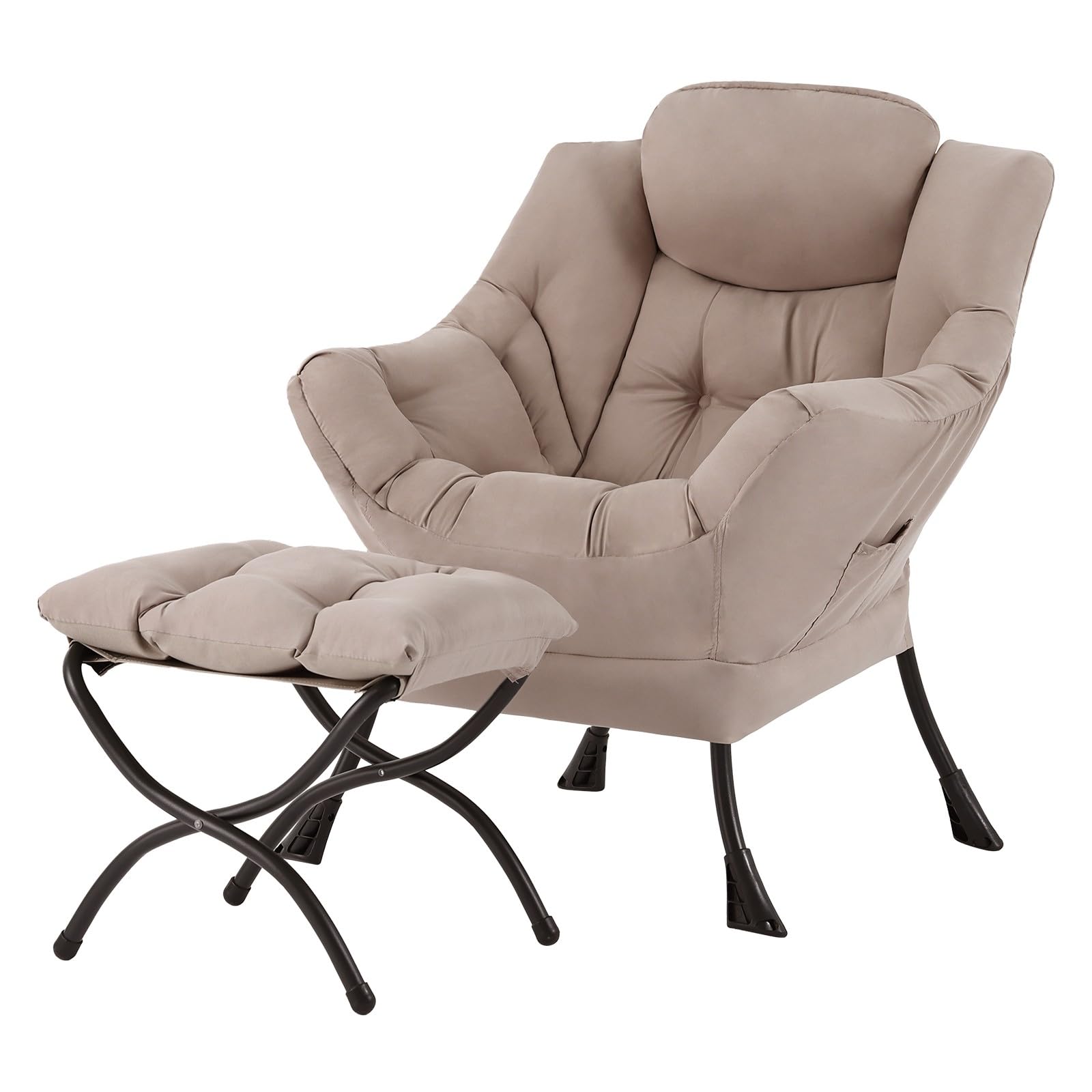
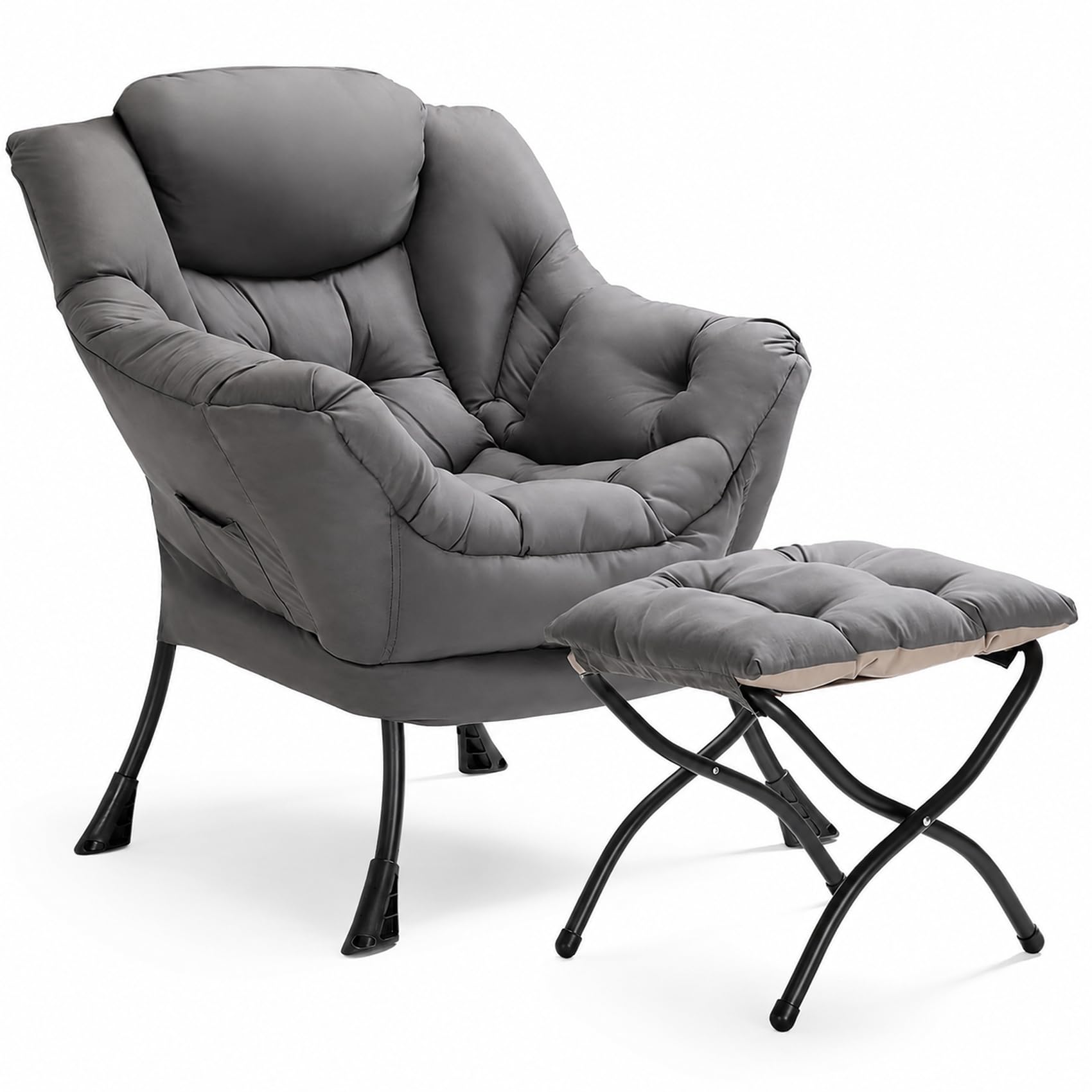
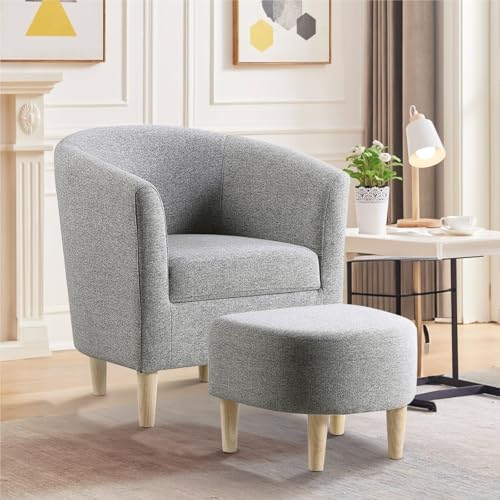

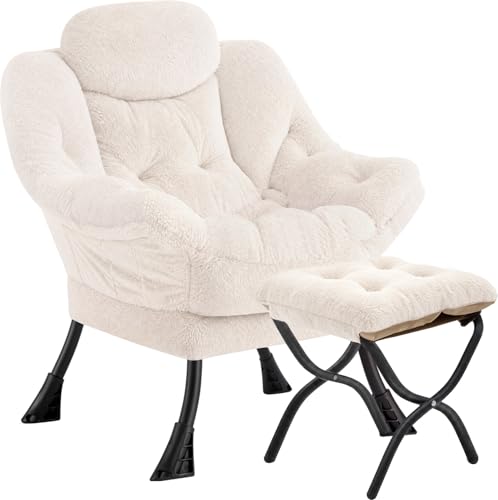


How to Shop by Budget Without Guessing
Budget first shopping works well for a chair and ottoman set because price predicts a few things reliably, such as frame material and foam density, while it predicts style poorly. A handsome set can still be poorly built, and a plain one can be sturdy. Use the ranges below as a way to set expectations, then confirm the details on any set you are considering. Listings in the product table above give you a quick way to compare those details side by side. That is a sound way to compare the best chairs ottoman options.
Shopping on a Tight Budget
With budget models, your job is to protect the basics. Look for a frame that feels solid in the product photos, with wide legs or a broad base that will not rock on your floor. Check that the ottoman height sits a little below the seat height, since an ottoman that is too tall pushes your knees up and strains your lower back. Accept simpler fabric and fewer adjustments, but do not accept a missing weight capacity listing or vague dimensions.
Shopping in the Midrange
In the middle range you can afford to be picky about comfort features. This is where high density foam, better stitching, and smoother reclining or rocking motion start to appear. Compare how the back is shaped, whether the set includes real lumbar support, and how thick the seat cushion is. If two sets cost about the same, choose the one with the clearer warranty terms and the easier return process, because comfort is personal and you may need that flexibility.
Shopping at the Premium End
Premium and executive models ask for serious money, so demand proof of value. Expect full grain or top grain leather options, solid wood or reinforced frames, and foam that is described by density rather than by marketing words alone. The ottoman should feel like a partner piece, matched in height and cushion firmness to the chair. At this level, also weigh delivery options, since large assembled pieces can be hard to move through narrow doors and stairways.
What Your Money Gets You at Each Price Tier
Price tiers are not strict rules, and sales can move a set from one group into another. Still, the pattern below reflects what you will usually find on major US retail sites. Use it to decide which tier fits your habits before you fall for a finish or a color.
Budget Tier: What to Expect
Sets around $80 to $200 usually pair a simple accent chair with a small ottoman. Frames are often engineered wood or light metal, cushions use standard foam, and covers are polyester or faux leather. These sets suit occasional seating in a bedroom corner or a first apartment. The trade off is lifespan, since thinner foam and lighter frames wear faster under daily use. If you sit for an hour of reading in the evening, a budget set can serve you well.
Midrange Tier: The Sweet Spot for Most Buyers
Sets around $200 to $500 bring sturdier frames, thicker cushions, and more thoughtful shapes. You will see curved backs that follow your spine, ottomans wide enough to share or to hold a tray, and fabrics that resist pilling. Many buyers who read, watch TV, or work from a lounge chair for several hours a day land here. The extra money mostly buys foam that stays supportive and joints that stay quiet, and for most homes that is the smartest place to spend.
Premium Tier: When Spending More Pays Off
Sets above about $500, with many above about $900, add materials that age gracefully. Think solid hardwood frames, genuine leather that develops character, and hand finished details. Reclining mechanisms feel smoother, and weight capacity ratings climb, often to 300 pounds or more. This tier makes sense if the set will anchor your living room for a decade or if you are tall or broad and need generous proportions. Casual users who sit only on weekends may not feel the difference enough to justify the cost.
Features Worth Paying For (and Ones to Skip)
Not every upgrade deserves your money. The features below are the ones that change daily comfort or long term durability, along with honest notes on where you can save. Judge each one against how many hours a day the chair will actually hold you.
Build Quality and Frame
The frame carries everything, so it is worth paying for. Solid wood and reinforced metal frames resist the loosening that makes a chair creak and wobble over time. Look for corner blocks, visible joinery details, or a stated frame warranty in the listing. Skip paying extra for decorative trim that adds cost without strength. A simple test while shopping is to check the total product weight, since very light sets often signal thin materials throughout.
Ergonomics and Adjustability
An ergonomic shape matters more than a long feature list. A backrest that supports the natural curve of your lower spine, paired with proper lumbar support, keeps long reading sessions comfortable. Some lounge style sets borrow ideas from desk seating, such as a tilt lock or a gentle rocking stop, while others stay fixed. Adjustable armrests are rare on living room sets, so value them if you find them. Skip complex levers you will set once and never touch again.
Style and Room Fit
Style is worth some money because you will look at this set every day, but pay for versatile style rather than trendy details. Neutral upholstery in a durable weave works across room changes, while bold colors limit your options later. Consider the leg finish and how it sits with your flooring and other furniture. If you love genuine leather, see our guide to the best leather chairs and ottomans for care and grading details that help you judge quality.
Size, Dimensions, and Weight Capacity
Measure your space and yourself before ordering. Note the seat width between the arms, the seat depth, and the seat height, then compare them with a chair you already find comfortable. Weight capacity should exceed your weight with room to spare, since ratings assume gentle, centered sitting. Leave walking space around the ottoman, which typically needs about 18 to 24 inches of clearance in front of the chair. Tall readers should favor deeper seats and higher backs.
Assembly and Delivery
Most sets in the budget and midrange tiers arrive flat packed with the legs, arms, or back to attach. Clear instructions and labeled hardware are worth a small premium because they cut setup time and frustration. Premium sets may arrive mostly assembled but much heavier, sometimes needing two people to position. Check whether the box dimensions fit your doorway before you order. Skip paid assembly services for simple leg on designs, since a hex key and twenty minutes usually finish the job.
Picking the Right Set for Different Uses
How you plan to sit should steer your budget. A set bought for focused reading needs a supportive back and an ottoman at the right height for hours of stillness. If reading is your main goal, see our guide to the best reading chairs with ottoman for shapes that suit books and lamps. A nursery set needs motion and washable covers, while a living room set needs durability for guests, kids, and pets.
Best Chairs and Ottomans: Where Your Money Goes
When you shop for best chairs and ottomans as a matched pair, your money splits between two pieces, and balance matters. A great chair with a flimsy ottoman disappoints daily, since your legs rest on that second piece for hours. Check that both pieces share the same foam quality, fabric batch, and frame standard. Rocking families should compare motion designs, and our guide to the best chairs glider ottoman explains how gliding differs from rocking. Matched sets also age evenly, so one piece does not fade or sag years before the other.
Long Term Costs to Factor In
The purchase price is only part of what a set costs you. Fabric protectors, leather conditioner, and replacement felt pads for the feet are small ongoing expenses, usually under $30 a year. Foam cushions on budget sets may need replacing or supplementing with a seat pad after a few years, while premium foam holds up far longer. Warranty length matters here, since a frame warranty of five years or more signals the maker expects the set to last. Factor in your time as well, because a set that needs constant tightening and fussing costs you patience. Readers comparing desk seating for a home office can also see our guide to the best office task chairs for a different style of long hour support.
Frequently Asked Questions
What features matter most in a chair and ottoman set for long hours of sitting?
Seat foam quality and back shape matter most for long hours in a chair and ottoman set. Choose high density foam that springs back when pressed, a backrest tall enough to support your shoulders, and an ottoman height that keeps your knees level with or slightly below your hips. One detail many shoppers miss is seat depth, since a seat that is too deep forces you to slouch forward and negates the benefit of the ottoman.
How long should a good chair and ottoman set last?
A good chair and ottoman set should last about seven to ten years with daily use. Midrange and premium frames often go longer, while budget foam may soften within three years. You can extend that span by rotating the ottoman cushion if it is loose, keeping the set out of harsh direct sunlight, and tightening leg bolts once a year. Fading on one side only is a sign to rearrange the room layout.
How do you choose the right size chair and ottoman set for your room?
Choose the size of a chair and ottoman set by measuring the full footprint with the ottoman in its used position, not pushed in. Tape the outline on your floor and live with it for a day to test walking paths. In small rooms, an ottoman with a flat, firm top earns its space twice because it can hold a tray or serve as extra seating when guests arrive. That double duty is the strongest argument for a wider ottoman in a compact home.
Is an expensive chair and ottoman set worth the extra cost?
An expensive chair and ottoman set is worth the cost if you sit daily and your body notices small comfort differences. The premium mostly buys slower wearing materials, so divide the price by the years you expect to keep the set before judging it. Shoppers furnishing a formal room they rarely use can redirect that money elsewhere. If you need upright support for paperwork at home, see our guide to the best officer chairs for a contrasting style.
Final Thoughts
Start with your budget tier, then spend within it on frame strength, supportive foam, and dimensions that fit your body and your room. Those three checks will steer you past pretty listings that disappoint and toward a set you enjoy every day. The product table above pulls the key specs together so you can compare quickly. Choose the best chairs ottoman set for your habits, not the most expensive one, and it will reward you with years of comfortable evenings.


