
Best Chairs Glider Recliner: A Buyer Checklist for 2026
Disclosure: We may earn a commission when you buy through links on this page, at no extra cost to you. As an Amazon Associate I earn from qualifying purchases. Learn more

Use this plain language checklist to judge the best chairs glider recliner by glide motion, frame strength, foam, fabric, fit, and warranty coverage.
Finding the best chairs glider recliner for your home is less about brand names and more about a short list of checks you can run on any chair. A glider recliner rocks in a smooth forward and back motion and also reclines, so two mechanisms have to work well at once. If either one feels rough, noisy, or flimsy in the first week, it rarely gets better with time.
This guide gives you the exact checklist to use: motion, fit, frame, foam, fabric, and warranty. Work through it as you scan the comparison table below, and you will be able to spot the chairs that are built to last and skip the ones that only look good in photos.


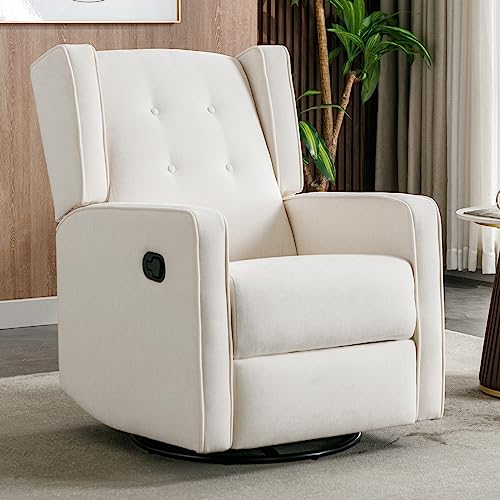


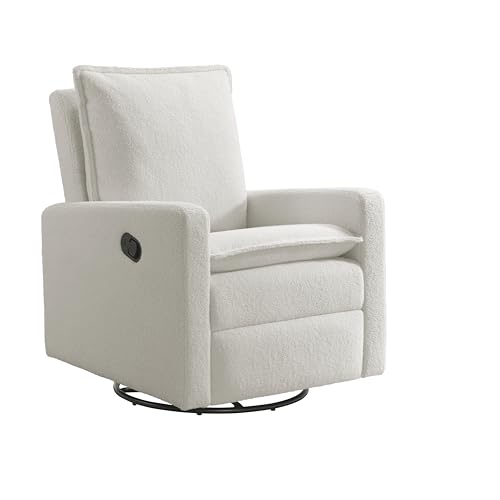
The Buyer Checklist: Six Things That Decide Quality
Every glider recliner listing makes big comfort claims, so judge each chair on the same six points. As you read the product table above, note how each model does on motion, fit, frame, cushioning, upholstery, and paperwork. A chair that passes all six is rarely a bad buy.
Ergonomics and Adjustability
Start with fit. Seat height on most glider recliners runs about 19 to 21 inches, and your feet should rest flat on the floor with your knees near a right angle. Lumbar support should fill the curve of your lower back without pushing you forward. Check how the recline works: a good footrest stays where you stop it, a feature often listed as a tilt lock, and the back should hold several positions instead of snapping between upright and flat. True adjustable armrests are rare on this style of chair, so judge the padded arms by height and firmness instead. Glide motion should feel even at both ends of the stroke, with no catching or drifting to one side.
Build Quality and Frame
The frame carries every other part, so look for kiln dried hardwood or reinforced engineered wood with corner blocks at the joints. The glide mechanism should be steel, ideally with ball bearing tracks, because plastic glide parts are the first thing to crack under daily use. Check the stated weight capacity and leave yourself a margin: most chairs are rated around 250 to 350 pounds, and a chair used near its limit every day will loosen faster. A solid chair feels planted when you sit down, with no creak, flex, or side sway in the base.
Warranty and Return Policy
Warranty terms tell you how much faith the maker has in the mechanism. Budget models often cover the frame and glide parts for about a year, while premium models stretch coverage to five years or longer. Read what is actually covered, since upholstery and foam are usually covered for a shorter period than the frame. The return window matters just as much, because comfort is personal and hard to judge from photos. A chair you can send back within a reasonable trial period is a safer purchase than one with strict return terms.
Materials and Upholstery
Upholstery decides how the chair feels, cleans, and ages. Woven fabric is soft and breathable and suits most living rooms. Performance fabric resists stains and wipes clean, which makes it the practical pick for homes with kids or pets. Genuine leather costs more but handles daily wear well and develops a softer feel over time. Faux leather wipes clean easily, though lower grades can peel after a few years of heavy use. One note for shoppers coming from desk chairs: a mesh back belongs on office seating, not here. Glider recliners rely on padded backs, so judge the padding rather than looking for mesh panels.
Comfort and Cushioning
Cushioning is where cheap chairs give themselves away. Look for high density foam in the seat, since it holds its shape far longer than the soft, low density foam used in bargain seating. Some seats add pocketed coils under the foam, which spread your weight and reduce the sunken feeling after long sits. The back cushions should support your shoulders without a hard ridge at the top rail. Keep in mind that new foam softens slightly during the first few weeks, so a chair that feels a touch firm at first often settles into the right feel.
Assembly and Delivery
Most glider recliners ship in two pieces, with the back sliding onto brackets on the seat base, so setup usually takes about 15 to 30 minutes and needs few or no tools. Before ordering, weigh the delivery reality: these chairs often weigh about 90 to 130 pounds in the box, and the box has to fit through your door and around any tight corners. Measure your doorway width and compare it with the boxed and unboxed dimensions on the listing. Clear instructions with labeled parts are a good sign; vague instructions often mean vague quality control elsewhere too.
How to Match a Glider Recliner to Your Room and Routine
Once a chair passes the checklist, the right choice depends on where it will live and who will sit in it most. Start by deciding which motion matters to you. If you love the recline but rarely rock, see our guide to the best recliner chairs for recline only designs. If the gentle glide is the whole point and you never recline, see our guide to the best glider chairs instead. Most buyers comparing best chairs glider recliner models want both motions in one chair, and those buyers should stay here and narrow the choice by room.
Nursery Use and Night Feedings
For a nursery, quiet is the top spec. The glide should be silent, the recline lever easy to reach with one arm full, and the arms padded at a height that supports your elbow during feedings. A swivel base helps you turn toward a side table without standing up, so it is worth reading our guide to the best chairs swivel glider recliner models if your nursery layout is tight. Choose washable or stain resistant fabric, and make sure the chair sits low enough that you can stand up smoothly while holding a sleeping baby.
Living Room Lounging and Long Reading Sessions
Living room buyers usually sit longer, so seat depth and footrest design matter more. A chaise style footrest supports your full leg instead of leaving a gap at the calf, and a taller back with a padded headrest suits readers and TV watchers. Power recline models let you stop the back at any angle, which is kinder to your lower back during a two hour movie than a manual chair with two or three fixed stops. Match the upholstery tone and arm style to your sofa so the chair looks like part of the set, not an add on.
Small Rooms and Apartments
Standard recliners need about 12 to 16 inches of clear space behind them to open fully, which small rooms rarely have. Wall hugger designs slide forward as they recline and can sit just a few inches from the wall, so measure for that style first. Narrow arms and a slightly smaller footprint help too, but do not trade away seat width you actually need. Check the fully reclined length as well, because a chair that fits upright can still block a walkway once the footrest is up and the back is down.
Some shoppers already know they want one maker and just need the right model. If that is you, our guide to the best chairs inc glider recliner range walks through that brand lineup, and our page on the best chairs bilana glider recliner covers one of its best known model lines in detail. Brand focus is fine, but still run the chair you pick through the six checks above before you order.
Quick Buyer Checklist
Run through these questions for any chair you are seriously considering. A string of yes answers is what you want to see.
- Does the glide feel smooth and quiet through the whole stroke, with no grinding or side sway?
- Can you sit with your feet flat on the floor and your lower back fully supported?
- Does the footrest hold the position where you stop it, without drifting down?
- Is the frame hardwood or reinforced engineered wood with a steel glide mechanism?
- Is the stated weight capacity comfortably above the weight of the main user?
- Is the seat foam described as high density, with the density or construction actually stated?
- Does the warranty cover the frame and mechanism for at least a year, with a fair return window?
- Will the chair, both upright and fully reclined, fit your room and doorway measurements?
Red Flags to Watch For
Some warning signs show up again and again on chairs that disappoint. Treat any of these as a reason to move on to the next listing.
- Vague specs, such as no stated weight capacity or no frame material named, because makers hide weak points behind missing details.
- A warranty of only a few months on the mechanism, because the glide parts are the most stressed parts of the whole chair.
- Reviews that repeat the same phrases or praise the chair with no mention of assembly, size, or daily use, because that pattern often signals padded ratings.
- Photos that never show the side or back of the chair, because unfinished backs and thin fabric show up where the camera avoids.
- A price far below similar chairs with no explanation, because the savings usually come out of foam density and frame material.
Tips to Get the Most From Your Glider Recliner
A little routine care keeps the glide smooth and the cushions in shape. Every few months, check the bolts on the base and mechanism and snug any that have worked loose, since a small wobble grows into frame stress if you ignore it. Keep the glide track free of dust, crumbs, and pet hair with a vacuum crevice tool, because grit in the track is the main cause of a glide turning rough.
For upholstery, vacuum fabric weekly with a soft brush attachment and blot spills right away rather than rubbing them in. Wipe faux leather with a damp cloth and mild soap, and condition genuine leather about twice a year so it does not dry and crack. Keep the chair out of strong direct sunlight, which fades fabric and dries leather. When you move the chair, lift it by the base instead of dragging it, since dragging twists the glide frame out of square.
FAQs
How do I choose the right size glider recliner for my body and room?
Match the chair to both your body and the space. Sit height should let your feet rest flat, and seat depth should leave a small gap behind your knees. For the room, measure the fully reclined length rather than the upright depth, since the open chair can extend well past its footprint. Leave a clear walking path around the open chair, and confirm the seat width fits the main user with room to shift position.
How long should a good glider recliner last with daily use?
A well built glider recliner should last about 7 to 10 years of daily use before the foam tires or the mechanism loosens. The first wear signs are usually a faint grinding in the glide or a slight lean in the base, and both are worth acting on early. Choosing a model with replaceable parts, such as a bolt on glide mechanism, can stretch that life further because you can renew the moving parts instead of replacing the whole chair.
What glider recliner features matter most for long hours of sitting?
For long sits, lumbar support, a supportive headrest, and firm seat foam matter most. One feature people overlook is footrest height: when the raised footrest sits roughly level with the seat, your legs are supported without pulling on your lower back. Power recline also helps during long sessions because it lets you change angle slightly every so often, and small position changes do more for comfort over three hours than any single perfect position.
Is an expensive glider recliner worth it over a budget model?
It can be, if you sit in it daily. Budget models, often under $400, usually save money on foam density, frame material, and warranty length. Premium models, about $800 to $1,500, tend to add denser foam, hardwood frames, and longer coverage. A simple way to judge is cost per year: a chair that lasts nine years can cost less per year of use than a cheaper chair replaced after three. If the chair is for occasional guest use, the budget tier makes more sense.
Final Thoughts
Most buying mistakes with this style of chair come from skipping three checks: frame material, foam quality, and honest room measurements. Run every candidate through the six point checklist, match the style to your room and routine, and compare your shortlist against the product table above before you decide. Choose carefully and the best chairs glider recliner for your home will glide quietly, recline smoothly, and stay comfortable for years. Prices and availability can change, so check the product page before ordering.


