Best Chairs for Writers: Matching the Right Model to Your Routine for 2026
Disclosure: We may earn a commission when you buy through links on this page, at no extra cost to you. As an Amazon Associate I earn from qualifying purchases. Learn more
Writers sit still for hours, so fit matters. See how to choose the best chairs for writers by routine, lumbar support, and seat size.
There is no single chair that suits every writer. A novelist who drafts for six hours at a stretch needs different support from a freelancer who splits the day between a desk, a couch, and a coffee shop table. The best chairs for writers are simply the ones that fit your body, your desk height, and the way you actually work, so start with your routine instead of a brand name or a price tag.
This guide takes a use case first approach. It sorts writers into a few common routines, then explains which features matter for each one, which details you can safely skip, and how to size a chair before you order. Use the comparison table below to see how current models differ on the basics, then read on to match those basics to your own writing day.

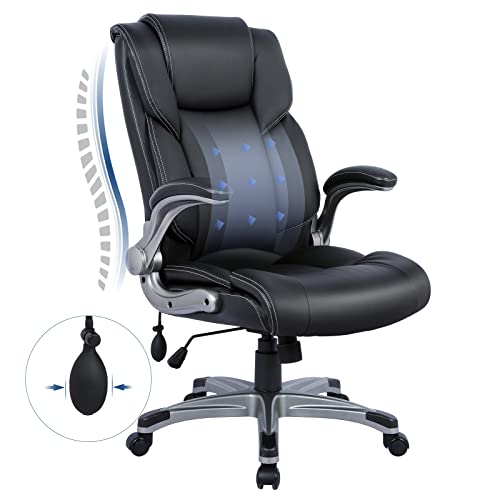
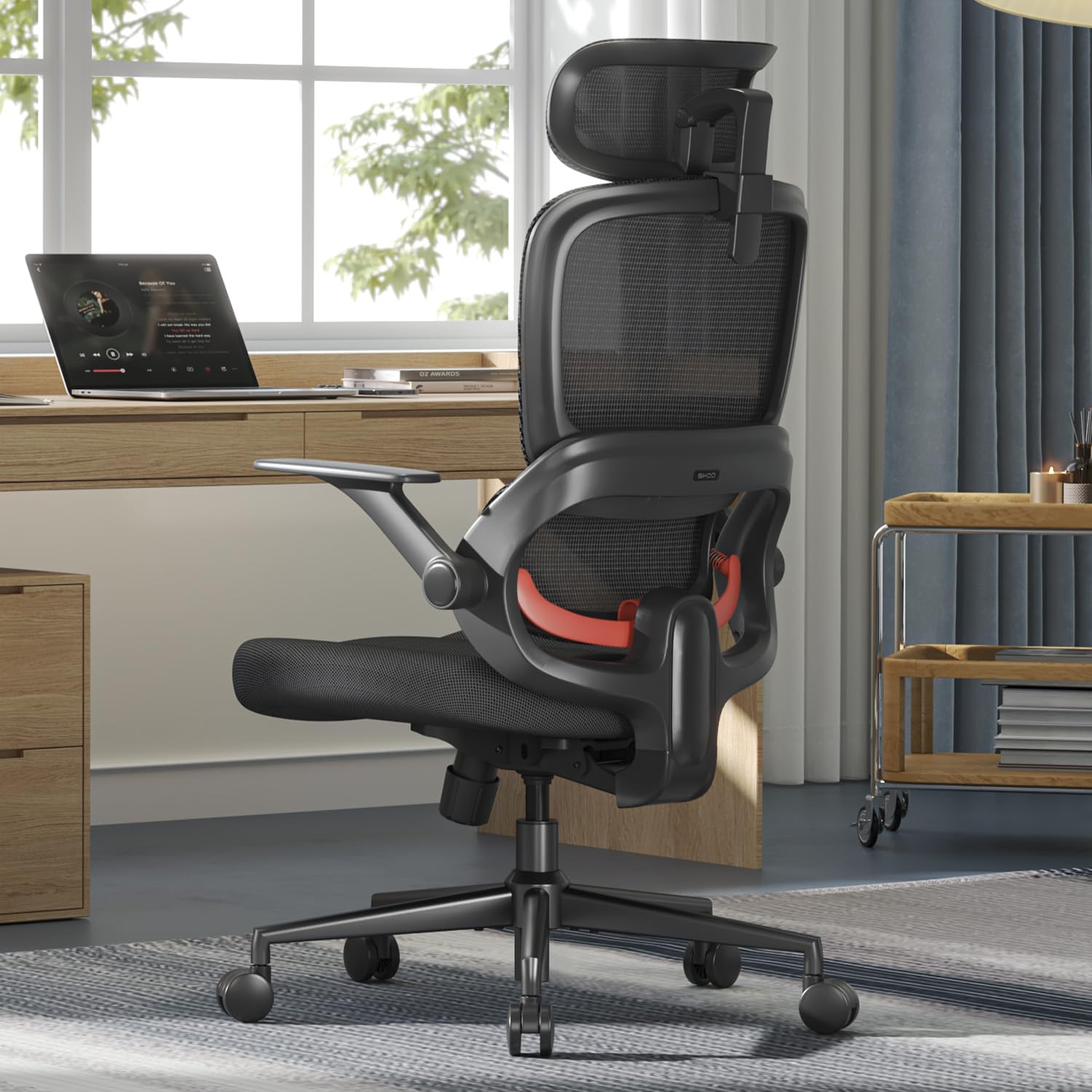
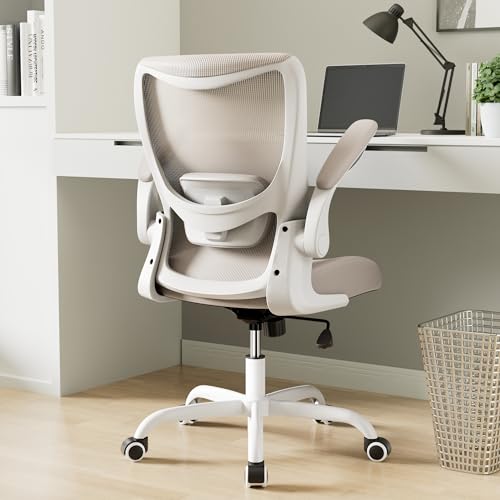

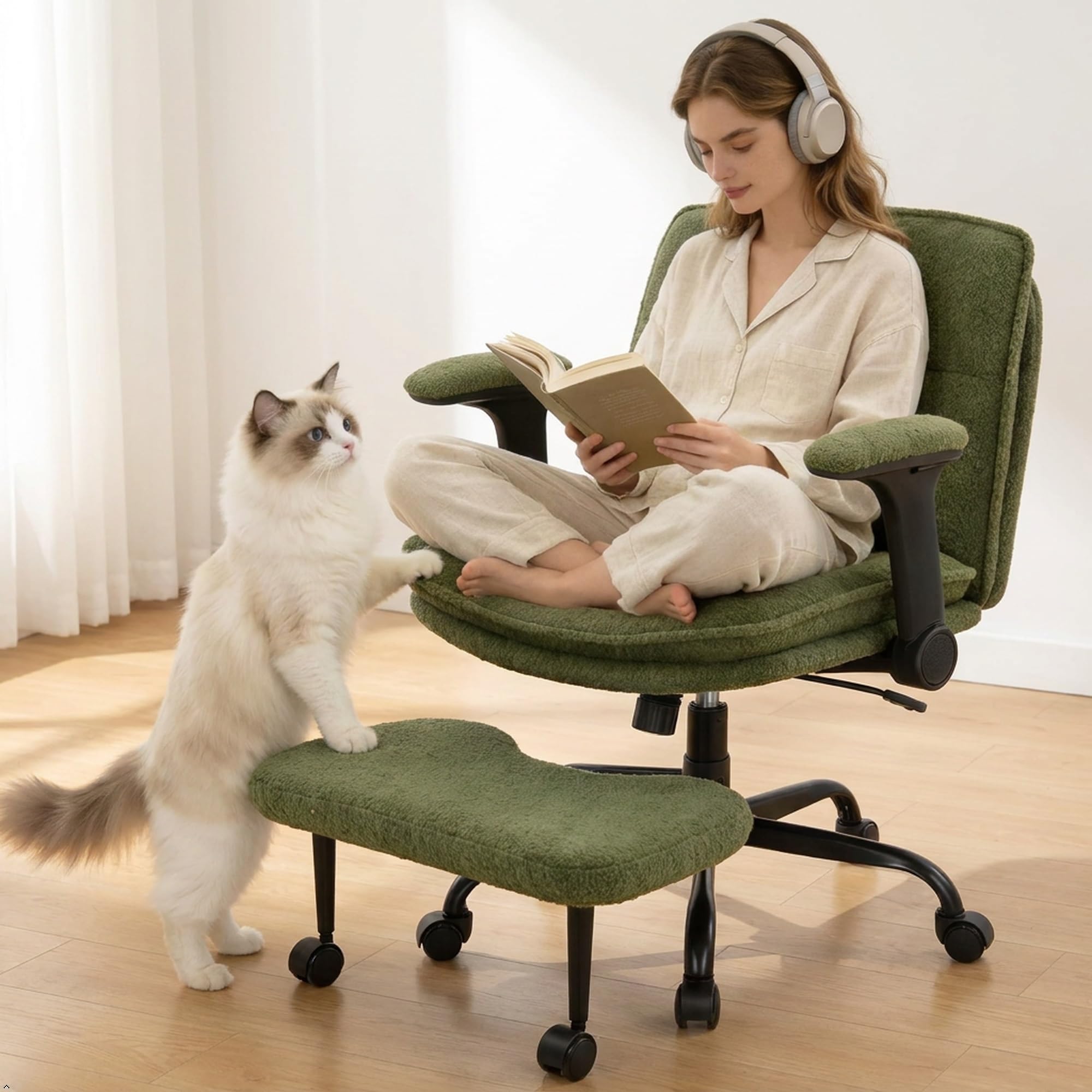
Who Should Buy Which Chair for Writing?
Your writing routine decides which chair style makes sense. A chair built for short editing sessions can feel punishing during a long drafting day, while a large ergonomic model can overwhelm a small desk. Find the group below that sounds most like you, then carry its priorities into the feature sections that follow.
For First Time Buyers Setting Up a Writing Desk
If this is your first dedicated writing chair, keep the decision simple. Look for adjustable seat height, a backrest with basic lumbar support, and a seat wide enough that your hips do not feel pinched. Skip racing style shells and deep lounge shapes, since both push your posture into positions that tire you out. A straightforward task chair is easier to live with and easier to resell or move later. If you want options built specifically around a desk based writing setup, see our guide to the best desk chairs for writers for models grouped by desk type.
For Value Seekers Who Write Every Day
Daily writers on a budget should spend on the parts that wear out or cause discomfort first. A firm seat cushion made with high density foam holds its shape far longer than soft, thin padding that flattens within a year. A steel or reinforced nylon base and a rated gas lift matter more than decorative stitching. Expect to pay around $150 to $300 for a chair that survives daily use, and treat anything far below that range as a short term fix rather than a long term seat. Check the stated weight capacity too, and choose a model rated comfortably above your own weight.
For Full Time Writers Who Want the Best Performance
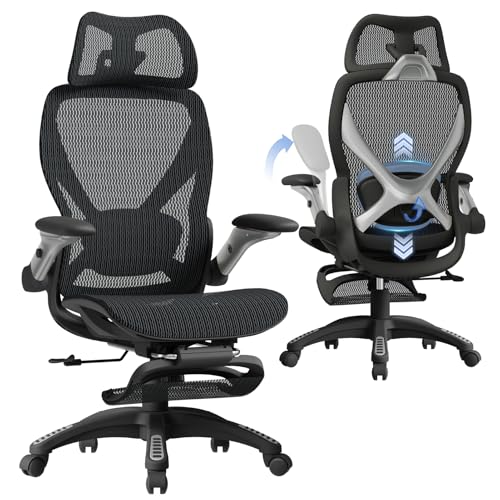
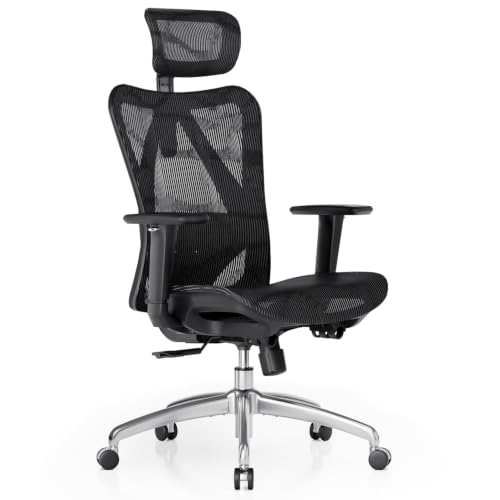
If writing is your job and you sit for most of the working day, premium ergonomic models earn their price through adjustment range rather than looks. Look for a lumbar support that moves up and down and in and out, adjustable armrests that shift in several directions, and a tilt lock that holds the backrest at the exact recline you prefer. A mesh back keeps air moving during long summer sessions. Writers who like a taller back and a more formal study feel can also see our guide to the best officer chairs, which covers executive style seating with similar support goals.
For Gift Shoppers Buying for a Writer
Buying a chair as a gift is risky because fit is personal, so choose flexibility over flair. Pick a model with a wide adjustment range, a mid sized seat that suits most bodies, and a simple assembly process the recipient can handle alone. A generous return window matters more than any single feature, since the writer may need to swap sizes. If you are unsure of their measurements, a gift receipt and a note offering to cover return shipping turn a guess into a safe present. Neutral colors also help the chair blend into a home office or bedroom corner.
Chairs for Specific Writing Needs
Most writers fall into one of the groups above, but a few situations call for a closer look when choosing the best chairs for writers. Shared desks, small rooms, and mixed work and play setups all change what counts as the right chair.
Best Office Chairs for Writers: What to Prioritize
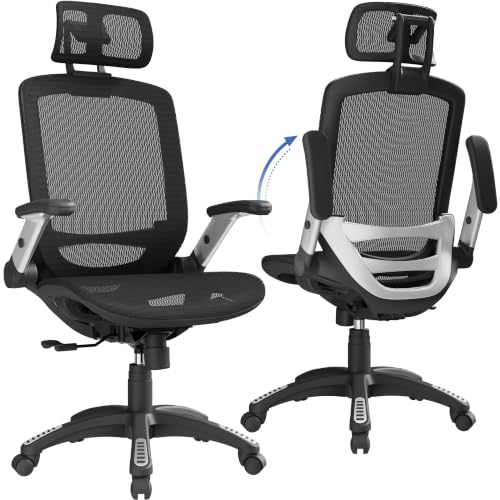
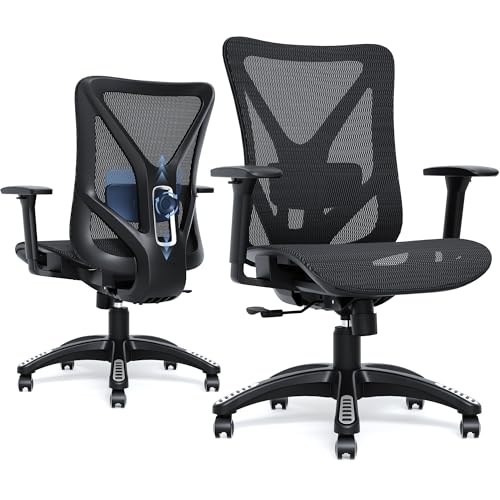
When people search for the best office chairs for writers, they usually mean a chair that behaves well in a formal work setting. Prioritize a seat depth that leaves a small gap behind your knees, casters that suit your floor type, and a backrest height that supports your shoulder blades without pushing your head forward. If you share the chair with a partner or roommate, quick and tool free adjustments matter more than exotic features. For compact, focused seating built around short adjustment ranges, see our guide to the best office task chairs as a useful comparison point.
Writers who also game or stream after work sometimes prefer a gaming style chair with a taller back and a headrest pillow. That shape can work for writing if the seat is flat rather than heavily bucketed. If that dual use sounds like you, see our guide to the best video game chairs and compare the seat shapes against the flatter task chairs in the product table above before deciding.
Key Features to Compare
Chair listings throw dozens of terms at you, but only a handful affect how a long writing session feels. Work through the four areas below and you will cover nearly everything that separates a chair you keep from a chair you return.
Features That Matter for Writers
Writing asks something specific from a chair: it must hold you in one position, fairly still, for a long time. That makes seat cushion quality and backrest shape more important than they are for general office use. A waterfall seat front eases pressure on the backs of your thighs. A backrest that follows the curve of your lower spine keeps you from sliding into a slouch as the hours pass. Breathability counts too, since a warm back speeds up fidgeting. Treat extras like footrests and massage add ons as optional comforts, not core support.
Ergonomics and Adjustability
An ergonomic chair only helps if its adjustments match your body. Seat height should let your feet rest flat on the floor with your knees near a right angle, and most writers need a range of about 17 to 21 inches from floor to seat top. Lumbar support should sit in the hollow of your lower back, not at your belt line or your shoulder blades. Adjustable armrests should drop low enough to slide under your desk and rise to support your forearms without lifting your shoulders. A tilt lock lets you lean back while you reread a draft, then return to an upright typing position. If you develop numbness in your legs, ongoing neck pain, or back pain that keeps returning despite careful adjustments, talk with a clinician, since those signs can point to problems a new chair cannot fix.
Assembly and Delivery
Most writing chairs arrive flat packed with the base, lift, backrest, and seat as separate pieces. Assembly usually takes about 20 to 40 minutes with the included hex key, and the hardest step is aligning the backrest bolts, which is easier with a second person holding the back steady. Check the box weight before ordering if the chair must go up stairs, since larger ergonomic models can be heavy. Photograph the parts layout before you start, keep the box until you are sure the chair fits you, and confirm whether the seller pays for return shipping on a chair you have already assembled.
Warranty and Return Policy
Warranty terms reveal how long a maker expects a chair to last. Frames and bases often carry coverage of five years or more on better models, while gas lifts, casters, and upholstery usually carry shorter terms of one to two years. Read which parts are covered rather than trusting the headline number. A trial period of at least 30 days is valuable because real comfort problems often appear in week two, not day one. For a broader look at build quality across price bands, see our guide to the best quality chairs before you commit to a budget model with thin coverage.
Common Mistakes to Avoid When Buying a Writing Chair
- Choosing by price alone, so you save money up front and then pay for it with daily discomfort and an early replacement.
- Ignoring seat depth, so the front edge presses into the backs of your knees and cuts off comfortable circulation.
- Buying a chair sized for a much larger or smaller body, so the lumbar support lands in the wrong place no matter how you adjust it.
- Skipping the weight capacity rating, so the gas lift and base wear out far sooner than the maker intended.
- Ordering without checking the return policy, so a chair that felt fine for ten minutes becomes a costly problem in week two.
Tips to Get the Most From Your Writing Chair
Set up the chair once, properly, before your first session. Adjust the seat height so your feet rest flat on the floor and your elbows sit level with the desk surface. Position the lumbar support in the curve of your lower back, then set the armrests so your shoulders stay relaxed while you type. Small changes here prevent the slow slouch that builds during long drafts.
Care is simple but easy to forget. Tighten the base and backrest bolts every few months, since daily sitting slowly works them loose and causes wobble and squeaks. Vacuum fabric upholstery weekly and wipe mesh with a damp cloth so dust does not grind into the fibers. Keep the chair out of direct sunlight where you can, because steady sun fades fabric and dries out faux leather until it cracks. Finally, stand up and move between writing sessions, since even the best setup cannot offset sitting still all day.
Frequently Asked Questions
What features matter most in a chair for writers?
Seat cushion firmness, lumbar support placement, and seat height range matter most in a chair for writers. Together they decide whether your posture holds up through a long session. One detail many buyers miss is seat depth adjustment, which slides the seat forward or back and is common on better ergonomic models but rare on budget ones. If you try only one upgrade, make it a chair whose lumbar support you can move, not one fixed at a single height.
How long should a good writing chair last?
A good writing chair should last about five to ten years with daily use. The frame and base usually outlast the cushion, so expect the seat foam to soften noticeably around year three to five even on well made models. You can extend that span by rotating where you sit slightly and by keeping the chair on a mat over hard floors, which reduces caster wear. When the gas lift starts sinking on its own, replacing just the lift is often cheaper than replacing the whole chair.
Is an expensive writing chair worth the price?
An expensive writing chair is worth it when the extra money buys adjustment range and warranty length rather than styling. Writers who sit six or more hours a day feel the difference in movable lumbar support and better foam every single session. If you write for an hour or two a day, a mid priced chair around $200 usually covers your needs, and the smarter extra purchase is a separate seat cushion you can replace on its own when it wears thin.
How do you choose the right size writing chair?
Choose the right size writing chair by matching three measurements to your body: seat width, seat depth, and backrest height. Sit against a wall and measure from the wall to the back of your knees, then subtract about two inches to get a seat depth that will not press on your legs. Your desk height matters too, so confirm the chair at its lowest setting slides under the desk apron if your desk has one. Petite and tall writers should look for models that state a recommended height range.
Which chair features matter most for writers who work long hours?
For writers who work long hours, a mesh back, a tilt mechanism with tension control, and armrests that move in several directions matter most. The mesh keeps your back cooler, and the tension control lets you lean back with gentle resistance while you think through a scene. One extra worth seeking out is a seat with a slight forward tilt option, which opens your hip angle during editing work and takes pressure off the front of your thighs.
The Bottom Line
Start with your routine, then check three things: a seat that fits your body, lumbar support you can position, and a warranty that backs the parts that wear. The product table above pulls those basics together so you can compare models quickly. Whichever direction you go, the best chairs for writers are the ones you stop noticing once you sit down, leaving your attention on the page instead of your posture. Prices and availability can change, so check the product page before ordering.