
Best Chairs for Wooden Dining Table: A First Time Buyer's Guide for 2026
Disclosure: We may earn a commission when you buy through links on this page, at no extra cost to you. As an Amazon Associate I earn from qualifying purchases. Learn more
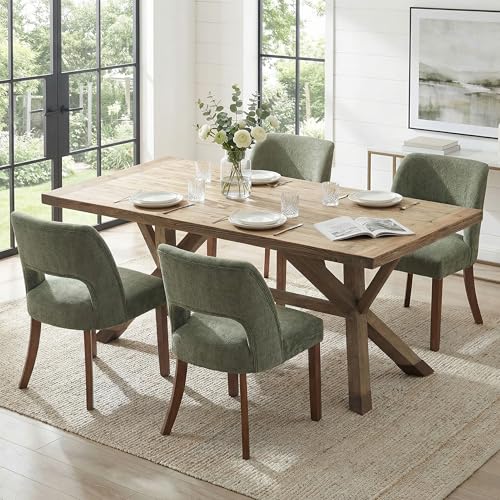
Shopping for the best chairs for wooden dining table for the first time? Learn the key terms, sizes, and materials, and skip common rookie mistakes.
Buying dining chairs sounds simple until you face a wall of terms about seat height, joinery, finishes, and weight ratings. If this is your first set, you are in the right place. This guide walks you from the basic parts of a chair to the measurements that decide whether it slides under your table and feels good through a long dinner. By the end you will know how to judge the best chairs for wooden dining table setups for your own room.
Start with the comparison table below to get a feel for sizes, materials, and price ranges, then read on for the plain English explanations behind each spec. Nothing here assumes you have bought dining furniture before.


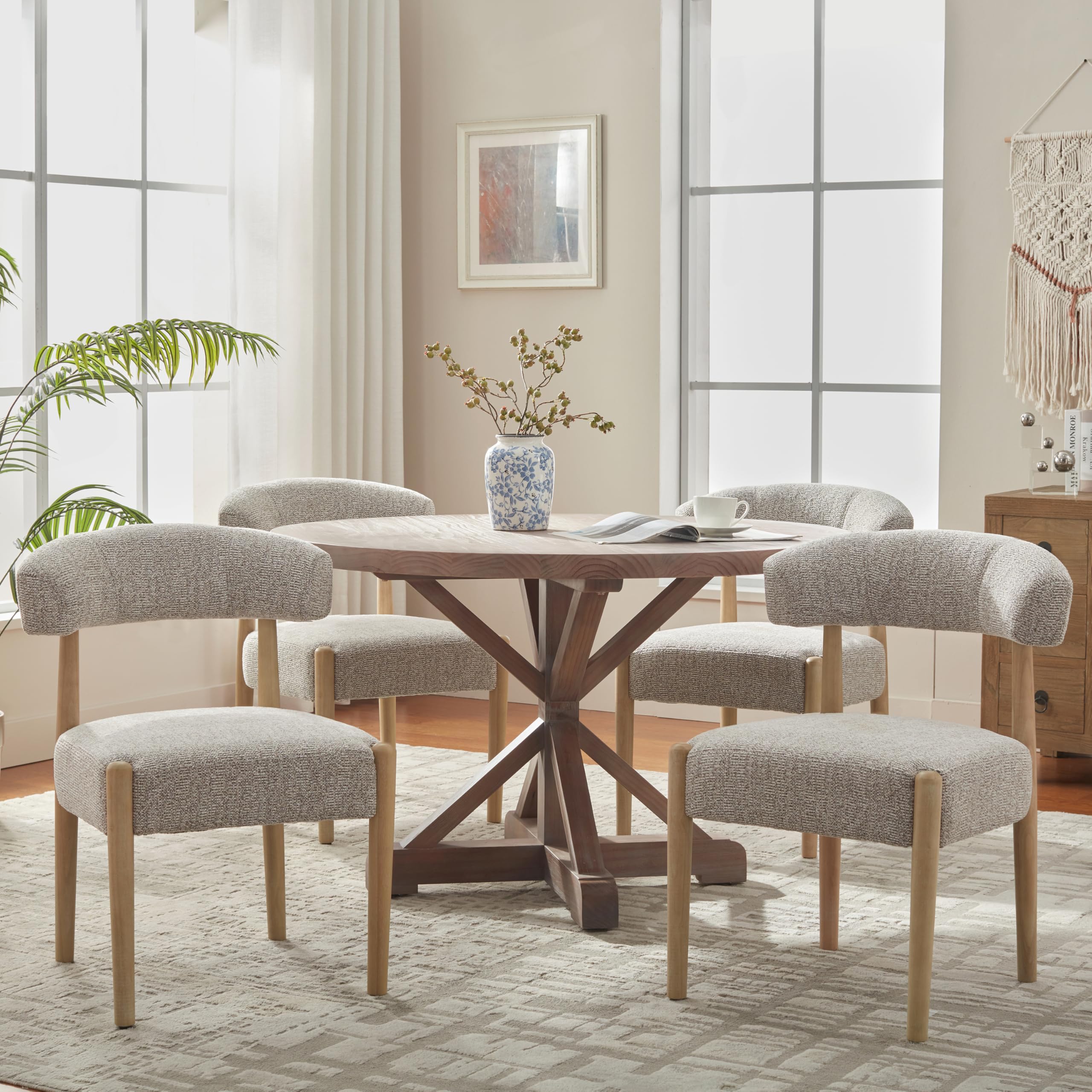
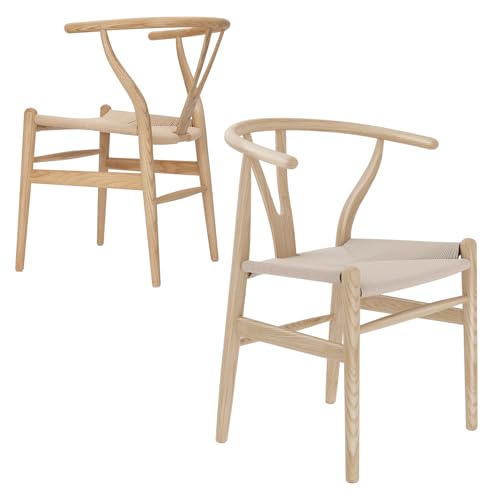

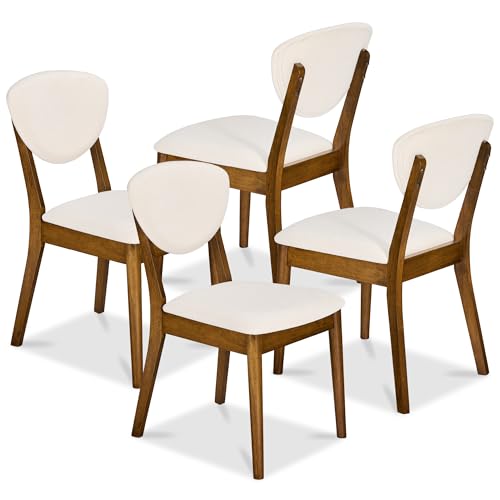

Chairs 101: The Basics
A dining chair has a few main parts, and knowing their names makes every listing easier to read. The seat is what you sit on, the backrest supports your back, and the legs hold everything up. Many wooden chairs add stretchers, the bars between the legs that stop the frame from racking side to side. On the table side the key part is the apron, the wooden skirt below the tabletop that your chair arms and knees must clear.
Unlike a desk chair, a dining chair is a fixed piece of furniture. It has no gas lift, no tilt lock, and no casters, so words like adjustable height or recline do not apply here. Comfort comes from fixed geometry instead: seat height, seat depth, back angle, and cushion padding. When you shop for best chairs for wooden dining table use, judge those fixed dimensions carefully, because you cannot dial them in later the way you would with an office chair.
Chairs are sold singly, in pairs, and in sets of four or six, and mixing is normal. Many households buy matching side chairs for the long sides of the table and two armchairs for the ends. If you are replacing the whole setup at once, see our guide to the best dining room tables and chairs for how matched sets are usually sized.
Key Specs Explained in Plain English
The specs on a dining chair listing are not decoration. Each one answers a practical question about fit, comfort, durability, or care, and the five groups below cover the ones that matter most next to a wooden table.
Features That Matter for a Wooden Dining Table
A wooden table brings two needs that other tables do not. The first is surface protection. Chair legs get dragged every day, so look for glides or felt pads on the leg bottoms, and plan to add pads yourself if the listing does not mention them. Pads protect your floor, and they also stop hard leg ends from denting the table legs when chairs get pushed in carelessly.
The second need is a sensible wood pairing. Chairs in a tone close to your table read as a set, while a deliberate contrast, such as black painted chairs with a warm oak table, reads as a design choice. Trouble sits in the middle, where woods almost match but not quite. When you can, view the chair finish next to your table in daylight before committing to a full set.
Comfort and Fit: Seat Height, Back Support, and Arms
Seat height is the distance from the floor to the top of the seat, and most dining chairs sit at about 17 to 19 inches. Standard tables stand about 28 to 30 inches tall, which leaves room for your thighs plus the table apron. Aim for roughly 10 to 12 inches between the seat top and the tabletop underside area so you can cross your legs and shift around during a meal.
Back support on a dining chair is about shape, not adjustment. A backrest with a gentle curve gives basic lumbar support where your lower back rests, and a slight backward tilt feels more relaxed than a bolt upright back. Cushions filled with high density foam hold their shape longer than soft padding. If you want arms, the arm top should clear the underside of the apron, usually needing about 7 inches of space above the seat, or the chair will never push in fully.
Warranty and Return Policy
Furniture warranties for dining chairs usually cover the frame and joinery against defects, often one to five years on budget models and longer on solid wood pieces. Read what counts as a defect. A leg that splits along the grain or a joint that opens up should qualify, while finish wear from daily use usually will not.
Returns matter just as much, because you cannot judge sit comfort from a photo. A return window of at least 30 days lets you live with one chair through real meals before the rest of the set becomes final. Keep the box until you are sure, and order a single chair or one pair first when the policy allows it.
Build Quality and Frame
The frame decides how long a chair stays tight and silent. Solid wood legs and rails resist years of shifting weight better than thin engineered panels, and joinery such as mortise and tenon joints or reinforced corner blocks holds up better than a frame held by a few screws alone. Stretchers between the legs are a good sign, since they spread the load when a guest leans back.
Check the stated weight capacity and treat it as a quality signal as well as a safety limit. Ratings around 250 to 300 pounds per chair are common on sturdy frames. When a chair arrives, sit down and shift your weight side to side. Any creak, flex, or wobble on a flat floor points to loose joints that will only get worse, and that is a chair to return promptly.
Materials and Upholstery
Wooden chairs come as all wood seats, padded seats, or fully upholstered backs and seats. An all wood seat is the easiest to wipe clean and suits busy family tables, though it feels firm during long dinners. Fabric upholstery adds softness and color, and tightly woven fabrics with washable covers handle spills best. Leather and faux leather wipe clean quickly but can feel warm and may show scratches over time.
Seat material also changes how a chair treats the table beside it. Hard wooden chair backs that bang into a table edge will mark the finish, so softer upholstered backs are kinder in tight rooms. Priorities shift with other table types: if your next table might be glass, see our guide to the best dining chairs for glass table. For a broad look at dining seating styles, see our guide to the best dining table chairs.
Rookie Mistakes to Avoid
Most first time regrets come from measuring one thing and forgetting another. These are the errors that show up again and again with first sets.
- Measuring the tabletop height but not the apron, so new armchairs stop several inches short of pushing in.
- Skipping felt pads under the legs, which lets daily scooting scratch floors and knock the finish off table legs.
- Ordering a full set of six before sitting in one chair, leaving you stuck with a seat depth that suits nobody at the table.
- Trying to match a wood tone from a phone photo, then finding the chairs clash with the table under real room light.
- Filling every side with chairs and leaving no walking room, so guests squeeze sideways to reach their seats.
- Choosing a delicate finish for a household with small kids, then watching crayon, spills, and booster seats wear it down fast.
Getting Started: Setup and First Use
Many dining chairs arrive partly assembled, with legs and stretchers to attach at home. Build on a rug or blanket so loose parts cannot scratch your floor or the chair finish. Tighten bolts gradually in rotation, a little on each side in turn, so the frame pulls together square instead of twisting toward the first tight bolt.
Once the chair stands on its own, fit felt pads to every leg bottom before the first meal. Sit down and check the basics: your feet should rest flat on the floor and your knees should clear the apron. If you bought a pair first, live with them for a week of real dinners before ordering the rest.
Space planning is the last setup step. Leave about 24 inches of table edge per person and roughly 36 inches between the table edge and the wall so chairs can pull out and people can pass behind seated guests. Compact rooms reward narrower chairs without arms, and if your dining area is truly tight, see our guide to the best small dining table and chairs for layouts built around smaller footprints.
One last habit keeps new chairs tight: recheck the leg bolts after the first month of use, then again every few months, and snug any that have worked loose before the joint starts to wobble. Keep dining chairs indoors, too, since finishes and glues made for a dining room blister and loosen outside. If you need seating that lives on a patio, see our guide to the best outdoor dining tables and chairs instead.
Chairs: Your Questions Answered
What features matter most in dining chairs for a wooden dining table?
Floor protection, apron clearance, and a compatible finish matter most. Felt pads or glides keep leg ends from scratching floors and marking the table legs, and arms must clear the apron so chairs push in fully. Beyond those basics in the product table above, check chair width against your table length so every guest gets elbow room. Match the finish tone closely on purpose or contrast it clearly, and avoid near matches.
How long should dining chairs for a wooden dining table last?
A well built wooden dining chair should last ten years or more of daily use. Solid wood frames with proper joinery often outlast that, while lightly built budget models may loosen within three to five years. Chairs that get dragged instead of lifted, or that carry guests past their weight rating, wear out far sooner. Replacing worn felt pads and keeping bolts snug adds years at almost no cost.
What dining chair features matter most for long dinners?
A shaped back, a padded seat, and the right seat depth matter most for long dinners. A curved backrest supports your spine as you lean back between courses, and foam padding stops a hard wooden seat from becoming uncomfortable after the first hour. Seat depth around 16 to 18 inches supports your thighs without pressing behind your knees. Prioritize these comfort points over decorative details like carved legs.
How do I choose the right size dining chair for a wooden dining table?
Start with seat height, then check width and arm clearance. A seat height of about 17 to 19 inches pairs with standard tables, and each chair should allow about 24 inches of table edge per diner. Measure your table length, subtract the space taken by end chairs, and divide what remains by the chair width before choosing a quantity. One extra check: measure the doorway path, since assembled armchairs can be awkward to move into the room.
Is an expensive dining chair for a wooden dining table worth it?
It can be, when the extra money buys solid wood, stronger joinery, and a better finish. Higher priced chairs tend to stay tight and quiet for years, and their finishes usually resist water rings and heat marks better. That said, a mid priced chair with a sound frame beats a costly chair bought mainly for looks. Spend first on construction, then on style.
Final Thoughts
For a first set, keep your priorities in order: fit first, then frame quality, then finish. Measure seat height, apron clearance, and chair width before you fall for a style, and protect both floor and table with pads from day one. Compare your shortlist against the product table above, order one chair or a pair to test, and only then complete the set.
Do that, and the best chairs for wooden dining table choice for your home stops feeling like a guess. You will end up with chairs that slide in neatly, sit comfortably through long meals, and look like they always belonged with your table.


