
Best Chairs for Watching Baseball: Types Compared and How to Choose for 2026
Disclosure: We may earn a commission when you buy through links on this page, at no extra cost to you. As an Amazon Associate I earn from qualifying purchases. Learn more

Three hours of baseball asks a lot of a seat. See which type of the best chairs for watching baseball suits your room, budget, and back.
A full ballgame can run three hours or more. A chair that feels fine for twenty minutes can leave your back aching and your legs restless by the seventh inning. Choosing the best chairs for watching baseball starts with matching the chair type to your room, your body, and the way you watch.
Shoppers often feel stuck between simple budget seats, supportive ergonomic models, and plush premium designs that look like they belong in an executive office. This guide compares each type plainly, explains the specs that matter, and helps you narrow your choice before you order. Use the comparison table below to see how the main types differ at a glance.
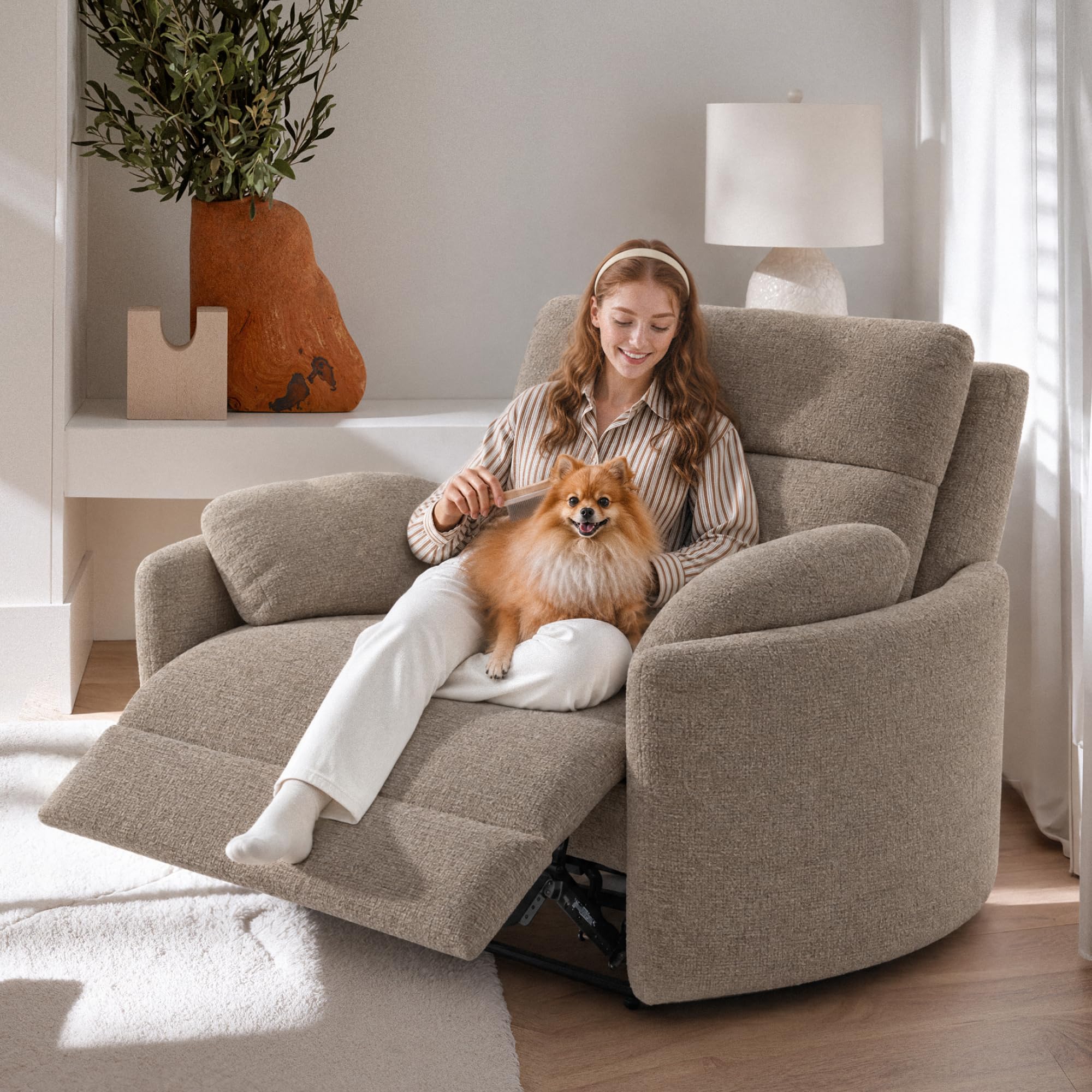


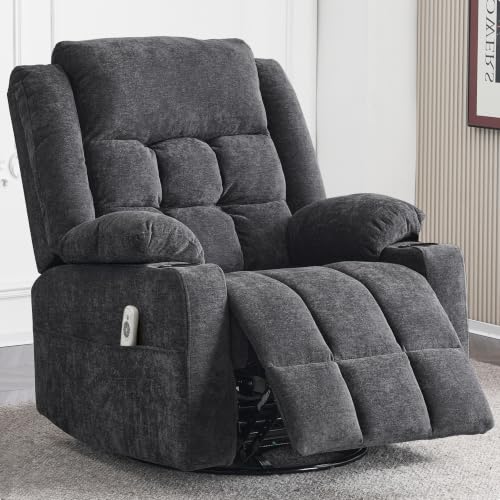
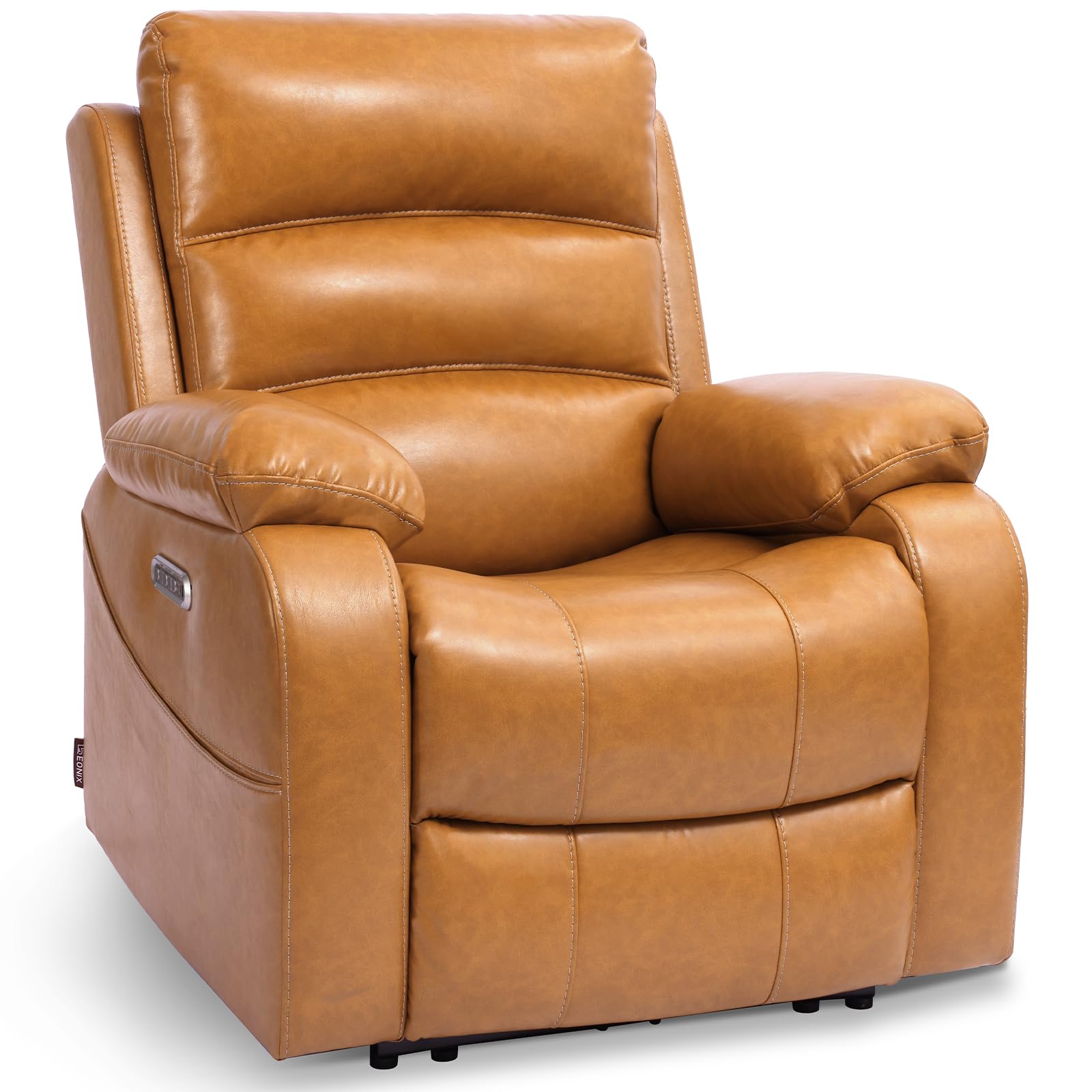


Types of Chairs Compared
The product table above groups chairs into three broad types, and each type serves a different kind of fan. Budget models keep costs low and suit occasional viewing. Ergonomic models focus on posture support for people who watch most games in full.
Your screen setup matters as much as the chair itself, since a seat that works for a desk may point you too low or too upright for a wall mounted TV. If your room serves many kinds of viewing beyond baseball, see our guide to the best chairs for watching TV for ideas on screen height and seating distance.
Budget Models
Budget models are usually simple padded chairs, basic recliners, or lightweight accent chairs priced at around $50 to about $150. They use thinner foam, simpler frames, and fixed or lightly adjustable armrests.
The trade off is comfort over time, since thin cushioning often compresses during long games and offers little support for your lower back. Budget chairs also tend to have lower weight capacity ratings and narrower seats. Choose one only if your viewing sessions are short, your space is tight, or you need a second seat for guests on game day.
Ergonomic Models
Ergonomic models are built around posture, with shaped backrests, lumbar support, and several points of adjustment. A mesh back is common in this group, and it lets air move across your back during warm summer games. Most include a tilt lock, so you can lean back at a set angle without the chair tipping further as the game goes on.
These chairs suit fans who watch four or five games a week and anyone who already notices stiffness after sitting. Prices often fall in the range of about $150 to $400, which reflects the adjustable parts and stronger frames. The look is more office like than lounge like, so picture your room style before you commit to this type.
Premium and Executive Models
Premium and executive models aim for lounge comfort, with wide seats, high backs, thick padding, and smooth reclining motion. Many use bonded leather or dense upholstery foam that feels plush from the first inning. Larger frames raise the weight capacity, and wider armrests give you room for a remote, a scorebook, or a drink within easy reach.
Expect prices from about $400 upward, along with a larger footprint that needs real floor space. Readers who split time between a desk and the game may also want to see our guide to the best officer chairs, since executive styling often overlaps with office seating.
Budget Models vs Ergonomic Models: Which Should You Choose?
Start with how often you watch full games, because frequency decides whether adjustability earns its cost. A casual fan who catches weekend games can do well with a budget chair and a small cushion for the lower back. A daily viewer will feel the limits of fixed padding within a few weeks.
Next, compare support and airflow. Budget chairs rely on foam alone, which holds heat and softens with use. Ergonomic chairs add lumbar support and often a mesh back, which helps you sit through doubleheaders in summer without shifting every inning. If you share the chair with family members of different sizes, adjustable armrests and seat height also favor the ergonomic side.
Finally, think about total viewing across your household, since many fans follow several sports in the same seat. If that sounds like your home, see our guide to the best chairs for watching sports for broader seating ideas. For baseball alone, choose budget for light use and ergonomic for regular long games, and you will rarely regret the call.
How to Choose the Right Chair
The sections below walk through the checks that matter most once you have picked a type. Work through them in order, and a chair that looks good online is far less likely to disappoint when it reaches your room.
Build Quality and Frame
A strong frame decides how the chair feels after a full season of games, not just on delivery day. Steel frames and reinforced bases handle repeated leaning and reclining better than thin plastic shells. Look for a class 4 gas lift, which is the sturdier cylinder grade used in better chairs, and a five point base that spreads your weight across the floor.
Check the stated weight capacity and leave yourself a margin rather than sitting right at the limit. Casters should roll smoothly without wobbling, and the recline mechanism should move without grinding or sudden drops. A chair that creaks loudly during quiet late innings often has loose joints or thin frame parts, so treat early noise as a warning sign.
Assembly and Delivery
Most chairs in this category arrive in one large box with the back, seat, base, and hardware packed separately. Assembly usually takes one person about twenty to forty minutes with the included tool, and the steps are mostly attaching the base, the cylinder, the armrests, and the back. Clear floor space before you start, because a fully built chair can be awkward to move through a narrow doorway.
Delivery weight matters if the chair must go upstairs or into a small apartment. Premium models can be heavy, so check the box weight and your stair width in advance. Tighten each bolt in stages during assembly so the frame pulls together evenly instead of leaning to one side.
Features That Matter for Watching Baseball
Baseball viewing has its own rhythm, and the right features follow that rhythm. A gentle recline lets you settle in for long innings, while a footrest or ottoman pairing supports your legs during late games. Wide and padded armrests matter because your arms rest there for hours, and a nearby spot for a drink keeps you from balancing a cup on your knee.
Swivel motion helps in rooms where fans turn between the TV and the snack table, and it also makes conversation easier during pitching changes. If you sometimes head to the ballpark instead of watching at home, see our guide to the best chairs for baseball games for portable options built for the stands and the lawn. For home viewing, also check our guide to the best baseball chairs if you want seating styled around the game itself.
Ergonomics and Adjustability
Good ergonomics keep your posture easy through nine innings without forcing you to sit stiffly. Seat height should let your feet rest flat on the floor with your knees near a right angle. Lumbar support should meet the curve of your lower back, either as a built in shape, an adjustable pad, or a cushion you can move up and down.
Adjustable armrests help because arm height changes how much strain lands on your shoulders, and wider settings suit broader frames. A tilt lock lets you hold a relaxed lean for viewing while keeping the screen in a comfortable line of sight.
Comfort and Cushioning
Cushioning decides whether the ninth inning feels as good as the first. High density foam holds its shape under your weight and resists the flattened spot that forms in cheaper seats. A seat depth that supports your thighs without pressing behind your knees keeps your legs comfortable, and a slight waterfall front edge helps blood flow during long sits.
Upholstery choice changes comfort too, since smooth leather like surfaces wipe clean after snack spills but can feel warm, while fabric breathes better and grips clothing so you slide less. If you tend to feel hot, pair a fabric or mesh seat with a lighter blanket instead of heavy throws.
Common Mistakes to Avoid
- Buying by looks alone, which often leads to a chair that feels wrong after one full game.
- Ignoring seat width, which leaves larger fans squeezed between fixed armrests for hours.
- Skipping the weight capacity rating, which can shorten the life of the frame and cylinder.
- Placing a wide recliner too close to the wall, which blocks the recline you paid for.
- Choosing deep soft foam for long games, which lets your hips sink and strains your lower back.
- Forgetting to measure doorways and stairs, which can turn delivery day into a struggle.
How to Make Your Chair Last Longer
Small habits protect your chair season after season. Adjust the seat height so your feet rest flat, because dangling legs pull on the cushion edge and wear it unevenly. Tighten the bolts every few months, since normal reclining and swiveling slowly loosen hardware, and a quick check prevents the wobble that stresses frame joints.
Vacuum or wipe the upholstery regularly, and clean spills right away so snack oils do not soak into foam or fabric. Keep the chair out of harsh direct sunlight when you can, because strong sun fades fabric and dries out leather like surfaces.
FAQ
What features matter most in chairs for watching baseball?
The features that matter most are steady recline, supportive cushioning, and armrests wide enough for hours of use. One point many buyers miss is screen angle, since your eye line should meet the middle of the TV without tilting your head up. A chair placed too low under a high mounted screen will strain your neck long before the game ends.
What features matter most in chairs for watching baseball during long games?
For long games, breathable materials and a place to rest your feet matter most after basic support. Stand and walk during one pitching change each hour, because brief movement restores circulation better than any cushion can. A small side table within reach also helps, since it keeps drinks and snacks off your lap during extra innings.
How long should a chair for watching baseball last?
A well built chair for watching baseball should last about five to eight years of regular use. The earliest signs of wear are usually a cylinder that slowly sinks, casters that stop rolling straight, and foam that stays dented after you stand. Replacing casters or a cylinder can extend the life of an otherwise solid frame at modest cost.
Is an expensive chair for watching baseball worth the cost?
An expensive chair is worth the cost when you watch often and the higher price buys a stronger frame, denser foam, and a longer warranty. Check whether replacement parts such as cylinders and arm pads are sold separately, because easy parts access adds real value over years of use. For occasional viewing, that extra spending rarely changes your experience enough to justify it.
How do you choose the right size chair for watching baseball?
Choose the size by measuring the space between the armrests, the seat depth, and the full recline length the chair needs behind it. Sit with a tape measure nearby and check that your hips fit with a little room on each side. Also measure the wall clearance for reclining, because a chair that fits when upright may not fit when fully leaned back.
Final Thoughts
The right choice comes down to type, support, and fit. Budget models serve light viewing, ergonomic models protect your posture through a long season, and premium models turn game night into a lounge experience. Use the product table above to compare the types side by side with your room measurements in hand.
Whichever type you choose, the best chairs for watching baseball are the ones that let you forget the seat and follow every pitch in comfort. Check the comparison table above once more, confirm your space and size needs, and settle in for the season ahead.


