
Best Chairs for Watching TV: A First Time Buyer's Guide for 2026
Disclosure: We may earn a commission when you buy through links on this page, at no extra cost to you. As an Amazon Associate I earn from qualifying purchases. Learn more

Shopping for the best chairs for watching tv for the first time? Learn key comfort terms, sizing basics, and setup tips in this simple buying guide.
Buying a chair for movie nights sounds simple until you start comparing recline angles, seat depths, and cushion feels. This guide walks you from the basic terms to a confident choice, in plain language. By the end you will know which best chairs for watching tv features actually matter for your room, your body, and your viewing habits.
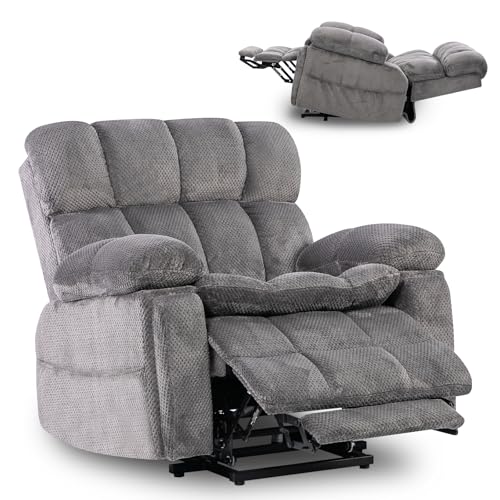
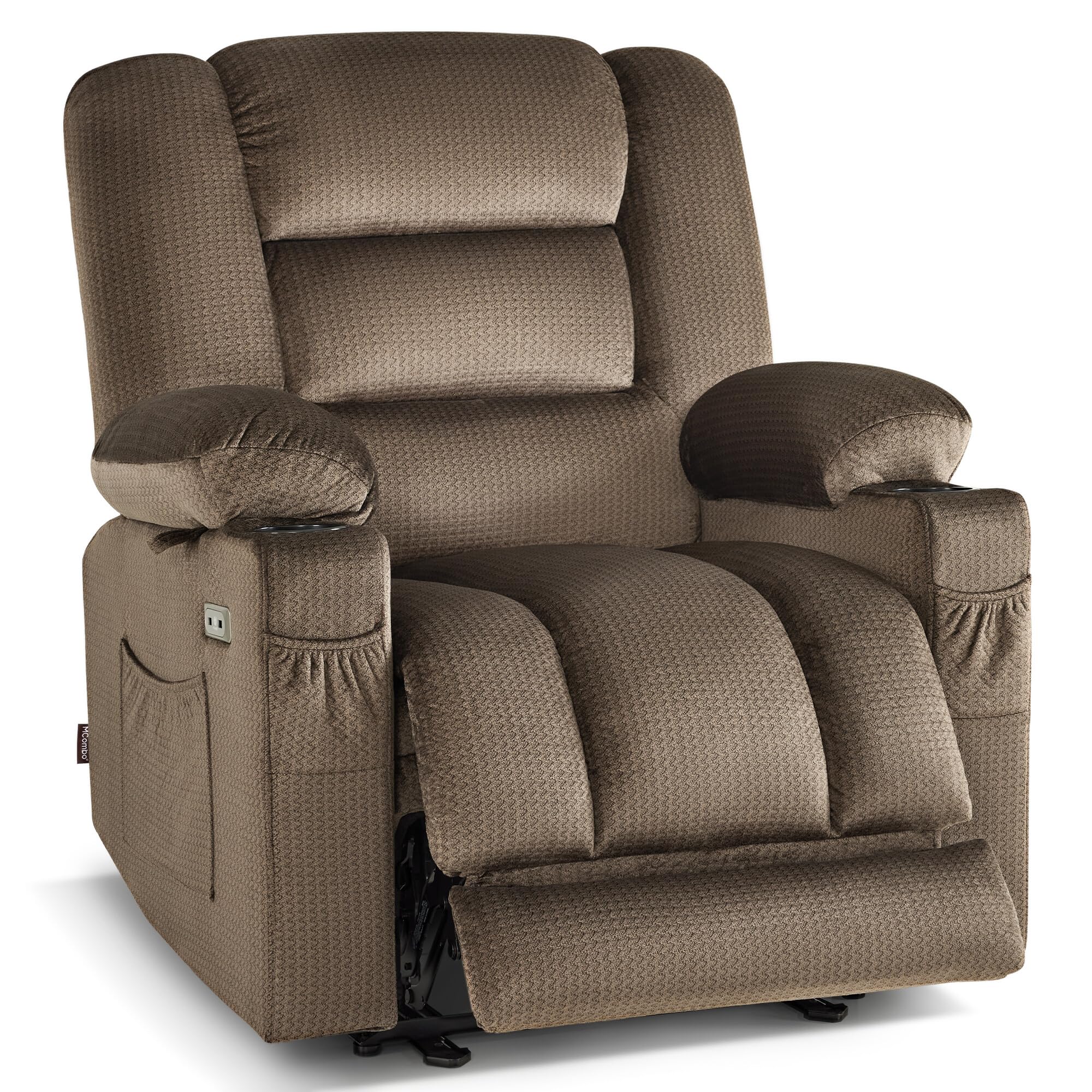
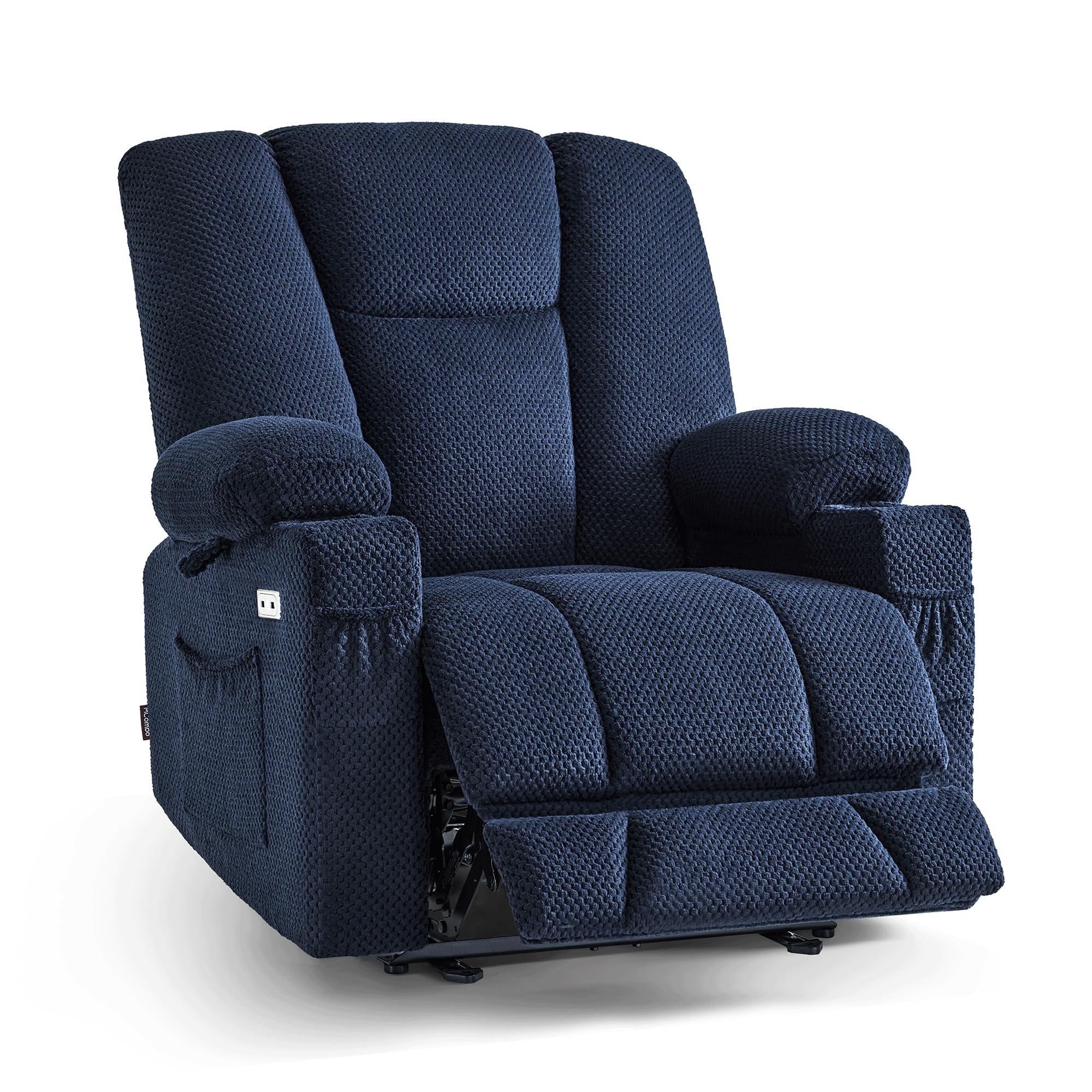
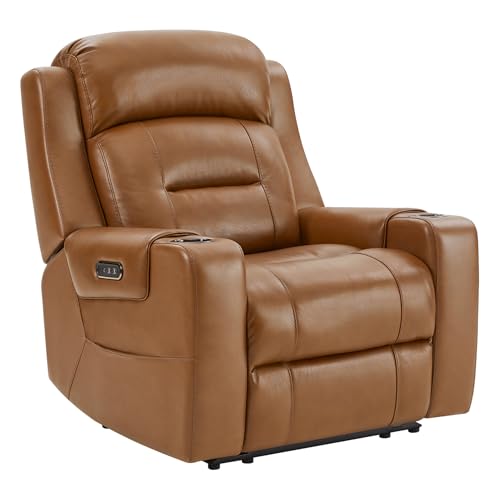
You do not need to understand every furniture term before you start. You only need a clear sense of how long you sit and how far you sit from the screen. Use the comparison table below to see how common styles differ as you read.


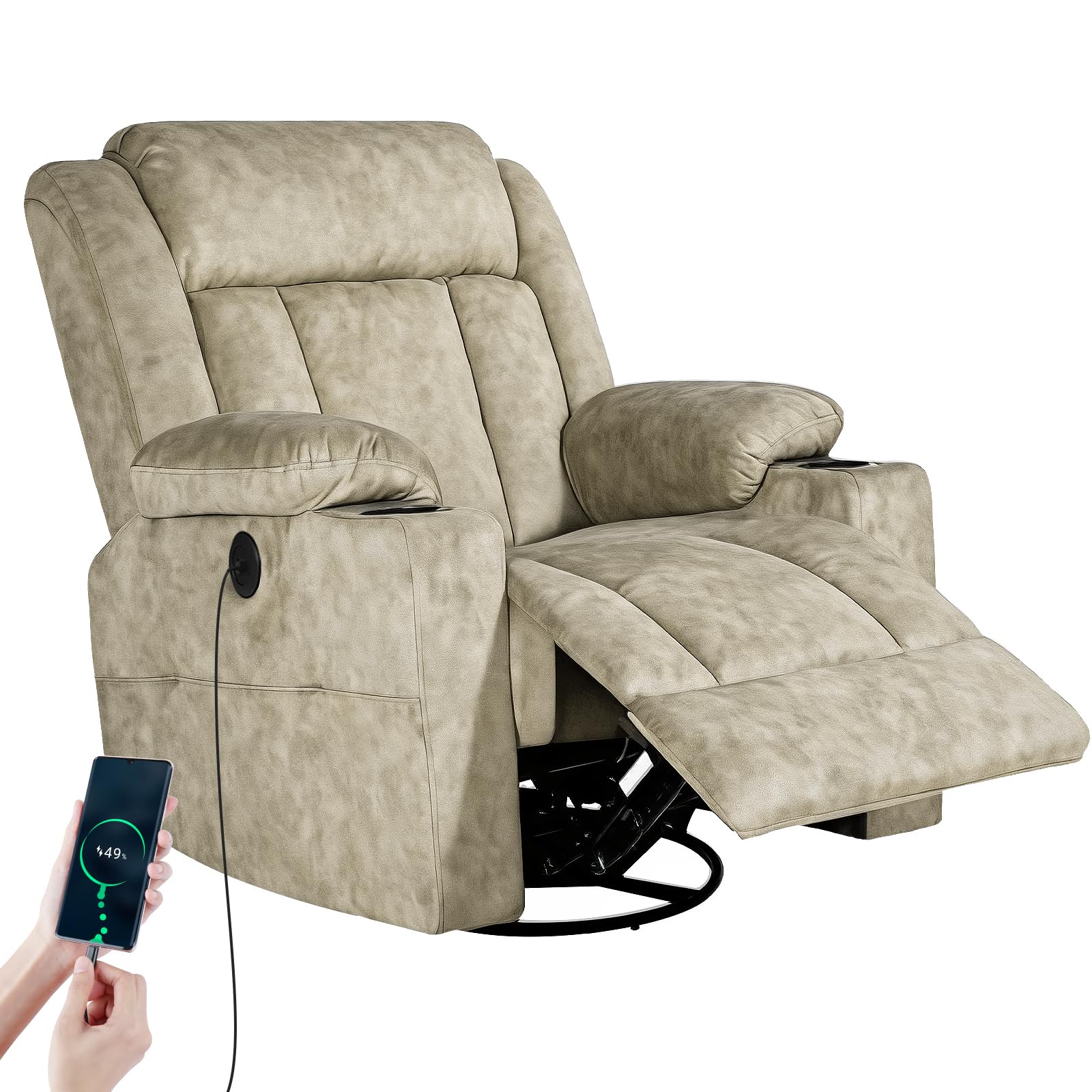
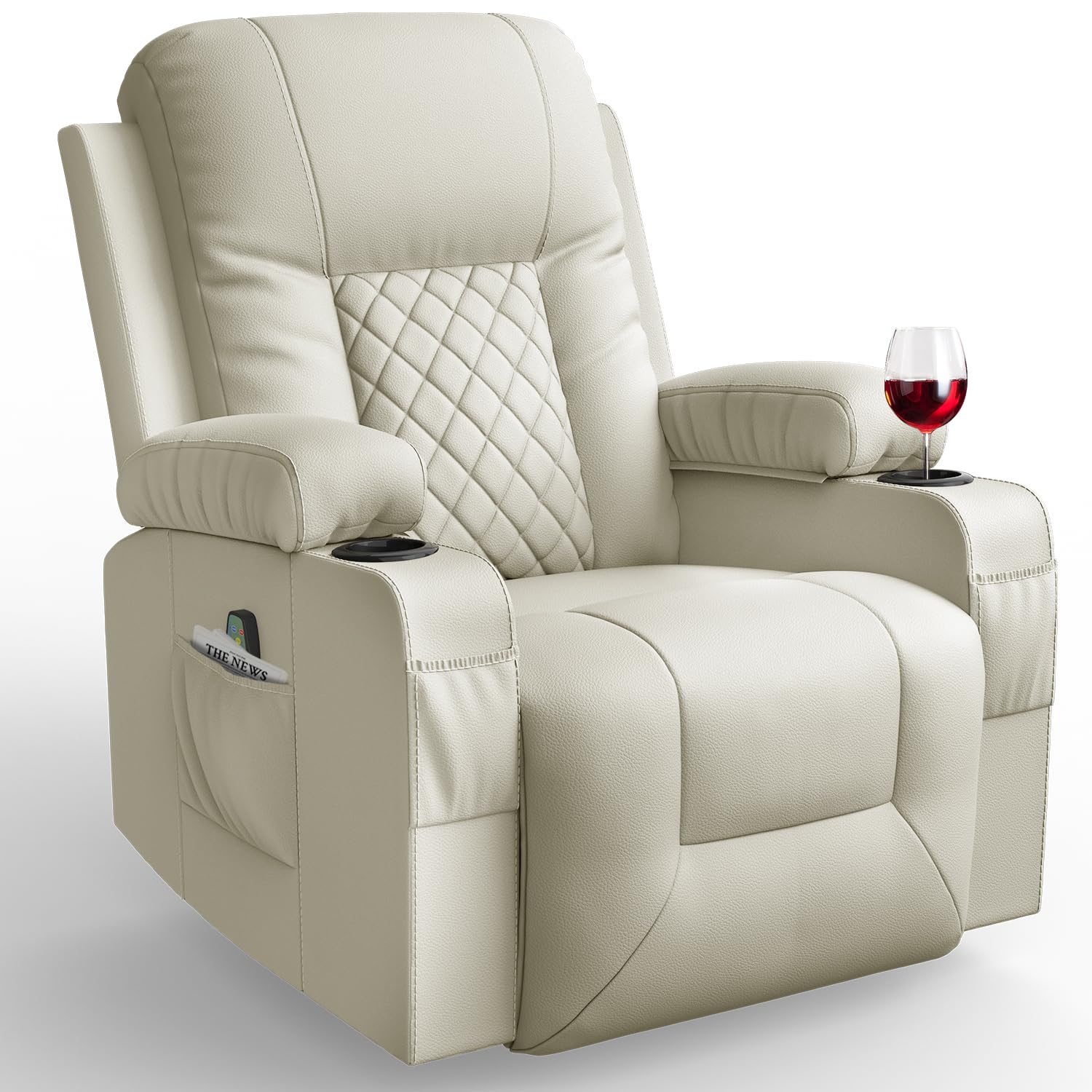

Chairs 101: The Basics for New Buyers
A TV chair has one main job. It holds your body in a relaxed, supported position while your eyes stay level with the screen for a long stretch of time. The back is usually taller than a dining chair back, the seat is deeper, and the arms sit where your forearms can rest without lifting your shoulders.
Most styles fall into a few families. Recliners lean back and often raise a footrest. Armchairs stay upright with fixed backs and work well for shorter shows. Swivel and glider chairs add gentle motion, and large cushioned styles like bean bags suit casual rooms but give less back support.
If you are comparing dedicated seating with a regular armchair, it helps to see how purpose built models differ in back height and recline range. For a closer look at that narrower category, see our guide to the best tv chairs and note which features overlap with the general styles covered here.
Who Should Buy Which Style of TV Chair?
Your viewing pattern shapes the right chair more than any single feature does. Start with one of the three groups below, then use the feature sections that follow to narrow the details.
Movie Lovers Who Watch for Hours
If a typical evening means a full film or several episodes in a row, comfort over time is your top concern. Look for a tall back that supports your head when you lean back, plus a footrest or a recline that takes weight off your lower legs. Firm cushion support matters more than a soft first sit, because very soft seats can leave your back rounded and sore.
Small Room and Apartment Viewers
In a compact room, the chair must fit twice, once closed and once fully reclined. Measure both positions before you buy, and leave walking space around the sides. Wall hugger recliners slide forward as they open, so they need less clearance behind them. A swivel armchair with a separate small ottoman can be a smarter pick, since you can move the ottoman aside for guests.
Viewers Who Split Time Between a Desk and a Screen
Some readers watch TV in a bedroom or home office where one chair has to do two jobs. In that case, an upright chair with good lumbar support and arms at desk height may serve you better on workdays than a deep recliner does. If that sounds like your setup, see our guide to the best officer chairs for the desk side of the balance, then return here for the viewing comfort points.
Key Features to Compare
When you shop for the best chairs for watching tv, a short list of features matters more than a long one. The points below are the ones that decide whether a chair still feels good a month after it arrives. Read each one with your own room measurements and viewing habits in mind.
Recline and Back Support
Recline changes where your weight rests. A small lean back opens your hip angle and eases pressure on your lower back, while a deep recline suits naps and long films but can push your chin down. Check whether the headrest area still meets the back of your head in the reclined position. Manual recliners use a lever or your body weight, while power models use a button and need a nearby outlet.
Seat Size, Height, and Depth
Seat depth is the distance from the front edge to the backrest, and it drives comfort more than overall width does. When you sit back fully, you want a small gap behind your knees, about the width of two or three fingers. Your feet should also rest flat on the floor in the upright position, so shorter viewers often need a lower seat and taller viewers need a higher one.
Cushion Feel and Upholstery
Cushions feel different after an hour than they do in the first minute. Foam that feels plush at first can bottom out under your weight, while firmer foam holds its shape and keeps your hips level. For fabric, tightly woven cloth handles daily use well and breathes in warm rooms. Leather and faux leather wipe clean after snack spills, but they can feel warm during long summer viewing.
Viewing Angle, Swivel, and Gentle Motion
Your chair and screen should work as a pair. When you sit in your normal position, the center of the screen should sit near eye level, so a very low slung chair can strain your neck with a high mounted TV. Swivel bases help in rooms where the screen is off to one side or where you turn to talk between scenes.
Room Fit and Screen Distance
Your chair and screen should work as a pair, so settle the screen position first. A wall mounted screen sits higher than one on a stand, which changes the eye level your chair must match, and a very low slung chair can strain your neck under a high mount. Sit where you normally watch and check that the center of the screen lands near eye level, both upright and reclined.
Room size matters just as much. A large screen can overwhelm a small room if your chair sits too close, and a modest screen can feel tiny from a deep recliner placed far back. Mark the reclined outline of the chair on the floor before ordering, and place it so glare from a window or lamp does not wash out the picture. If you are also choosing the display itself, see our guide to the best tvs of all time for the screen side of the pairing.
Sports fans have one extra reason to think about placement. Fast motion looks best when you sit near the center of the screen rather than at a sharp side angle, and a swivel chair makes that adjustment easy. If game day is your main use, see our guide to the best tvs for watching sports for the display traits that pair well with a centered, supportive seat.
Sound, Storage, and Practical Extras
Extras should solve a real problem in your room, not just lengthen a feature list. Cup holders help if you have no side table, and side pockets keep a remote from sliding between cushions. Built in speakers sound appealing, but a simple soundbar usually gives clearer dialogue. For late night viewing, see our guide to the best headsets for watching tv for private listening options.
Rookie Mistakes to Avoid
Most returns and regrets come from a handful of simple errors. Check your plans against this list before you order.
- Buying by looks alone, so the chair matches your sofa but leaves your head unsupported through a whole film.
- Measuring only the closed chair, so the reclined footrest hits a coffee table or a wall.
- Choosing the softest seat in the store, so the cushions flatten and your lower back aches within weeks.
- Ignoring screen height, so you spend every show tilting your head up or down.
- Forgetting the delivery path, so a wide chair cannot turn through a narrow hallway or doorway.
- Paying for extras you will not use, so the budget runs out before you cover basics like support and size.
Getting Started: Setup and First Use
When the chair arrives, place it roughly where it will live before you remove all the packing. Many recliners ship in two pieces, with the back sliding onto brackets on the base, and the join should feel firm with no wobble. Power models need the cord routed where it will not cross a walkway or get pinched when the chair reclines.
Next, set your viewing position. Sit as you normally would, recline to your usual angle, and check that the screen center sits near eye level and that your feet feel supported. If the picture looks washed out from your seat, glare from a window or lamp may be the cause, and turning the chair a few degrees often fixes it.
Small adjustments make a real difference. A thin cushion behind your lower back can help while you learn the chair, and a low footstool can stand in for a missing footrest.
How to Make Your TV Chair Last Longer
Care for a TV chair is mostly about cushions, fabric, and moving parts. Rotate and fluff loose cushions every week or two so the side you favor does not wear down first. Vacuum fabric with a soft brush tool to lift crumbs and dust from the weave. Wipe leather and faux leather with a slightly damp cloth, and keep upholstery out of long direct sunlight, which fades color.
For recliners, work the mechanism gently and avoid forcing a stuck footrest. Keep the area under the chair clear, since small objects can jam the frame as it opens. Check bolts and bracket joins every few months and tighten anything that has worked loose.
Chairs for Watching TV: Your Questions Answered
What features matter most in a chair for watching TV?
Back support, seat depth, and screen eye level matter most in a chair for watching TV. Together they decide your posture for hours at a time, which affects comfort far more than extras do. One point new buyers miss is arm height. Arms that sit too high lift your shoulders while you hold a remote, and that tension builds slowly, so check arm height against your natural resting position.
What size chair for watching TV should I get for my room?
The right size chair for watching TV leaves walking space on both sides and full recline clearance behind or in front of it. Measure your doorway and hallway turns as well, since the largest part of the chair must pass through them. A useful trick is to mark the full reclined outline on your floor with painter tape for a day. Living around the outline shows you problems that a tape measure alone can miss.
How far from the screen should a chair for watching TV sit?
Sit far enough that the whole screen fits in your view without turning your head, and close enough that you can still pick out detail. A simple method is to place the chair, settle into your usual reclined position, and watch a familiar show for a few minutes. If you keep leaning forward, move closer; if your eyes sweep side to side to follow the picture, move back. A recliner moves you backward as it opens, so test the distance in the position you will actually use.
Is a reclining chair for watching TV worth the extra cost?
A reclining chair for watching TV is worth it if you regularly watch for more than an hour at a stretch. Spreading your weight across your back and raised legs reduces the fidgeting that breaks your focus during long films. It is less worthwhile in a room you also use for frequent guests, where a fixed armchair seats visitors more naturally.
What is the difference between an accent chair and a dedicated chair for watching TV?
The main difference is design intent, since an accent chair is chosen largely for looks while a dedicated TV chair is shaped around long sitting. Accent chairs often have lower backs, firmer thin cushions, and arms placed for appearance rather than support. That does not make them a bad choice for short shows or news.
How long do chairs for watching TV usually last?
Chairs for watching TV usually last several years of daily use, with cushions and moving parts wearing first. Foam slowly softens, fabric thins where hands and heels rub, and recline mechanisms loosen with heavy use. You can often extend the life of a sound frame with replacement cushions or a repaired mechanism. When the frame itself creaks, twists, or leans under normal weight, replacement is usually the safer and better value choice.
Final Thoughts
Choosing well comes down to three checks. Match the seat size and back support to your body, match the chair footprint and eye level to your room and screen, and skip extras until those basics are covered. The product table above gathers the styles discussed here in one place, so you can compare sizes and features side by side. Take your time, measure twice, and the best chairs for watching tv choice for your home will feel clear rather than rushed.


