
Best Chairs for Tulip Table: Matching the Right Model to Your Routine for 2026
Disclosure: We may earn a commission when you buy through links on this page, at no extra cost to you. As an Amazon Associate I earn from qualifying purchases. Learn more
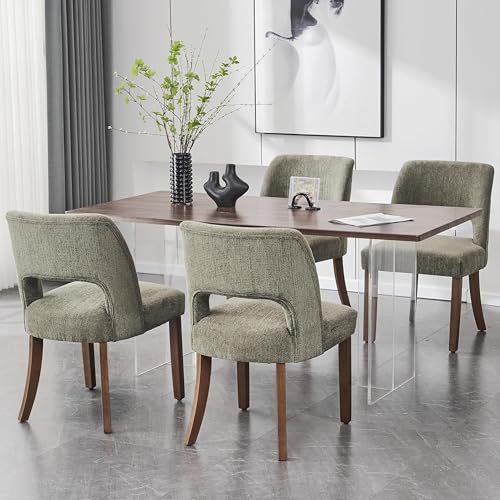
Not all chairs fit every routine. See which best chairs for tulip table match how you actually use them, what features to prioritize, and what to skip.
A tulip table asks more of its chairs than a standard four legged table does. The single pedestal base frees up leg room, but it also sets strict limits on chair width, arm height, and how many seats can fit around the top. The best chairs for tulip table setups are the ones matched to your routine, not the ones with the longest feature list.
This guide skips the idea of one winner for everyone. Instead, it walks through who each chair style suits, the measurements that decide fit, and the comfort details that matter at a pedestal table. Start with the comparison table below, then use the sections that follow to narrow your shortlist by how you actually eat, work, and host.


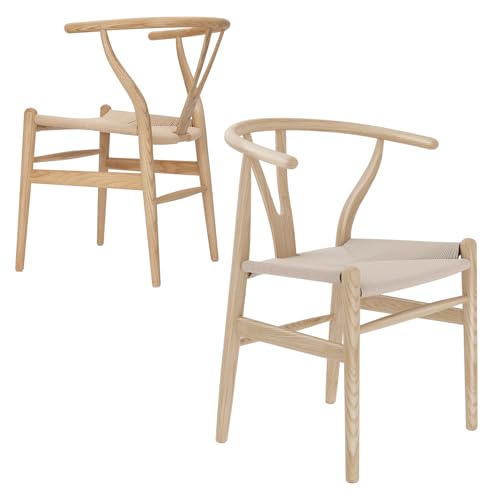

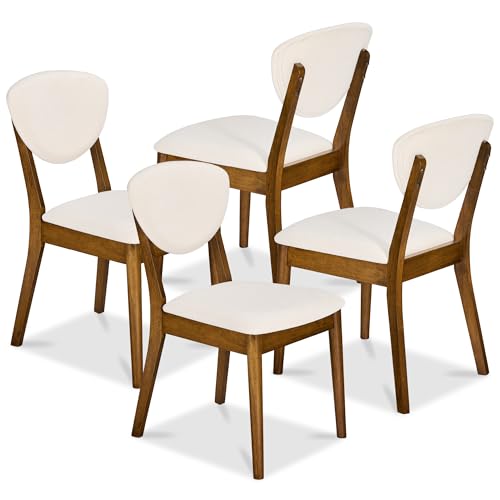

Who Should Buy Which Chairs for a Tulip Table?
Your routine decides the right chair long before style does. A chair that feels great for a slow Sunday breakfast may annoy you during nightly family dinners with kids climbing in and out. Match the groups below to your own habits first, then check the measurements in the features section.
Gift Shoppers Buying for Someone Else
When the chair is a gift, your goal is a safe, broadly comfortable choice that suits a table you may not have measured yourself. Armless or low arm designs in neutral upholstery are the least risky, because they slide under almost any tabletop and blend with most dining rooms. Prioritize a published weight capacity of at least 250 pounds, a seat height near 18 inches, and a clear return policy. If the recipient hosts often, a set of four matching chairs is usually more useful than two statement pieces.
Hosts and Daily Users Who Want the Best Performance
If your table hosts long dinners, game nights, and holiday meals, performance means comfort that holds up for two or three hours at a stretch. Look for sculpted back support, high density foam that does not flatten quickly, and a sturdy frame that stays quiet when guests shift around. A gentle swivel can help people settle in around a round top without scraping the floor. You will pay more, often about $150 to $300 per chair, but guests actually linger in these seats.
First Time Buyers Furnishing a First Dining Space
For a first apartment or a first owned home, simple and forgiving beats fancy. Molded shell chairs and basic upholstered side chairs are light, easy to move for cleaning, and kind to a tight budget, often under $100 each. They also pair naturally with the clean lines of a pedestal table. If you are still deciding between a full matching set and buying pieces one at a time, see our guide to the best table and chairs for how bundled sets compare on price and sizing.
Key Features to Compare
Spec sheets rarely tell the whole story at a pedestal table. When you compare the best chairs for tulip table candidates, four checks decide the outcome: seated comfort, cushioning, fit around the central base, and how much assembly and upkeep each design asks of you.
Ergonomics and Adjustability
Dining chairs offer far less adjustment than desk chairs, so the fixed geometry has to be right from the start. Most tulip tabletops sit about 28 to 29 inches high, and a seat height of 17 to 19 inches leaves comfortable room for your legs and a plate in front of you. Ergonomic models shape the back with a gentle lumbar support curve, which keeps your lower back from tiring during long meals even without levers or knobs.
You will not find tilt lock mechanisms or adjustable armrests on most chairs for tulip table pairings, and that is fine for meals that last an hour or two. If your tulip table doubles as a full time work desk, though, dining chairs are the wrong tool for eight hour days. In that case, see our guide to the best officer chairs for seating built around long work sessions.
Comfort and Cushioning
Cushioning decides whether a chair feels welcoming at minute five and still feels fine at minute ninety. High density foam, roughly 1.8 pounds per cubic foot or higher, resists the flattened, board like feel that cheap foam develops within a year. A slightly dished or waterfall front seat edge also helps, because it reduces pressure on the backs of your thighs while you sit at the table.
Bare molded shells and wooden seats sit at the other end of the scale. They are easy to wipe clean and fine for quick breakfasts, but most people want a seat pad for longer sittings. Breathable upholstery or a mesh back panel can help in warm rooms. Match the padding level to your longest typical meal, not your shortest.
Features That Matter Most Around a Pedestal Base
The pedestal base changes the math on width. There are no corner legs to dodge, so chairs can pull in closer, but the round base itself takes up floor space in the middle. Allow about 24 inches of table edge per person, which means a 42 inch round top seats four comfortably and five only with slim chairs around 17 to 18 inches wide. Measure your chair at its widest point, including any flare in the back legs.
Arms are the second fit check. An armchair only works if the arm height, usually 24 to 26 inches from the floor, clears the underside of the top with room for your fingers. Armless chairs always slide fully in, which matters in small dining nooks. Finally, check that chair feet will not collide with the pedestal base when pushed in, since wide splayed legs and a broad round base often compete for the same floor space.
Assembly and Delivery
Most chairs in this category arrive partly assembled, with the seat, back, and legs or base packed flat. Typical assembly runs 10 to 20 minutes per chair with an Allen key, and the main risk is tightening one side fully before the others are started, which can leave the chair rocking. Work on carpet or a blanket so finished surfaces do not pick up scratches from the floor.
Check the delivery details before you order a full set. A set of four or six chairs can arrive in several boxes on different days, and rural or upstairs delivery sometimes costs extra. Confirm the return window as well, because the honest test of any chair is sitting in it at your own table. Keep the boxes until you have sat in every chair and confirmed none of them wobble.
Common Mistakes to Avoid When Buying Chairs
- Choosing by price or looks alone, so the chairs arrive too wide for the tabletop and crowd each place setting.
- Skipping the arm height check, so armchairs stop several inches short of the table and leave you perched too far from your plate.
- Buying six chairs for a small round top, so elbows clash and guests cannot pull in around the pedestal base.
- Ignoring the stated weight capacity, so a frame rated for light occasional use faces daily family duty and loosens early.
- Forgetting floor protection, so bare chair feet scrape hardwood every time someone sits down or stands up.
- Ordering a full set without sitting in one chair first, so a back angle that suits nobody becomes a costly return.
Care and Maintenance Tips
Chairs paired with a pedestal table live a busy life, getting pulled in, pushed back, and swiveled dozens of times a week. Every few months, flip each chair over and snug up the leg and seat bolts with the original Allen key, working in small turns so the frame stays square. Stop as soon as the bolt feels firm, because overtightening can crack molded shells and strip the threads in wooden legs.
Vacuum upholstered seats with a soft brush attachment every couple of weeks, and blot spills right away instead of rubbing them deeper into the weave. Molded plastic and lacquered wood only need a damp cloth and mild soap. Add felt pads under every foot and replace them when they wear thin, since grit caught under a pad acts like sandpaper on wood floors. Once a year, check swivel bases and glides for wobble, and keep chairs out of harsh direct sun where you can, because strong light fades fabric and dries out wood finishes over time.
Families should also think about who is sitting down. Small children often do better at their own scaled seating than boosted onto adult dining chairs, so if meals regularly include toddlers, see our guide to the best children's table and chairs for safer proportions. If your pedestal table lives on a patio, indoor upholstery will not last, so see our guide to the best patio table chairs for weather ready materials, and our guide to the best outdoor table and chairs for full outdoor dining sets.
Chairs for a Tulip Table: Your Questions Answered
What features matter most in chairs for a tulip table?
Seat height, chair width, and arm height matter most in chairs for a tulip table. A seat around 18 inches high pairs well with a standard tabletop, slim widths near 17 to 19 inches let four people share a 42 inch top, and arms must clear the underside of the top. One point buyers often miss is foot clearance, so confirm the chair legs will not knock against the round pedestal base when the chair is pushed fully in.
Are expensive chairs for a tulip table worth the money?
Expensive chairs for a tulip table are worth it when you sit in them daily and host often. Higher prices usually buy denser foam, stronger joinery, and better finished upholstery that resists pilling. The extra value shows up around year three or four, when budget chairs often start to creak or sag. If the table is mostly decorative or used twice a month, mid priced chairs deliver nearly the same experience for far less.
How do I choose the right chair size for a tulip table?
Start with your tabletop diameter and allow about 24 inches of edge per seat to choose the right chair size for a tulip table. Then measure the space from the floor to the underside of the top, and keep arm height at least 2 inches below that number. A useful extra check is seat depth. Depths of 16 to 18 inches suit most adults, while much deeper seats push shorter diners away from their plates and leave their feet dangling.
How long should chairs for a tulip table last?
Chairs for a tulip table should last about 7 to 10 years in regular family use when the frame is solid wood, metal, or quality molded material. Upholstery usually shows wear first, especially at the front edge of the seat where hands and clothing rub daily. One early warning sign is a chair that needs its bolts tightened every few weeks, which suggests the joints are wearing rather than simply settling. Replacing felt pads and re covering a seat are cheap ways to extend that lifespan.
What chair features matter most for long dinners at a tulip table?
A supportive back angle matters most for long dinners at a tulip table, since guests lean back between courses rather than sitting upright the whole time. A back that reclines very slightly, with padding or shaping at the lower back, keeps conversation comfortable for hours. Armrests at the right height also help during long sittings, giving shoulders a rest between courses. Avoid very upright, hard backed chairs for dinner parties, however pretty they look in photos.
The Bottom Line
Fit comes first at a pedestal table. Confirm the seat height, chair width, and arm clearance against your tabletop, then choose cushioning and back support that match your longest typical meal. Gift buyers and first time buyers can keep it simple with slim armless designs, while daily hosts get real value from denser foam and sturdier frames.
Use the product table above to compare the best chairs for tulip table options against those measurements, and sit in one chair before committing to a full set whenever you can. When the numbers fit your table and the comfort fits your routine, the chairs disappear into the meal, which is exactly what good dining seating should do.


