
Best Chairs for Training Room: Everything to Know Before Your First Purchase for 2026
Disclosure: We may earn a commission when you buy through links on this page, at no extra cost to you. As an Amazon Associate I earn from qualifying purchases. Learn more

Shopping for the best chairs for training room for the first time? Learn the terms, compare options, and avoid rookie mistakes with this easy guide.
Buying seating for a training space feels different from buying one chair for yourself, because dozens of people with different bodies will use the same chairs week after week. This guide to the best chairs for training room starts with the plain basics, then explains each spec in simple language so you know what to measure, test, and skip.
Work through the sections in order and keep notes for your room as you go. Use the comparison table below to see how common chair styles line up once you know which features matter for your sessions.


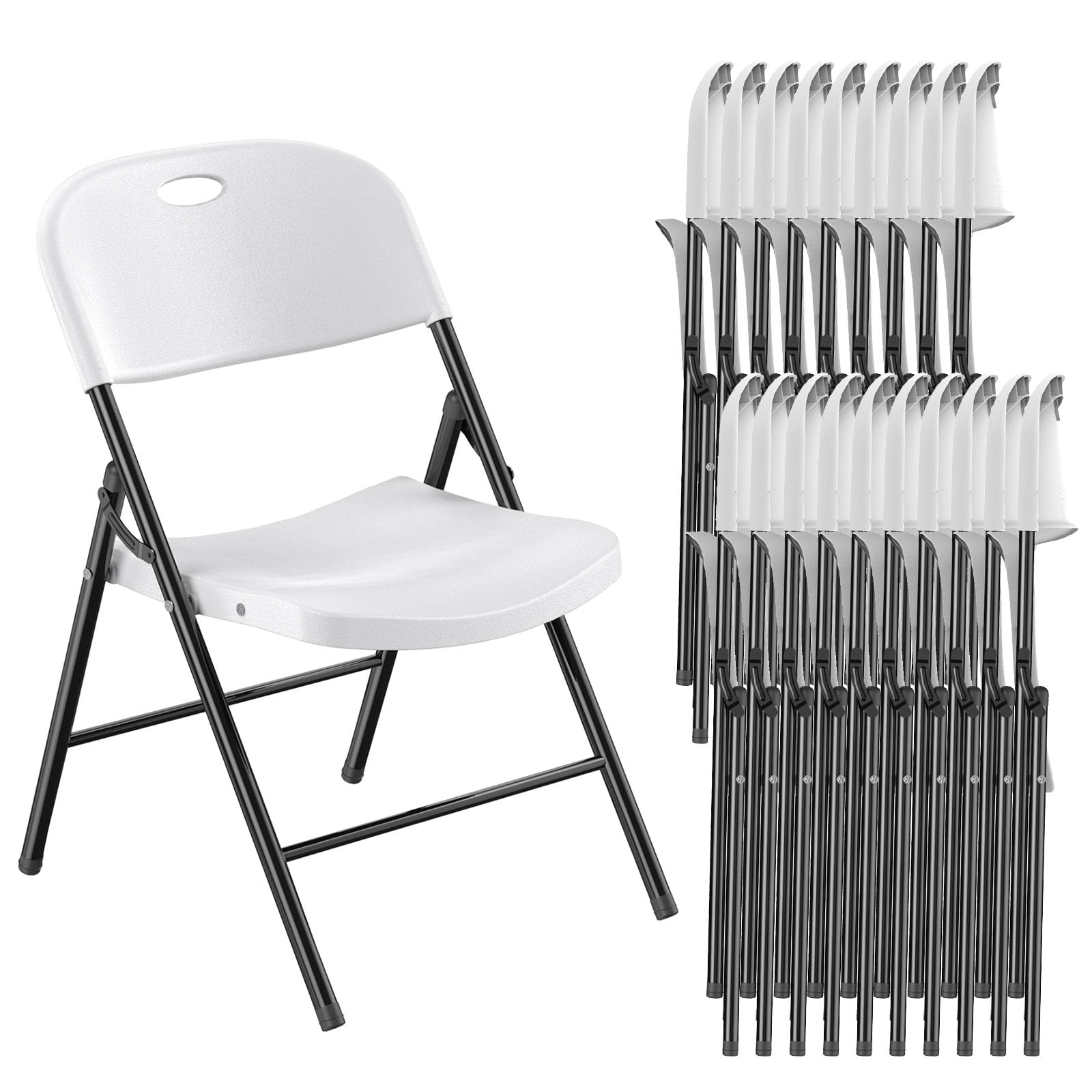

Chairs 101: The Basics
A training room is a shared learning space where groups gather for classes, workshops, onboarding, and team presentations. Sessions can last one hour or stretch across a full day, and the layout often changes between groups. Chairs here get moved, stacked, and rearranged far more often than chairs in a private office. That heavy shared use shapes every buying decision in this guide.
Unlike a desk chair assigned to one person, a training chair must suit many sitters without much adjustment between users. It should feel stable the moment someone sits down, support an upright posture for listening and writing, and move out of the way quickly when the room resets. If your space serves several purposes beyond training, see our guide to the best room chairs for broader layout ideas.
Most models fall into two broad families. The first includes stacking and nesting chairs on four legs or a sled base, built to store in a small footprint. The second includes mobile chairs on casters, sometimes with a small writing surface, built to roll between group work and lecture layouts.
Seat height and seat width describe the sitting surface, while weight capacity tells you the maximum load the frame is rated to hold. Stack height describes how many chairs store safely in one pile, and glides are the small pads under the legs that protect your floor. Later sections explain each term in detail, one at a time.
Key Specs Explained in Plain English
Spec sheets look technical, but each line answers a practical question about comfort, storage, or durability. A simple way to judge the best chairs for training room listings is to work through the six parts below in order.
Features That Matter for Training Room Use
Training spaces reward chairs that are light enough to move, strong enough for daily handling, and simple to store. Look for compact space saving models if your storage closet is small, because nesting chairs flip their seats up and roll together in a tight row. Check whether chairs can link in neat rows for lectures, since loose chairs drift and create messy aisles.
Weight matters more than many first time buyers expect. A chair one person can lift and stack without strain speeds up every room reset and reduces dropped chairs and scuffed walls. Steel frames tend to handle frequent stacking well, while molded plastic shells wipe clean quickly after spills.
Ergonomics and Adjustability
An ergonomic training chair supports the back and lets sitters shift position during long sessions. Lumbar support, meaning a gentle curve or flexible panel at the lower back, helps people sit upright without slouching toward the table. A mesh back allows air to flow and feels cooler on warm afternoons, while a padded back can feel softer in a cool room.
Adjustability on training chairs is usually simpler than on desk chairs. Some mobile models offer a lift for seat height and a tilt lock that holds the back at a set angle or lets it recline slightly. Adjustable armrests help sitters rest their forearms, but wide arms may stop chairs from tucking under tables or nesting for storage. For the presenter seat at the front, which one person uses all day, see our guide to the best officer chairs for a more adjustable option.
Warranty and Return Policy
Warranty terms reveal how long a maker expects each part to last. Frame coverage is often the longest, because a sound frame should serve for years of normal use. Parts that move or wear, such as a gas lift, casters, glides, and upholstery, usually carry shorter coverage. Read which parts are covered, for how long, and whether replacement parts ship free or at your cost.
Returns matter just as much when you order in quantity. Order one sample chair first when the seller allows it, sit in it for a full session, and test stacking and storage before you commit to a full room. Confirm the return window, who pays return shipping, and whether assembled chairs can go back. A clear sample plan protects you far better than a slightly lower price on an untested chair.
Assembly and Delivery
Training chairs arrive in several ways. Some ship fully assembled in multipacks, some need only legs or casters attached, and mobile models may need the base, lift, and seat joined in steps. Check the listing for chairs per box, tools included, and clear pictured instructions. Assembly that looks quick for one chair adds up fast across thirty chairs, so plan staff time for the full order.
Delivery details deserve the same attention as the chairs. Large orders may arrive by freight on a pallet rather than in small parcels, and your building may need a loading area or a drop off appointment. Measure doorways, elevators, and the storage closet before the truck arrives, because a pallet that cannot reach the room creates instant chaos. Keep hardware and spare glides from each box in a labeled bag.
Style and Room Fit
Style choices should follow the room and its tables, not just your taste. Seat height must pair with table height so knees clear the table edge and forearms rest at a natural angle for writing. Colors that match or calmly contrast with the walls help the room feel orderly in person and on video calls. Dark colors hide scuffs between cleanings, while light colors can make a small room feel larger.
Leave aisles wide enough for a person with a bag to pass behind seated guests, and keep a clear sight line to the screen from every seat. If you are also furnishing a break area where people eat, see our guide to the best dining room chairs instead of using training chairs there. For a lounge corner where guests wait before a session, see our guide to the best sitting room chairs for softer seating.
Premium executive models can dress up a client facing training space, but they often cost more, weigh more, and store less easily than simple stacking models.
Comfort and Cushioning
Cushioning decides how a chair feels in hour three, not just minute three. High density foam holds its shape and support longer than soft, low density foam, which can flatten and leave sitters feeling the hard shell beneath. A seat with a gently sloped front edge reduces pressure behind the knees during long classes.
Back comfort works alongside the seat. A slightly flexible back lets sitters lean and shift without feeling locked in place, while a rigid back can feel tiring over a full day. Have people of different sizes test a sample chair for one full session, and ask about the last half hour rather than the first impression.
Rookie Mistakes to Avoid
First time buyers tend to make the same handful of errors, and most surface only after the full order arrives. Read this list before you buy, not after.
- Buying on unit price alone and ignoring delivery, assembly, and storage costs, which raises the true cost of the whole room.
- Ordering a full set without testing one chair through a complete session, which leaves discomfort undiscovered until every seat shares the problem.
- Choosing wide arms or bulky bases that cannot tuck under your tables or nest for storage, which wastes floor space every day.
- Ignoring the stated weight capacity and your floor type, which leads to wobbly chairs, worn casters, and scratched surfaces.
- Filling every inch of the room with chairs and leaving no aisle space, which makes entry, exit, and group work awkward and slow.
- Mixing chair styles from several small orders, which creates a mismatched room and makes stacking and replacement harder later.
Getting Started: Setup and First Use
Start by unboxing in the storage area rather than the training room, so packaging stays out of your aisles. Inspect each chair for cracked shells, bent legs, and missing glides before you assemble anything. Attach legs, casters, or bases following the printed steps, and tighten each bolt firmly without forcing it past snug.
Set the layout next, before your first group arrives. Arrange a test row, sit in the back seat, and check the view of the screen, the leg room, and the space behind your chair. Adjust seat height so feet rest flat on the floor on any model with a lift, with knees at about a right angle.
Care for this exact product is simple and quick. Wipe shells and upholstery with a damp cloth and mild soap after spills, and let fabric dry fully before stacking. Tighten bolts every few months, because repeated stacking and moving slowly loosens hardware. Store stacks at or below the height the maker states, on a flat floor, so frames stay straight.
Frequently Asked Questions
What features matter most in chairs for a training room?
The features that matter most in chairs for a training room are easy storage, durable frames, and comfort that lasts a full session. Beyond those basics, consider a small tablet surface on some models if your room has no tables, because it gives note takers a place to write.
How do I choose the right size for training room chairs?
Choose the right size for training room chairs by matching seat height to your tables and seat width to your guests. Most adults sit comfortably when their feet rest flat and a small gap remains behind the knees. Also measure the underside of your tables, because a low support bar can steal leg room even when the tabletop height looks fine on paper. A slightly wider seat serves a mixed group better than a narrow one.
Is an expensive training room chair worth the extra cost?
An expensive training room chair is worth the extra cost only when your room hosts frequent, long sessions. Think in terms of cost per use, because a sturdy chair used many times a year earns back its price through comfort and low replacement needs. For a room used a few times a month, a modest chair with a sound frame is usually the smarter spend.
How long should a good training room chair last?
A good training room chair should last several years of regular group use when it is stored and handled with care. Lifespan depends heavily on how often chairs are stacked, dragged, and moved between rooms. Watch for true end of life signs, such as a cracked shell, a frame that no longer sits level, or foam that stays flattened after use. Retire chairs at that point, because a failing chair can tip under a guest.
What features matter most for training room chairs used for long hours?
For training room chairs used for long hours, supportive back shaping and a seat that spreads pressure evenly matter most. A breathable back helps, and so does a seat that lets sitters change position without standing up. One point buyers often miss is scheduling, because short standing breaks every hour or so do more for comfort than any single chair feature. Pair sensible session planning with supportive seating and guests stay alert far longer.
The Bottom Line
Start with how your room actually works, including session length, layout changes, and storage space, and let those facts rank the specs above price. Use the product table above to compare styles against your notes on stacking, comfort, and frame strength. When you choose the best chairs for training room for your own space, order a sample first, test it through a full session, and then buy the full set with confidence.


