
Best Chairs for Therapists for 2026: A Buying Guide
Disclosure: We may earn a commission when you buy through links on this page, at no extra cost to you. As an Amazon Associate I earn from qualifying purchases. Learn more
Learn how to choose chairs for therapists: seat support, adjustability, cushioning, size, and materials that suit long sessions in a therapy office.
A therapy session asks a lot of a chair. You sit for long stretches, lean forward to listen, shift to take notes, and then welcome the next client into the same room. The best chairs for therapists support that rhythm without distracting you or your client, and the comparison table below gives a quick side by side view of the main types before you read the detail.
This guide compares chair types, features, and budgets for therapy work. It covers what matters in a session room, what to check before ordering, and the mistakes that lead to sore backs and early replacements.



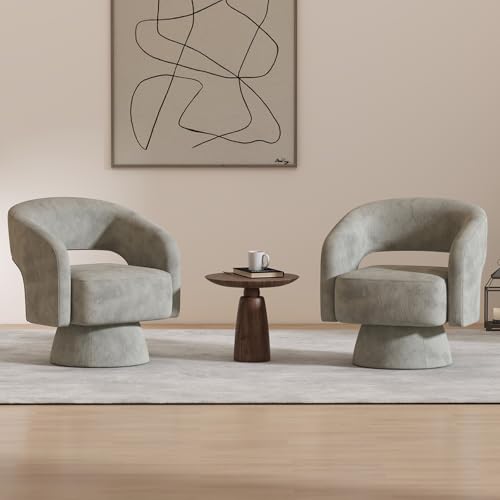
Who Should Buy Which Chair for Therapy Work
Talk Therapists in a Dedicated Session Room
If you see clients in the same room all day, comfort and quiet movement matter most. Look for smooth rolling casters that do not squeak on your floor, a seat that keeps your feet flat, and a backrest that supports long listening postures. A calm, neutral look also helps the room feel settled rather than clinical, so muted fabric or leather tones usually work better than bright colors.
Therapists Who Move Between Rooms
Some therapists share space or rotate between offices, schools, and clinics. In that case, a lighter chair with a simple height adjustment is easier to reset for each setting. Check that the chair fits through standard doorways and under different desks, and that the adjustment levers are easy to find without a manual.
Therapists in a Shared or Group Practice
When several therapists use the same chairs, durability and easy cleaning move to the front of the list. Stain resistant fabric or wipeable upholstery stands up to heavy daily use, and a sturdy frame with a generous weight capacity suits a wider range of users. Choose a style that looks at home in every office in the practice, not just one.
Key Features to Compare
Features That Matter for Therapists
Therapy work is mostly seated, attentive work, so the chair must support an upright but relaxed posture for 45 to 60 minutes at a time. Prioritize a backrest that follows the natural curve of the lower back, a seat edge that does not press into the backs of your thighs, and armrests that let your shoulders stay down. These three points decide whether you finish the day focused or stiff, so test them before you worry about extras.
Ergonomics and Adjustability
Seat height, lumbar support, armrest position, and tilt control are the adjustments that matter most. Seat height should let your feet rest flat with knees near a right angle. Lumbar support should sit at belt level and stay in place when you lean back.
Armrests that move up, down, and inward help you get close to a desk or a client chair without hunching. A tilt lock lets you hold a slightly reclined listening posture without drifting backward. For a closer look at adjustable office seating, see our guide to the best office task chairs.
Comfort and Cushioning
High density foam holds its shape longer than soft, low density padding, which tends to flatten within months of daily use. A seat that is firm at first often breaks in to a comfortable level, while a very soft seat can feel good in a shop and sag by the end of a long week. Seat depth matters too: if the seat is too deep, shorter therapists slide forward and lose back support, and if it is too shallow, taller therapists feel perched on the edge.
Materials and Upholstery
Mesh backs breathe well in warm rooms and suit therapists who run warm during sessions. Fabric seats feel warmer and quieter, and they come in the widest range of colors for a home like office. Leather and faux leather wipe clean easily, which helps in shared practices, but they can feel sticky in summer and cold in winter. Check how the maker describes cleaning, since a chair that needs special care may not suit a busy practice.
Size, Dimensions, and Weight Capacity
Measure your room before you order, not after. Leave room to roll back from a desk and to turn toward a client chair without hitting a wall or a side table. Check the seat width, the overall footprint with casters, and the stated weight capacity, and compare those numbers with the heaviest person who will use the chair. A chair rated well above your needs usually has a stronger frame and a smoother gas lift, which pays off over years of daily use.
Assembly and Delivery
Most office chairs arrive in one box and need 20 to 45 minutes of assembly with basic tools. Look for clear instructions, labeled parts, and a base and gas lift that fit together without force. If you run a busy practice, a chair that arrives mostly assembled can be worth a higher price, since it saves an evening of work and reduces the chance of a misaligned part. Keep the packaging until you have sat in the chair for a few days.
Warranty and Return Policy
Frame and gas lift coverage tells you how much faith the maker has in the chair. A longer frame warranty usually signals stronger materials, while short coverage on moving parts is common even on solid chairs. Read the return terms before ordering, especially the return window and whether return shipping is covered, so a chair that does not suit your room can go back without a costly surprise.
Types of Chairs for Therapy Offices
Budget Models
Budget chairs suit a new practice or a spare room where the chair sees only a few sessions a week. They usually offer height adjustment and basic back support, but fewer fine adjustments and thinner cushioning. Expect to replace them sooner under heavy daily use, so weigh a low price against a shorter useful life.
Ergonomic Models
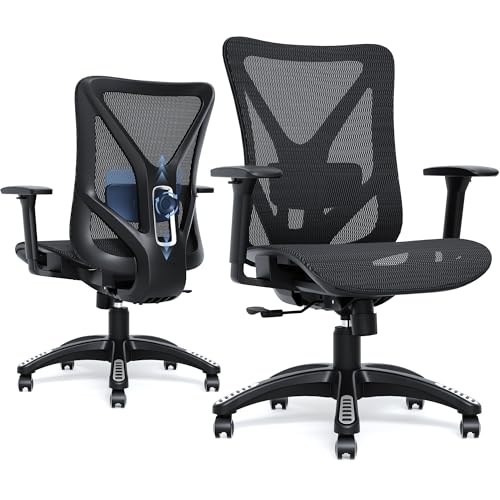
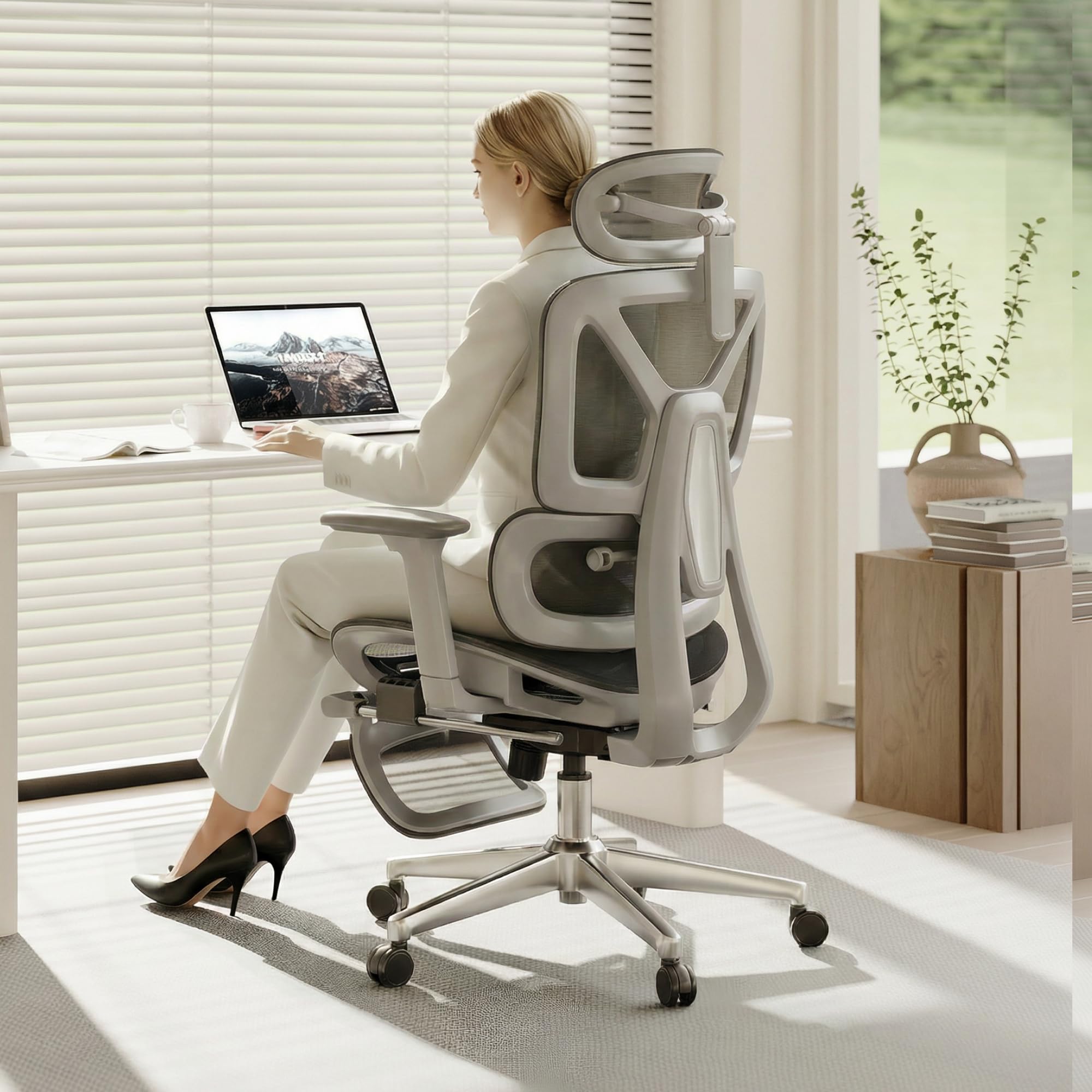
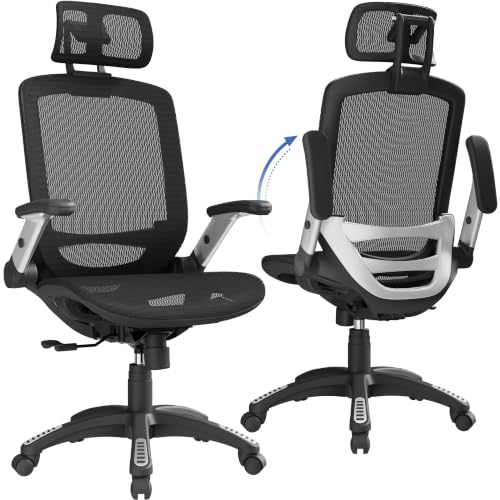
Ergonomic chairs are built around adjustment: seat height, seat depth, lumbar position, armrest movement, and tilt control. They suit therapists who sit all day and want to fine tune the fit rather than accept a fixed shape. They cost more than budget chairs, but the range of adjustment often makes the difference between a chair you tolerate and a chair you forget about during sessions.
Premium and Executive Models
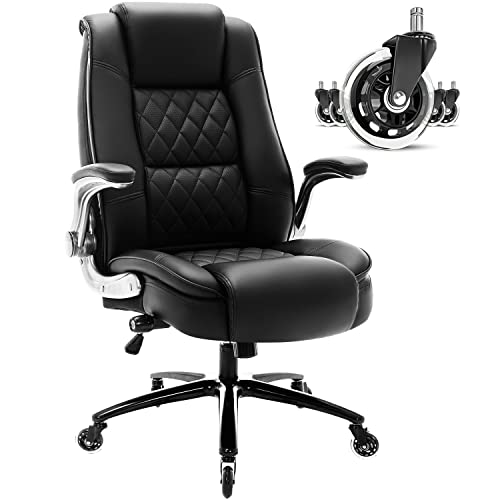
Premium chairs add thicker cushioning, stronger frames, and more refined materials, and they often look more at home in a formal office. They suit established practices where the chair is a long term investment and where clients notice the room. For a broader comparison of well built seating, see our guide to the best quality chairs. The extra cost buys durability and finish more than a new kind of support, so buy premium for build quality, not for a promise of better therapy.
Choosing a Chair for Your Situation
Best Ergonomic Chairs for Therapists
An ergonomic chair earns its place in a therapy office through fit, not through a label. Look for lumbar support you can move to your belt level, armrests that adjust inward so you can sit close to a client, and a tilt control that holds a relaxed listening angle. Seat depth adjustment is the feature most buyers overlook, yet it decides whether the backrest actually meets your back. If you share the chair with a colleague, quick lever adjustments matter more than a long list of settings.
Common Mistakes to Avoid
- Buying on looks alone, which leaves you with a stylish chair that hurts after an hour of sessions.
- Skipping the room measurement, which leads to a chair that cannot roll back or turn freely.
- Ignoring weight capacity, which shortens the life of the frame and the gas lift.
- Choosing the softest seat in the shop, which often sags fastest under daily use.
- Forgetting to check the return window, which turns a poor fit into a costly mistake.
How to Make Your Chair Last Longer
- Adjust seat height so your feet rest flat, which reduces strain on the frame and on your posture.
- Tighten bolts every few months, since daily rolling slowly loosens fittings.
- Vacuum or wipe upholstery regularly to keep dust and spills from settling into the fabric.
- Keep leather out of direct sunlight to slow fading and drying of the surface.
- Roll on a mat if your floor is hard, which protects both the casters and the floor finish.
Chairs for Therapists: Your Questions Answered
What features matter most in chairs for therapists?
Adjustable lumbar support, seat height, and armrests matter most, because they let you hold a relaxed, upright posture through long sessions. A seat edge that does not cut into your thighs and casters that roll quietly across your floor come next. Beyond those basics, choose upholstery that suits your cleaning routine and a style that keeps the room calm. A chair with many settings you never touch is no better than a simpler chair that fits you well.
How long should a good chair last?
A well built office chair used daily often lasts about five to eight years before cushioning or moving parts wear noticeably. Lighter use in a spare room can stretch that further, while shared use in a group practice can shorten it. Signs it is time to replace a chair include a gas lift that sinks, a backrest that no longer holds its angle, and foam that stays compressed after you stand. Keeping bolts tight and upholstery clean helps a good chair reach the upper end of that range.
How do I choose the right size?
Start with seat height: with shoes on, your feet should rest flat and your knees should sit near a right angle. Then check seat depth by sitting fully back; you should fit about two fingers between the seat edge and the backs of your knees. Measure the room too, leaving space to roll back and turn. If several people share the chair, favor a wide adjustment range over a fixed size that fits only one person well.
Is an expensive chair worth it?
A higher price is worth it when it buys a stronger frame, denser foam, and a wider range of adjustment that you will actually use. It is not worth it for finish alone if a mid priced chair already fits your body and your room. Compare the warranty on the frame and gas lift, since that often reveals the real build difference. For a chair used all day, every day, spending more usually pays off in comfort and lifespan.
What features matter most for long hours?
For long hours, prioritize a backrest that supports your lower back without pushing you forward, and a seat that spreads weight evenly rather than concentrating it at the front edge. Adjustable armrests help your shoulders stay relaxed during note taking, and a tilt lock lets you shift posture without losing support. Take short standing breaks between sessions as well, since even the best chair cannot replace movement during a long clinical day.
Final Thoughts
Choose first for fit: lumbar support at the right height, a seat that suits your leg length, and armrests that let you sit close without hunching. Then match materials and durability to how many sessions the chair will see each week, and check the warranty and return terms before ordering. The best chairs for therapists are the ones that disappear during a session, leaving you free to listen, and the product table above is a useful starting point for comparing types and budgets.

