
Best Chairs for Teens in 2026: A Practical Buying Guide
Disclosure: We may earn a commission when you buy through links on this page, at no extra cost to you. As an Amazon Associate I earn from qualifying purchases. Learn more
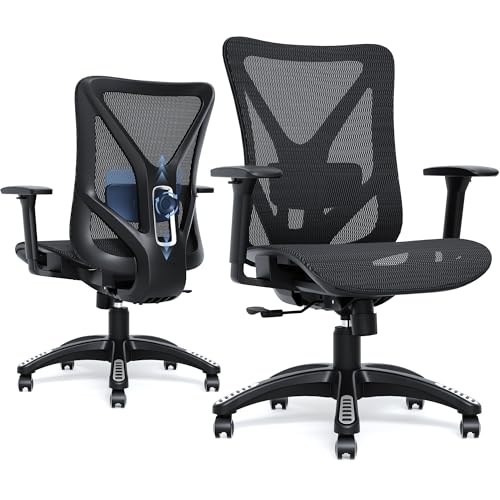
Guide to the best chairs for teens with clear advice on fit for growing bodies, lumbar support, seat height, room size, materials and sensible budgets.
A teen chair has to fit a body that may change height within a school year, support homework and gaming, and still leave room to move in a small bedroom. The best chairs for teens solve those three problems at once. This guide shows you how to judge fit, support and size so you can use the comparison table below with confidence.
Start with how your teen actually sits. Note the desk height, the hours spent studying or playing, and whether the chair is shared with siblings. Those details matter more than color.
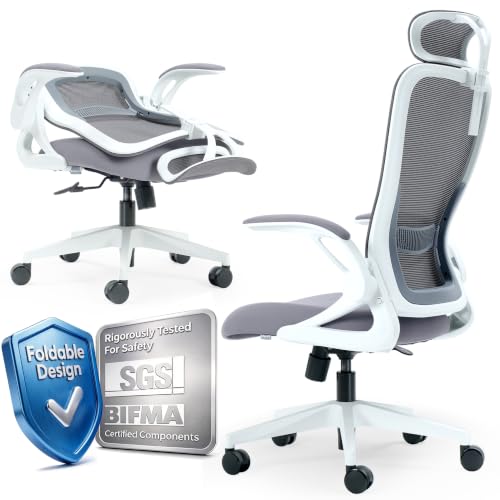

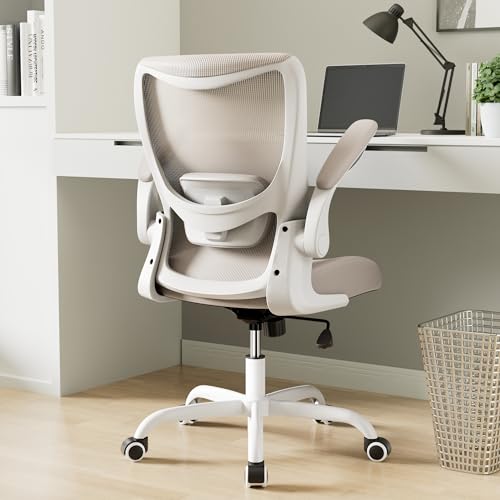

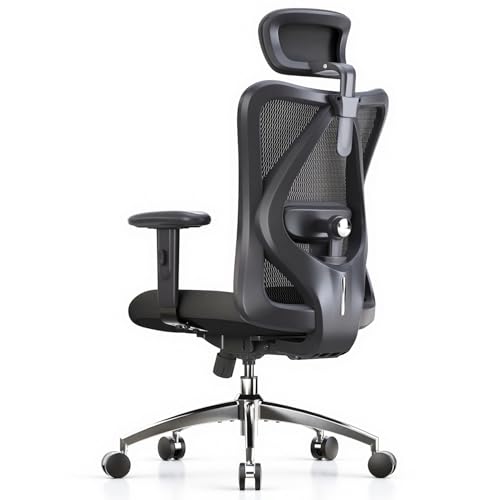
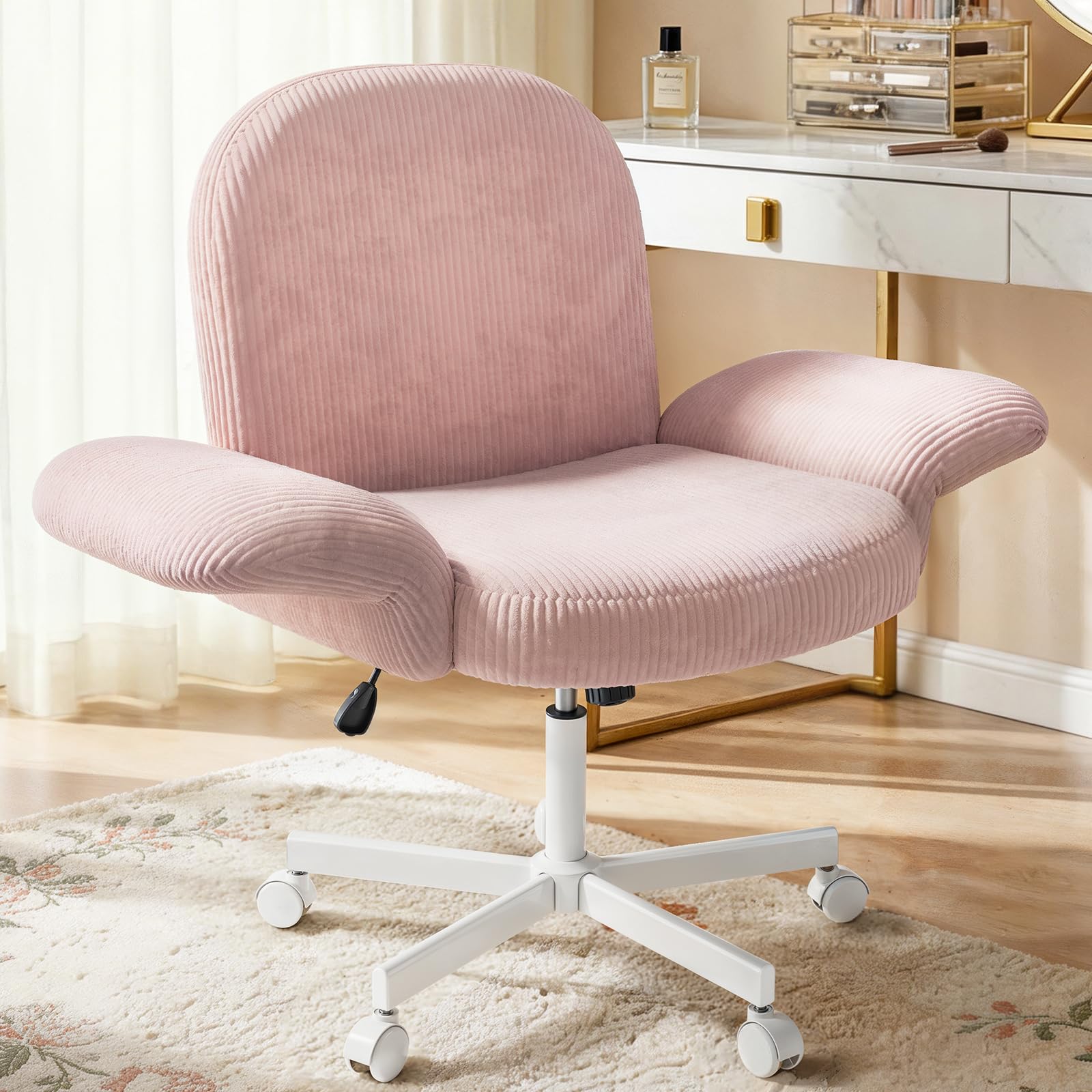
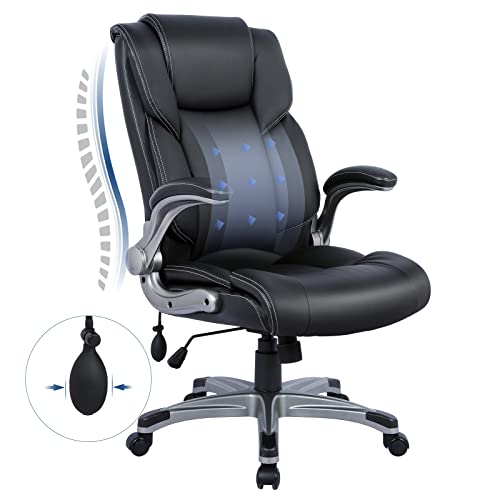
Who Should Buy Which Chairs for Teens?
Match the chair to the teen and the room, not to a photo online. Growth, sitting time and floor space change which features deserve your money.
Teens Who Study at a Desk for Long Stretches
You need steady support for reading, writing and screen work, plus a seat height that lines up with the desk. Look for an adjustable seat, a back that follows the spine, and armrests that slide under the desk. If the chair will serve mainly for homework, see our guide to the best desk chairs for teens for seating built around study tasks.
Teen Gamers Who Sit Through Long Sessions
Gaming adds leaning, turning and long stretches in one position, so stability and breathability matter more for you. A mesh back can feel cooler during a warm session, while a firm cushion keeps you from sinking. If gaming is the main use, see our guide to the best gaming chairs for teens for chairs shaped around that habit.
Taller or Still Growing Teens in Shared Rooms
You need extra seat depth, a taller back and room in the adjustment range for the next growth stage. Check that feet can still rest flat at the lowest setting today, because a chair bought only for tomorrow will feel awkward now. In a shared study, see our guide to the best office chairs for teens for options that suit schoolwork and adult style spaces.
Key Features to Compare
Use the same order for every chair you consider. When you compare the best chairs for teens this way, a low price cannot hide a seat that is too shallow or a back that ends too low. Fit comes first, then support, then the extras.
Size and Fit for a Growing Body
Seat height should let your teen sit with feet flat, knees near a right angle, and a small gap behind the knees. Many teen chairs adjust from about 17 to 21 inches, and seat depth often runs about 16 to 19 inches. Measure your desk height too, since the elbows should rest near desk level without lifting the shoulders. Choose a chair with range left above the current setting, because growth can make a perfect fit feel cramped within months.
Lumbar Support and Back Shape
Lumbar support fills the curve of the lower back so your teen does not slump forward during homework. Fixed support suits a teen whose height is steady, while adjustable support can move as the back grows longer. The backrest top should reach at least the shoulder blades. If a teen has ongoing back or neck pain, numbness in the legs, or pain that keeps returning after rest, seek medical advice, and talk with their clinician about personal needs before choosing seating for long study hours.
Adjustability, Tilt Lock and Armrests
Good adjustability lets one chair serve study, reading and relaxed listening without forcing one posture all day. Seat height is the essential control, and tilt lock lets your teen hold a slight recline for reading or stay upright for writing. Adjustable armrests help during typing but can get in the way during music practice or drawing. Armrests that lift up also help a chair slide close to the desk in a tight room.
Cushioning, Mesh Back and Upholstery
High density foam holds its shape longer than soft foam, so the seat still supports your teen after months of daily use. A mesh back lets air move and suits teens who run warm, but it offers a firmer feel. Fabric upholstery feels soft and grips clothing, while smooth vinyl style covers wipe clean after snack spills yet can feel warm in summer. Think about room temperature and cleaning habits when you choose.
Weight Capacity, Frame and Warranty
Weight capacity tells you how much load the frame, base and lift can handle safely, and many teen chairs are rated around 225 to 275 pounds. Leave a clear margin above your teen current weight, since growth and leaning back both add stress to the base. A five point base with smooth casters feels steadier on hard floors. Read the warranty terms for the frame and the lift separately, because coverage often differs by part.
Types of Chairs for Teens Compared
Most teen chairs fall into four broad types. Use this overview to narrow your search before you study the details above.
Ergonomic Models
Ergonomic models give you the widest adjustment range, with moving lumbar support, adjustable armrests and a back shaped for long desk sessions. They suit teens who study daily and will keep the same chair for years. They usually cost about $150 to $300, and their larger backs need more room.
Budget Models
Budget models cover the basics, with seat height adjustment and a padded seat at about $60 to $120. They suit younger teens, spare rooms and shorter homework sessions. Expect fewer adjustments and thinner padding, so check the weight rating with extra care if your teen is tall for their age.
Compact Models for Small Rooms
Compact models use a narrower frame, a smaller base and arms that fold up so the chair tucks under the desk. They suit shared bedrooms and study corners where a full size chair would block a drawer or door. The trade off is a narrower seat, so measure seat width against your teen hips before you buy.
Premium Models for Older Teens
Premium models add stronger frames, denser foam and longer warranty coverage, often at about $300 to $500. They suit older teens near adult height who may take the chair to college housing later. The extra cost makes sense only when the size already fits well, because premium parts cannot fix a seat that is too deep.
Common Mistakes to Avoid
- Buying by color alone leaves you with a chair that clashes with the desk height and strains your teen shoulders.
- Choosing an adult size seat for a younger teen lets the seat edge press behind the knees and encourages slumping.
- Ignoring the folded or stored footprint leaves a chair blocking drawers, doors or walkways in a small bedroom.
- Skipping the weight capacity check risks a cracked base as your teen grows heavier during the chair life.
- Paying for racing style bolsters on a study chair can squeeze the shoulders and limit how your teen shifts position.
How to Make a Teen Chair Last Longer
Set the seat height so feet rest flat, then tighten all bolts after the first week and check them every few months. Loose bolts let joints flex under load, and that flex wears the frame faster than steady sitting does. Teach your teen to sit down rather than drop into the seat, because repeated impact stresses the lift.
Vacuum fabric and mesh weekly with a soft brush, and wipe smooth covers with a damp cloth before spills dry. Keep the chair out of strong direct sun where you can, since heat can fade fabric and dry out smooth covers. Clear hair and carpet threads from the caster axles when rolling starts to feel rough.
FAQ
What makes a chair for teens different from a chair for adults?
A chair for teens differs mainly in size range and growth room. Seat depth is often shorter, the lowest seat height drops lower, and the back suits a shorter torso. Many adult chairs start too high for a younger teen, so the feet dangle and the seat edge presses the legs. A teen chair should also survive heavier daily handling, from spinning to leaning on one arm.
How do I choose the right chair size for a teen who is still growing?
Choose chair size from three measurements taken while your teen wears normal indoor shoes. Record lower leg length, hip width and desk height, then compare them with the seat height range, seat width and seat depth in the listing. Leave one or two inches of upward adjustment unused at purchase, so the chair stays comfortable after the next growth stage.
Is an expensive chair worth buying for a teen?
An expensive chair is worth it only when your teen has nearly finished growing and sits for long daily study. In that case, denser foam and stronger parts can outlast two cheaper chairs. For a younger teen who will outgrow the seat depth soon, a sound chair at about $120 to $200 is usually the wiser spend.
Which chair features matter most for a teen during long homework hours?
For long homework hours, seat height range and back support matter most, followed by a cushion that stays firm. One feature many families overlook is a backrest that lets the shoulders move freely while writing by hand, since fixed side bolsters can crowd the arms during notebook work. A small footrest can help a shorter teen when the desk is tall.
How long should a good chair for a teen last?
A good teen chair should last about three to five years of daily use. Growth may end its useful life before the frame wears out, especially for teens between about 12 and 15 years old. You can extend its value by passing it to a younger sibling whose measurements fit. Retire the chair if the lift sinks on its own or the base cracks, because those faults affect safety.
Our Verdict
Put fit first, support second and style last, and most poor choices disappear. Check the product table above for seat height range, seat depth and weight capacity before you compare colors or price. A chair that adjusts as your teen grows will serve longer than a fixed chair that feels perfect for one month.
When you choose best chairs for teens with those checks in mind, you give your teen a seat that supports study, gaming and rest without taking over the room.

