Best Chairs for Teachers by Budget: Spending Levels for 2026
Disclosure: We may earn a commission when you buy through links on this page, at no extra cost to you. As an Amazon Associate I earn from qualifying purchases. Learn more

Compare chairs for teachers by price level, from budget basics to premium comfort, and learn which features are worth paying for in a classroom or home office.
Classroom and home office chairs span a wide price range, and the cheapest option is not always the best value. Best chairs for teachers balance comfort during long marking and planning sessions with durability for daily use, all within a budget that makes sense. The comparison table below shows how the main types differ, and this guide explains what each price level actually buys you.
Teachers move between sitting, standing, and walking around a room, so a chair must be easy to get in and out of as well as comfortable for focused work. A chair that looks fine for a short sit can feel tiring after an hour of grading, so this guide weighs comfort, adjustment, and long term durability alongside price.
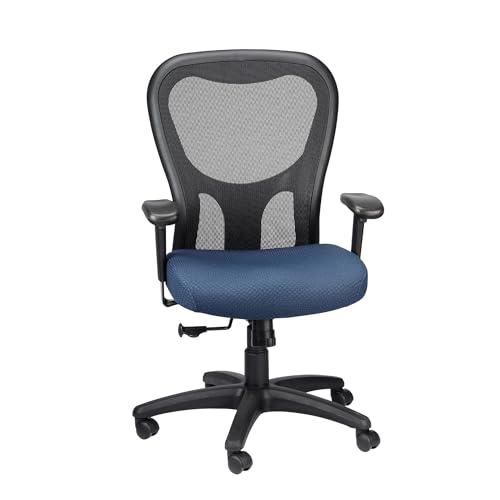


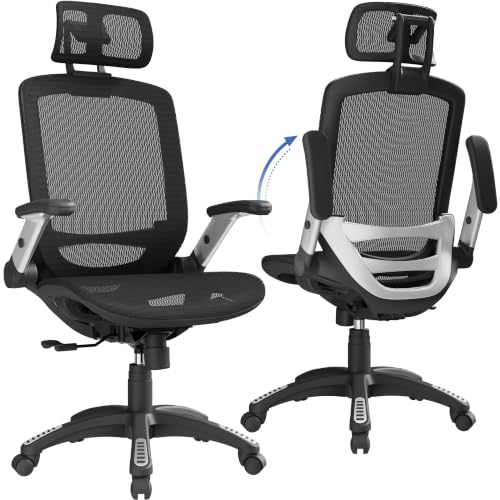
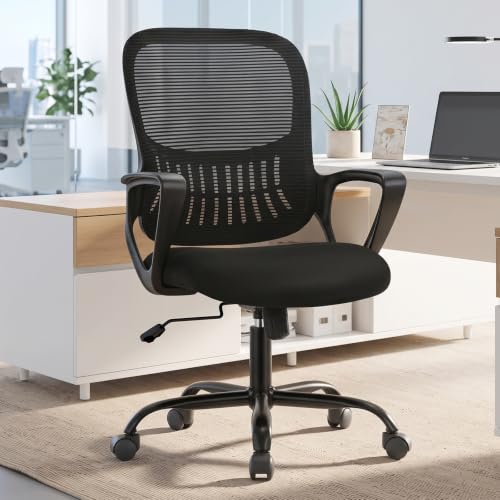

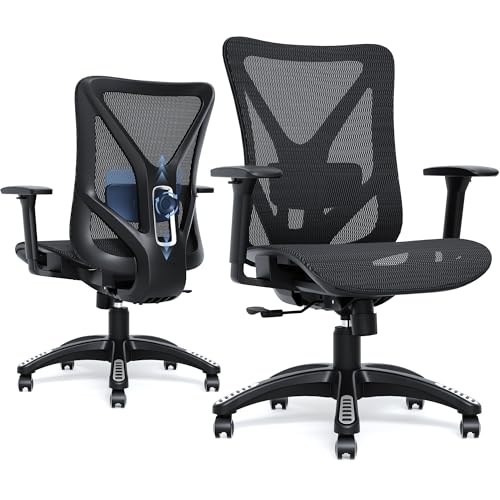
Spending Levels at a Glance
A Sensible Starting Budget
A sensible starting budget usually buys a simple task chair with basic height adjustment, a lightly padded seat, and a fixed or modestly curved back. These chairs suit shorter sessions, a spare classroom corner, or a teacher who stands for much of the day. Expect simpler materials and fewer adjustments, so check seat height and back support carefully before committing.
The Middle Ground for Daily Teaching
The middle ground adds adjustable armrests, a better lumbar curve, denser foam, and a sturdier base, which makes a real difference during full days of planning and marking. This level suits most teachers, since it covers the adjustments that affect comfort without paying for luxury finishes. Most daily teaching needs are met by best office task chairs, which balance adjustment and durability. Look for a clear weight capacity and a warranty that covers the mechanism, not just the frame.
Higher Spending for Long Days
Higher spending brings a taller or more sculpted back, precise tilt control, premium upholstery, and a longer warranty on moving parts. The extra cost pays off when the chair is used all day, every day, and when small comfort details affect focus and energy. Even here, fit matters more than finish, so confirm seat height, seat depth, and back height before ordering.
What Your Money Gets You at Each Price Tier
Lower Price Tier: What to Expect
At the lower price tier, expect about $80 to $150 for a basic task chair with height adjustment and a simple back. Typical features include a lightly padded seat, fixed armrests or none at all, and a lighter base. Trade offs include thinner foam that flattens sooner and fewer ways to fine tune the fit, so these chairs suit shorter sessions and lighter daily use.
Middle Price Tier: The Practical Choice
At the middle price tier, expect about $150 to $350 for a chair with adjustable armrests, a sliding seat option, and a stronger frame. Typical features include denser foam, a breathable mesh or padded back, and a tilt lock that holds the working angle. This tier suits most teachers because it balances comfort, durability, and price, and it often includes a better warranty on the mechanism.
Higher Price Tier: When Extra Spending Pays Off
At the higher price tier, expect about $350 to $700 for a chair with precise controls, premium materials, and a longer warranty. Typical features include a sculpted lumbar area, a wide adjustment range, and a base built for heavy daily use. Spending more pays off when the chair supports a full teaching day, when several people share it, or when durability over many years matters more than the upfront price.
Features Worth Paying For (and Ones to Skip)
Ergonomics and Adjustability
Seat height adjustment is worth paying for at any price, since it sets the foundation for good posture. Adjustable armrests and a tilt lock are worth paying for at the middle tier and above, where they genuinely improve long sessions. Skip motorized adjustment and exotic recline systems unless you know you will use them daily, since they add cost and complexity without improving basic fit.
Materials and Upholstery
Mesh backs are worth paying for in warm classrooms, since airflow keeps long sessions more comfortable. Fabric seats feel warm and quiet and suit most school settings, while faux leather wipes clean but can feel warm in summer. Skip delicate light colored fabrics for a shared classroom chair, since they show stains quickly and need more care.
Features That Matter for Teachers
Teachers need a chair that is easy to sit in and rise from many times a day, with a seat height that suits both desk work and quick conversations. A swivel base helps when turning to face students or a whiteboard, and smooth casters help when moving between desks. A back that supports the lower back during marking matters more than a headrest, unless the chair is also used for long relaxed reading sessions. For desk based work, see our guide to best office chairs for teachers.
Size, Dimensions, and Weight Capacity
Measure the room, the desk height, and the space needed to push the chair back before you buy. Seat width should leave comfortable room without crowding a shared table, and the weight capacity should exceed the heaviest regular user with room to spare. A chair loaded near its limit feels less stable and wears faster, so treat capacity as a safety margin rather than a target. Measure first, then compare best desk chairs for teachers for your room size before ordering.
Style and Room Fit
Neutral colors suit most classrooms and home offices, while brighter colors can liven a creative space but may clash with school furniture. A compact footprint helps in small classrooms where several chairs share limited floor space. Check that the chair rolls freely on the classroom floor, since thick carpet needs larger, smoother casters than hard floors.
Long Term Costs to Factor In
Beyond the purchase price, budget for replacement casters, cushion wear, and occasional cleaning supplies over the life of the chair. A longer warranty on the mechanism can save money if a gas lift or tilt control fails, so read what the warranty actually covers. Add the cost of a floor mat if the chair will roll on carpet or on a delicate floor, since a mat protects both the floor and the casters. Over five years, one of the best quality chairs with durable parts often costs less in total than replacing a cheap chair twice.
Frequently Asked Questions
What features matter most in chairs for teachers?
Seat height adjustment, lumbar support, and a stable base matter most, because they decide comfort during long marking and planning sessions. A chair that adjusts to the desk height keeps shoulders relaxed, while a lumbar curve supports the lower back through hours of seated work. Armrest adjustment comes next, especially when the chair serves both desk work and classroom movement. One point buyers often miss is caster type, since the wrong casters drag on carpet and make every move feel like work.
What features matter most for long hours in a teacher chair?
For long hours, dense foam, a breathable back, and a tilt lock matter most, since they reduce fatigue across a full school day. A seat that keeps its shape prevents the sinking feeling that creeps in after an hour, and a back that breathes keeps warm classrooms comfortable. A sliding seat helps teachers of different heights share one chair without losing thigh support. Short standing breaks still matter, since even the best chair cannot replace movement during the day.
Is an expensive chair worth it for teachers?
An expensive chair is worth it when it solves a real problem, such as a need for precise adjustment, a taller back, or durability for all day use. It is less worth it when the extra cost buys only styling or features that stay unused. Compare the measurement chart and warranty first, since a mid priced chair with the right fit often beats a costly chair with the wrong dimensions. Think in cost per year too, since a durable chair used daily for years can cost less over time than frequent replacements.
How do I choose the right size chair for teaching?
Start by measuring desk height and your seated knee height, then choose a seat height range that lets feet rest flat on the floor. Check seat depth so you can sit fully back with a small gap behind your knees, and check seat width against the space available at the desk or table. If the chair will be shared, favor a wider adjustment range over a perfect fit for one person. Ask for the full measurement chart when shopping online, since a single overall height figure hides the dimensions that matter.
How long should a good teacher chair last?
A well built teacher chair used daily often lasts about five to ten years, with cushions and casters wearing first. The frame and gas lift usually last longer when bolts stay tight and the chair is used within its weight capacity. Replace the chair when the seat sags, the lift sinks on its own, or the back no longer locks firmly, since those faults change posture and comfort. Keep warranty details on file, since mechanism coverage often lasts longer than upholstery coverage.
Final Thoughts
Start with fit, then match the price tier to how many hours the chair will be used each day. A sensible budget chair suits short sessions, the middle tier suits most full time teaching, and higher spending makes sense for all day, everyday use. Before ordering, compare your shortlist against the product table above and confirm seat height, seat depth, and warranty in writing. Best chairs for teachers are the ones that stay comfortable through marking, planning, and classroom conversation without demanding constant adjustment.