
Best Chairs for Tailbone Pain by Budget in 2026: What Each Level Offers
Disclosure: We may earn a commission when you buy through links on this page, at no extra cost to you. As an Amazon Associate I earn from qualifying purchases. Learn more
Compare chairs for tailbone comfort by price level. Learn what budget, midlevel, and premium seating offer and how to choose a comfortable fit.
Shopping for best chairs for tailbone pain can feel confusing because prices range from about $80 to $800 and many chairs claim extra comfort without explaining how their seats are shaped. The comparison table below can help you line up seat shape, cushioning, and adjustability side by side before you spend anything. This guide explains what each price level usually buys and which features matter most when sitting puts pressure on the tailbone area.
Tailbone discomfort often grows worse on hard, flat seats and during long, still sits. A chair with a shaped seat, a cutout or a softer rear section, and room to shift position can feel easier to sit in for longer stretches. Keep your sitting time, body size, and daily routine in mind as you read, because the right chair for a home office may differ from the right chair for a living room evening.

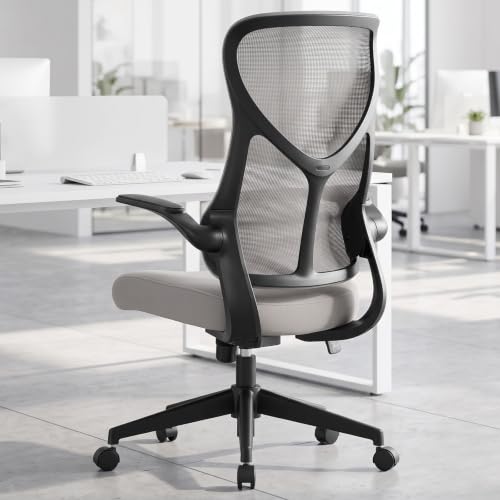
What Each Spending Level Buys You
Price levels are a useful starting point, but seat shape matters more than price alone. A lower cost chair with a well shaped seat can feel better than a costly chair with a flat, hard seat. Use the levels below to set expectations, then judge each chair on seat shape, cushioning, and fit.
Budget Level Basics
Budget level seating usually runs from about $80 to $200. At this level, expect a simple frame, basic foam, and limited adjustment. Some budget chairs include a shaped seat or a removable cushion, which can help, but the foam may flatten faster under daily use. These chairs can suit shorter sits or a spare room, but check seat shape carefully, because a flat budget seat may press directly on the tailbone.
Midlevel Comfort
Midlevel seating usually runs from about $200 to $450. This level often adds thicker foam, a contoured seat, adjustable arm height, and better frame bracing. Many buyers find this level the best balance of comfort and value, because it covers the main seat shape and fit points without paying for luxury finishes. A midlevel chair also tends to hold its cushioning longer, which matters when you sit for hours each day.
Premium Level Features
Premium level seating usually runs from about $450 to $800. At this level, expect denser foam that holds its shape longer, finer seat contouring, smoother recline or tilt controls, and more refined upholstery. Premium chairs may also offer a deeper seat cutout or a wider range of tilt positions. Paying more makes sense when the chair will be used for most of the day, or when small changes in seat shape make a clear difference to your comfort.
What Your Money Gets You at Each Price Tier
Each price tier trades cost against seat shaping, adjustability, and durability. The goal is not to buy the most expensive chair, but to buy the level where the seat features you truly need first appear. If a feature only adds looks, it can usually wait.
Budget Tier: What to Expect
Budget chairs focus on the basics: a stable base, a firm seat, and simple armrests. You may get limited adjustment, and the cushion may soften faster under daily use. For occasional seating, that trade can be fine. For all day seating, look closely at seat contour and depth, because a budget chair that presses on the tailbone will feel uncomfortable no matter how low its price.
Midrange Tier: A Practical Middle Ground
Midrange chairs usually add the adjustments that matter most for tailbone comfort, such as seat height control, arm height control, and a tilt lock. Seat contouring and foam quality also step up, which helps the chair keep its shape through daily use. This tier suits buyers who want a chair for desk work, reading, or long evenings without paying for powered features they may not need.
Premium Tier: When Spending More Pays Off
Premium chairs often bring deeper seat shaping, wider and softer arm pads, stronger frames, and easier to clean fabrics. These extras pay off when sitting time is long, when the tailbone area is tender, or when a small change in tilt eases pressure. Before paying at this level, confirm the chair still fits your room and desk height, because a large chair that crowds a workspace can create new posture problems.
Features Worth Paying For and Ones to Skip
Not every feature earns its price. The ones below matter most for tailbone comfort, while some extras add cost without adding daily relief. Rank features by how they affect pressure on the tailbone, posture, and the ease of shifting position.
Assembly and Delivery
Assembly matters more than many buyers expect, because a chair that arrives in many small parts can be hard to build when sitting is already uncomfortable. Look for clear instructions, fewer tools, and parts that fit without force. If delivery includes room placement or assembly help, that service may be worth its cost. Check the box size and weight too, so the chair can reach the room where it will be used.
Features That Matter for Tailbone Pain
Tailbone comfort depends mainly on seat shape. A seat with a rear cutout, a dipped rear section, or a softer zone under the tailbone can reduce direct pressure, while a firm front edge supports the thighs without cutting into them. A slight forward tilt or a gentle recline can also shift weight toward the thighs and away from the tailbone. Try to shift position often, and talk with a doctor if pain persists or worsens, or if you notice numbness, weakness, or pain after a fall or injury.
Ergonomics and Adjustability
Seat height should let your feet rest flat on the floor with knees near a right angle. Adjustable armrests help you rise without twisting, and a tilt lock can keep the chair steady while you settle in. Lumbar support should fill the natural curve of the lower back without pushing you forward. If you pair the chair with a seat cushion, check that the combined height still lets your feet rest flat, because a cushion that lifts you too high can strain the knees.
Style and Room Fit
Style matters, but room fit matters more. Measure the chair footprint, the swing space for recline, and the clear path around it before ordering. Choose colors and fabrics that suit the room and hide everyday wear, and favor removable covers or wipe clean fabric if spills are likely. A chair that fits the room well is easier to use daily, which makes good posture habits easier to keep.
Picking the Right Chairs for Different Uses
Best Living Room Chairs for Tailbone Pain: Where Your Money Goes
Best living room chairs for tailbone pain tend to favor deeper seats, softer arm pads, and a relaxed recline for evening use. Look for a seat shape that eases tailbone pressure, a back height that supports the shoulders, and fabric that stays comfortable during longer sits. A separate cushion can add shaping to a living room chair, and our guide to the best cushions for tailbone pain covers cushion shapes and materials in detail. Keep the chair near a side table and a lamp, so you can shift position and stand up without reaching far.
Long Term Costs to Factor In
The purchase price is only part of the total cost. Budget for replacement cushions or covers, floor protectors, and any delivery or assembly help you may need. A stronger frame and better foam may cost more at first but can last longer, which lowers the yearly cost of ownership. Check the warranty terms for the frame, moving parts, and upholstery, and keep the care instructions in a handy place.
If you also use a pillow for seated comfort, our guide to the best pillows for tailbone pain explains pillow shapes that pair well with shaped seats.
Chairs: Your Questions Answered
What features matter most in chairs for tailbone pain?
Seat shape, cushioning, and adjustability matter most in chairs for tailbone pain. A rear cutout or a softer rear zone can reduce direct pressure, while firm thigh support keeps weight spread evenly. Adjustable seat height and tilt let you fine tune posture through the day. Beyond those points, look for a stable base and armrests that help you rise without twisting, since twisting can jar a tender tailbone.
How long should a good chair last?
A good chair used daily often lasts about five to ten years, depending on frame quality, foam density, and care. Chairs used only now and then may last longer, while chairs used for most waking hours wear faster. Watch for sagging seats, flattened rear cushioning, loose arms, or squeaking joints. Those signs mean the chair no longer supports you evenly, and a repair or replacement may be more comfortable than continued use.
How do I choose the right size?
Choose the right size by measuring seat height, seat width, and seat depth against your body. Sit with feet flat and knees near a right angle, and leave about two fingers of space between the seat edge and the back of the knee. Seat width should leave a little room on each side without letting you slide sideways. If you use a cushion, measure with the cushion in place, because it changes both seat height and effective depth.
Is an expensive chair worth it?
An expensive chair is worth it when its extra features solve a real daily problem, such as long sitting hours, a tender tailbone, or a need for finer tilt control. It is less worth it when the higher price buys only luxury fabric or styling. Compare chairs by seat shape, cushioning, and stability first, then decide whether premium materials or finer adjustments add enough daily value to justify the extra cost.
What features matter most for long hours?
For long hours, even cushioning, breathable fabric, and easy position changes matter most. Heat can build up in thick vinyl during a long sit, so breathable fabric may feel cooler in warm rooms. A seat that spreads weight evenly reduces pressure points, and a slight recline can shift weight during the day. The best chairs for tailbone comfort still need regular breaks, so stand, walk, and stretch often, even when the chair feels comfortable.
The Bottom Line
The best chairs for tailbone pain balance a shaped seat that eases tailbone pressure with firm thigh support, adjustable height, and a stable base. Start with seat shape and fit, then let price level guide how much adjustability and finish you add.
For a related seating question, see our guide to the best chairs for coccyx pain, which covers a closely related search term with its own seating advice. If you work at a desk for long stretches, our guide to the best officer chairs covers work seating shapes in detail. Check the product table above once more before ordering, and talk with a doctor if pain persists or worsens.

