Best Chairs for Short People: Matching the Right Model to Your Routine for 2026
Disclosure: We may earn a commission when you buy through links on this page, at no extra cost to you. As an Amazon Associate I earn from qualifying purchases. Learn more
Not all chairs fit every routine. See which best chairs for short people match how you actually use them, what features to prioritize, and what to skip.
A chair can look comfortable in photos and still fit you badly in real life. If the seat is too deep, your feet dangle, your back loses support, and you end up perched on the front edge within an hour. The best chairs for short people solve that fit problem first, and style and price come after.
There is also no single winner for every routine, because a chair for reading, a chair for relaxing, and a chair for desk work ask different things of your body. Start with how you sit each day, then compare the options in the comparison table below against the measurements explained in this guide.
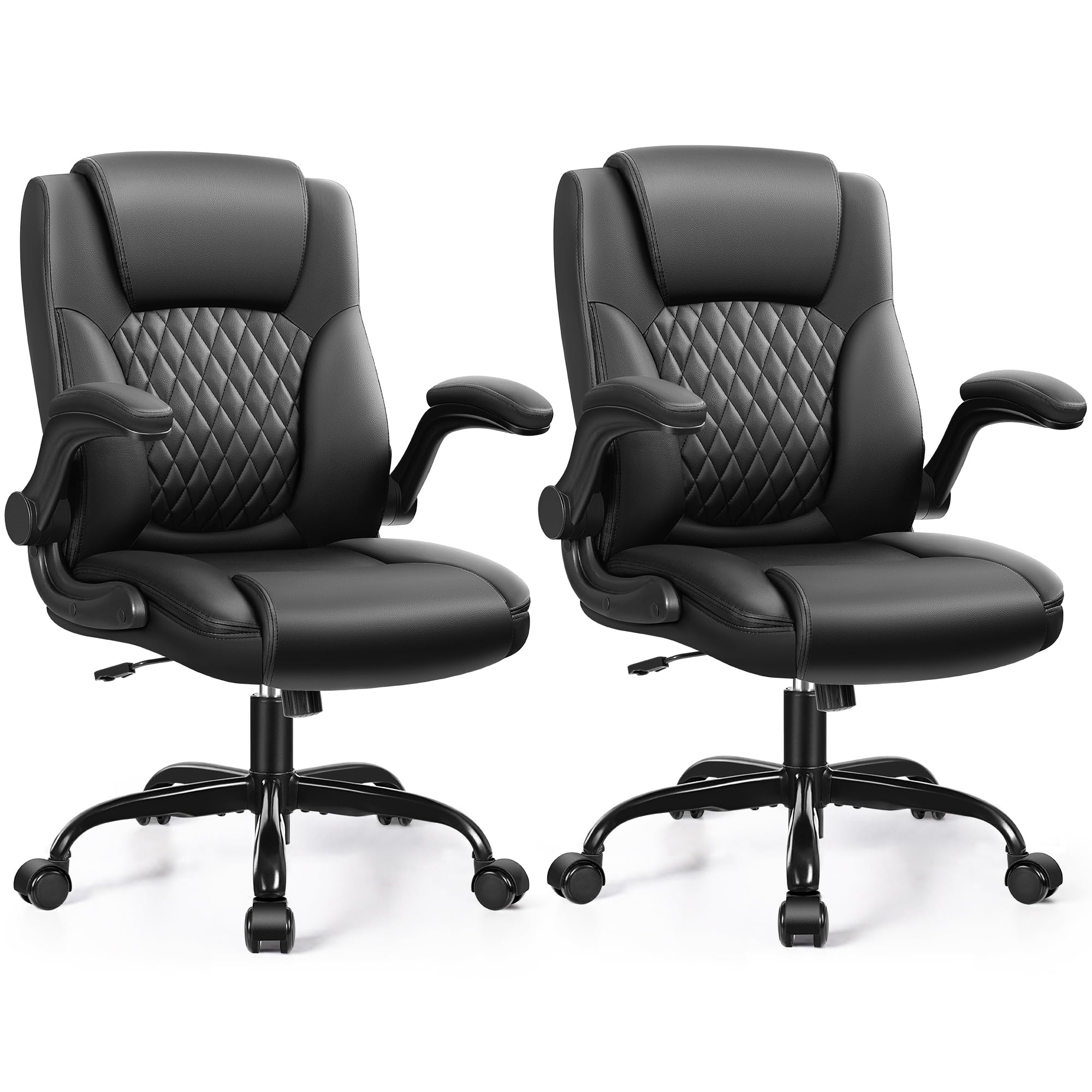


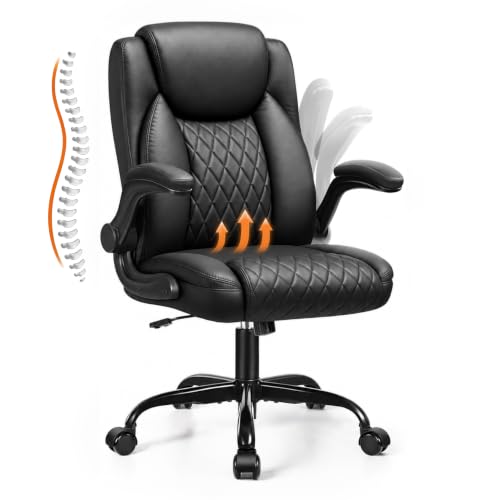


Who Should Buy Which Chairs?
Your routine decides which compromises are acceptable. Someone who sits for short spells can manage with a simpler chair, while someone who sits all day needs adjustment range and support that stay comfortable for hours. If long gaming sessions are your main routine, see our guide to the best gaming chairs for short people.
For First Time Buyers
If this is your first time shopping with fit as the priority, keep the decision simple. Choose a chair with clearly listed seat height and seat depth, a modest adjustment range, and a return option that lets you test it at home. Avoid very deep lounge seats and tall backs at this stage, because both are hard to judge from photos alone. A straightforward design with firm support teaches you what your body prefers.
For Gift Shoppers
A chair is a generous gift, but fit is personal, so gather a little information before you order. Ask about the recipient height and whether they mostly read, relax, or work at a table. A compact accent style or a simple recliner usually lands better than a highly adjustable model the recipient must learn to set up. Choose sellers with a clear warranty and an easy return path, and include the receipt so the recipient can exchange the chair if the seat depth feels wrong.
For Value Seekers
Good value for a shorter buyer means paying for fit before decoration. Put your money toward the right seat dimensions, sturdy frame construction, and a cushion that holds its shape, and spend less on trim and extra positions you never use. Budget models can serve well for lighter daily use, so check the stated weight capacity and leave a comfortable margin above your own weight, because a frame working near its limit tends to loosen and creak sooner.
Choosing Chairs for Your Situation
Chair styles that share a name can fit very differently, so judge each style by its own measurements. If most of your sitting happens at a desk, see our guide to the best desk chairs for short people. For other rooms and routines, the notes below explain what changes with each style when you compare the product table above.
Best Recliner Chairs for Short People: What to Prioritize
With best recliner chairs for short people, the footrest length and the seat height matter as much as the recline angle. A footrest that extends too far pushes your heels past its end, while a tall seat makes standing up harder once you are fully relaxed. Check that the control lever or button sits within easy reach, and that the head area supports your head without pushing it forward.
Best Glider Chairs for Short People: What to Prioritize
With best glider chairs for short people, you need enough floor contact to control the motion. Your feet should rest on the floor so you can start and stop the gentle glide without straining your legs. Look for a seat depth that lets your back stay against the cushion while your feet stay planted, plus armrests at a height that supports holding a book or feeding a baby. Some models include a lock for the glide, which helps when you stand.
Best Accent Chairs for Short People: What to Prioritize
With best accent chairs for short people, proportion is the whole decision. Many accent styles are built low and wide for visual effect, and that width can leave a smaller frame swimming in the seat. Favor narrower seats, a firmer cushion that helps you rise, and arms that give you something to push against when standing. Measure the space as well, because a compact chair often suits a small room better than a bulky piece.
Best Kneeling Chairs for Short People: What to Prioritize
With best kneeling chairs for short people, the distance between the seat and the knee pads decides whether the posture works. Shorter legs need an adjustment range that brings the pads close enough to support your shins without forcing a sharp bend at the knee. Plan short sessions while your body adapts, and alternate with a regular chair. If you have knee pain or a past knee injury, talk with your clinician before choosing this style.
Best Rowe Chairs for Short People: What to Prioritize
With best rowe chairs for short people, upholstery changes the fit, so the listed frame size is only part of the story. Thick seat cushions reduce the depth you actually feel, and plush back cushions can push you forward in a helpful or an annoying way. Ask for the inside seat measurements, from the front edge to where the back cushion begins, and compare that figure rather than the overall depth.
Key Features to Compare
Features only matter when they connect to your routine and your measurements. When you shortlist the best chairs for short people, judge each feature by whether it improves fit, support, or daily ease. For screen based work at home, see our guide to the best computer chairs for short people. The sections below explain what each factor changes in daily use.
Features That Matter for Short People
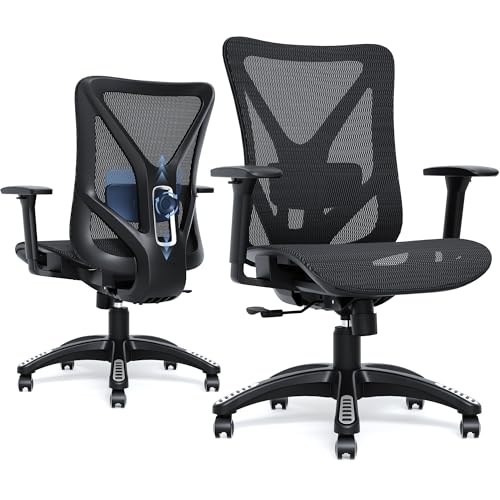
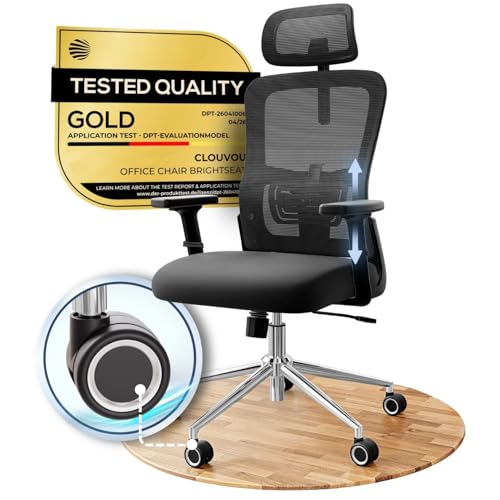
Seat height is the first number to check, and many shorter adults do well with a seat around 15 to 18 inches from the floor, lower than standard chairs in most stores. Seat depth matters just as much, because you should be able to sit back fully with a small gap behind your knees. A rounded front edge, often called a waterfall edge, reduces pressure on the backs of your thighs. Back height should support your shoulder blades without a headrest pressing into your head.
Assembly and Delivery
Check the box weight and the assembled weight before you order, because a heavy recliner or glider may need two people to move. Most simple chairs arrive with the legs, base, or arms detached and go together with basic tools in under an hour. Keep all packaging until you have sat in the chair for a few days, in case the fit disappoints you.
Ergonomics and Adjustability
Good ergonomic design places support where a shorter torso needs it. Lumbar support should sit low enough to meet the curve of your lower back, and on adjustable models it should move down as well as up. Adjustable armrests help when standard arm height forces your shoulders to shrug, and a tilt lock lets you hold a slight recline instead of fighting the backrest. A mesh back can keep you cooler in warm rooms, and for deeper guidance see our guide to the best ergonomic chairs for short people.
Comfort and Cushioning
Cushion feel on day one can mislead you, so think about how the foam behaves after months of daily sitting. High density foam holds its shape longer and supports your weight more evenly, while very soft foam lets you sink until the frame does the supporting instead. If you sit for long stretches, a medium firm seat usually stays comfortable longer than a plush one. Removable covers or wipeable fabrics also help in homes with kids or pets.
Common Mistakes to Avoid When Buying Chairs
- Buying by overall chair height alone, because a tall chair can still have a low seat while a compact chair can sit high.
- Ignoring seat depth, because a seat that is too deep leaves your feet dangling and your lower back without support.
- Choosing the softest cushion in the store, because foam that feels plush at first often flattens into an uncomfortable dip within months.
- Forgetting foot support at a desk or table, because raised feet change your posture and can leave your legs aching by evening.
- Skipping the return terms and warranty details, because fit problems often appear only after several days of use at home.
Tips to Get the Most From Your Chair
A well chosen chair still needs small habits to stay comfortable and solid. Set the seat height once, carefully, then leave it unless your shoes or your desk change. Tighten the bolts and leg fittings every few months, because normal use slowly works them loose and a slight wobble can strain the joints. Vacuum upholstered seats regularly and wipe hard surfaces with a damp cloth, following any care notes that came with the chair.
Moving parts deserve a quick check as well. Keep the glide or recline path clear of rugs and cords so the mechanism travels smoothly, and clear dust from tracks and hinges with a soft brush.
Frequently Asked Questions
What features matter most in chairs for short people?
Seat height and seat depth matter most in chairs for short people. Choose a height that lets your feet rest flat and a depth that supports your thighs without pressing behind your knees. One extra check helps at home: wear the shoes you use most indoors when you test the chair, because a thick sole can change the fit by half an inch or more.
How do you choose the right size chair for a short person?
You choose the right size by measuring your own legs before you shop. Sit on a firm surface with your feet flat and measure from the floor to the crease behind your knee, then look for a seat height at or slightly below that figure. Also measure a chair you already find comfortable, including its seat depth, and use those numbers as your reference when you compare listings.
How long should a chair for short people last?
A chair for short people should last several years with daily use when the frame is sound and the cushion is dense enough for your weight. Longevity depends more on construction and care than on chair size. Watch for the real end of life signs: a frame that still wobbles after tightening, foam that stays flattened overnight, or fabric worn through at the front edge. Any one of those means repair or replacement deserves thought.
Is an expensive chair for short people worth the cost?
An expensive chair for short people is worth the cost only when the extra money buys better fit and adjustment, not decoration. Higher prices can bring a wider adjustment range, denser foam, and a longer warranty, all of which matter for daily sitting. Think in terms of cost per year across the life of the chair, and value a generous trial period, because a home trial tells you more about fit than any specification list.
What features matter most in a chair for short people during long hours of sitting?
For long hours, a chair for short people needs steady lumbar support, armrests that keep your shoulders relaxed, and a seat that stays firm late in the day. A tilt lock also helps, because holding one supported recline is easier than bracing against a springy back. Add one habit the chair cannot provide: set a phone reminder to stand, stretch, and walk briefly at regular intervals, because movement breaks protect your comfort too.
Final Thoughts
Fit comes first, routine comes second, and style comes last. Match the seat height and depth to your legs, place the lumbar support where your back actually curves, and pick the style that suits the room and the hours you spend in it. Use the product table above to compare your shortlisted options against those measurements. When a chair passes those checks, the best chairs for short people decision becomes simple, and your feet, back, and shoulders will feel the difference daily.