Best Chairs for Sewing Room: A Practical Buyer Checklist for 2026
Disclosure: We may earn a commission when you buy through links on this page, at no extra cost to you. As an Amazon Associate I earn from qualifying purchases. Learn more

Seat height, lumbar support and arm options for the best chairs for sewing room setups.
Sewing asks more of a chair than casual sitting does. You lean toward the needle, work the pedal, and turn to reach fabric for long stretches. The right best chairs for sewing room choice supports that pattern of movement instead of fighting it, with a seat height that matches your table.
This guide turns those needs into a simple checklist. Compare seat dimensions, adjustability, upholstery, and frame strength in the comparison table below, then judge which details matter most for your body and your table.




Key Features to Compare Before You Buy
A sewing chair has to fit three things at once: you, your table, and the space around the machine. A chair can feel fine for ten minutes yet fail at home if the arms hit the table edge or the base crowds the pedal.
Features That Matter Most at a Sewing Table
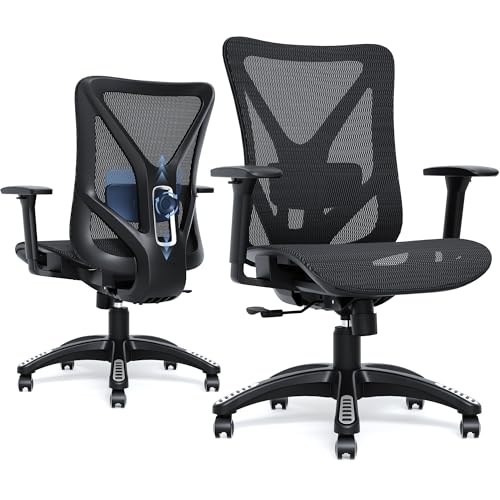
Seat height is the first number to check. With your feet flat and one foot resting lightly on the pedal, your knees should sit at about a level angle and your forearms should reach the machine bed without lifting your shoulders. Most tables work well with an adjustable seat covering roughly 18 to 23 inches, but your own leg length decides the right range.
Seat depth matters just as much. If the front edge presses behind your knees, you will shift forward and lose back support within the hour. Look for a seat that leaves a small gap behind your knees.
Ergonomics and Adjustability
Good ergonomic support comes from a few specific adjustments. Lumbar support should meet the curve of your lower back without pushing you forward, and an adjustable pad or backrest height helps you place it correctly. A tilt lock lets you fix a slight upright angle for machine work, then release the backrest for a relaxed lean while you pin fabric.
Adjustable armrests can help or hurt, so treat them as a fit question. Arms that lower fully or swing away let you move close to the table, while arms set too high will raise your shoulders and tire your neck. If lasting back pain, leg numbness, or sharp recurring pain follows your sewing, talk with a clinician about posture and your personal needs.
Materials and Upholstery
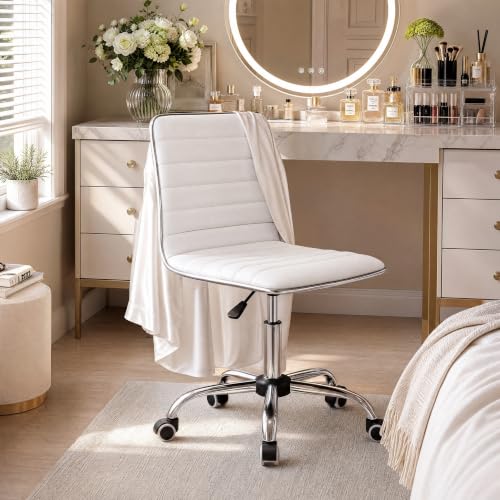
Upholstery changes both comfort and upkeep. A mesh back allows airflow and flexes as you shift, which suits long blocks of piecing. Fabric seats grip clothing so you slide less, but they hold lint and need more frequent cleaning.
High density foam under the cover is what keeps a seat from feeling flat after months of use. Thin foam may feel plush at first yet compress quickly at the front edge. Smooth polyurethane covers wipe clean when chalk dust appears, though they can feel warm.
Style and Room Fit
Measure the room before you fall for a wide executive shape. Note the width between the table legs, the space behind you for rolling back, and the doorway width for delivery. A compact base helps in a spare bedroom, while a larger chair suits a dedicated studio. If the chair will double for guests, see our guide to the best room chairs for shapes that serve more than one purpose.
Assembly and Delivery
Most sewing room chairs arrive in a flat box with the base, cylinder, seat, and backrest packed separately. Assembly means fitting casters into the base, setting the cylinder in place, and bolting the seat and back together with the included tool. Plan on about 20 to 40 minutes on a rug so floors stay free of scratches.
Check the listing for included tools and whether a second person helps when aligning the backrest. Keep the box until you have sat in the chair at your table for a full session, in case the seat depth proves wrong.
Build Quality and Frame
The frame and lift decide how long the chair stays steady. A metal base with five points spreads weight well and resists tipping when you lean. Choose a stated weight capacity with a clear margin above your own weight.
Look for a Class 4 gas lift cylinder if you adjust height often, since higher rated lifts are built for repeated daily movement. Check whether a wood frame is solid or a manufactured board, because board frames loosen at the joints sooner under rolling use. For a taller back and a formal look, see our guide to the best officer chairs to compare frame styles.
Choosing the Right Fit for Your Body and Your Table
With the core features in mind, narrow your choice by how you actually sew. When you compare best chairs for sewing room options in the product table above, match height ranges, weight capacity, and arm styles to the patterns below.
If You Sew for Long Sessions Each Week
Frequent sewers benefit most from a supportive backrest, a seat with firm high density foam, and arms that move out of the way. A backrest that follows small shifts helps as you move between machine work and leaning over a layout. Budget models can work here if the foam is firm and the height range fits.
Premium models earn their higher cost, often around $300, through smoother height adjustment, stronger bases, and covers that resist wear. If posture support is your top concern, see our guide to the best sewing chairs for a focused look at sewing specific designs.
If You Share the Room or Move the Chair Often
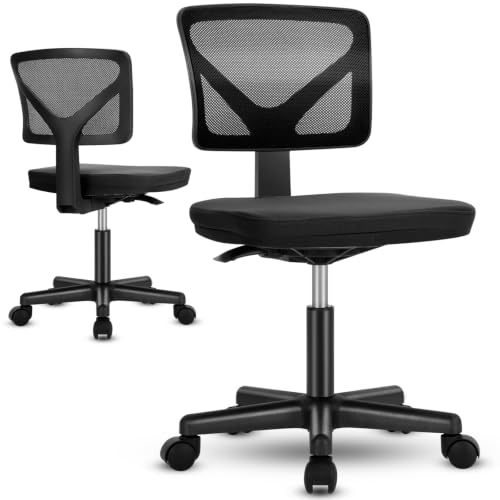
In a shared space, the best chair is often the one that moves easily and tucks away. A lighter frame, smooth casters suited to your floor, and a compact shape help the room return to its other use. Armless designs slide fully under many tables, which frees floor space.
Shared use also means shared settings, so simple levers anyone can reset in seconds beat complex controls. If the chair moves to a dining table, see our guide to the best dining room chairs and note how much lower dining seats sit. For evening seating, see our guide to the best sitting room chairs.
If You Need Extra Support or a Higher Weight Capacity
Shoppers who need more room should look first at seat width and stated weight capacity, then at base materials. A wide seat only helps if the frame is rated for the load and the casters roll without sinking into carpet. Steel bases are worth paying for here, because flex at the base makes every comfort feature feel worse. Match back height to your torso rather than choosing the largest chair by default.
Quick Buyer Checklist
Run through these questions before you order. A chair that earns a yes on most of them is likely to fit without costly trial and error.
- Does the seat height range place your feet flat with your forearms level at the machine?
- Does the seat depth leave a small gap behind your knees when your back touches the backrest?
- Can the arms lower, swing away, or come off so the chair slides close to your table?
- Does the stated weight capacity leave a clear margin above your weight?
- Will the base and casters suit your floor without marking wood or dragging on carpet?
- Does the upholstery match your cleaning habits and the lint level in your sewing space?
- Will the chair fit through your doorway and between your table legs once assembled?
- Does the warranty cover the gas lift and the base, not just the fabric?
Red Flags to Watch For
Some listings hide weak value behind bright photos and vague claims. Slow down when you spot any of these signs, because each points to a frustration that shows up after the return window closes.
- The listing gives no seat height range or weight capacity, so you cannot check fit before buying.
- The foam thickness and density go unstated, and the seat feels likely to flatten within the first year.
- The warranty lasts only a few months or excludes the lift cylinder, which is the part most likely to fail.
- Reviews mention the same wobble or cracking base again and again, pointing to a design flaw rather than one bad unit.
- The seller shows arms fixed at one height with no photo of the chair pushed up to a table, hiding a common fit problem.
Price alone is not a red flag. Plenty of budget models, often under $150, sew comfortably for years when the dimensions fit. The warning sign is missing information, because a maker who hides basic numbers rarely supports the chair well later.
Setup and Care Tips for Your Sewing Chair
Set the chair up at your own table. Sit down, place your working foot on the pedal, and raise or lower the seat until your shoulders stay relaxed while your hands rest at the machine bed. Then set the lumbar support to meet your lower back and lock the tilt in a mostly upright position for machine work.
Check the arm height last. Lower the arms until your elbows rest without lifting your shoulders, or move them away if they block you from sitting close. Roll a few times to confirm the base clears the table legs and the pedal cord.
Care for this chair itself with a short routine. Retighten the seat and backrest bolts every few months, since rolling and swiveling slowly loosen them. Vacuum fabric covers or wipe smooth covers with a damp cloth each week to lift chalk dust and thread bits, and clear wound thread from the caster wheels so they keep rolling freely. Also check yearly whether the seat sinks on its own, a sign the lift cylinder needs replacing.
Frequently Asked Questions
What features matter most in a chair for a sewing room?
Seat height range, lumbar support, and arm flexibility matter most in a chair for a sewing room. Together they decide whether you can sit close to the machine with relaxed shoulders and flat feet. One point many buyers miss is caster size, because larger wheels roll over carpet edges and fabric scraps more easily.
How do I choose the right size sewing room chair for my table and body?
Measure your table height and your lower leg length, then pick a sewing room chair whose seat range covers the middle of both numbers. Sit with the chair at that height and confirm a small gap behind your knees. Also measure between the table legs, since a wide five point base can clash with narrow trestle style tables.
What sewing room chair features help most during long hours of sewing?
A firm seat, an adjustable backrest, and a tilt lock help most during long hours of sewing. They let you hold an upright working posture, then shift slightly without losing support. For very long days, stand and stretch every hour, because even the best chair cannot replace movement.
Is an expensive sewing room chair worth the cost?
An expensive sewing room chair is worth the cost when you sew weekly and the extra money buys a stronger lift, denser foam, and a longer warranty. Casual sewers who sit for an hour at a time often do just as well with a sound budget chair. Compare cost against years of use, and skip paying extra for styling that adds width your room cannot spare.
How long should a good sewing room chair last?
A good sewing room chair should last about five to eight years of regular home use. The lift cylinder and the seat foam usually wear first, while a metal base can outlast both. You can extend that span by choosing a model with replaceable casters, since small part swaps cost far less than a whole new chair.
Final Thoughts
The right chair for your sewing room is the one whose seat height, support, and size match your table and your body on an ordinary day, not the one with the longest feature list. Use the checklist in this guide, weigh the warnings above, and compare your shortlist against the product table above before you order. When the fit is right, the best chairs for sewing room options narrow quickly, so you can get back to your project.