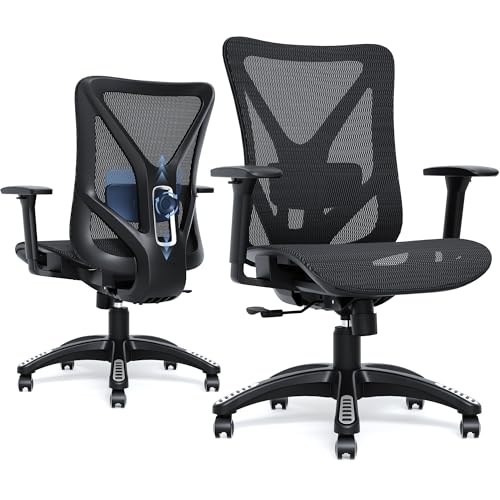
Best Chairs for Sewing Machine of 2026: Complete Buying Guide
Disclosure: We may earn a commission when you buy through links on this page, at no extra cost to you. As an Amazon Associate I earn from qualifying purchases. Learn more

Compare the best chairs for sewing machine by seat height, lumbar support, cushioning, and fit, and learn how to choose one that suits your table and budget.
Sewing asks a lot of a chair. You sit close to the table, lean toward the needle, work the foot pedal for long stretches, and shift your weight each time you reach for scissors or turn a seam. A kitchen chair rarely holds the steady, upright position this work needs. The best chairs for sewing machine use keep your feet grounded, your back supported, and your shoulders relaxed while you guide fabric.
This guide covers the fit checks, features, and chair styles that matter at a sewing table. Use the comparison table below to scan seat heights, weight limits, and materials before you read the detail that follows.




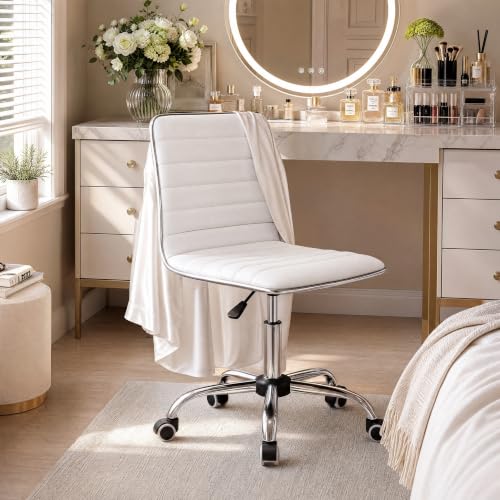
Who Should Buy a Dedicated Sewing Chair?
A dedicated chair earns its place when you sew most weeks and feel the session in your back, neck, or legs afterward. For a wider look at seating made for sewing rooms, see our guide to the best sewing chairs.
Quilters Who Sew for Hours at a Time
Piecing and quilting a large top can keep you at the machine for most of a day. You need a seat that stays comfortable past the second hour, a backrest that follows your lower back as you lean in, and smooth casters so you can glide to the ironing board without standing each time.
Garment and Home Decor Sewers
Clothing and curtain work means constant small movements. You pivot to a serger, reach for pins, stand to check a hem, then sit again for the next seam. A stable base and a seat that is easy to get in and out of suits this rhythm better than a deep, reclined seat.
Sewers Working in Small or Shared Rooms
Many sewing spaces double as spare bedrooms or dining rooms, and the chair has to earn its footprint. A compact chair that tucks fully under the table keeps walkways clear and lets the room return to its other job. Look for a narrower back, a smaller base, and a seat you can lower beneath the table apron.
How to Choose: A Buying Guide for Sewing Chairs
The product table above gives you the headline numbers, but the right choice comes from matching them to your body and your table. Shoppers comparing the best chairs for sewing machine listings see the same specs repeated everywhere, so the sections below explain which ones matter.
Features That Matter at a Sewing Machine
Sewing posture differs from typing posture. You look down at a needle, hold your arms forward at table height, and press a pedal with one foot while the other stays planted. Thick projects add another demand. Leather and layered denim need firmer pedal pressure, and a chair that rocks makes that pressure harder to control.
Ergonomics and Adjustability
Seat height adjustment is the most useful feature, because it sets your elbows level with or just above the needle plate while both feet rest flat. A range of about 17 to 22 inches from floor to seat top suits most tables and bodies. Lumbar support should meet the curve of your lower back without pushing you forward, and an adjustable backrest is easier to place than a fixed one. Tilt lock holds a slight upright angle for sewing, and adjustable armrests must drop low or swing away so they never lift your shoulders. If you notice ongoing back pain, numbness in your legs, or sharp pain that does not ease once you adjust your setup, talk with a doctor or physical therapist about your posture and personal needs.
Materials and Upholstery
Upholstery decides how a chair feels in a warm room and how it handles pins, lint, and thread. A mesh back breathes well and suits sewers who run hot, though open mesh can catch on rough fabric edges draped over it. Woven fabric grips your clothing slightly, helping you stay put while pedaling, but it holds lint. Bonded leather and polyurethane finishes wipe clean fast and shed thread easily, yet they feel warmer and may crack in dry rooms or strong sun.
Comfort and Cushioning
Cushion comfort comes from foam density more than foam thickness. High density foam holds its shape and spreads your weight evenly across a long session, while soft, thick padding feels plush for ten minutes and then compresses until you sit on the hard base beneath. A seat depth of about 16 to 19 inches suits most adults. Too deep, and the backrest sits too far behind you. Too shallow, and your thighs lose support.
Build Quality and Frame
The frame and lift decide how long a chair feels solid. A steel frame and a five point base resist wobbling when you lean to reach a fabric bin. Check the gas lift class in the specs. A class 4 gas lift is the sturdier option commonly offered and suits heavier users and daily use. Weight capacity should exceed your body weight with room to spare, since you add pressure when you push back to stand.
Style and Room Fit
Measure under your table first. The chair should slide in without its back striking the table edge, with clearance from table legs and storage boxes underneath. Color comes after those checks.
Warranty and Return Policy
Chairs fail in predictable places, so read the warranty before you order. Frame coverage often runs longer than coverage for the gas lift, casters, and upholstery, and some brands treat foam as a wear item with a short window or none. Keep the receipt and part numbers, because replacement parts are usually cheap while the brand stocks them.
Types of Chairs Used at Sewing Machines
Most chairs sold for sewing fall into a few broad families. The product table above groups many of them together, so use these descriptions to sort out which family fits your space and budget. If your sewing desk also serves as a work desk, see our guide to the best officer chairs for desk oriented styles, then weigh them against the higher, closer position sewing needs.
Ergonomic Models
Ergonomic models offer the widest adjustment range, with moving lumbar support, adjustable seat height, and armrests that shift up, down, or sideways. They suit long hours at the machine and households where two people of different heights share one chair.
Premium and Executive Models
Premium and executive models use thicker padding, wider seats, and finishes such as top grain leather or heavy woven fabric, often at about $250 or more. They suit larger bodies and sewers who want a tall, supportive back. The downsides are weight and bulk. A heavy chair is harder to move for cleaning, and a deep seat can hold you too far from the needle unless it adjusts well.
Compact and Space Saving Models
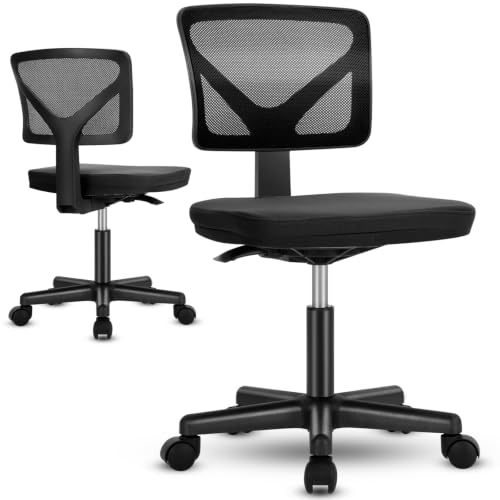
Compact models shrink the back height, narrow the base, and sometimes store notions inside a lift up seat. They suit apartment sewing corners and shared craft tables where the chair must disappear under the table between sessions.
Budget Models
Budget models, often under $100, cover the basics with a padded seat, simple height adjustment, and a plain back. They suit new sewers, classrooms, and first sewing spaces furnished without a large outlay. A firm budget chair with an honest weight rating beats a plush looking one with vague specs.
Setting Up Your Chair at the Sewing Table
Good setup turns a decent chair into the right chair. Sit with both feet flat on the floor and the ball of your right foot resting lightly on the pedal. Raise or lower the seat until your forearms rest level as your hands reach the needle area, with shoulders down and loose. Your eyes should meet the needle without tipping your head far forward.
Then set the backrest so it touches your lower back in your working position, lock the tilt near upright, sew a practice seam, and adjust in small steps.
Common Mistakes to Avoid
- Buying by looks alone, because a handsome chair with the wrong seat height strains your shoulders on every seam.
- Choosing a seat that is too deep, because you end up perched on the front edge with no back support.
- Ignoring weight capacity, because an overloaded lift sinks slowly and leaves you sewing below table height.
- Keeping tall fixed armrests, because arms that meet the table edge push the chair back and force you to reach.
- Skipping the under table measurement, because a chair that cannot tuck in crowds a small room every day.
- Picking thick soft padding over firm foam, because soft foam compresses fast and makes long sessions sore.
How to Make Your Sewing Chair Last Longer
Tighten the bolts under the seat and at the backrest every few months, since rolling and shifting loosen them gradually, and stop using the chair until you fix any new wobble or crack in the base. If the seat starts to sink on its own, the gas lift is wearing out, and replacing that one part usually restores the chair cheaply.
- Vacuum fabric seats weekly, because grit and thread ends work into the weave and abrade the fibers.
- Wipe smooth finishes with a damp cloth, and keep leather out of direct sunlight to slow drying and cracking.
- Clear thread and scraps from the casters, because wrapped fibers stop the wheels rolling and can score hard floors.
- Store the chair away from radiators and damp walls, because heat dries foam and moisture can rust a steel frame.
FAQ
What features matter most in a chair used at a sewing machine?
Seat height adjustment matters most, followed by firm cushioning and a backrest that supports your lower back upright. One point buyers often miss is the seat front edge. A rounded edge spares the backs of your thighs, while a hard straight edge can restrict circulation and make your legs restless long before a project is done.
How high should a chair for a sewing machine sit at the table?
Your chair should sit high enough that your elbows bend at roughly a right angle with your hands at the needle plate and both feet flat on the floor. One extra check is your pedal foot. If your heel lifts off the floor to work the pedal, the seat is likely too high, and lowering it slightly restores steady speed control.
How long should a good chair for sewing machine use last?
A good sewing chair should last about five to ten years of regular use, with the gas lift and casters usually wearing before the frame does. Replacing a worn lift or a cracked caster early stretches the life of the chair, before uneven support starts stressing the base and seat plate.
Is a higher priced chair for sewing machine use worth buying?
A higher priced sewing chair is worth buying when the extra cost goes to firmer foam, a stronger lift, and adjustments you will actually use. If you sew daily, paying about $200 for build quality you can feel beats replacing a flimsy chair twice.
Final Thoughts
Start with fit. Set your seat height against your table, choose firm foam over plush softness, and make sure the backrest meets your lower back in your real working position. Then check the practical points from the product table above, especially weight capacity, base style, and warranty cover for the lift and casters. The best chairs for sewing machine pick for your room is simply the chair that keeps you comfortable, steady, and close to the needle, project after project.