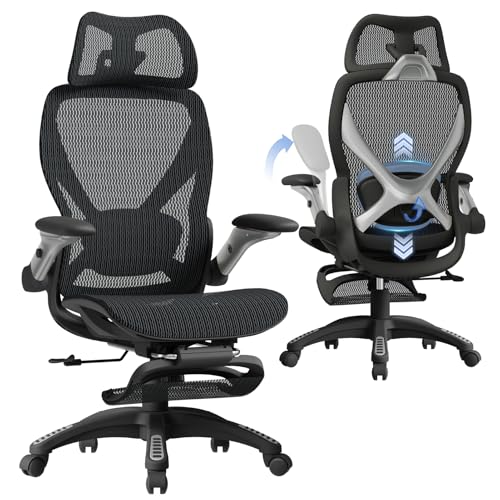
Best Chairs for Scoliosis: Matching the Right Model to Your Routine for 2026
Disclosure: We may earn a commission when you buy through links on this page, at no extra cost to you. As an Amazon Associate I earn from qualifying purchases. Learn more
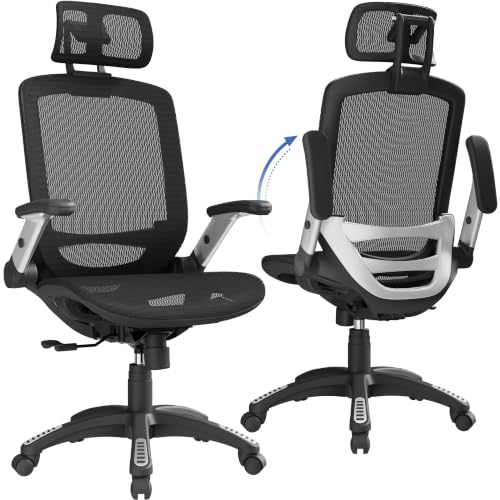
Lumbar support, seat fit and adjustability for the best chairs for scoliosis, matched to how you sit each day.
There is no single chair that suits every person living with scoliosis, because curves, pain patterns, and daily routines differ so much. The best chairs for scoliosis for you are the ones that support your back through the hours you actually sit, at the desk and in the tasks you repeat most. This guide matches features to real use so you can spend with confidence.
Start with how you sit, then look at fit, support, and build. The comparison table below gives you a quick way to compare seat sizes, support types, and adjustment ranges side by side before you read the detail that follows.
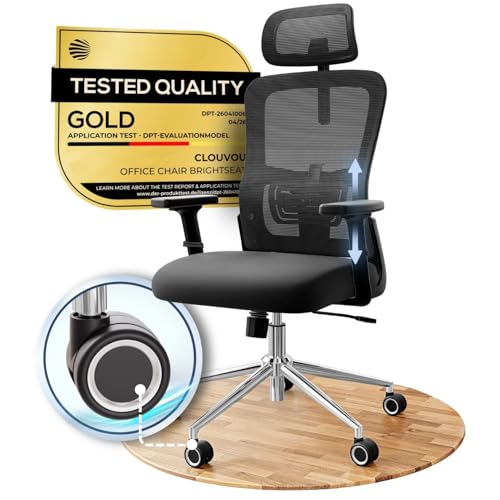
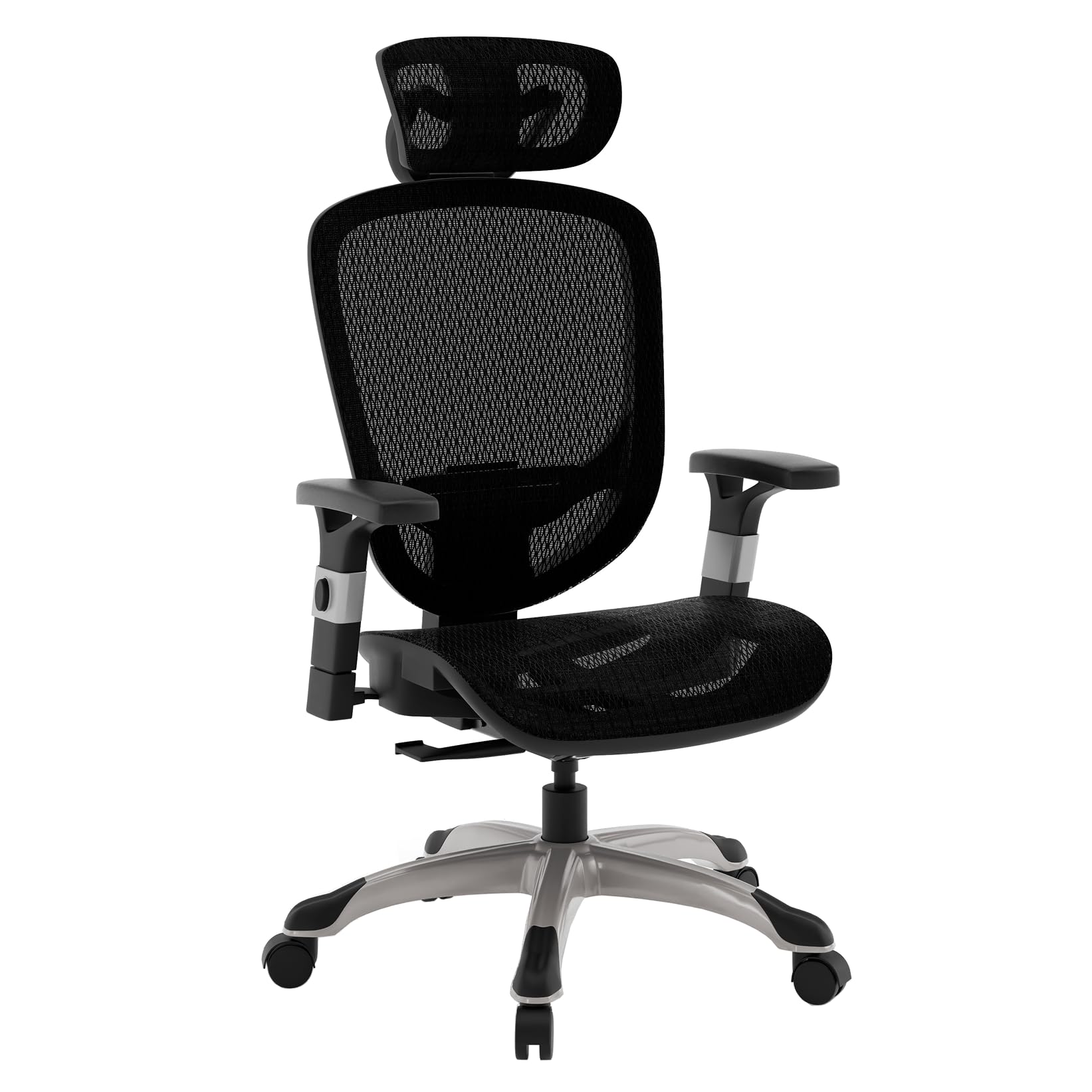
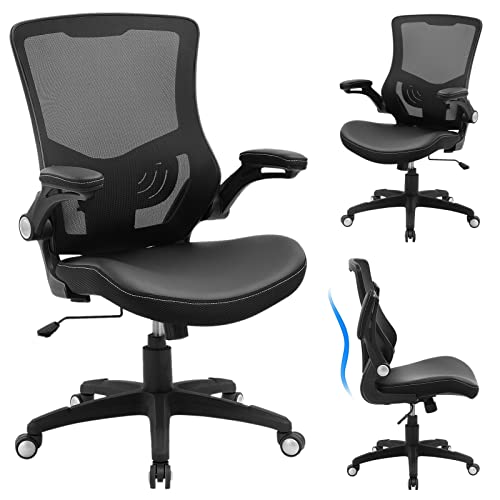
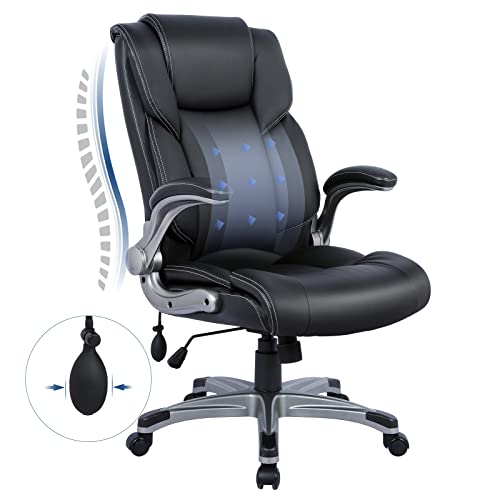
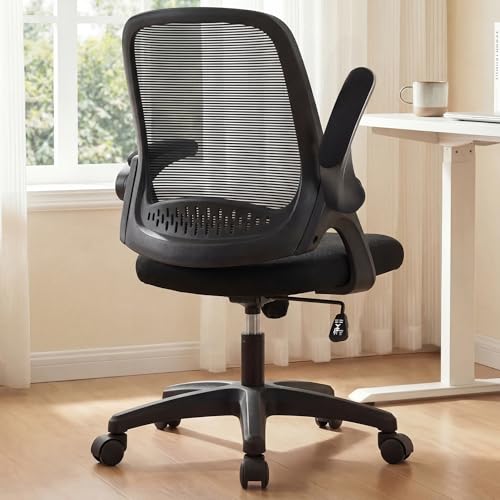

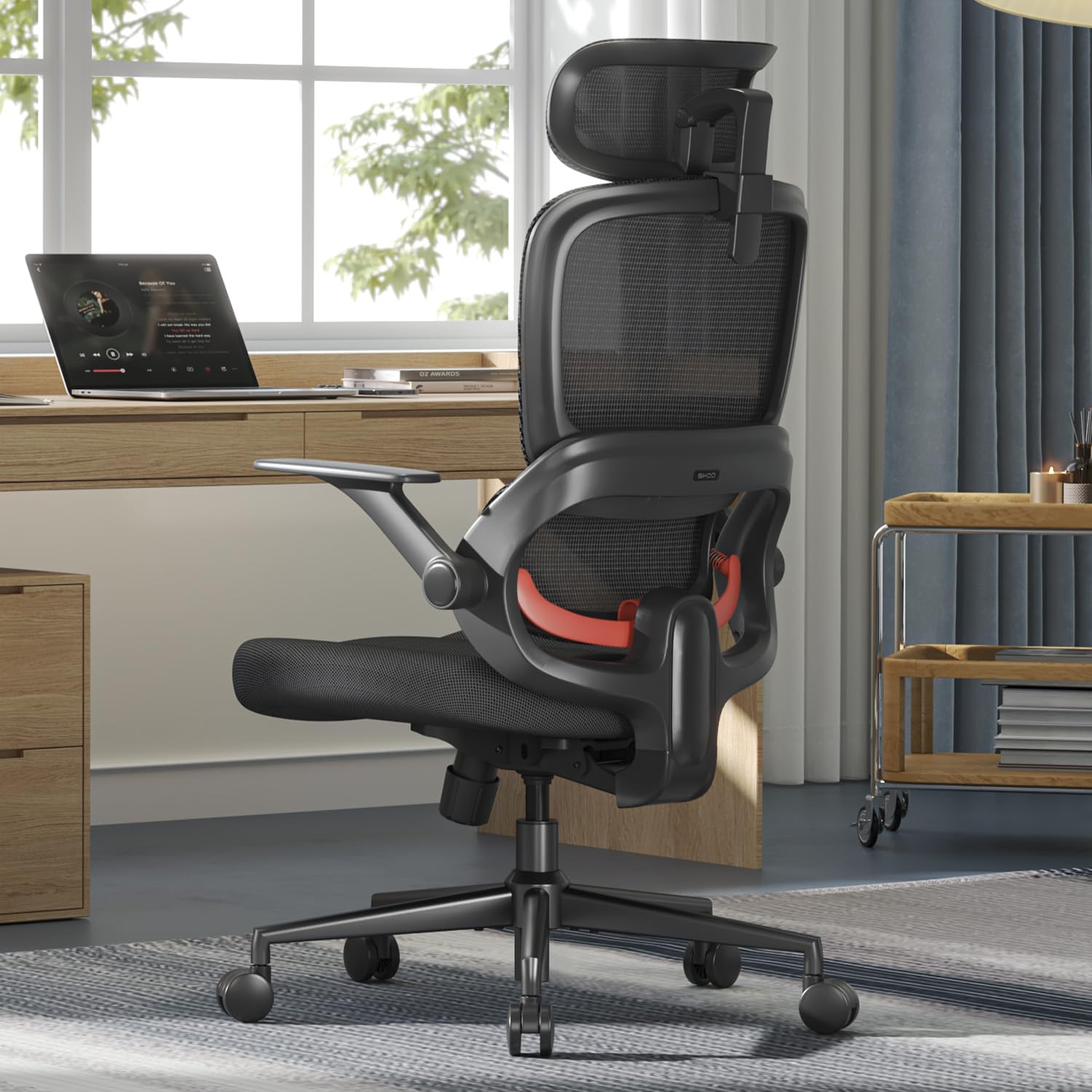
Who Should Buy Which Chairs for Scoliosis?
Your routine should lead the choice. A person who works at a screen all day needs deep adjustment and steady support, while a person who sits for shorter periods may value easy entry, a firm seat, and simple controls. Think about your curve pattern as well, since support that feels even and balanced matters more than a tall back alone.
For Value Seekers Who Need Daily Support
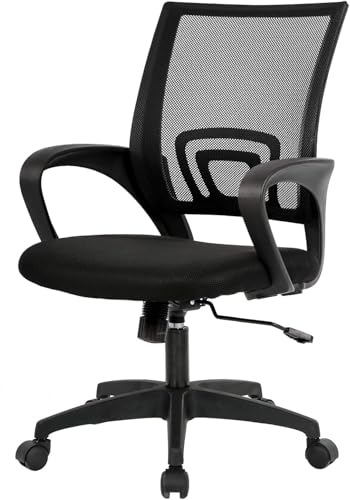
Value seekers do best with budget models that keep the core adjustments and skip extras that add cost without adding support. Prioritize adjustable seat height, real lumbar support you can move or change in depth, and a seat cushion that stays firm through the day. A steel frame and a stable base matter more than plush padding, because a chair that flexes or sags will undo good posture within weeks. You can often save money by choosing fabric over leather and fixed or two direction armrests over complex ones, as long as the back support stays strong.
For Gift Shoppers Buying for Someone Else
Gift shoppers should favor flexibility, since you may not know the exact curve pattern, seat preference, or desk height of the person receiving the chair. Look for a wide range of seat height adjustment, a back that adapts to different shapes, and clear assembly steps with all tools included. A generous return window and a solid warranty matter a lot here, because fit is personal and an exchange may be needed. If the chair is mainly for a home desk, see our guide to the best desk chairs for scoliosis for sizing ideas that pair well with common desk heights.
For People Who Want the Best Performance
Buyers who want top performance should look at premium models and executive models where the extra cost buys finer control. That includes lumbar support with separate height and depth settings, a seat you can slide forward or back, and a tilt system that lets you shift position without losing back contact. For a formal office where appearance also counts, see our guide to the best officer chairs to compare styles that still offer ergonomic shaping. Performance also means durability, so check weight capacity, frame materials, and warranty length before you pay more.
Key Features to Compare
The product table above is a useful starting point when you compare the best chairs for scoliosis, but the numbers only help when you know what each feature does for a back with a lateral curve. The sections below explain build, setup, and adjustment in plain terms, with the specific needs of scoliosis kept at the center. Use them to build a short list of must have features before you compare prices.
Build Quality and Frame
A strong frame keeps support where you set it. Look for a steel or reinforced nylon base with five casters, a gas lift rated class 4, and a back frame that does not twist when you lean to one side. That stability matters for scoliosis because uneven flex can encourage you to favor one side without noticing. Check the stated weight capacity and choose a chair rated well above your body weight so the lift and tilt stay smooth for years. If lasting build is your top concern, see our guide to the best quality chairs for notes on materials and warranty coverage.
Assembly and Delivery
Most chairs arrive in one large box with the back, seat, base, and lift packed separately, and assembly usually takes about 20 to 30 minutes with a second person to hold the back in place. Clear instructions and labeled bolts make a real difference, since a back mounted even slightly off center can change how support feels. Before you order, measure doorways and plan where the box will be opened, and keep the packaging until you have sat in the chair for a few days. That way a return stays simple if the fit is not right.
Ergonomics and Adjustability
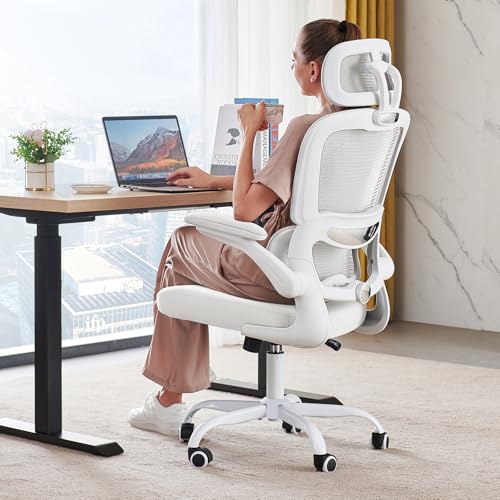
Ergonomic value comes from adjustment that matches your body, not from a long feature list. Seat height should let your feet rest flat with your knees near a right angle, and seat depth should leave a small gap behind your knees. Adjustable armrests help your shoulders relax, while a tilt lock lets you hold a slight recline that eases pressure during long tasks. For task based work with frequent typing and reaching, see our guide to the best office task chairs for ideas on arm and tilt setups that suit active desk work.
Features That Matter for Scoliosis
Scoliosis changes what good support means, because the spine curves to the side and often rotates as well. Prioritize lumbar support that you can raise, lower, and change in depth, since a fixed bump may press in the wrong place for an uneven curve. A mesh back can help because it flexes across a wider area and spreads pressure more evenly, while high density foam in the seat keeps your pelvis level so the back above it starts from a stable base. A waterfall seat edge reduces pressure behind the thighs and helps circulation during long sits.
A chair can improve comfort and posture support, but it does not treat scoliosis itself. Talk with your clinician or physical therapist about your personal needs, especially if you use a brace, have had surgery, or have a curve that is still changing. Seek prompt medical care for new or worsening pain, numbness or weakness in a leg or arm, loss of bladder or bowel control, fever with back pain, or shortness of breath. Those signs need a professional assessment rather than a change of chair.
Common Mistakes to Avoid When Buying Chairs
Most poor purchases come from judging a chair by looks or price alone. The mistakes below are common, and each one can leave you with support that feels fine for a week and wrong for months.
- Choosing only by price, which often means weak lumbar support that flattens and leaves your lower back without guidance.
- Ignoring frame quality and weight capacity, which leads to wobble, uneven tilt, and a lift that sinks during the day.
- Buying the wrong size, which puts the lumbar support at the wrong height and leaves your feet dangling or your knees pressed high.
- Skipping the warranty and return terms, which leaves you stuck if the fit does not suit your curve after real use.
- Picking a deep, soft seat for comfort alone, which lets your pelvis tilt back and increases strain through a long work session.
Tips to Get the Most From Your Chair
Once your chair arrives, small habits protect both your comfort and the chair itself. Set the seat height so your feet rest flat, then adjust the lumbar support so it fills the natural curve of your lower back without pushing you forward. Change your tilt position through the day and stand or walk briefly at regular intervals, since no chair replaces movement.
For care, tighten the bolts every few months because daily tilt and shifting can loosen them over time. Vacuum fabric and mesh with a soft brush to lift dust from the weave, and wipe smooth surfaces with a damp cloth and mild soap, then dry them fully. Keep casters free of hair and grit so the chair rolls evenly, and avoid sitting on the front edge for long periods because that compresses the foam in one spot. If you share the chair at a workplace, see our guide to the best office chairs for scoliosis for setup notes that help each user reset the fit quickly.
Frequently Asked Questions
What features matter most in chairs for scoliosis?
Adjustable lumbar support matters most in chairs for scoliosis because it can be placed to match your curve rather than a fixed average shape. Next, look at seat depth adjustment and a firm, level seat, since pelvic position shapes everything above it. One point many buyers miss is back width. A back that is too narrow can press on one shoulder blade, so compare back width against your torso as carefully as seat width.
Is an expensive chair for scoliosis worth the extra cost?
An expensive chair for scoliosis is worth the cost only when the price buys adjustment and durability you will actually use. Separate controls for lumbar height and depth, a sliding seat, and a longer warranty justify spending more for full time desk work. If you sit for an hour a day, that same spending adds little. A useful test is cost per year. Divide the price by the warranty years to compare value more fairly.
How long should a chair for scoliosis last with daily use?
A chair for scoliosis should last about five to eight years with daily use when the frame, lift, and cushion are well made. The seat foam usually softens first, so a replaceable cushion or a warranty that covers foam is a real advantage. You can extend that life by rotating where you sit on the seat during the day and by keeping the chair out of strong direct sunlight, which weakens fabric and foam over time.
What features matter most in a chair for scoliosis during long hours of sitting?
For long hours, the features that matter most in a chair for scoliosis are a tilt system with tension control, breathable support, and armrests that keep shoulders level. A mesh back helps heat escape, which reduces the restless shifting that builds up in warm rooms. Add a simple timer habit to your setup. Standing for a few minutes each hour protects your back in a way no single feature can, and it also gives the cushion time to recover its shape.
How do you choose the right size chair for scoliosis?
You choose the right size chair for scoliosis by matching three measurements to your body: seat width, seat depth, and back height. Sit with your back against a wall and measure from the wall to just behind your knees to estimate the depth you need. Then check that the lumbar support range covers the height of your lower back curve. If you fall between sizes, the size with the wider lumbar adjustment range is usually the safer pick.
Final Thoughts
Start with your routine, then judge each chair on lumbar placement, seat fit, and frame strength. Those three factors shape daily comfort far more than styling or extra padding. The comparison table above can help you confirm sizes, capacities, and adjustment ranges once you know which features you need most.
Take your time, use the return window to test the chair through real workdays, and adjust it more than once before you decide. When you match best chairs for scoliosis to how you truly sit, you give your back steady, balanced support and you avoid paying for features that do not serve you. Prices and availability can change, so check the product page before ordering.