Best Chairs for Sciatica Nerve Pain Made Simple: A Clear Buying Guide for 2026
Disclosure: We may earn a commission when you buy through links on this page, at no extra cost to you. As an Amazon Associate I earn from qualifying purchases. Learn more
Shopping for the best chairs for sciatica nerve pain for the first time? Learn the terms, compare options, and avoid rookie mistakes with this easy guide.
Shopping for a chair when sitting itself hurts can feel confusing, especially if this is your first time reading chair specs. Choosing the best chairs for sciatica nerve pain starts with one simple idea. A good chair cannot treat the nerve, but it can reduce pressure and poor posture that make sitting feel worse.
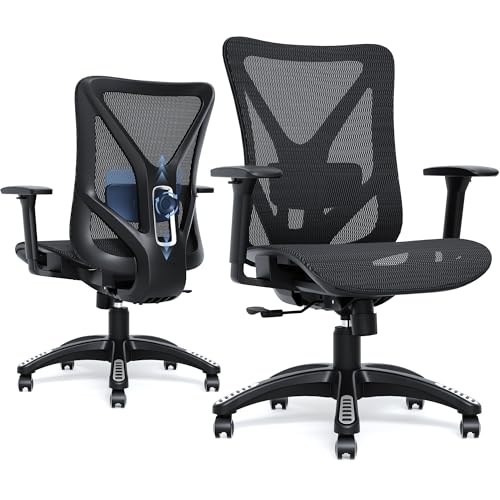
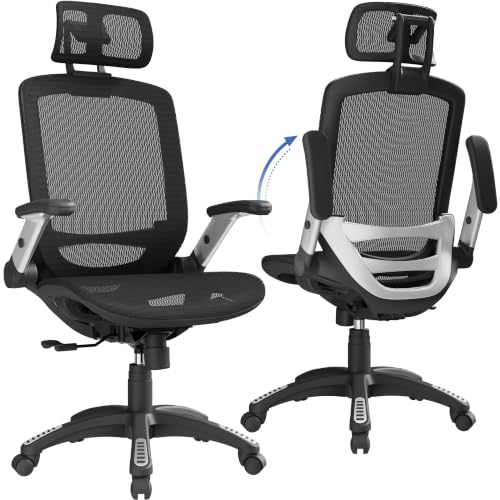
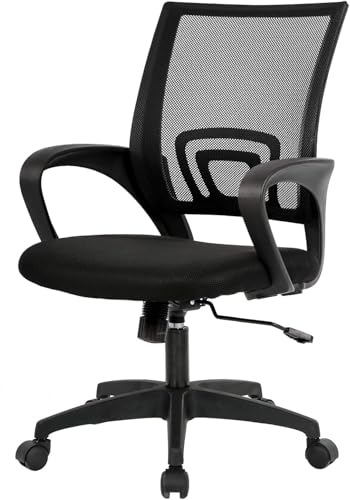
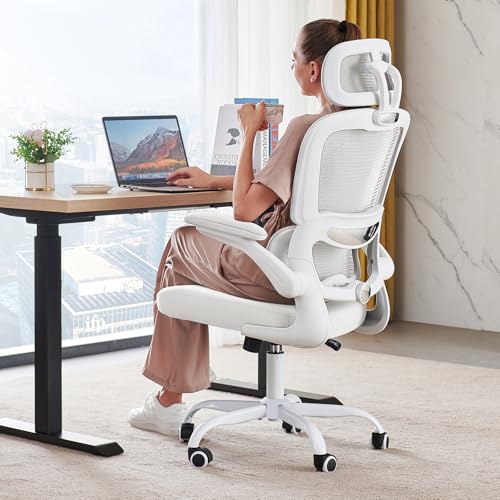
This guide walks you through the basics in plain language, from seat shape to warranty terms, so you can compare options with confidence. Start with the comparison table below, then use the sections that follow to understand what each adjustment does and how to set the chair up.
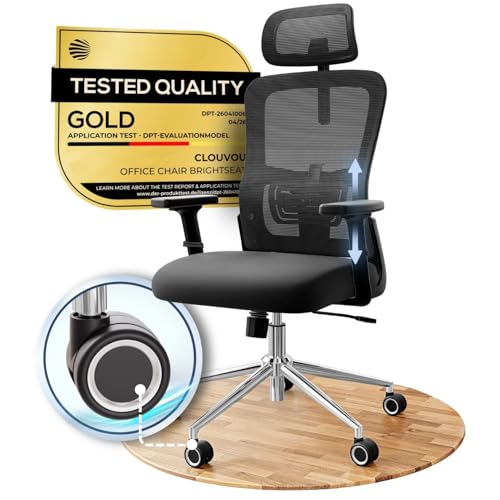
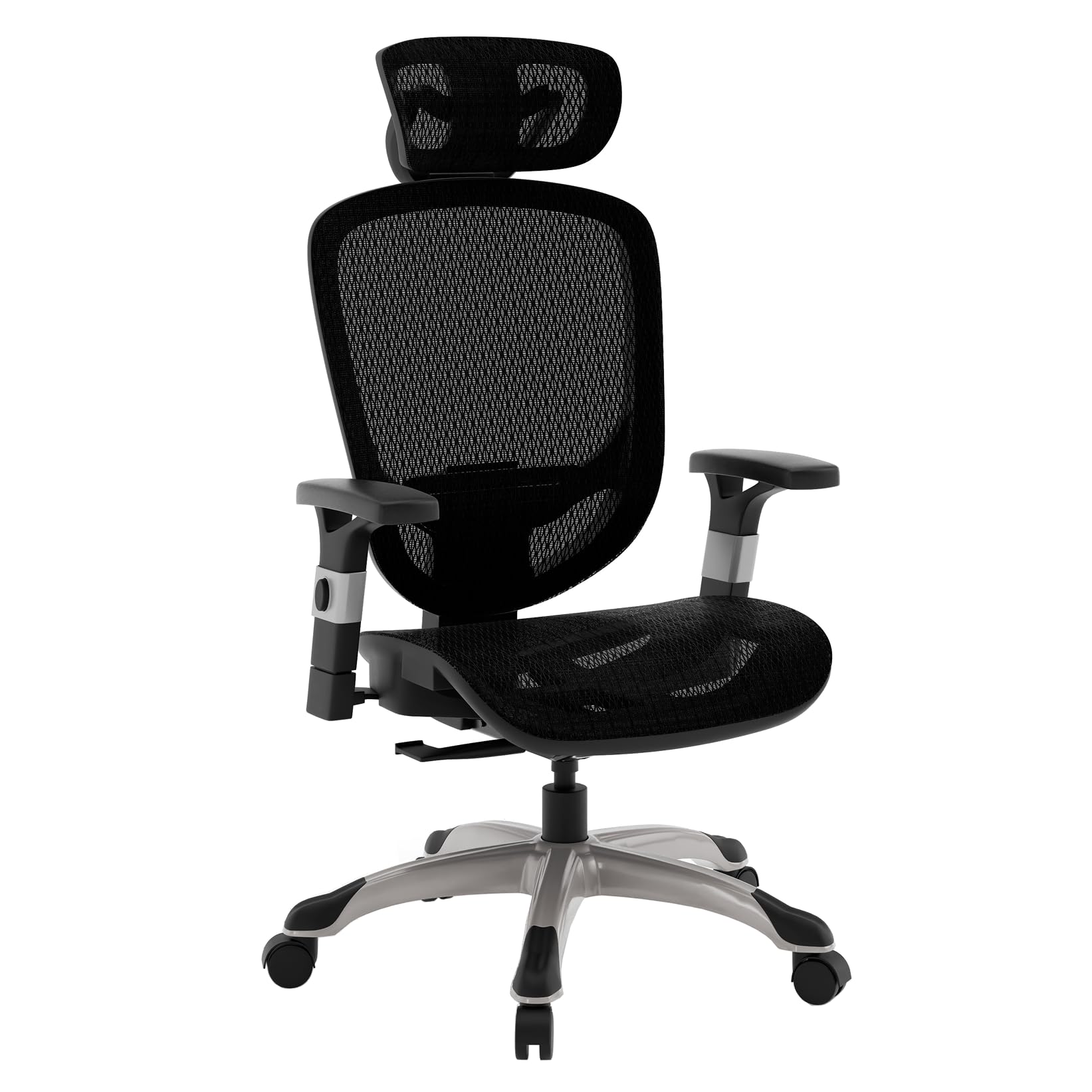
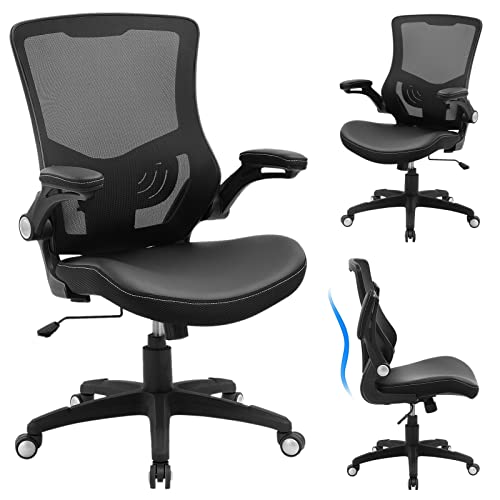
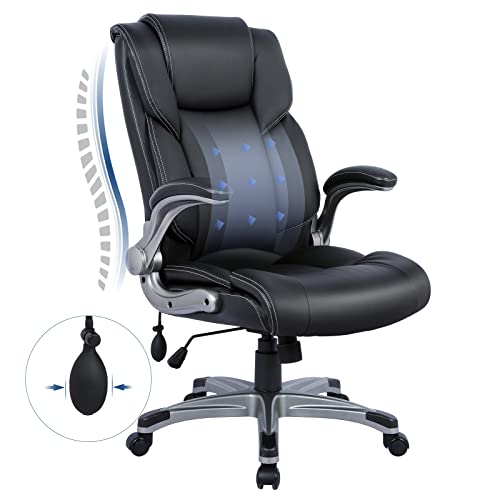

Chairs 101: The Basics for New Buyers
Sciatica describes pain that travels from the lower back through the hip and down one leg, following the path of the sciatic nerve. Sitting puts load on the pelvis and the lower spine, so seat shape and back support matter more than they do for a chair used only at meals. A chair built for this need spreads your weight across a wider area instead of letting it press into one small spot.
Most chairs in this category are ergonomic models designed for desks, with an adjustable seat, a shaped backrest, and support you can move to match your body. If nearly all of your sitting happens during office hours, see our guide to the best office chairs for sciatica nerve pain for workday focused advice.
Daytime seating is only one part of how your back feels, since the surface you sleep on also affects morning stiffness. If leg pain regularly wakes you at night, see our guide to the best mattresses for sciatica nerve pain to compare nighttime support.
A chair is a comfort and fit tool, not a medical treatment, so know the warning signs that need prompt medical care. Get help right away for new or worsening leg weakness, loss of bladder or bowel control, or numbness around the inner thighs and buttocks. Pain after a serious fall, or back pain with a fever, also needs quick attention. Talk with your clinician about your personal needs.
Key Specs Explained in Plain English
The terms on a chair listing can look technical, but each one describes something you can picture and test. When you compare best chairs for sciatica nerve pain, the six areas below cover the specs that shape comfort for a sensitive back and legs. Check each point against the product table above as you read.
Features That Matter for Sciatica Nerve Pain
Seat shape deserves your attention first, because the seat is where your weight meets the chair. Look for a front edge that curves gently downward, often called a waterfall edge, so it does not press into the back of your thighs. A seat that feels slightly firm under your sit bones usually holds your pelvis steadier than one that lets you sink deep into soft padding.
Seat depth and width should match your frame rather than a showroom average. A deeper seat suits longer thighs, while a shallower seat lets shorter legs reach the floor without the edge pushing behind the knees. Check the stated weight capacity too and choose a rating comfortably above your body weight, since a frame and gas lift working near their limit feel less stable and wear out sooner.
Ergonomics and Adjustability
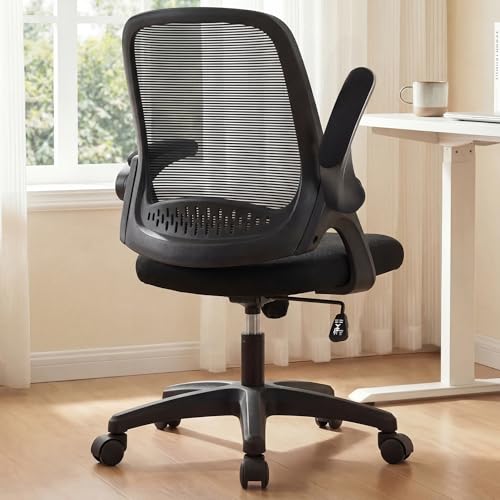
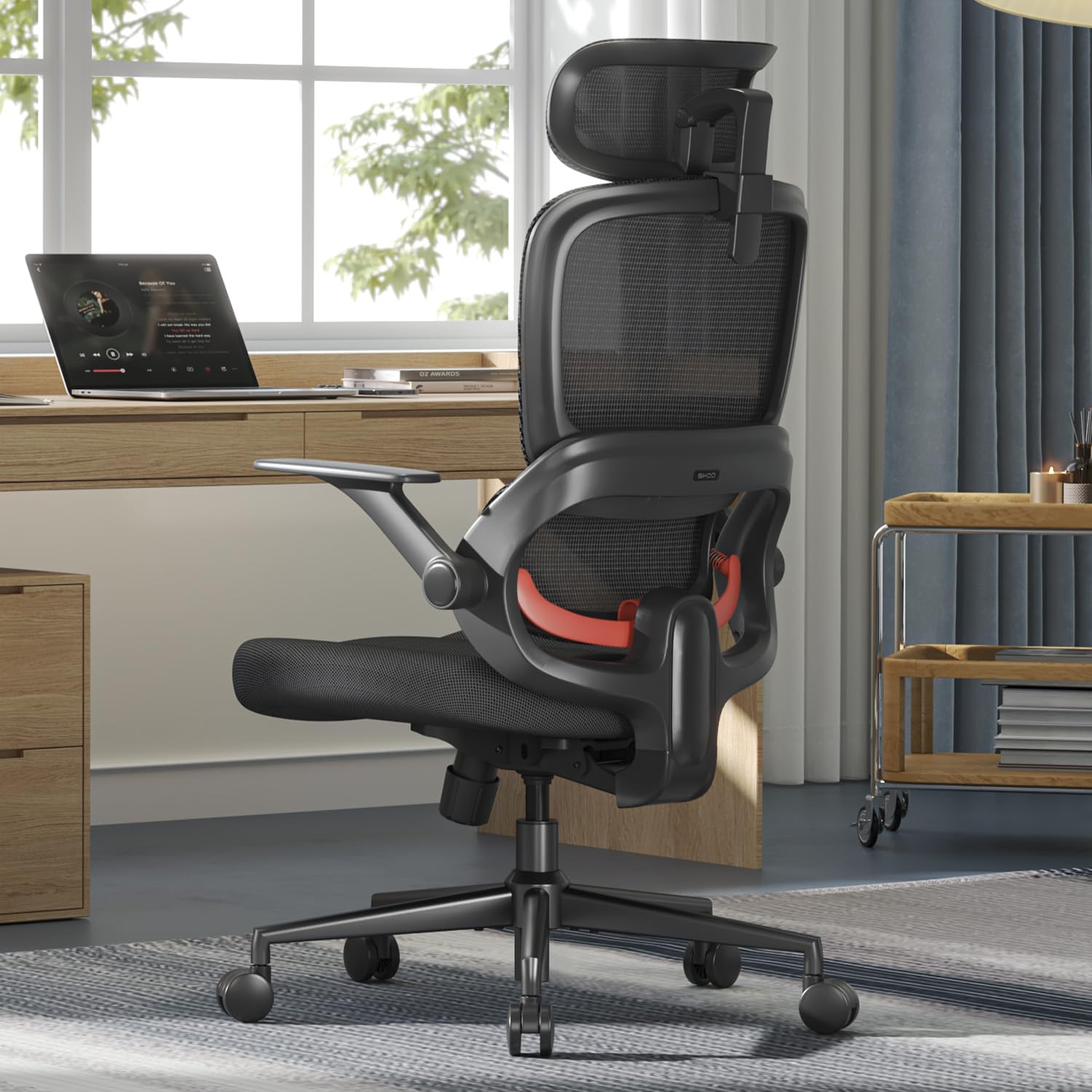
Ergonomic design simply means the chair adjusts to you instead of forcing you to adjust to it. Seat height should let your feet rest flat with your knees near a right angle, and the range matters if you are shorter or taller than average. Lumbar support should move up and down so its curve meets the small of your back, and support that also moves forward or back is easier to fine tune.
A tilt lock lets you fix the backrest at a slight recline instead of sitting bolt upright all day, which shifts some load away from the seat. Adjustable armrests should drop low enough to slide under your desk and rise just enough to support your forearms without lifting your shoulders. If your desk height is fixed, see our guide to the best desk chairs for sciatica for more on pairing a chair with a desk.
Comfort and Cushioning
Cushioning is a balance between softness you feel right away and support still there after three hours. High density foam holds its shape longer and keeps your pelvis level, while very soft foam can bottom out and leave pressure on the tailbone area. Thickness alone tells you little, so pay more attention to density and seat shape than to a plush photo.
Backrest material changes how a long session feels in a warm room. A mesh back allows air to move, which many people find cooler, while a padded backrest feels warmer and more cushioned against the spine. If a frame fits you well but the seat feels too hard, see our guide to the best cushions for sciatica pain for an add on that can change seat feel without replacing the whole chair.
Warranty and Return Policy
Warranty terms tell you how the maker expects the chair to age, so read them by part rather than by the headline number. The frame and base carry the most load and should have the longest coverage, while the gas lift and casters wear sooner. Foam coverage is often shorter, and some warranties exclude normal softening.
The return policy matters just as much for a first purchase, because true comfort only shows up after several full days of sitting. Check how many days you get, whether you must keep the box, and who pays return shipping on a large item. Many suitable chairs cost under $600, and a fair trial window protects that spending better than a small discount does.
Assembly and Delivery
Most chairs arrive in one large box with the backrest, seat, base, casters, and armrests packed separately. Assembly usually means attaching the casters, setting the gas lift into the base, and bolting the seat, backrest, and armrests in a set order. Listings often estimate about 20 to 45 minutes, and a basic tool is commonly included.
Plan for the size and weight of the delivery before it arrives. A heavier chair can be awkward to carry up stairs alone, so a second person for lifting protects both the chair and your back. Check every part against the parts list before you start, and photograph any box damage, since that record helps if you need a replacement part.
Style and Room Fit
Style is not only about color, because size and shape change how your room works. Premium models and executive models often have wider backs and thicker padding, which suit a study but can crowd a small bedroom corner. Measure the space under and around your desk before choosing a larger design.
Think about floors and movement as part of room fit too. Standard casters roll well on carpet but can mark hard floors, and some listings offer softer wheels. Leave enough space behind the chair to recline and stand up without twisting, since an awkward exit can undo the good posture the chair helped you keep.
Rookie Mistakes to Avoid
New buyers tend to make the same handful of errors, and most are easy to sidestep once you know them.
- Buying on looks alone leads to a chair that photographs well but presses on your thighs and leaves your lower back unsupported.
- Choosing a seat that is too deep for your legs pushes the front edge behind your knees and can leave your feet dangling.
- Placing lumbar support at belt height instead of the curve of your lower back pushes on the wrong spot and adds strain.
- Ignoring seat width and weight capacity squeezes your hips and makes the frame and lift work harder than they should.
- Staying seated for hours just because the chair feels good at first lets stiffness build and can leave you sorer by evening.
Getting Started: Setup and First Use
Build the chair on a clear, soft surface such as a rug so parts do not get scratched. Follow the manual in order, start every bolt by hand before tightening, and tighten in a pattern that pulls parts together evenly. Keep the box until you have sat in the chair for several days and know you are keeping it.
Once the chair is upright, adjust it in a set order so each step builds on the last one.
- Set the seat height so your feet rest flat and your knees sit level with or slightly below your hips.
- Check seat depth by sitting back fully and confirming you can fit two or three fingers behind your knees.
- Move the lumbar support until its curve fills the hollow of your lower back without pushing you forward.
- Raise the armrests until your forearms rest lightly with shoulders relaxed and elbows near your sides.
- Set the tilt lock at a slight recline that feels supported, then test it through a normal task.
Give yourself a short adjustment period instead of judging the chair in the first ten minutes. Sit in shorter stretches at first, stand and walk briefly about every 30 minutes, and note what feels different by evening. Recheck the bolts every few months, since daily use can loosen them and create a wobble.
Frequently Asked Questions
What features matter most in chairs for sciatica nerve pain?
Seat shape and adjustable lumbar support matter most in chairs for sciatica nerve pain. A downward curving front edge and a seat depth that fits your thighs reduce pressure where your legs leave the chair. One practical habit helps too. Empty your back pockets before you sit, because a wallet under one side tilts your pelvis and undermines the support you paid for.
How do you choose the right size chair for sciatica nerve pain?
You choose the right size by matching seat width, depth, and height to your own measurements. Measure across your hips while seated and along your thigh from your back to behind your knee, then compare both numbers with the listing. Wear the shoes you normally sit in when you test the height, since thick soles change how flat your feet rest.
Is an expensive chair for sciatica nerve pain worth the cost?
An expensive chair is worth the cost only when the extra money buys adjustments that fit your body better. Higher prices often bring a wider range of seat and back movement, stronger frames, and longer coverage on parts that wear. Ask whether wear parts such as arm pads and gas lifts can be ordered later, because easy replacement can keep a good chair in service for years.
What features matter most in a chair for sciatica nerve pain during long hours of sitting?
A slight recline with a reliable tilt lock matters most during long hours, because it lets you shift load without slumping. Pair that with a backrest shape that supports you as you lean back, not only when you sit upright. Change position in small ways through the day, such as moving your feet, since even a well fitted chair cannot replace movement.
How long should a good chair for sciatica nerve pain last?
A good chair should last through years of daily use, with the frame and base usually outliving the foam and moving parts. Longevity depends more on daily load and care than on the calendar, so watch for changes in behavior. A seat that stays flattened overnight, a slow sinking feeling from the lift, or a new lean to one side are signs that a part needs attention.
Final Thoughts
For a first purchase, focus on three things: a seat shape that spares your thighs and tailbone, lumbar support you can place where your back curves, and a size that truly fits your frame. Use the product table above to compare those points, and give any new chair several full days before you judge it. The right best chairs for sciatica nerve pain choice still feels supportive at the end of your longest sitting day, and your clinician can help you weigh personal factors a buying guide cannot.