
Best Chairs for Psychotherapists: What Actually Matters Before You Buy for 2026
Disclosure: We may earn a commission when you buy through links on this page, at no extra cost to you. As an Amazon Associate I earn from qualifying purchases. Learn more
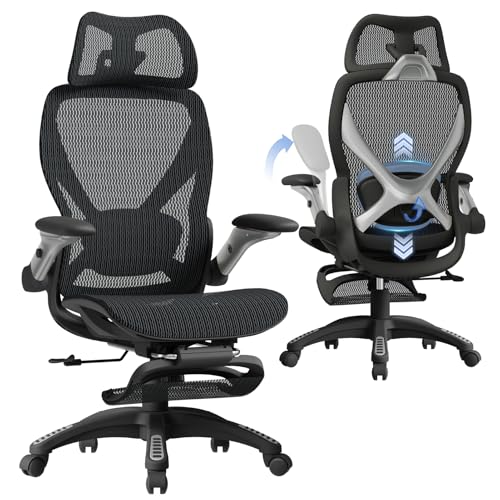
Compare the best chairs for psychotherapists with a clear checklist on support, quiet movement, sizing, upholstery, and value for long daily sessions.
You spend most of your working day seated, listening closely through one session after another, often with only a few minutes to stand and reset between clients. The chair under you shapes your posture, your energy, and how present you can stay by the last appointment of the day. Choosing the best chairs for psychotherapists is really about quiet support that never pulls attention away from the person across from you.
This guide gives you a clear checklist for judging any option on fit, comfort, movement, materials, sizing, and long term value. It explains what each criterion means in a therapy room, what good and weak versions look like, and how to match a chair to your practice style. Use the comparison table below to line up your shortlist, then work through the sections here before you decide.
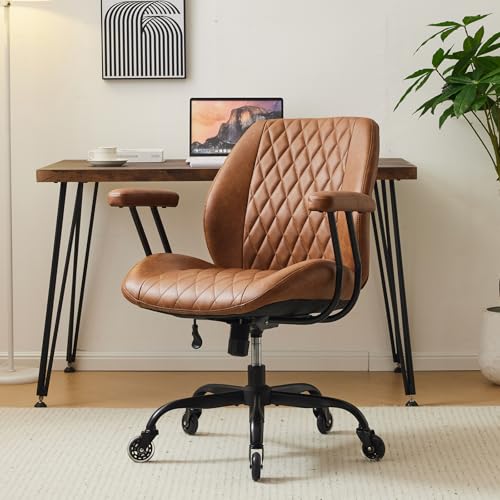
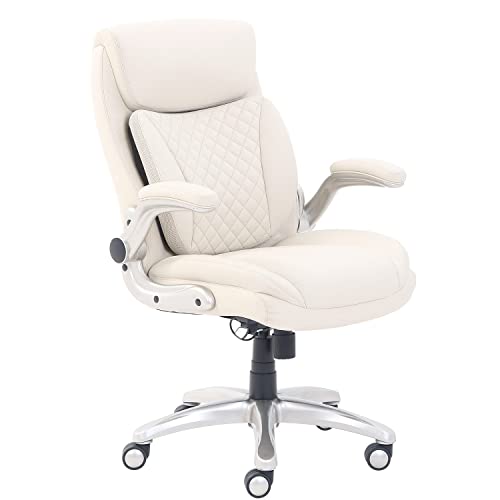
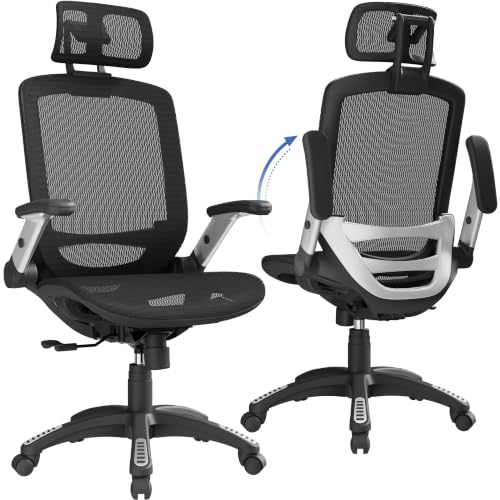

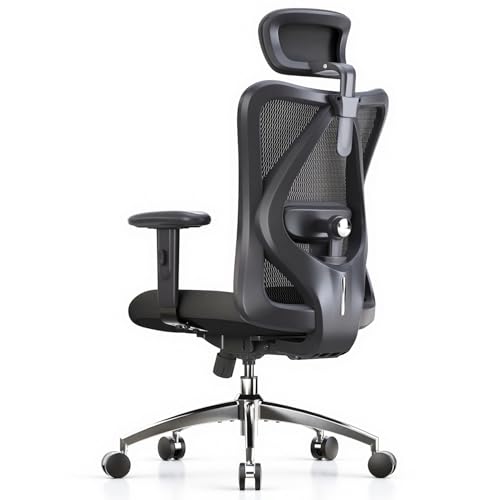

How to Evaluate Chairs With a Clear Checklist
Score every option against the same criteria instead of choosing by looks or price alone. Therapy work has specific demands: you sit still for long stretches, lean in, take notes, shift position, and move between sessions without noise or fuss. Many therapy chairs share parts with general task seating, so if you also outfit an admin desk, see our guide to the best office task chairs to compare how standard task models are built. Then judge therapy options by the stricter standards below.
Features That Matter for Psychotherapists
Silence is the feature clients never notice until it is missing. Casters, swivel, and tilt should move smoothly without squeaks, clicks, or sudden drops, because small noises break concentration in a quiet room. You also need a stable base that lets you lean forward to listen, sit back to reflect, and turn toward a notebook or side table without the chair drifting. Armrests should support your forearms while you write, yet stay clear of your ribs when you gesture.
Ergonomics and Adjustability
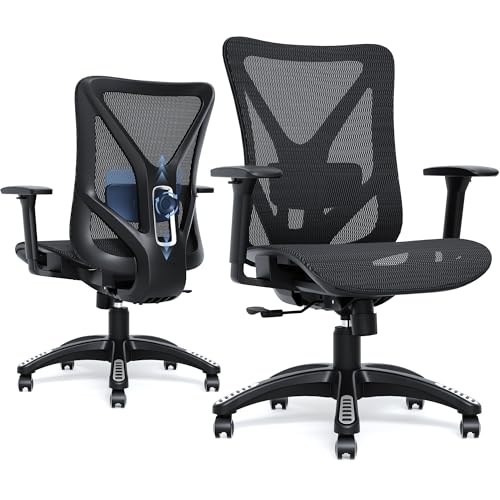
Ergonomic fit starts with seat height that lets your feet rest flat on the floor with your knees near level with your hips. Lumbar support should meet the curve of your lower back and move up or down, because fixed pads rarely land in the right spot. Adjustable armrests that change height and width keep your shoulders relaxed while you take notes, and a tilt lock with tension control lets you choose an upright posture or a slight recline.
If you notice persistent numbness, tingling, or recurring sharp pain, talk with your clinician or an ergonomics professional rather than expecting a chair alone to solve it.
Seat Comfort and Materials
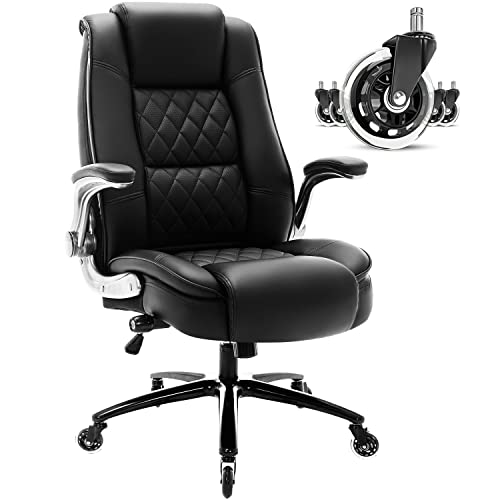
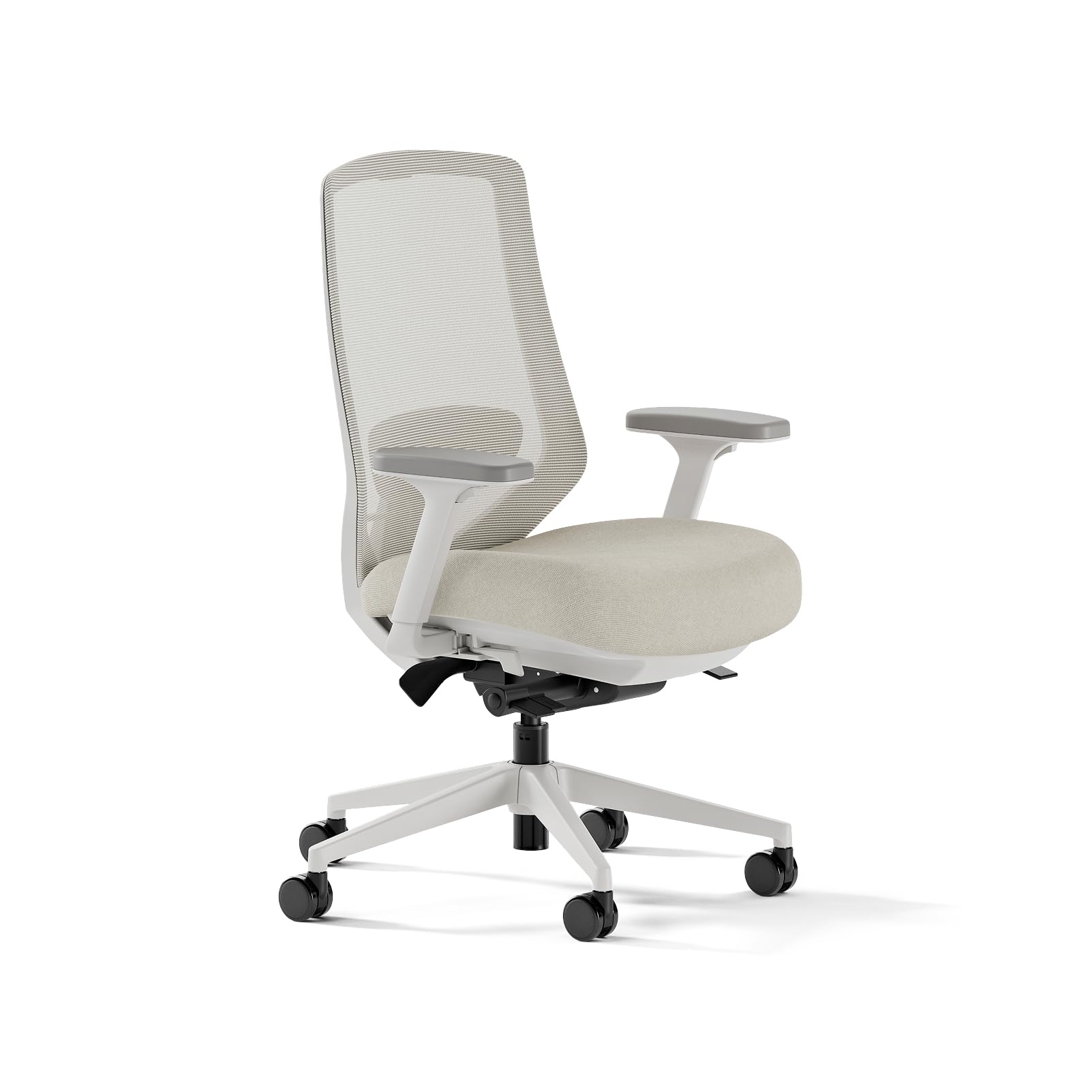
A seat you use for six or more hours a day needs cushioning that holds its shape. High density foam resists the flattened feel that thin padding develops within months, so support in the final session matches the first. A mesh back keeps air moving during long afternoons, while a padded back with fabric upholstery feels warmer in cooler rooms. Look for a front seat edge that slopes down gently and upholstery you can wipe clean between clients, because spills and lotion marks happen in real offices.
Size, Dimensions, and Weight Capacity
Measure your room before you fall for a wide executive frame. Note the space between your desk or side table and the client seating, the door width the chair must pass through, and whether the base can roll without striking a rug edge or bookcase. Check the listed weight capacity and leave a clear margin above your own weight, since capacity reflects the frame, lift, and base working together. If your office is small, compact and space saving models with narrower bases and arms that lift up give you the core adjustments in a smaller footprint.
Warranty, Assembly, and Delivery
Read the warranty by parts, not by the headline number. The frame and gas lift do the hardest work, so look for coverage on those parts that runs several years, plus a return window long enough to test the chair across real session days. Build quality shows here, and if you want a broader sense of how brands handle materials and construction, see our guide to the best quality chairs. Most chairs arrive partly assembled, and one person can usually finish the job with the included tool in about half an hour.
Style and Room Fit
Your chair is part of the room your clients read the moment they enter. Calm colors, simple lines, and modest scale help the chair recede so the setting feels balanced rather than dominated by an oversized executive seat. Premium and executive models can suit a formal office, but very tall backs may tower over clients in small rooms. Bold racing shapes with deep recline and bright trim rarely fit a therapy setting.
Matching a Chair to the Way You Practice
No single design fits every therapist, so use your schedule and setting to narrow the field. The groups below replace guesswork with the questions that matter for your day.
Solo Practice With Full Days of Sessions
If you see clients back to back in your own office, durability and all day comfort come first. Choose the strongest frame and lift you can afford, a seat that stays supportive in the final session, and arms you can set once and forget. You will also reset the room often, so smooth casters suited to your floor protect both the floor and your focus. A slightly larger budget usually pays off here, because replacing a failed lift mid year costs more than choosing well once.
Group Practice and Shared Offices
When several therapists share one room, adjustability range matters more than any single perfect setting. Look for seat height and arm settings that change quickly without tools, upholstery that tolerates frequent cleaning, and a base that survives being moved between rooms. Note your preferred settings so resetting after a colleague takes seconds. Chairs in shared spaces also face more wear from varied users, so the listed weight capacity should cover the heaviest clinician on the team with room to spare.
Small Rooms, Home Offices, and Telehealth
In a compact room or a home office, scale decides whether the chair helps or crowds you. Narrower seats, lower backs, and arms that lift out of the way keep pathways clear and let you sit closer to a desk or side table. For telehealth, check how the chair looks on camera: a moderate back height frames you professionally without filling the screen, and quiet movement matters even more because microphones catch small squeaks and rolls. Test the full turn of the chair in the actual room before committing.
Quick Buyer Checklist
Before you order, run through these questions for any option on your shortlist. When you compare the best chairs for psychotherapists in the product table above, honest yes answers to most questions mean the chair deserves a closer look.
- Can you set the seat height so your feet rest flat with knees level?
- Does the lumbar support reach the curve of your lower back?
- Do the armrests support your forearms without lifting your shoulders?
- Does the tilt move silently when you lean in or sit back?
- Does the seat depth leave a small gap behind your knees?
- Does the listed weight capacity exceed your needs with a clear margin?
- Can you clean the upholstery quickly between clients?
- Does the warranty cover both the frame and the gas lift for several years?
Red Flags to Watch For
Weak chairs often reveal themselves in the listing before they ever reach your office. Treat any of these signs as a reason to pause or walk away.
- Dimensions or weight capacity are missing or vague, so you cannot confirm the chair fits your body or your room.
- The warranty runs only a year or excludes the gas lift, leaving the part most likely to fail without coverage.
- The seat uses thin, soft foam with no density information, which usually flattens quickly under daily session use.
- Fixed arms sit at one height with no adjustment, forcing your shoulders up or leaving your arms unsupported while writing.
- Replacement parts are unavailable, so a worn caster or cylinder means replacing the whole chair instead of repairing it.
Care and Maintenance Tips
A therapy chair lasts longer with small habits between sessions. Set the seat height so your feet rest flat and your weight spreads evenly, then return the tilt to your working position at the end of the day. Every few months, tighten the bolts under the seat and at the arms, because steady daily use slowly works them loose. Vacuum fabric upholstery weekly and wipe smooth finishes with a damp cloth, treating spills promptly so marks do not set.
Check casters monthly and clear away hair and thread, which cause drag and floor scratches. Keep the chair out of harsh direct sunlight to slow fading and drying of the finish. If the seat slowly sinks while you sit, the gas lift is wearing out and prompt replacement restores safe, stable height. Store the manual and warranty details together so part numbers are easy to find.
FAQ
What features matter most in chairs for psychotherapists?
Quiet movement, true adjustability, and a supportive seat matter most in chairs for psychotherapists. Start there, then check one detail many buyers miss: how the chair sounds on your actual floor. Hard surfaces carry caster noise into the room, so soft tread casters or a low pile rug under your chair can keep sessions calmer. A chair that disappears into the background is doing its job well.
How do you choose the right size for a psychotherapist chair?
Choose the size of a psychotherapist chair by measuring your body first, then the room. Sit with your usual work shoes on and measure from the floor to the crease behind your knee; the chair seat at its lowest should sit at or just below that number. Next, measure the width you need between the arms while seated in normal clothing. These two numbers filter out most poor fits before style or price enter the decision.
What features matter most for long hours in a psychotherapist chair?
For long hours, the features that matter most in a psychotherapist chair are a firm supportive seat, adjustable lumbar contact, and a tilt you can unlock for small shifts in posture. Even the best setup cannot replace movement, so stand, walk, and stretch briefly between sessions whenever your schedule allows. Small position changes through the day protect your energy better than any single cushion or accessory added later.
How long should a good psychotherapist chair last?
A good psychotherapist chair should last about five to eight years of daily practice use before major parts wear out. Foam usually softens first, followed by caster wear and a lift that no longer holds height. Home office use with fewer weekly hours often stretches that life further, while shared rooms shorten it. Replacing worn casters or a cylinder promptly keeps a sound frame in service instead of forcing a full replacement.
Is an expensive psychotherapist chair worth the cost?
An expensive psychotherapist chair is worth the cost only when the extra money buys fit, quiet movement, and warranty length you will actually use. Think in cost per session: a chair used for hundreds of sessions a year spreads even a premium price thin, with the cost spread across every client hour you sit through. A modest chair with a long parts warranty can be the smarter buy than a costly model with short coverage.
Final Thoughts
Start with fit, silence, and durability, and let style and price follow. A chair that supports your posture, moves without a sound, and holds up under daily sessions supports both your body and the calm of the room. Review your shortlist against the checklist, then look again at the product table above to compare dimensions and coverage side by side. Chosen with care, the best chairs for psychotherapists becomes the piece of equipment you stop thinking about, which is exactly what good seating should do.

