
Best Chairs for Producers: Our 2026 Checklist for Studio Comfort
Disclosure: We may earn a commission when you buy through links on this page, at no extra cost to you. As an Amazon Associate I earn from qualifying purchases. Learn more
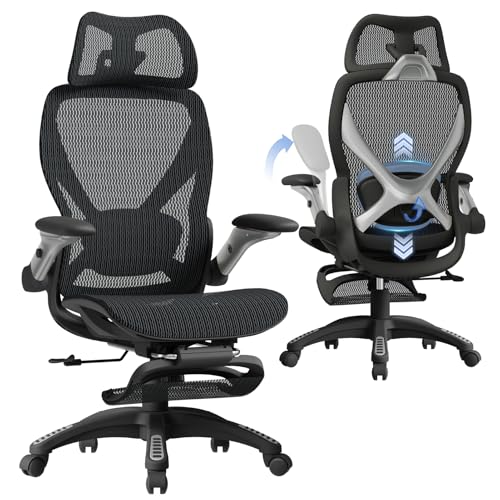
Compare the best chairs for producers by lumbar support, armrest clearance, seat depth and studio fit for long mixing and editing sessions.
Producers sit differently from most desk workers. You lean toward monitors to edit, roll between a keyboard and a mixing surface, reach for instruments, and stay seated through long stretches where standing up would break your focus. Choosing best chairs for producers means judging a chair by how it supports that movement, not by looks alone.
This guide gives you a clear checklist for support, adjustment, materials, and studio fit. Use it alongside the comparison table below, and you can narrow your options by the specs that actually change how a session feels.
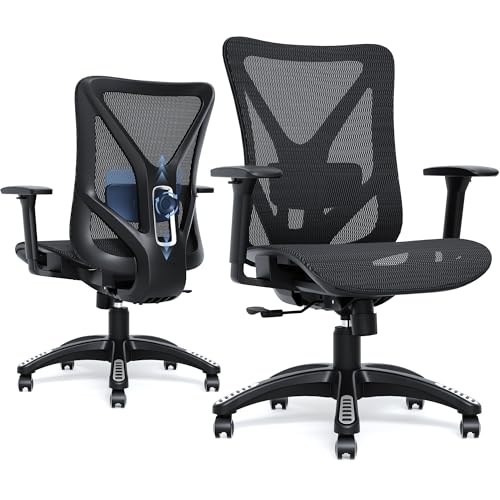
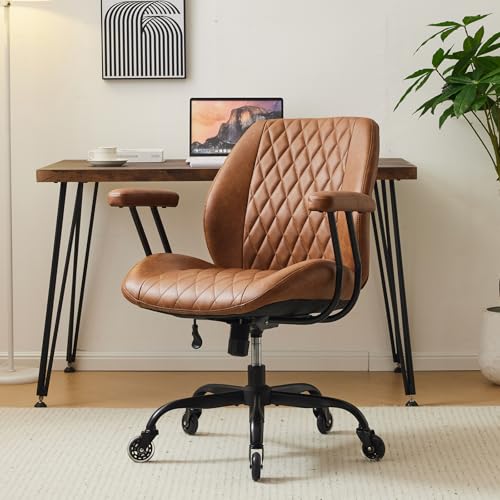
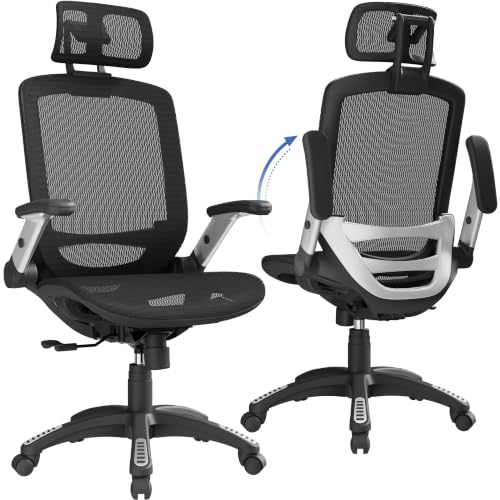


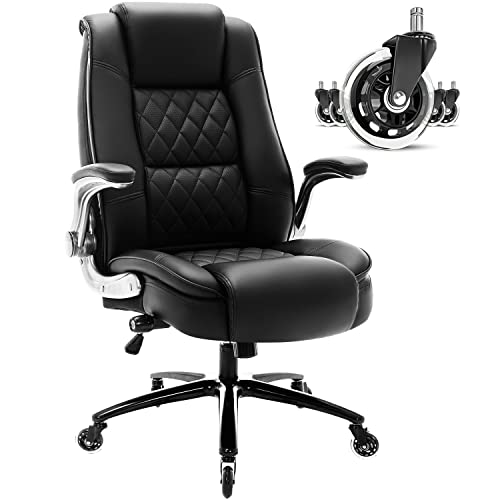

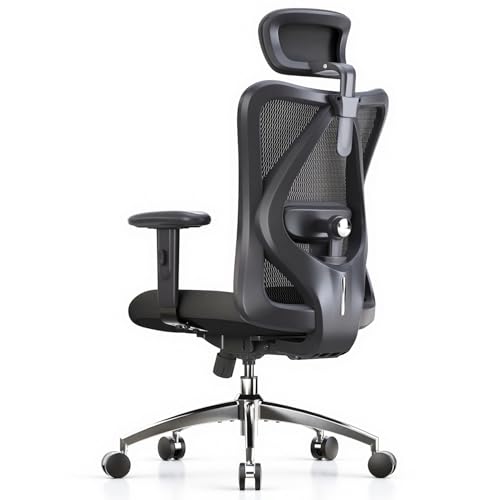
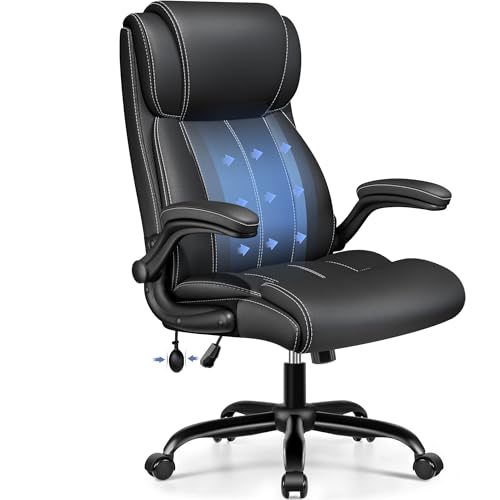
A Checklist for Evaluating Studio Chairs
A useful checklist turns vague comfort claims into things you can measure before you buy. Check each factor below against your body, your desk height, and the gear you reach for most often.
Features That Matter for Producers
Start with the work itself. You need room to play a MIDI keyboard, hold a guitar, or slide close to a desk without armrests hitting the edge. You also need a base that rolls quietly and smoothly across your floor during tracking. Chairs for producers should let you shift posture often, because editing, mixing, and arranging each pull your body into a slightly different position.
Ergonomics and Adjustability
Look for seat height that lets your feet rest flat while your knees sit at about a right angle. Lumbar support should meet the curve of your lower back and stay there as you move, rather than pressing in one fixed spot. Adjustable armrests that move up, down, forward, back, and side to side help your shoulders relax. A tilt lock lets you hold a slight recline during playback without sliding. If you develop persistent back pain, numbness, tingling, or pain that travels down a leg, stop adjusting on your own and talk with a clinician about your personal needs.
Assembly and Delivery
Most studio chairs arrive in a large box with the back, seat, base, casters, and lift packed separately. Plan on about 20 to 40 minutes for assembly with a second person helping to align the back bolts. Check the listing for clear instructions and labeled hardware. Measure your doorway in advance, because a boxed chair can be wider than the finished chair.
Warranty and Return Policy
Read coverage by part, not just the headline number of years. The frame and gas lift matter most, because both carry your weight every day and both are costly to replace. Foam and fabric usually carry shorter coverage. Keep your order details and take photos during assembly so a claim is easier later. If you want a broader view of build standards before you commit, see our guide to the best quality chairs for how makers describe frame and lift quality.
Materials and Upholstery
A mesh back breathes well during long sessions in a warm room and flexes as you lean. Fabric seats feel soft and grip clothing, which helps you stay centered while you play. PU leather wipes clean after spills but can feel warm and may crack sooner in dry rooms. High density foam holds its shape longer than thin padding, so ask about foam density rather than seat thickness alone. Match the material to your room temperature and how often you eat or drink at the desk.
Style and Room Fit
Measure the full footprint with the chair pushed back, not just the seat width. A wide base can hit monitor stands, guitar stands, and storage boxes in a small studio. Color matters less than clearance, but a calmer finish often suits a room where clients sit with you.
Buying Guidance by Budget and Studio Size
The product table above groups options at different prices, but price alone tells you little. Use the guidance below to decide where your money does the most work for your body and your room. Spending more only helps when it buys adjustment, support, or coverage you will actually use.
Guidance for Tight Budgets
At lower prices, protect the basics first. Prioritize a stable five point base, a lift rated for your weight, firm foam, and at least basic lumbar support and armrest height adjustment. Skip decorative extras such as pillows that shift around or footrests you will rarely use. Chairs in this range often cost under $200, and a simple chair that fits you well will serve you better than a larger chair with many loose adjustments.
Guidance When You Can Spend More
A larger budget, often about $250 to $500, should buy smoother and finer adjustment rather than just a bigger chair. Look for seat depth adjustment, armrests that move in several directions, a stronger tilt mechanism, and longer coverage on the lift and frame. These details help when you share the chair with a collaborator of a different height.
Guidance for Small Studios
Compact and space saving models suit rooms where the chair shares floor space with instruments and storage. Choose a smaller base, a back that does not tower over your monitors, and armrests that swing up so the chair tucks close to the desk. Before ordering, tape the footprint on your floor and walk around it. That simple test shows whether you can still open drawers, reach your rack gear, and move a guitar case past the chair.
Quick Buyer Checklist
Run through these questions before you order. A no answer points to the section above.
- Does the seat height range let your feet rest flat at your desk?
- Does the lumbar support meet your lower back without pushing you forward?
- Can the armrests move or swing away so you can play instruments freely?
- Is the weight capacity comfortably above your body weight?
- Does the seat depth leave a small gap behind your knees?
- Will the base and back fit your room with the chair pushed back?
- Does the warranty cover the frame and gas lift for several years?
- Can you return the chair if the fit feels wrong after a week?
Red Flags to Watch For
Weak listings share a few patterns. Spotting them early saves you a return and weeks of discomfort.
- Vague support claims with no seat dimensions or weight capacity listed, so you cannot check the fit before buying.
- Very short coverage on the gas lift and frame, which suggests the maker expects those parts to fail early.
- Thin seat padding described only by thickness, with no mention of foam density or how the foam holds up.
- Armrests fixed at one height on a chair sold for desk work, which often leaves shoulders raised all day.
- Photos that hide the base and casters, making it hard to judge stability or floor compatibility.
One more caution applies to style driven shopping. Racing style shells and bold colors can look exciting, and our guide to the best video game chairs covers that category in depth. For production work, though, judge the chair by instrument clearance and desk fit first, because a shell that locks your shoulders in place can tire you during a long mix.
Choosing Chairs for Your Situation
Your main task at the desk should decide which features move to the top of your list. The three situations below cover how most producers actually spend their seated time.
Best Desk Chairs for Producers
The phrase best desk chairs for producers points to chairs built for hours at a workstation rather than lounging. Focus on seat depth, armrest range, and a back that supports an upright posture while you edit on screen. If your desk has a sliding keyboard tray, confirm the armrests clear it. For a wider comparison of task seating in general, see our guide to the best office task chairs and note how studio needs add instrument clearance on top.
Chairs for Producers Who Play Instruments While Seated
Guitarists and keyboard players need freedom at the sides. Armrests that swing up or come off entirely stop the chair from dictating your elbow position. A seat edge that slopes down gently reduces pressure under your thighs while your feet work pedals. If instruments are central to your sessions, compare the armrest designs in our guide to the best chairs for music producers, which looks closely at that same clearance problem.
Chairs for Long Mixing and Playback Sessions
Mixing asks for a steady, repeatable position at the monitors, then a relaxed lean during playback. A tilt mechanism with tension control lets you move between those postures without fighting the chair. A headrest can help during listening breaks, but only if it meets the back of your head without pushing it forward.
Care and Maintenance Tips
Good care keeps a studio chair quiet, stable, and supportive. Set the seat height so your feet rest flat, and recheck it after anyone else uses the chair. Tighten the bolts under the seat and back every few months, because rolling and tilting slowly work them loose and cause wobble and squeaks.
Vacuum fabric and mesh weekly to lift dust from the weave, and wipe PU leather with a damp cloth so oils do not build up on the surface. Keep casters clear of hair and cable ties, which drag on the wheel and scratch floors. If the lift starts to sink, address it promptly rather than sitting lower each week.
Chairs for Producers: Your Questions Answered
What features matter most in chairs for producers?
Adjustable armrests, lumbar support, and seat height matter most in chairs for producers. Armrests that move out of the way protect your playing posture, while lumbar support and correct height protect your back during editing. One point buyers often miss is caster type. Hard casters suit carpet, while softer wheels roll more quietly and grip hard floors better, which matters when you record in the same room.
How do chairs for producers support long hours at a desk?
Chairs for producers support long hours by spreading pressure across the seat and letting you change posture without standing. High density foam resists bottoming out, and a flexible back moves with you. Build short standing breaks into your session plan as well. Even the best setup cannot replace movement, so stand during bounces, calls, and listening checks to reset your hips and shoulders.
Is an expensive chair for producers worth the cost?
An expensive chair for producers is worth it only when the price buys fit and coverage you need. Finer adjustment, stronger tilt parts, and longer lift coverage can justify paying more. Paying extra for styling, logos, or bundled pillows adds little. A practical test is cost per year. A chair that stays supportive for eight years can cost less over time than a cheaper chair replaced after two.
How do you choose the right size chair for producers?
You choose the right size chair for producers by matching three measurements to your body. Seat width should leave a little room at each hip, seat depth should leave about two fingers of space behind your knees, and back height should support your shoulder blades. Check the listed weight capacity as well, and choose a rating with clear headroom above your weight so the lift and base work without strain.
How long should a good chair for producers last?
A good chair for producers should last about five to ten years with normal studio use. The frame and base usually outlast the foam and upholstery, which compress and wear first. You can extend that span by rotating where you sit during the day if you have a second seat for breaks, so the main foam recovers between sessions instead of staying compressed all day and night.
Final Thoughts
Support, adjustment, and room fit decide whether a chair helps your work or quietly fights it. Use the checklist, confirm your measurements, and scan the product table above once more with those numbers beside you. The right best chairs for producers choice is the one that fits your body, your instruments, and your room at the same time, so you can stay focused on the music instead of your seat.

