
Best Chairs for Porch: A Practical Buying Checklist for 2026
Disclosure: We may earn a commission when you buy through links on this page, at no extra cost to you. As an Amazon Associate I earn from qualifying purchases. Learn more
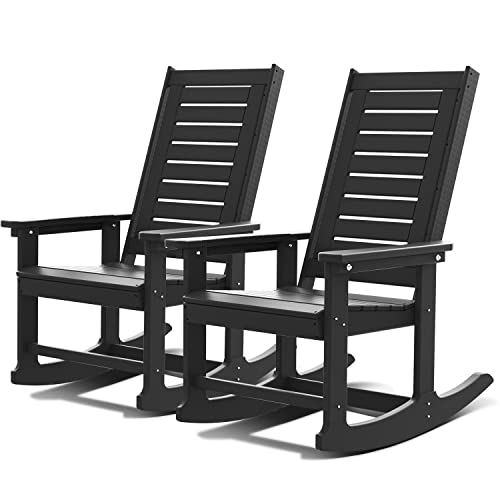
Compare the best chairs for porch use by weather ready materials, comfort, size and care, for both covered and open porches.
A porch chair has a harder job than most indoor seating. It has to stay comfortable in heat and humidity, handle rain and sun without falling apart, and still look right next to your front door. Choosing best chairs for porch starts with a clear checklist, not with color or style alone, and the comparison table below gives you a quick way to line up sizes, materials, and weight limits side by side.
This guide walks you through that checklist in plain order, so you can match a chair to your space, your climate, and how long you actually sit outside each day.

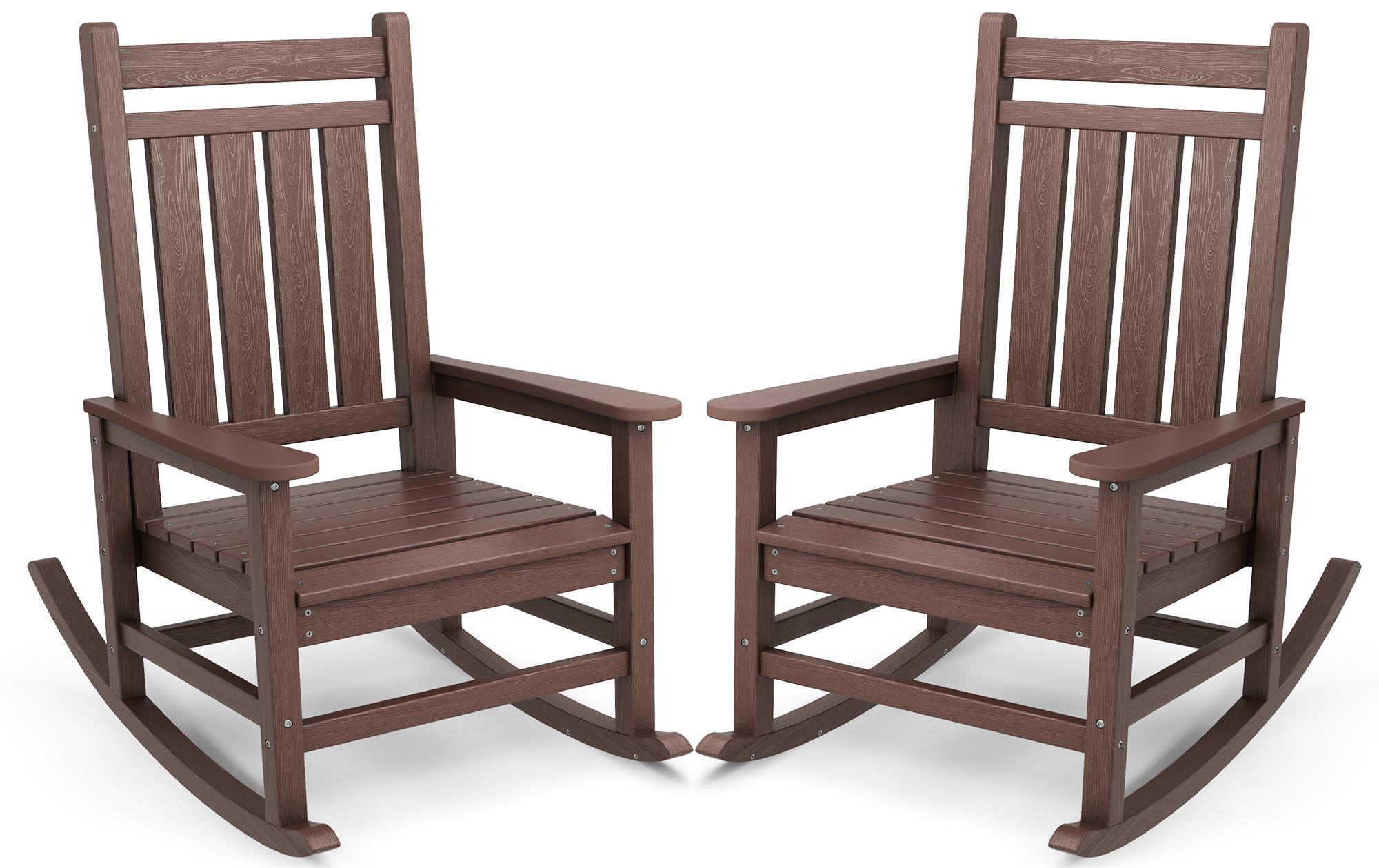
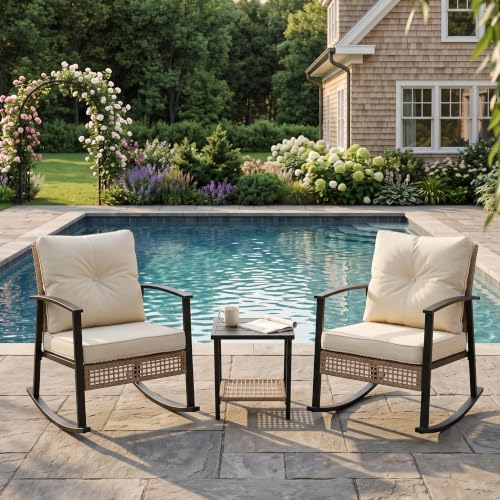
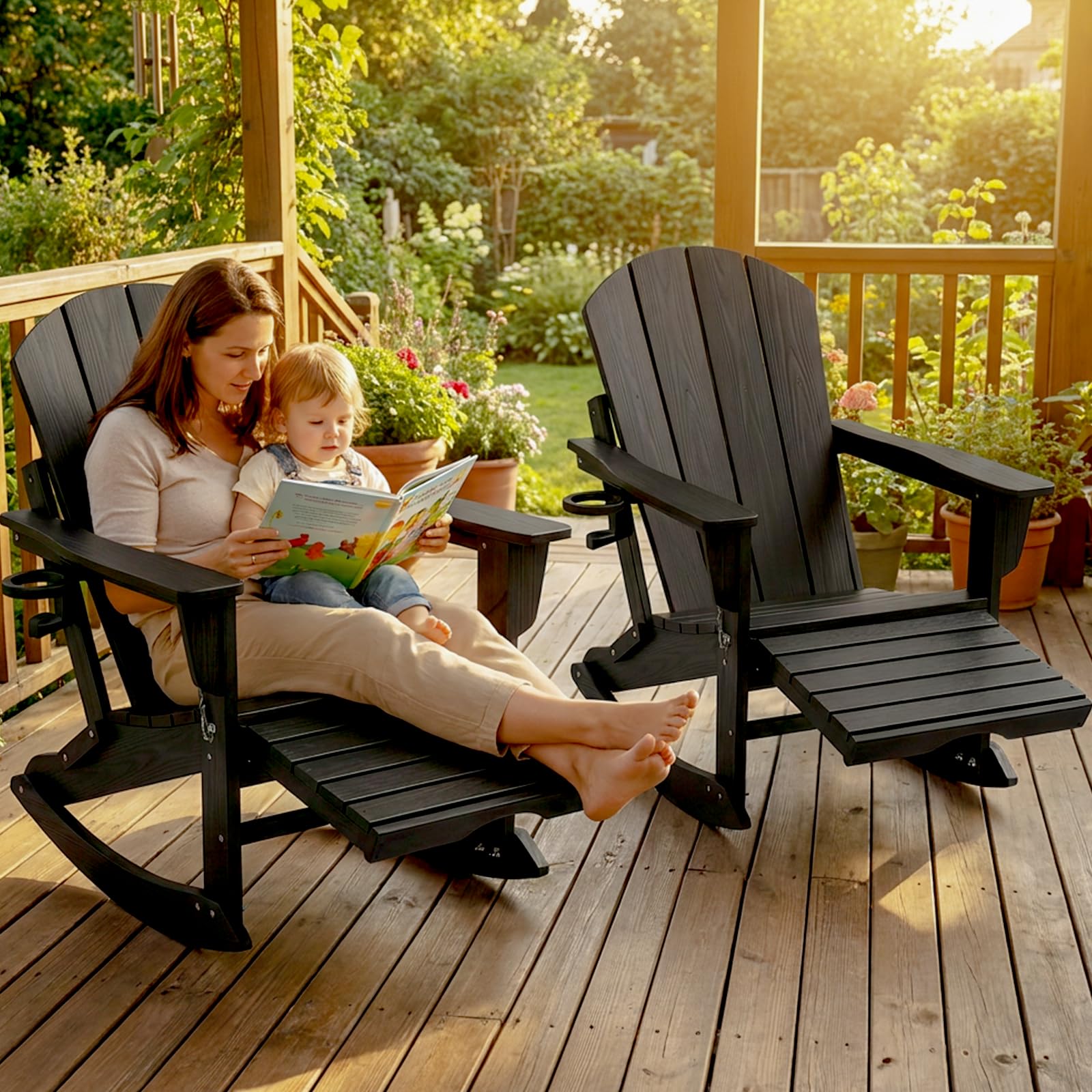
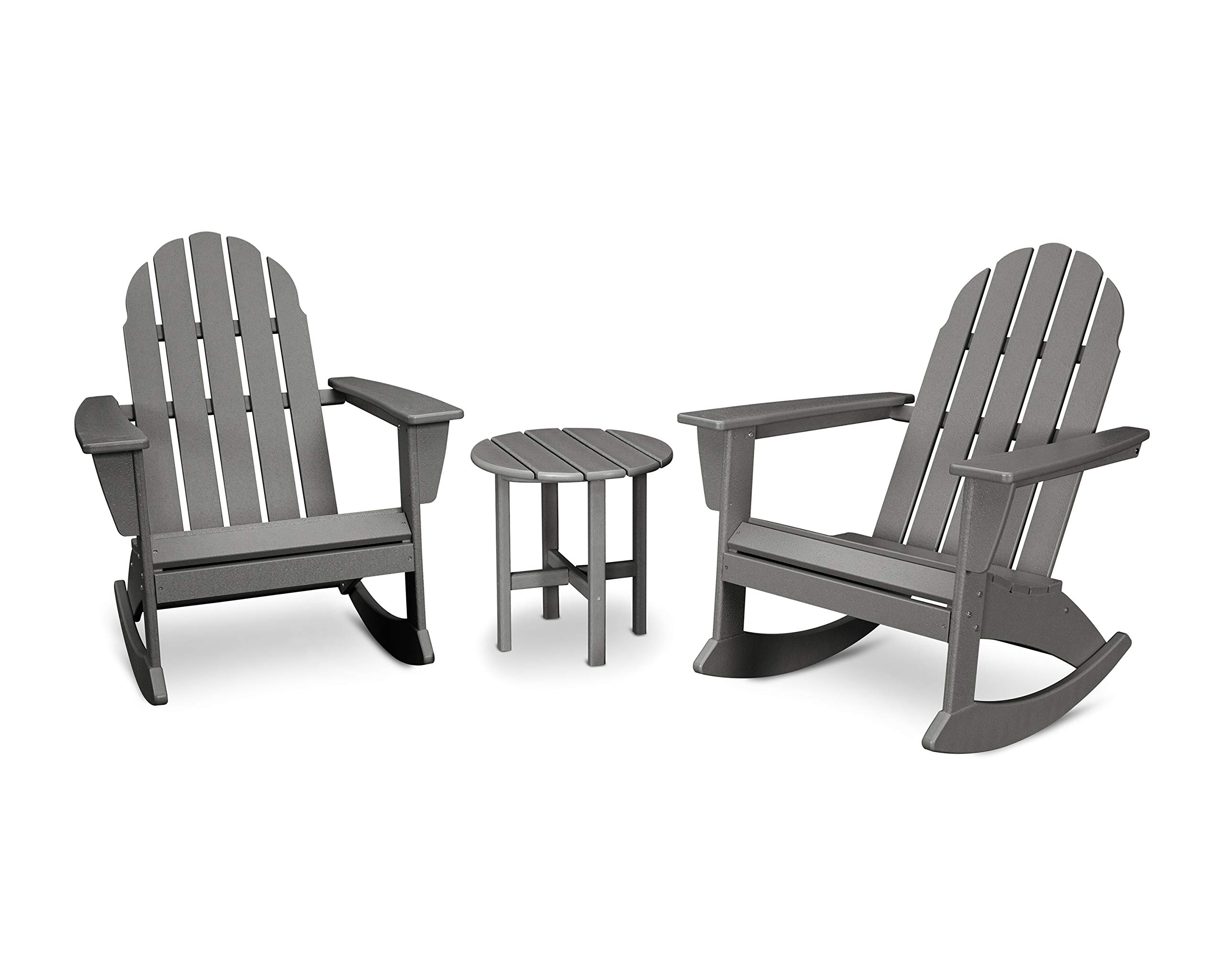
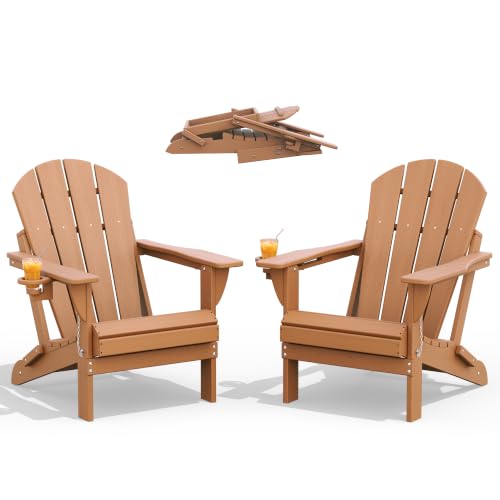


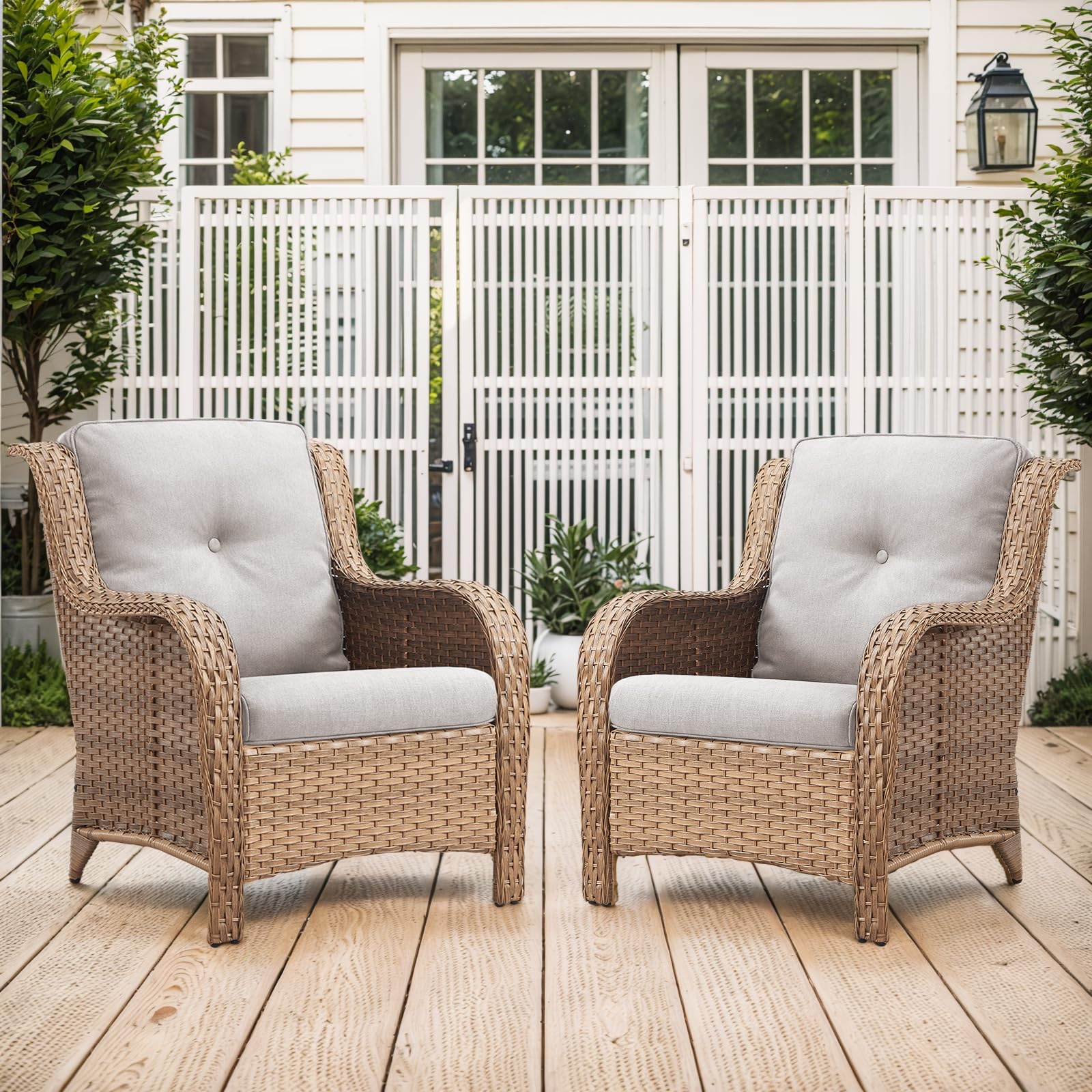
How to Evaluate Porch Chairs With a Simple Checklist
Score each chair against the same six points, in the same order, before you look at price. A chair that leads on looks but fails on material or size will disappoint you within one season.
Features That Matter for Porch Use
A porch exposes a chair to moisture, temperature swings, and sunlight, even when a roof offers some shelter. Look for frames and finishes described clearly for outdoor use, with drainage or open slats that let rain pass through instead of pooling on the seat. Flat seats that hold water stay damp and stain cushions quickly, while sloped seats dry faster after a storm. Also check that armrests let your shoulders relax, feet grip without scratching, and hardware resists rust. If a listing cannot state the finish type or whether the chair suits covered use only, treat that silence as useful information.
Support, Seat Height, and Armrests
Most adults sit comfortably when the seat sits about 16 to 19 inches from the floor, with feet resting flat and knees near a right angle. Lower lounge seats feel relaxed but can be hard to rise from, while taller seats suit upright readers. A gently curved back gives basic lumbar support without a separate cushion, and a slight recline eases longer sits. Most porch chairs have fixed armrests rather than adjustable armrests, so check arm height against a chair at home. If you love gentle motion, see our guide to the best porch rocking chairs for how rocker length changes the feel.
Materials and Cushion Fabrics
Frame material decides how long a porch chair lasts and how much care it needs. Solid hardwoods and powder coated aluminum handle weather well, while lighter resin costs less and moves easily but can flex under heavier sitters. Woven resin wicker gives a classic look with less upkeep than natural wicker, which belongs only on fully covered porches because rain weakens its fibers. For cushions, solution dyed acrylic and olefin fabrics resist fading and dry faster than cotton, and removable covers make washing simple. Some sling chairs use a woven mesh back and seat that need no cushion at all, which suits very wet climates.
Comfort and Cushioning for Longer Sits
A chair that feels fine for five minutes can ache after an hour, so think about how you really use your porch. High density foam holds its shape longer and supports your weight without bottoming out against the frame, while thin low cost foam flattens within a season. Cushion thickness around 2 to 4 inches suits most upright chairs. Ergonomic shaping helps too, since a seat with a slight waterfall front edge reduces pressure behind your knees. If you read outside for long stretches, prioritize back angle and cushion quality over decorative details.
Assembly and Delivery
Most porch chairs arrive partly assembled, and the work ranges from attaching four legs to building a full frame from loose parts. Read the listing for the number of steps, the tools included, and whether one person can finish alone. Predrilled holes and labeled hardware go together faster and sit more squarely, while vague instructions are a common source of wobble. Large chairs also ship in bulky boxes that may not fit through a narrow gate, so check box dimensions too. Keep the packaging until you have checked every joint, and set aside about 20 to 45 minutes per chair.
Size, Dimensions, and Weight Capacity
Measure your porch before you fall for any design. Note the depth from wall to railing, the swing of your front door, and the walking path you need to keep clear, then compare those numbers with the chair width, depth, and height in the listing. Leave at least 24 inches of clear walking space where you can. Weight capacity also signals frame strength, since a rating around 250 pounds suits many sitters, while ratings of 300 pounds or more suggest sturdier joinery. Hanging styles need even more clearance, so see our guide to the best porch swing chairs before you commit to that footprint.
Buying Guidance for Different Porches and Budgets
A lasting choice depends on your porch, not on a ranking. Use the product table above to compare options within the group that fits your space below, since each group points to different materials, sizes, and price levels.
Covered Porches With Limited Weather Exposure
A roofed porch that stays mostly dry gives you the widest material choice. Natural wood, painted wood, and cushioned chairs all do well here, because direct rain and harsh sun reach them only at the edges. You can spend more of your budget on comfort, such as thicker cushions and shaped backs, and less on full weather sealing. Still choose outdoor rated fabrics, since wind driven rain will find your chairs during storms. If your seating greets guests beside the front door, see our guide to the best front porch chairs for proportion and pairing ideas.
Open Porches With Sun and Rain Exposure
An open porch that takes daily sun needs tougher materials and simpler upkeep. Powder coated metal, resin, and teak style hardwoods handle wet and dry cycles well, and sling or slatted seats dry quickly after rain. Cushions are optional here, because you must store them or accept faster fading. Budget models can serve well for a few seasons, while heavier frames cost more up front and usually last longer with less repainting. For a broader view of exposure levels, see our guide to the best outdoor porch chairs. Anchor lightweight chairs ahead of strong storms, since wind moves empty resin chairs easily.
Small Porches and Tight Footprints
A narrow porch rewards compact frames, armless designs, and chairs that stack or fold when guests leave. Look for seat widths under about 22 inches and shallow depths so walking space stays open. A single generous chair often serves a tiny porch better than a cramped pair. Ergonomic models with shaped seats help here because they deliver comfort without deep cushions that eat room. Avoid wide rockers and large swing frames, since their motion arc steals clearance you need for the door and the steps.
Quick Buyer Checklist
When you compare best chairs for porch listings side by side, run through these questions and favor chairs that earn a yes on nearly every line. A single no on size or exposure should outweigh several yes answers on style.
- Does the listing state outdoor use for both the frame and any fabric?
- Will the chair width and depth leave clear walking space on your porch?
- Does the seat height let your feet rest flat with knees near a right angle?
- Is the weight capacity comfortably above the heaviest regular user?
- Can rain drain from the seat instead of pooling after a storm?
- Do you have storage or cover space for cushions during wet weeks?
- Can one person assemble the chair with basic tools in under an hour?
- Does the warranty cover outdoor use for at least one full year?
Red Flags to Watch For
Weak porch chairs often reveal themselves in the listing. Slow down when you spot any of these signs, and compare the chair against the product table above.
- Vague material names with no finish detail, which often means thin stock that rusts, cracks, or fades within one season.
- No stated weight capacity, which suggests the maker never tested the frame to a clear standard.
- Photos that show the chair only indoors, which hints the design was never meant for rain or sun.
- A very short warranty or one that excludes outdoor use, which leaves you paying when weather does its normal work.
- Many reviews mentioning wobble or loose joints early on, which points to poor joinery rather than simple assembly error.
How to Care for Your Porch Chair and Make It Last Longer
Care for a porch chair is simple, and a few steady habits add years of use. Brush off dust, pollen, and leaves weekly so grit does not grind into finishes when you sit. Wash frames with mild soap and water a few times each season, rinse well, and let the chair dry fully before adding cushions back. Standing water left in joints causes rust, rot, and mildew, so tip chairs briefly after heavy rain when the design allows it.
Check bolts, screws, and rocker joints every few months and tighten them gently until snug, taking care to avoid overtightening that strips wood or cracks plastic. Touch up chipped paint on metal frames promptly, because exposed spots rust and spread. Store cushions in a dry place during long wet spells, vacuum the fabric monthly, and replace a cushion when foam stays flat, since frames usually outlast padding by several seasons.
Frequently Asked Questions
What features matter most in a porch chair for daily use?
Weather ready materials matter most in a porch chair for daily use. A frame and finish rated for outdoor use, a seat that drains rain, and a stated weight capacity protect your purchase better than any decorative detail. Add comfortable seat height and rust resistant hardware. A useful extra check is the underside finish, because makers who coat hidden surfaces usually build for real outdoor life.
How long should a porch chair last with outdoor use?
A well built porch chair should last about five to ten years with outdoor use and basic care. Metal and dense hardwood frames often reach the upper end, while light resin and natural wicker sit nearer the lower end in harsh sun. Lifespan drops when chairs stand in pooled water or stay covered while damp. Storing chairs under a roof during the wettest months can add seasons beyond these ranges.
What porch chair features matter most for long sitting sessions?
A shaped back and quality cushion foam matter most for long sitting sessions on a porch chair. Look for gentle lumbar support, a slight recline, and high density foam that does not flatten against the frame. Armrests at a relaxed height help your shoulders stay down while you read. A small footrest or ottoman is a new comfort worth adding here, since raising your feet reduces pressure during hour long conversations.
Is an expensive porch chair worth the extra cost?
An expensive porch chair is worth the cost when the price buys stronger joinery, thicker frame stock, and a finish rated for your exposure level. Those traits extend service life and reduce repair work, which lowers cost per season. Price alone guarantees nothing, though, so confirm each claim in the listing. For a lightly used covered porch, a mid priced chair often delivers nearly the same daily experience.
How do you choose the right size porch chair for your space?
You choose the right size porch chair by matching its listed width, depth, and height to taped measurements on your porch floor. Mark the footprint with tape, leave walking space to the door and steps, and sit in a dining chair inside the outline to test the feel. Add clearance behind for rockers or recline. This tape test is the new step most buyers skip, and it prevents nearly every size related return.
Final Thoughts
The strongest porch purchase follows a simple order. Match the material to your exposure first, confirm the size and weight capacity second, and only then choose cushions and style. Run every finalist through the checklist above, glance back at the product table above to confirm dimensions and ratings, and you will land on best chairs for porch that stay comfortable, sturdy, and good looking season after season.


